
Fork oil viscosity ratings like 5W, 10W, and 15W represent the thickness of the fluid inside your motorcycle’s front suspension, which directly dictates how easily the oil flows through the internal damping valves. When you ride over a bump or apply the brakes, the fork compresses and forces this oil through tiny passages. A lower rating like 5W indicates a thinner oil that flows quickly, resulting in a softer, more compliant ride. Conversely, a higher rating like 15W indicates a thicker oil that moves slowly, providing firmer damping and more resistance to movement. Understanding these ratings allows you to fine-tune your motorcycle’s handling, stability, and comfort to match your weight and riding environment.
What Viscosity Ratings Actually Measure
The “W” in fork oil ratings stands for weight, a traditional classification system used to describe the fluid’s resistance to flow. However, these nominal ratings can be misleading because there is no universal industry standard governing what constitutes a “10W” fork oil across different manufacturers. One brand’s 10W oil might have a significantly different flow rate than another brand’s 10W oil. To understand the true physical behavior of the fluid, suspension tuners look at kinematic viscosity, which is typically measured in centistokes (cSt) at a standardized temperature of 40°C.
When you choose a higher nominal number, you are selecting a fluid with higher kinematic viscosity. This thicker fluid requires more force to pass through the fork’s internal valving, which increases the hydraulic resistance. A lower nominal number means a lower kinematic viscosity, allowing the fluid to pass through the valves with less resistance. Because the nominal “W” rating is only a rough guide, it is crucial to check the specific technical data sheet of the oil or stick to the exact brand and weight recommended by your motorcycle manufacturer to maintain consistent suspension performance.
Products mentioned in this guide
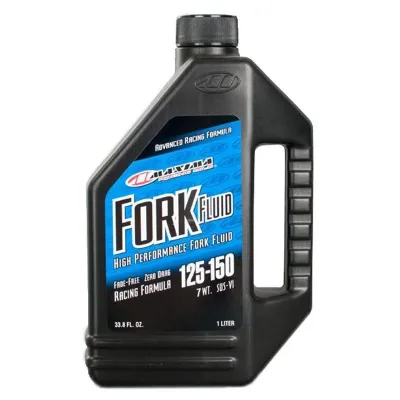
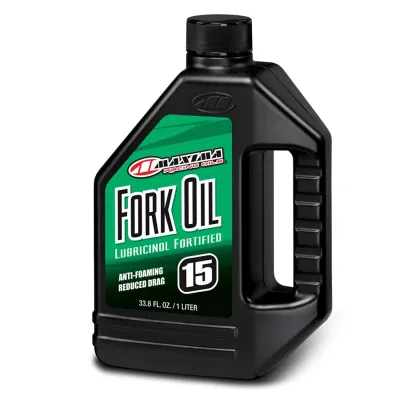
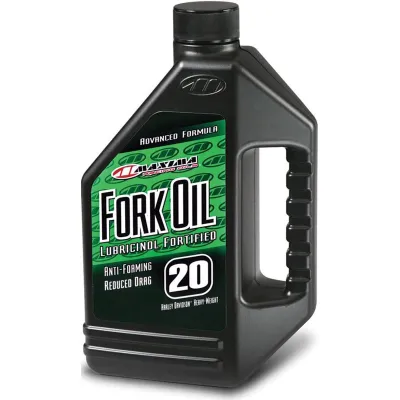

Prices are valid at publication and may change. Please refer to the product page for the latest price.
How Viscosity Changes Suspension Behavior
Changing the viscosity of your fork oil alters both compression and rebound damping, which fundamentally changes how your motorcycle handles road imperfections and rider inputs. Compression damping occurs when the front fork collapses to absorb an impact or manage weight transfer. If you use a thicker oil, such as a 15W, the increased resistance slows down the speed at which the fork compresses. This can be highly beneficial for reducing front-end dive when you apply the front brakes heavily, keeping the chassis more stable.

Rebound damping, on the other hand, controls the speed at which the fork extends back to its original length after being compressed. Thicker oil slows down this return stroke, preventing the front end from springing back too quickly and creating a bouncy, uncontrolled sensation. However, if the oil is too thick, the rebound can become sluggish, preventing the fork from recovering in time for the next bump—a phenomenon known as packing down. Additionally, fork oil is subject to temperature fluctuations. As you ride over rough surfaces, the constant friction inside the fork generates heat, which thins the oil and can cause the damping to feel softer over time.
Choosing the Right Grade for Your Riding Style
Selecting the correct fork oil grade begins with consulting your motorcycle owner’s manual. The manufacturer’s specified viscosity is designed to deliver balanced handling under average riding conditions and rider weights. This baseline recommendation should always be your starting point before making any adjustments. Because suspension modifications directly impact your vehicle’s handling, braking distance, and overall road safety, any deviation from the factory specifications should be approached with caution.
If you frequently carry heavy luggage, ride with a pillion passenger, or find that the front end dives excessively under braking, transitioning to a slightly higher viscosity grade can provide the extra support needed to manage the additional weight. Conversely, if you primarily commute on rough, uneven urban streets and find the ride overly harsh, a slightly thinner oil can improve small-bump compliance and comfort. When making these adjustments, never mix different brands or chemical bases of fork oil without verifying compatibility, as incompatible additives can cause the fluid to break down or damage internal seals. For any major suspension overhaul or oil weight change, consulting a qualified professional technician ensures the work is performed safely and correctly.
Signs Your Current Fork Oil Needs Attention
Over time, fork oil degrades due to shear forces, heat, and contamination from wearing internal components and road grime that bypasses the seals. You can identify degraded or incorrect oil through several observable riding characteristics. If your front suspension feels exceptionally harsh, transmitting every minor road ripple directly to your handlebars, the oil may have broken down or a previous owner may have installed an excessively high viscosity fluid.
Alternatively, if the front end feels loose, wallows through corners, or continues to bounce repeatedly after hitting a single bump, the oil has likely lost its viscosity and can no longer provide adequate rebound damping. Before proceeding with an oil change, inspect the chrome fork stanchions for any signs of wetness or oily residue. Leaking fork seals not only deplete the oil level inside the fork, altering the damping characteristics, but can also drip fluid onto your front brake calipers and tires, creating a severe safety hazard that must be addressed immediately.
Frequently Asked Questions (FAQ)
Can I mix 5W and 10W fork oil to create a custom weight?
While it is physically possible to mix fork oils of different weights from the same manufacturer and product line, doing so does not guarantee a simple, linear average of the two viscosities. The chemical additives and base oils interact in complex ways, which can result in unpredictable damping characteristics. If you require a specific damping profile that falls between standard grades, it is safer to consult a professional suspension tuner or purchase a pre-blended specialty fluid designed specifically for your target kinematic viscosity.
How often should I change my motorcycle fork oil?
You should always refer to your motorcycle’s owner’s manual for the recommended service intervals, which are typically based on mileage or elapsed time. However, these intervals are guidelines for average operating conditions. If you frequently ride in harsh environments, such as dusty off-road trails, high-humidity coastal areas, or stop-and-go city traffic, the oil will degrade more rapidly. Regularly monitoring your suspension’s performance and inspecting the seals for leaks will help you determine if an earlier oil change is necessary to maintain optimal handling and safety.

Community discussion
Share your experience or ask a question. Comments are reviewed before publication.