
Choosing the best windscreen sunshade for your car comes down to how you balance coverage, daily convenience, and storage space. If your primary goal is maximum heat rejection and a seamless fit, a custom-fit sunshade is the most effective choice because it is tailored to your exact vehicle model. For drivers who prioritize speed and effortless deployment during short stops, a retractable sunshade offers unmatched convenience by remaining permanently mounted. Meanwhile, a foldable sunshade serves as a highly portable, budget-friendly option that can easily be transferred between different vehicles.
In tropical climates like Singapore, where cars parked in open-air carparks are subjected to intense, prolonged sunlight, selecting the right design is crucial for protecting your interior. The constant exposure to ultraviolet rays can degrade dashboard plastics, dry out leather upholstery, and strain your air conditioning system when you return to the vehicle. Understanding the structural differences and practical trade-offs of each sunshade type will help you make an informed decision that fits your daily routine and your vehicle’s specific cabin layout.
Understanding the Three Main Windscreen Sunshade Designs
To choose the right accessory, you must first understand how these three designs function and how they interact with your car’s interior. Each type utilizes a distinct structural approach to block incoming solar radiation, which directly affects how you install, use, and store them.
Products mentioned in this guide
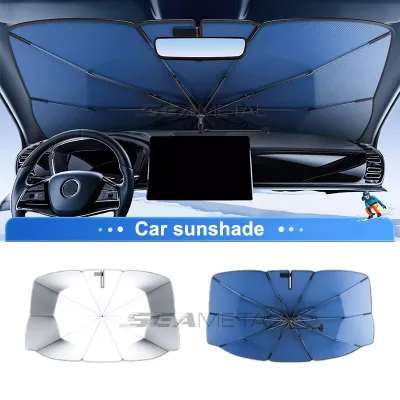
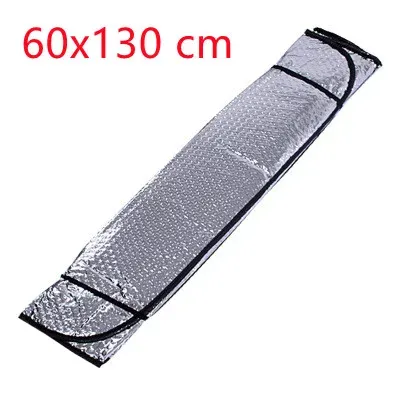
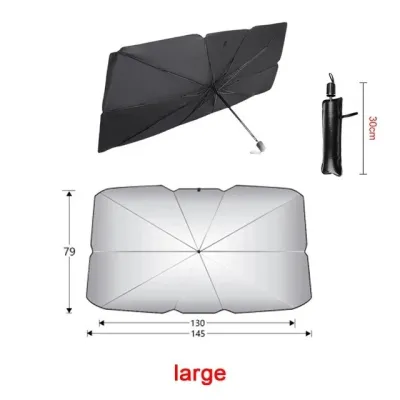
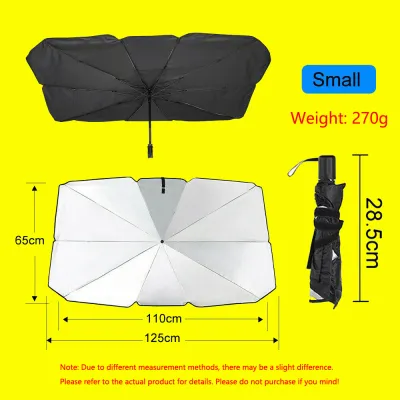
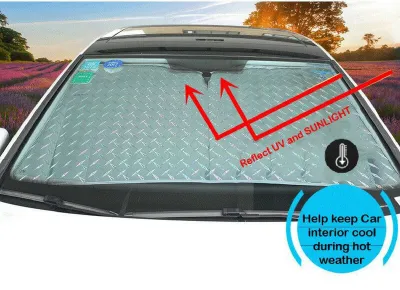
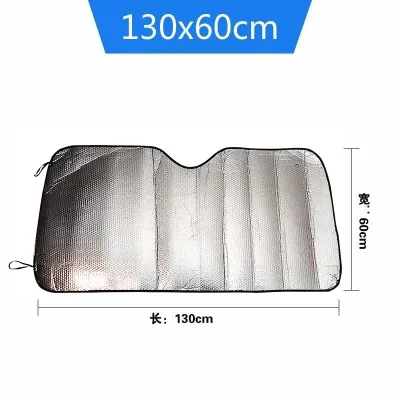
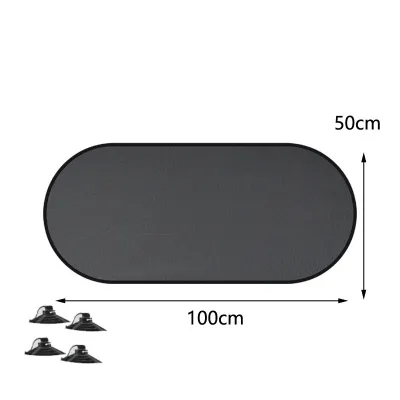
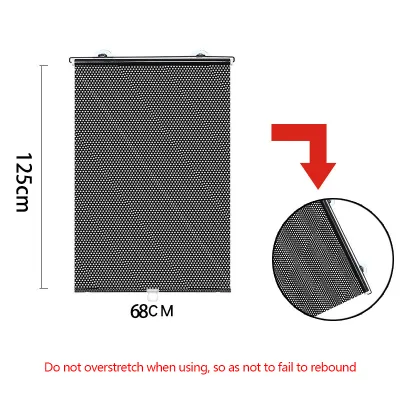
Prices are valid at publication and may change. Please refer to the product page for the latest price.
Foldable sunshades, often referred to as accordion or folding panel shades, are among the most common interior accessories on the market. These shades typically feature a series of rigid or semi-rigid rectangular panels connected by flexible seams, allowing them to fold flat when not in use. They are generally designed in universal sizes, relying on the vehicle’s sun visors to hold them flush against the glass.
Retractable sunshades utilize a spring-loaded roller mechanism that is semi-permanently mounted to either the passenger side of the windscreen or the A-pillar. To deploy the shade, you simply pull the fabric or reflective material across the glass and secure it to a bracket or suction cup on the opposite side. This design eliminates the need to retrieve, unfold, and position a loose shade every time you park.
Custom-fit sunshades are engineered specifically for individual vehicle makes, models, and production years. Manufacturers use precise digital scans of car interiors to create a shade that matches the exact contours, height, and width of the windscreen. These shades often feature a stiff, multi-layered core that fits snugly into the window frame without requiring extra fasteners, ensuring that virtually no light passes through the edges.
Comparing Coverage, Convenience, and Storage
Evaluating how these three designs perform across core practical dimensions reveals distinct trade-offs. No single design excels in every category, meaning your choice will depend on which factors matter most to your daily driving habits.

When it comes to coverage and light blockage, custom-fit options consistently outperform universal designs. Because they are tailored to the exact dimensions of your windscreen, they seal the edges and fit snugly around the rearview mirror housing. Universal foldable and retractable shades often leave noticeable gaps at the corners or along the bottom of the glass, allowing direct sunlight to penetrate and heat up localized areas of the dashboard.
Daily convenience is where retractable sunshades have a clear advantage. Because the roller mechanism remains mounted to the windscreen, deploying the shade takes only a couple of seconds. You do not have to reach into the backseat or trunk, unfold a large panel, or wrestle with sun visors. Foldable and custom-fit shades require manual handling, which can be cumbersome in tight cabins or when carrying passengers.
Storage footprint is another critical consideration, especially in compact cars or vehicles with limited cabin space. Foldable shades fold down into a relatively flat, rectangular shape that can be slipped under a seat, into a door pocket, or placed in the trunk. Custom-fit shades, depending on whether they roll up or fold, can be bulky and may require dedicated space in the backseat or boot. Retractable shades require zero storage space once installed, but their mounting brackets remain permanently visible on your windscreen, which some drivers find visually distracting.
Vehicle Compatibility and Installation Checks
Before purchasing any windscreen sunshade, it is essential to verify compatibility with your specific vehicle and identify potential physical obstructions. Failing to perform these checks can result in a shade that does not stay in place, blocks your view, or interferes with onboard electronics.
Start by measuring your windscreen’s height and width at its widest points, taking note of any significant glass curvature. Heavily curved windscreens can cause flat, rigid foldable shades to bow outward, creating large gaps and reducing their effectiveness. You should also measure the clearance around your rearview mirror, as large sensor housings or integrated dashcams can prevent a standard universal shade from fitting properly.
In Singapore, many vehicles are equipped with windscreen-mounted devices such as On-Board Units (OBU) for road tolling, dashcams, and rain sensors. You must ensure that the mounting brackets or suction cups of a retractable sunshade do not obstruct these devices or block their line of sight. Additionally, suction cups require a completely clean, flat surface to adhere properly; textured dashboard trims or ceramic-coated glass borders can compromise their grip.
When opting for a custom-fit sunshade, always review the manufacturer’s fitment guides and specifications carefully. Ensure the product listing matches your car’s exact model year and trim level, as mid-cycle refreshes can alter the dimensions of the windscreen or the shape of the rearview mirror console. If your vehicle features aftermarket modifications near the glass, verify that these will not interfere with the tailored edge-to-edge fit.
Decision Framework: Which Sunshade Type Should You Choose?
To simplify your decision, consider how your typical parking environment, budget, and convenience preferences align with each sunshade design. This framework helps you identify the option that best matches your lifestyle.
You should choose a foldable sunshade if you are looking for a budget-friendly, highly versatile solution. These shades are ideal for drivers who park in shaded or underground carparks most of the time and only need sun protection occasionally. Their universal nature also makes them a practical choice if you frequently switch between different vehicles or plan to sell your car soon, as you can easily reuse the shade.
A retractable sunshade is the best choice for daily commuters who frequently park in open-air lots and value rapid deployment. If you find yourself constantly getting in and out of your car throughout the day, the convenience of a one-handed pull-and-lock mechanism will save you significant time and effort. However, you must be comfortable with having a permanent fixture mounted on your windscreen and ensure it does not block your driving visibility.
Opt for a custom-fit sunshade if you park outdoors for extended periods under intense tropical sun and want the absolute best protection for your car’s interior. While they generally require a higher initial investment, their ability to block almost all incoming light prevents hot spots on your steering wheel and leather seats. This is particularly valuable for preserving the resale value of premium vehicles or protecting sensitive dashboard electronics from heat degradation.
Before making a final purchase, always verify if your windscreen has complex curves or large sensor clusters. If your vehicle has a highly unique windscreen geometry, universal options may fail to stay in place, making a custom-fit design the only reliable way to achieve complete coverage.
Maintenance and Care for Longevity
Proper maintenance ensures that your windscreen sunshade remains functional and continues to protect your vehicle’s interior for years. Neglecting basic care can lead to material degradation, loss of structural integrity, or damage to your car’s cabin.
To clean your sunshade, always refer to the manufacturer’s product care label for specific instructions. For most reflective and fabric surfaces, a gentle wipe down with a damp microfiber cloth is sufficient to remove dust and fingerprints. Avoid using harsh chemical cleaners, solvents, or abrasive pads, as these can strip away the reflective metallic coatings or damage the underlying synthetic fibers.
Regularly inspect the structural components of your sunshade to catch wear before it leads to failure. For retractable models, check that the retraction springs operate smoothly and that the mounting brackets remain securely attached. If your shade uses suction cups, clean them periodically with warm, soapy water to restore their suction power, and inspect them for warping or cracking caused by prolonged heat exposure.
When the sunshade is not in use, store it properly to prevent warping or material fatigue. Avoid cramming foldable or custom-fit shades into tight spaces where they might bend permanently or crease excessively. Storing them flat or neatly rolled in a cool, dry area of your car—such as under a seat or in the boot—will help maintain their shape and extend their service life.
Frequently Asked Questions (FAQ)
Do windscreen sunshades damage the dashboard or glass?
When used correctly, high-quality windscreen sunshades do not damage your vehicle’s dashboard or glass. However, issues can arise if a low-quality shade with an abrasive backing is dragged across sensitive leather or plastic surfaces, potentially causing scratches. Additionally, if a sunshade is placed directly against the glass without a small air gap, extreme heat can build up between the shade and the windscreen, which may weaken aftermarket window tints or degrade the adhesive on mounted accessories like dashcams. To prevent this, ensure the shade is positioned securely and does not press tightly against any aftermarket films.
Can I use a universal foldable sunshade on a heavily curved windscreen?
Using a flat, rigid universal foldable sunshade on a heavily curved windscreen is generally not recommended. The curvature of the glass will prevent the flat panels from sitting flush, causing the shade to bow inward and leave large gaps at the sides and bottom where heat and UV rays can enter. In some cases, the tension from the curved glass can cause the sunshade to collapse or fall down repeatedly. For vehicles with highly contoured windscreens, a flexible roll-up shade or a custom-fit design is a much more effective choice, as they are engineered to conform to the specific geometry of the glass.

Community discussion
Share your experience or ask a question. Comments are reviewed before publication.