
Managing cabin heat in the BYD Seal 6 requires a strategic combination of custom-fit windshield shades, side window protection, and potentially panoramic roof covers. Because the BYD Seal 6 features a modern, expansive glass layout and advanced driver assistance systems (ADAS) mounted near the rearview mirror, selecting a sunshade requires careful verification of dimensions and sensor clearances rather than buying a generic universal model. In Singapore’s intense tropical climate, where the UV index frequently reaches extreme levels, an effective sunshade setup is essential for preserving interior materials, reducing the initial cooling load on the air conditioning system, and enhancing overall comfort when parking under the direct sun.
To protect the BYD Seal 6’s sophisticated interior, which includes a large central rotating touchscreen and digital instrument cluster, drivers must understand how heat buildup occurs. Solar radiation passes through the glass and warms up dark interior surfaces, which then radiate heat back into the cabin air. By using a physical barrier, drivers can significantly mitigate this greenhouse effect, protecting sensitive electronics and leather upholstery from premature aging and thermal stress.
Understanding Sunshade Styles for the BYD Seal 6
The tropical climate in Singapore means parked vehicles quickly turn into greenhouses. For a modern sedan like the BYD Seal 6, managing this heat starts with selecting the right style of windshield shade. Standard foldable shades, often made of reflective wire-ring panels, are highly popular due to their flexibility. They twist and fold into compact circles, making them easy to tuck away when not in use.
Products mentioned in this guide
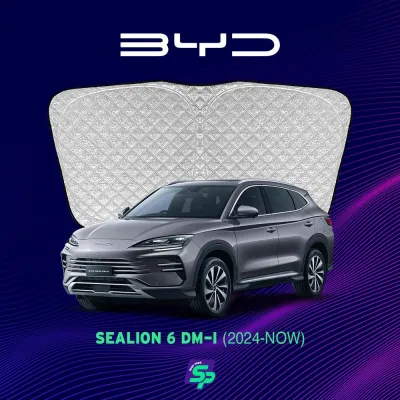
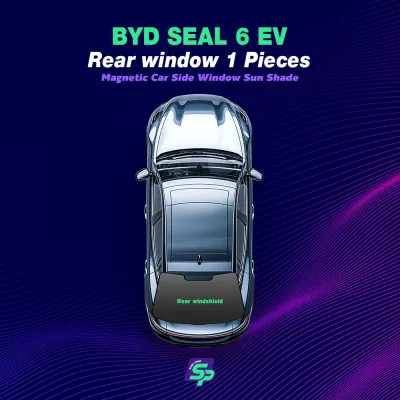
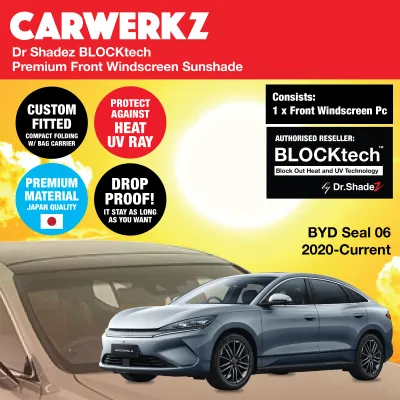
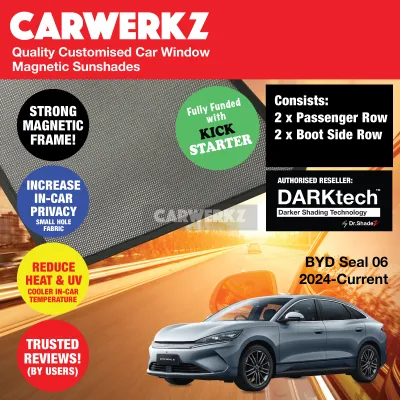
Prices are valid at publication and may change. Please refer to the product page for the latest price.
Accordion-style shades use a stiffer, pleated design that folds flat. While they offer excellent structural rigidity and rarely sag, they can be bulkier to store in a sleek cabin. Umbrella-style sunshades have emerged as a modern alternative, deploying via a central shaft and rib system. They open quickly like a standard rain umbrella, but users must check if the central shaft might press against the BYD Seal 6’s large central infotainment screen or dashboard trim.
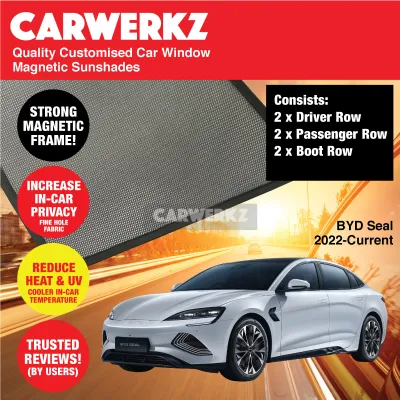
Side windows require a different approach to protect passengers and block lateral heat. Static cling shades adhere directly to the glass using electrostatic force, leaving no sticky residue behind. Magnetic side window shades attach to the metal frame surrounding the window. They allow for quick installation and removal, though users must verify if the BYD Seal 6’s door frames have exposed metal surfaces suitable for magnetic attachment.
Retractable roller shades offer a semi-permanent solution, mounting to the door panel and pulling up to hook onto the top of the window. These provide instant deployment but may require adhesive clips. Rear window shades are crucial for protecting rear passengers and reducing overall cabin heat. These are typically mesh panels that press-fit into the rear window frame, maintaining rearward visibility while filtering harsh sunlight.
The choice between custom-fit and universal sizes is critical. Universal shades are widely available and budget-friendly, but they often leave significant gaps around the edges, allowing heat to bypass the barrier. Custom-fit options are tailored specifically to the exact contours of the BYD Seal 6’s glass panels. They provide edge-to-edge coverage, ensuring maximum heat reflection and preventing the shade from slipping down.
Verifying Fitment and Sensor Clearances
Before purchasing any sunshade, verifying the exact dimensions of your vehicle’s glass is essential. The BYD Seal 6 features a sweeping windshield that requires precise coverage to be effective. To verify fitment, you can measure the height and width of the windshield from the inside, taking note of the widest and narrowest points. Comparing these physical measurements against product specifications prevents buying an undersized shade.

The upper center of the windshield houses critical electronic components, including the Advanced Driver Assistance Systems (ADAS) camera array, rain sensors, and the rearview mirror mount. Any sunshade must accommodate this housing without putting pressure on the sensors. Look for sunshades that feature a dedicated cutout or a hook-and-loop strap split at the top. This design allows the shade to wrap securely around the rearview mirror bracket without obstructing or shifting the camera housing.
Using a universal shade that lacks this cutout can force the material to bend awkwardly, creating large gaps where sunlight can penetrate. Worse, forcing a stiff shade against the sensor housing could potentially misalign sensitive ADAS cameras. Universal shades also carry the risk of sagging over time, especially when exposed to high cabin temperatures. A sagging shade can collapse onto the dashboard, potentially scratching delicate trim or the digital instrument cluster.
When browsing online marketplaces, avoid relying on generic compatibility tags like “fits most sedans” or “universal medium.” Instead, look for product listings that explicitly state compatibility with the BYD Seal 6 and show actual photos of the shade installed in the vehicle. Check if the manufacturer provides specific model-year compatibility, as mid-cycle refreshes or different trim levels can sometimes introduce subtle changes to interior dimensions or sensor housings.
Evaluating Materials for Heat and UV Protection
The effectiveness of a sunshade depends heavily on its material composition. Understanding how different fabrics interact with solar radiation helps in choosing a shade that actually lowers cabin temperatures. Reflective materials, such as multi-layer aluminum foil or silver-coated polyester, work by bouncing solar energy back through the glass. This prevents the heat from entering the cabin air and dashboard materials in the first place.
Absorptive materials, like dark fabrics or dense felt, absorb the solar energy instead of reflecting it. While they block light, they can become extremely hot to the touch and eventually radiate that stored heat back into the cabin. When reviewing product specifications, look for clear indications of UV protection, such as a high Ultraviolet Protection Factor (UPF) rating. High-quality shades often block a significant percentage of harmful UVA and UVB rays, protecting the dashboard leather and plastics from fading and cracking.
Thermal insulation layers, such as bubble wrap cores or cotton composite layers sandwiched between reflective sheets, provide an extra barrier against heat transfer. These layers slow down the conduction of heat from the hot outer surface to the cooler cabin interior. Material safety is another critical factor to consider. The interior of a car parked in Singapore can reach temperatures well over 60 degrees Celsius, which can cause low-quality plastics and adhesives to off-gas.
Ensure the sunshade is made from non-toxic, odorless materials that are certified to withstand high temperatures without releasing harmful chemical fumes or developing a strong plastic smell. Be skeptical of marketing claims that promise “100% heat block” or absolute temperature reductions. No passive sunshade can completely stop heat transfer over several hours of parking, so look for realistic performance descriptions that focus on material layers and reflective efficiency.
Weighing Installation and Storage Convenience
A sunshade is only useful if you actually use it, which makes daily convenience a major factor in your purchasing decision. If a shade is too difficult to install or store, it will likely end up forgotten in the boot. Evaluate how quickly you can deploy and pack away the shade during a busy commute. Wire-ring foldable shades can be twisted and stored in seconds once you master the folding technique, making them highly practical for daily use.
Umbrella-style shades offer rapid deployment with a simple push-to-open mechanism. However, you must ensure that opening the umbrella frame inside the cabin does not require awkward maneuvering that could strike the steering wheel or central screen. Storage space in the BYD Seal 6 should remain uncluttered. Look for sunshades that come with a dedicated storage pouch or sleeve, allowing you to tuck the folded shade neatly into the door pocket, glove box, or behind the front seats.
Securing the sunshade properly is essential to prevent it from slipping down over time. Most windshield shades rely on the vehicle’s built-in sun visors to fold down and hold the top edge of the shade against the glass. Some custom-fit shades use a friction-fit design that wedges snugly into the window frame, requiring minimal support from the visors. Ensure the edges of the shade are wrapped in soft fabric to prevent scratching the A-pillars or dashboard trim during installation.
Rigid, multi-layered custom shades offer excellent insulation but require more physical effort to roll up or fold. Consider whether you prefer the maximum thermal protection of a thicker, rigid shade or the effortless handling of a lightweight, flexible option. Spending S$30 to S$50 on a high-quality, convenient shade is often more practical than buying a cheaper, cumbersome alternative that you avoid using.
Sourcing and Verifying Products Before Purchase
Finding a high-quality sunshade for the BYD Seal 6 requires careful navigation of online marketplaces and local automotive accessory shops. Listings can often be misleading, using generic terms to attract buyers. Read product descriptions thoroughly to confirm that the shade is designed specifically for the BYD Seal 6. Avoid listings that group multiple unrelated vehicle models together under a single “one-size-fits-all” description.
Prioritize sellers that offer clear return policies or fitment guarantees. If the shade arrives and does not fit perfectly around your rearview mirror or leaves large gaps, you should be able to exchange or return it without hassle. Be cautious of listings that rely solely on highly edited stock images or computer-generated renders. Look for customer reviews that include real-world photos of the sunshade installed inside a BYD Seal 6 to verify the actual fitment and material quality.
Watch out for counterfeit products or unofficial brand endorsements that claim to be official BYD accessories but lack proper manufacturing standards. These products may use inferior materials that degrade quickly under intense sunlight. Consulting local automotive forums, social media owner groups, or car clubs in Singapore can provide invaluable real-world feedback. Other BYD Seal 6 owners can share their personal experiences with specific sunshade brands, helping you make an informed decision based on local driving conditions.
Frequently Asked Questions (FAQ)
Will a windshield sunshade interfere with the BYD Seal 6's ADAS cameras?
The Advanced Driver Assistance Systems (ADAS) cameras and sensors on the BYD Seal 6 are housed in a console mounted directly to the upper center of the windshield, behind the rearview mirror. A properly designed sunshade will not interfere with these systems as long as it features a dedicated cutout or a flexible split that wraps around the sensor housing. Avoid forcing a rigid, uncut sunshade over the console, as this can apply unnecessary pressure or block the camera’s field of view if left in place while driving. Always consult your vehicle’s owner manual to locate all sensors before installing aftermarket accessories.
Are custom-fit sunshades worth the extra cost compared to universal ones?
Yes, custom-fit sunshades are generally worth the investment for owners looking for maximum heat protection and convenience. Unlike universal shades, which often leave gaps along the edges and sag over time, custom-fit options are tailored to the exact dimensions of the BYD Seal 6’s windshield. This precise fit ensures edge-to-edge coverage, preventing sunlight from heating up the dashboard and cabin. Additionally, custom-fit shades are less likely to slip, scratch interior trim, or interfere with the rearview mirror and ADAS sensor housing.
Can I use sunshades on the BYD Seal 6's panoramic roof?
Yes, dedicated panoramic roof sunshades are available and highly recommended for vehicles equipped with large glass roofs. While the factory glass often features built-in tinting and UV-resistant coatings, adding a physical, custom-fit mesh or reflective shade provides an extra layer of thermal defense against intense overhead sunlight. When selecting a roof shade, ensure it is designed specifically for the BYD Seal 6’s roof dimensions and does not interfere with any interior trim or sealing mechanisms.

Community discussion
Share your experience or ask a question. Comments are reviewed before publication.