
Finding a practical way to store daily essentials on your dashboard without cluttering your cabin or blocking your view of the road requires a careful look at your vehicle’s layout. While a dedicated car hanger or hanging organizer can keep items like parking coupons, sunglasses, and access cards within arm’s reach, choosing the wrong type can lead to safety hazards or permanent damage to your interior trim. The key is matching the mounting style of the organizer to the physical contours and materials of your dashboard, ensuring that your line of sight remains completely unobstructed.
Every vehicle interior presents unique geometry, from the slope of the windshield to the texture of the dashboard materials. A solution that works perfectly in a spacious sports utility vehicle might completely block the driver’s view in a compact hatchback or a sedan. By understanding how different hanging mechanisms interact with your car’s interior components, you can make an informed decision that balances convenience with strict road safety.
Before purchasing any accessory, it is essential to evaluate where it will hang, how much weight it can safely support, and whether it complies with local vehicle safety standards. This guide will walk you through the critical selection criteria, compare the most common types of hanging organizers, and help you build a practical shortlist tailored to your specific vehicle layout.
Products mentioned in this guide
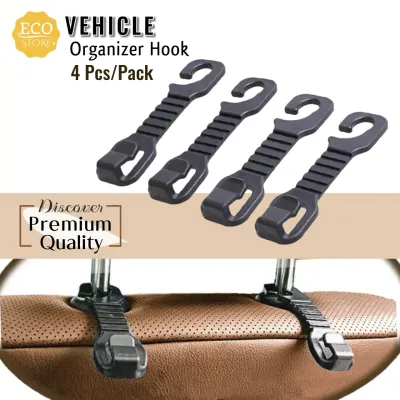

![[Bundle of 2] Car Seat Hook / Car Seat Hanger / Car Backseat Hook / Universal Hook / Double Hook / Universal Holder](https://img.lazcdn.com/g/p/282e535c4461d079f3e5c34065bed293.png_400x400q80.png_.webp)

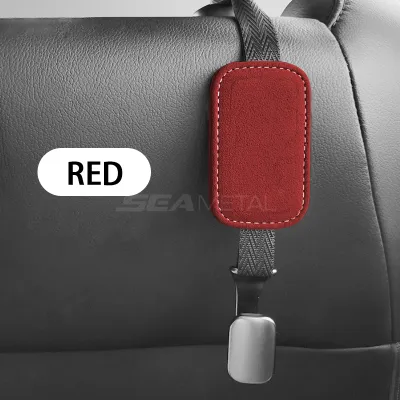
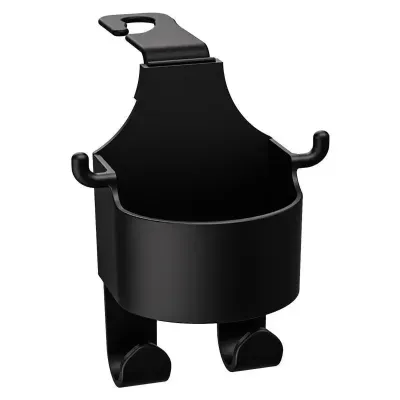
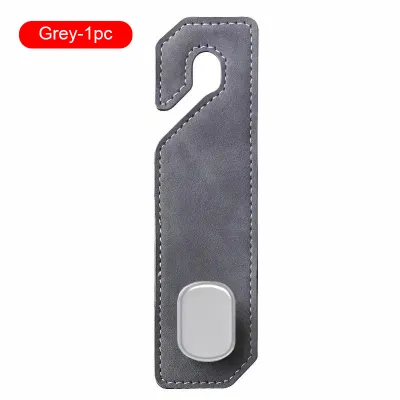
![[SG SELLER]Car Seat Hook Phone Holder Car Headrest Seat Back Storage Hook Hanger 360° Rotatable Bracket Car Interior Accessories](https://img.lazcdn.com/g/p/ed3cce7a61eff5db3cc322922825468a.jpg_400x400q80.jpg_.webp)
Prices are valid at publication and may change. Please refer to the product page for the latest price.
Key Selection Criteria for Dashboard Car Hangers
When selecting a car hanger or hanging organizer for your dashboard area, your primary consideration must always be maintaining an unobstructed field of vision. The driver’s line of sight through the front windshield, side windows, and rearview mirrors must remain completely clear at all times. Even a small, seemingly harmless hanging pouch can create a significant blind spot if it sits directly in your primary viewing angle or blocks your view of the instrument cluster.
Another critical factor is the compatibility of the mounting mechanism with your dashboard materials. Modern vehicle interiors utilize a wide variety of surfaces, including soft-touch padded plastics, synthetic leather, textured vinyl, and hard composite plastics. Clips, hooks, or adhesive backings that grip securely on hard plastic might slip off soft-touch materials or, worse, leave permanent indentations, scratches, or adhesive residue that ruins the aesthetic value of your cabin.
You must also carefully evaluate the weight capacity and structural limits of both the organizer and the mounting point itself. Every hanging accessory has a maximum load limit specified by the manufacturer, which should never be exceeded. Overloading a hanger can cause it to sag, detach during sudden braking, or put excessive strain on delicate interior components like air vent slats or sun visor hinges.
Furthermore, consider how the organizer behaves under dynamic driving conditions. An accessory that seems perfectly stable while parked can swing violently during sharp turns, slide around during sudden stops, or create distracting rattles on uneven road surfaces. Choosing an organizer with secure, adjustable straps or padded contact points helps minimize movement and keeps your focus entirely on the road.
Finally, ease of access should not come at the expense of physical safety. The items you store in a dashboard-adjacent hanger should be positioned so that you can reach them without stretching, leaning, or taking your eyes off traffic. If retrieving a card or pair of sunglasses requires you to adjust your seating posture or look away from the road, the organizer is poorly positioned and should be relocated.
Comparing Common Types of Hanging Dashboard Organizers
To find the right storage solution, it helps to compare the distinct structural designs of hanging organizers available on the market, as each type offers unique advantages and trade-offs. Sun visor organizers are a highly popular choice, hanging directly from the passenger or driver-side sun visor using elastic straps or hook-and-loop fasteners. These are exceptionally well-suited for holding flat, lightweight items such as parking cards, toll transponders, and documents, keeping them flat and organized.

However, sun visor organizers have clear limitations that you must consider before installation. If you overload the pockets with bulky items like thick wallets or heavy keychains, the visor may sag under the weight, partially blocking your upper field of vision. Additionally, bulky items can prevent the visor from folding completely flat against the headliner, or they may block the integrated vanity mirror and its built-in lighting.
Rearview mirror hangers represent another common category, suspending items directly from the mirror stem using a loop, hook, or strap. These organizers are highly accessible and keep small, lightweight items like sunglasses or cleaning cloths within your immediate field of vision. They are particularly useful in vehicles with limited console space, as they utilize otherwise empty space in the center of the cabin.
Despite their convenience, rearview mirror hangers require strict adherence to weight limits to prevent damage to the mirror assembly. The mounting stem of a modern rearview mirror often houses delicate sensors, rain detectors, or automatic dimming electronics, which can be damaged by excessive downward pull. Furthermore, any item hanging from the mirror has a tendency to swing during cornering, which can be highly distracting to the driver and may violate local regulations regarding windshield obstructions.
Dashboard edge or clip-on pockets offer a more localized storage option, attaching directly to the lip of the dashboard, the edge of the center console, or the air conditioning vents. These organizers keep your items low and close to the center stack, ensuring they do not interfere with your view of the road. They are excellent for holding smartphones, charging cables, or small change within easy reach of the gear shifter.
The trade-off with clip-on pockets lies in their potential to block essential vehicle controls or airflow. If mounted on an air vent, a pocket can restrict heating or cooling efficiency and subject your electronic devices to extreme temperature fluctuations. Additionally, you must ensure that the clips are lined with soft silicone or rubber padding to prevent them from scratching or cracking the plastic trim during installation and removal.
Building Your Shortlist: Matching Organizers to Vehicle Layouts
Selecting the ideal car hanger requires a systematic approach that matches the accessory to your vehicle’s specific interior geometry and your daily storage habits. If your primary goal is quick access to flat items like transit cards, parking coupons, or fuel loyalty cards, a sun visor organizer is generally the most efficient choice. Look for models with slim profiles and tight elastic bands that hold cards securely against the visor surface, preventing them from slipping out when you flip the visor down.
For drivers who need a dedicated spot for lightweight, quick-grab items like sunglasses or a microfiber cloth, a rearview mirror hanger can be highly effective, provided your vehicle has a robust, traditional mirror stem. Before choosing this option, gently check the play in your rearview mirror; if the joint feels loose or if the mirror housing is exceptionally bulky due to integrated safety cameras, avoid hanging any weight from it and opt for a console-based solution instead.
If your vehicle features a sloped dashboard with very few flat surfaces or usable edges, traditional clip-on pockets may not hold securely. In these layouts, look for alternative strap-based organizers that wrap around the center console grab handles, or consider specialized gap fillers that slide between the front seats and the center console. These alternatives provide the accessibility of a dashboard organizer without relying on a thin dashboard lip or risking damage to delicate vent slats.
When evaluating any potential organizer, always measure the dimensions of the mounting area in your vehicle and compare them against the product specifications. Never assume a generic “universal fit” label guarantees compatibility with your specific model and year. Taking a few minutes to verify the clearance around your steering wheel, gear selector, and infotainment screen will prevent you from purchasing an accessory that interferes with your daily driving habits.
Safety Boundaries and Installation Precautions
Before installing any interior accessory, you must identify and respect the safety boundaries established by your vehicle’s manufacturer. The most critical of these boundaries is the airbag deployment zone. Modern vehicles are equipped with multiple airbags, including passenger dashboard airbags, side-curtain airbags along the A-pillars, and knee airbags beneath the steering column. You must consult your vehicle owner’s manual to locate these deployment paths and ensure that no organizer, strap, or stored item sits within or obstructs these zones.
During a collision, an airbag inflates with extreme force in a fraction of a second. If a hanging organizer or its contents are positioned in the path of a deploying airbag, they can be launched into the cabin as dangerous high-speed projectiles, causing severe injury to the occupants. For this reason, never mount any accessory on or directly adjacent to panels marked with “SRS Airbag” or similar safety labels.
Secure and non-destructive mounting is equally vital for preserving both your safety and your vehicle’s resale value. When installing clip-on or hook-based hangers, verify that the mounting clips feature protective rubber or silicone padding. Unpadded metal or hard plastic clips can easily tear soft-touch dashboard materials, scratch polished trim pieces, or crack fragile plastic air vent louvers under the stress of daily vibration.
Finally, establish clear stop conditions for any accessory you install in your cabin. If you notice that an organizer rattles constantly, shifts position during normal cornering, or blocks your view of critical warning lights on the instrument cluster, remove it immediately. An accessory that requires constant adjustment or distracts you with noise is a safety hazard that should be replaced with a more stable, better-fitting alternative.
Frequently Asked Questions (FAQ)
Can a hanging car hanger damage my dashboard or sun visor?
Yes, a hanging car hanger can cause permanent damage if it is poorly designed, overloaded, or installed incorrectly. Sharp metal clips without protective silicone padding can scratch plastic trim or tear soft leather surfaces over time. Additionally, hanging heavy items from a sun visor can strain the internal hinges, causing the visor to sag permanently, while prolonged pressure on soft-touch dashboard materials can leave unsightly, irreversible indentations. To prevent this, always choose organizers with padded mounts and strictly adhere to the manufacturer’s weight recommendations.
Are dashboard hanging organizers legal to use while driving?
In most jurisdictions, including Singapore, any accessory that obstructs the driver’s clear view of the road, traffic signals, or pedestrians is illegal and can result in fines or vehicle inspection failures. While hanging organizers themselves are not universally banned, their placement is strictly regulated. To remain compliant with traffic safety laws, any hanging accessory must be positioned entirely outside your primary line of sight, ensuring that your view through the windshield and side mirrors remains completely unobstructed at all times.

Community discussion
Share your experience or ask a question. Comments are reviewed before publication.