
To protect your Honda Stepwagon from Singapore’s intense tropical heat, selecting the right front windshield sun shade requires moving away from generic, one-size-fits-all accessories. The Stepwagon’s distinct multi-purpose vehicle (MPV) design features an exceptionally tall and wide front windshield, meaning standard sedan-sized shades will leave massive gaps that let in radiant heat. To effectively combat the sun, owners must look for high-density reflective materials tailored to the specific dimensions of the Stepwagon’s glass, ensuring complete coverage from the dashboard to the roofline while safely clearing the onboard sensor array.
Investing in a high-quality sun shade is one of the most practical ways to preserve your vehicle’s interior. When parked in open-air HDB carparks or exposed top decks, the cabin can quickly turn into a greenhouse. A properly fitted shade acts as a primary barrier, reflecting solar radiation before it can penetrate the cabin and degrade your dashboard, steering wheel, and front seats. By understanding the unique geometry of your Stepwagon and evaluating shades based on material quality, fitment, and ease of use, you can maintain a cooler cabin and protect your automotive investment.
Understanding the Stepwagon's Windshield Challenges
The Honda Stepwagon is celebrated for its spacious cabin and excellent driver visibility, but these design strengths present unique challenges when it comes to solar heat management. The front windshield boasts a massive surface area compared to standard passenger cars. This large expanse of glass allows a significant volume of shortwave solar radiation to enter the vehicle. Once inside, this radiation is absorbed by the dark surfaces of the dashboard and seats, which then re-radiate it as longwave infrared heat, trapping warmth inside the cabin and placing a heavy load on your air conditioning system when you return to the vehicle.
Products mentioned in this guide
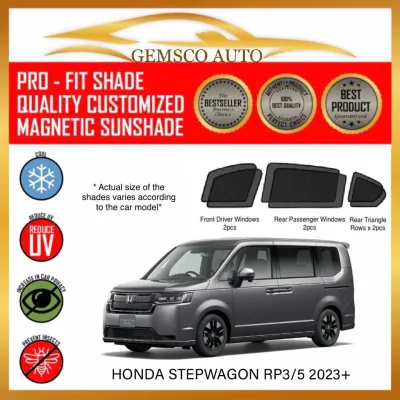
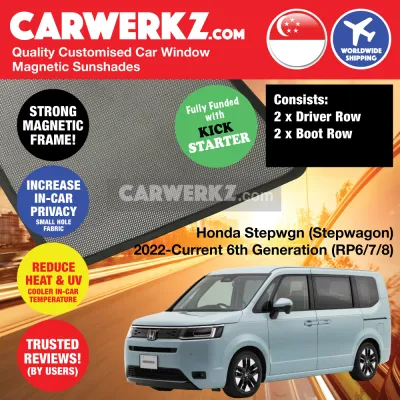
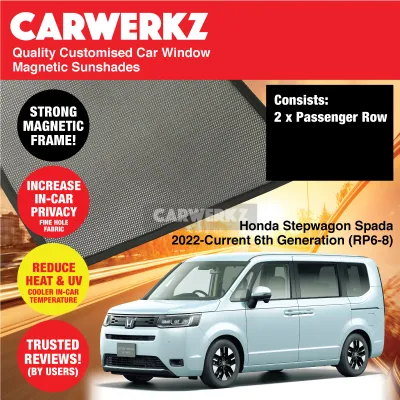
Prices are valid at publication and may change. Please refer to the product page for the latest price.
Another critical factor is the steep rake angle of the Stepwagon’s windshield. The glass slopes down at a sharp angle to meet the short hood, creating a deep, expansive dashboard area. This deep recess means that a sun shade must slide far forward to cover the base of the glass completely. If a shade lacks structural rigidity, the steep angle can cause it to sag in the middle, creating large gaps where sunlight can pour through. Furthermore, the sheer distance from the driver’s seat to the base of the windshield makes deploying and retrieving a flimsy shade physically awkward.
Dashboard clearance and modern safety technology also complicate sun shade selection. The Stepwagon features a high-mounted digital instrument cluster, a prominent central infotainment screen, and the Honda SENSING safety suite. The camera and sensor housing for these driver-assist systems are located directly behind the rearview mirror. A poorly designed or overly aggressive sun shade can press hard against this housing, potentially misaligning the cameras or damaging the delicate plastic casing. Additionally, a shade that is too bulky can scrape against the infotainment screen or the steering wheel during installation, leading to unsightly scratches over time.
Key Features to Evaluate in a Sun Shade
When shopping for a sun shade, it is easy to be swayed by marketing claims of absolute heat rejection. To make an informed decision, you should evaluate the physical construction and material specifications of the product. High-quality shades typically utilize a multi-layered design. The outermost layer should feature a highly reflective material, such as a premium aluminum foil or a specialized silver-coated polyester. Rather than assuming all silver surfaces perform equally, check the manufacturer’s product specifications for UV-blocking ratings, such as a certified UPF 50+ designation, which indicates excellent protection against ultraviolet radiation.

Beneath the reflective outer layer, look for an effective insulating core. The most reliable shades incorporate a double-bubble or honeycomb polyethylene layer. This structure traps tiny pockets of air, creating a thermal barrier that slows down the conduction of heat from the hot outer surface of the shade to the cooler air inside the cabin. Without this insulating layer, a single-sheet reflective shade will simply heat up and radiate that warmth directly into your dashboard, rendering the reflective surface far less effective.
Frame rigidity and edge construction are equally vital for long-term durability. The perimeter of the sun shade should be finished with a high-quality, double-stitched fabric binding. This prevents the edges from fraying or flaking under the constant stress of Singapore’s high humidity and intense heat. For shades that rely on a spring-steel frame, the wire must be strong enough to hold the shade taut against the windshield pillars without bending or collapsing, yet flexible enough to fold down easily for storage.
Finally, pay close attention to the backing material that faces your cabin. The inner side of the shade should be soft and non-abrasive. Materials like soft felt or non-woven fabric are ideal, as they will not scratch the delicate leather-wrapped steering wheel, the soft-touch dashboard plastics, or the screen of your infotainment system during daily deployment and removal.
Types of Sun Shades and Their Practical Trade-offs
Foldable Accordion Shades
Foldable accordion-style shades are a traditional and highly durable option. Typically constructed from thick, double-sided bubble foil, these shades fold along pre-creased lines and are secured with a strap when not in use. Their primary advantage is structural rigidity; they stand up well against the steep rake of the Stepwagon’s windshield and rarely sag. However, because they fold into flat, wide panels, they can be cumbersome to store in the cabin. In a Stepwagon filled with passengers, finding a convenient spot to tuck away a long accordion shade can be a challenge.
Roll-Up Shades
Roll-up shades are made of flexible reflective materials that roll into a tight cylinder. They are incredibly quick to deploy and roll up easily, often secured with a simple hook-and-loop strap. The trade-off lies in how they are secured to the glass. Many roll-up models rely on suction cups or the vehicle’s sun visors to stay in place. In Singapore’s extreme heat, suction cups frequently lose their suction and fall off the glass, while the constant heat can cause the flexible material to curl at the edges over time, leading to light leaks.
Custom-Fit Rigid Shades
Custom-fit rigid shades are laser-measured and tailored specifically to the exact model year and generation of your Honda Stepwagon. These shades offer the most comprehensive coverage, fitting snugly into every corner of the windshield frame and contouring perfectly around the Honda SENSING sensor housing. Because they fit so precisely, they eliminate almost all light leaks, providing superior thermal protection. The main drawback is their premium price point and storage size. They are often bulky even when folded, requiring dedicated space in the door pockets or behind the front seats.
Umbrella-Style Shades
Umbrella-style shades have gained popularity for their rapid deployment. They open exactly like a standard rain umbrella, using a series of ribs to stretch a reflective fabric across the windshield. While they fold down into a highly compact pouch that easily fits into the glovebox or door pocket, they present risks for the Stepwagon. The central metal shaft and handle can press directly against the prominent infotainment screen or dashboard controls. If you choose this style, you must verify that the handle is flexible, bendable, or padded to prevent physical damage to your interior electronics.
How to Measure and Verify the Fit
Because the Honda Stepwagon has gone through multiple generations—such as the fifth-generation RP1-RP5 series and the sixth-generation RP6-RP8 series—windshield dimensions vary. Relying on generic labels like “Universal MPV” or “Large SUV” is highly risky, as these shades are often designed for wider, shorter windshields rather than the tall, upright glass of the Stepwagon. To ensure a perfect fit, you should take physical measurements of your specific vehicle’s windshield from the inside.
To measure your windshield accurately, grab a flexible measuring tape and sit in the front seat. Measure the maximum width along the bottom of the glass, near the dashboard cowl, from the left A-pillar to the right A-pillar. Next, measure the width along the top edge of the glass, near the roofline, as windshields taper significantly toward the top. Finally, measure the vertical height from the base of the glass where it meets the dashboard to the very top edge near the headliner. Keep these three dimensions handy when shopping.
Next, evaluate the area around your rearview mirror. Measure the width and depth of the plastic housing that contains the Honda SENSING camera system. A compatible sun shade must feature a deep, flexible V-shaped or U-shaped cutout at the top center. This cutout allows the shade to slide behind the rearview mirror and fit snugly around the sensor housing without putting physical pressure on the cameras. Many high-quality custom shades include a hook-and-loop strap at this cutout to secure the shade around the mirror post, ensuring it stays upright and does not sag.
Once you have your measurements, cross-reference them directly with the detailed sizing charts provided by sun shade manufacturers. If a product listing only offers generic sizing (such as Medium or Large) without providing exact centimeter or inch measurements, it is best to look elsewhere. A shade that is even five centimeters too short will leave a significant gap, allowing intense sunlight to heat up your dashboard and raise cabin temperatures.
Building Your Shortlist: A Buyer's Checklist
Before finalizing your purchase from an online marketplace or a local automotive accessory shop in Singapore, use this checklist to verify that the sun shade meets all practical and safety requirements:
- Verify Physical Dimensions: Ensure the product's listed width and height match your physical measurements within a tolerance of one to two centimeters.
- Confirm Sensor Compatibility: Check that the shade has a dedicated cutout for the rearview mirror and ADAS sensor housing to avoid damaging the Honda SENSING system.
- Review the Return Policy: Only purchase from retailers that offer a clear return or exchange policy, allowing you to test the physical fit in your Stepwagon and return it if it sags or leaves gaps.
- Check User Feedback: Search online reviews specifically for keywords like "Stepwagon," "RP3," or "RP8" to see if other local owners have successfully used the shade and confirmed its fitment.
- Inspect Material Composition: Ensure the backing material is soft and non-abrasive to protect your dashboard, steering wheel, and infotainment screen from scratches.
- Assess Storage Requirements: Confirm that the folded or rolled dimensions of the shade fit comfortably within your Stepwagon's door pockets, glovebox, or seatback pockets when passengers are on board.
Frequently Asked Questions (FAQ)
Will a sun shade interfere with my Stepwagon's dashboard sensors?
A properly designed sun shade will not interfere with your Honda Stepwagon’s dashboard sensors, provided it features a dedicated cutout for the rearview mirror area. The Honda SENSING camera and rain sensors are housed in a plastic console mounted directly to the windshield glass. When installing a sun shade, you must ensure that the shade slides gently around this housing rather than pressing against it. Never force a stiff, uncut shade over the sensor housing, as excessive pressure can misalign the safety cameras or damage the mounting brackets. Always consult your vehicle’s owner’s manual for specific guidelines regarding windshield obstructions and sensor care.
How should I clean and store a large sun shade to prevent material degradation?
To extend the lifespan of your sun shade and maintain its reflective properties, regular maintenance is essential. Dust and fingerprints can accumulate on the reflective surface, reducing its efficiency over time. Wipe down the reflective outer layer periodically using a clean, damp microfiber cloth. Avoid using harsh chemical cleaners, glass cleaners, or solvents, as these can strip away the specialized reflective coatings or damage the insulating layers. When storing the shade, always fold or roll it along its original manufactured seams. Forcing a shade into non-standard folds can permanently crease the internal wire frame or crack the insulating bubble layers, leading to structural failure.
Are tinted windows enough, or do I still need a physical sun shade?
While high-quality window tints are highly beneficial, they are generally not enough on their own to combat Singapore’s intense heat, making a physical sun shade a necessary addition. Window tints are designed to reject ultraviolet (UV) rays and a portion of infrared (IR) radiation while the vehicle is in motion. However, when a car is parked stationary under direct sunlight for hours, heat gradually transfers through the glass via conduction. A physical sun shade creates an immediate physical barrier and an insulating air gap right against the glass, reflecting the solar energy back out before it can reach and heat up the massive surface area of your Stepwagon’s dashboard. Additionally, remember to ensure that any installed window tints comply fully with the Land Transport Authority (LTA) regulations regarding light transmittance and reflectivity limits.

Community discussion
Share your experience or ask a question. Comments are reviewed before publication.