
To protect your Maxus MIFA 7 from Singapore’s intense tropical heat, finding a front windshield sun shade that fits perfectly is essential. The MIFA 7 features an expansive glass area and a distinct windshield curvature, meaning generic “one-size-fits-all” or standard “large MPV” shades often leave significant gaps. These gaps allow heat and ultraviolet rays to penetrate, reducing the effectiveness of the shade and exposing your dashboard and interior electronics to thermal stress. Selecting the right sun shade requires understanding your vehicle’s specific dimensions, comparing custom-fit options against universal foldable designs, and verifying material specifications.
By focusing on precise physical measurements and high-quality reflective materials, you can significantly reduce cabin heat buildup when parked under the sun. A well-chosen shade also protects the sensitive Advanced Driver Assistance Systems (ADAS) housing located behind the rearview mirror. This guide outlines the practical steps to measure your windshield, evaluate material technologies, and make an informed purchase that keeps your Maxus MIFA 7 cool and protected.
Understanding the Maxus MIFA 7 Windshield Dimensions and Fit Requirements
The Maxus MIFA 7 is a modern, fully electric multi-purpose vehicle (MPV) designed with a sleek, aerodynamic profile. This design translates to a steeply raked, expansive front windshield that covers a significantly larger surface area than standard passenger sedans or compact SUVs. Because of this unique geometry, relying on generic size categories like “Large” or “Extra Large” on retail packaging is highly risky. A shade that is too small will slip down or leave wide margins of exposed glass, while an oversized shade will bunch up, fail to stay secure, and potentially damage the interior trim.
Products mentioned in this guide
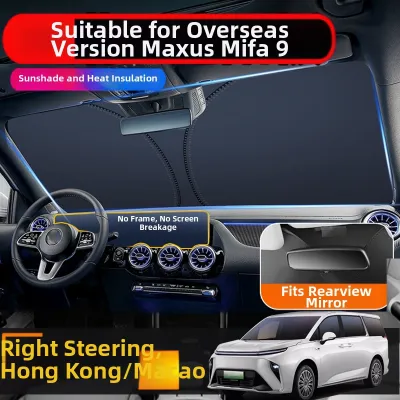
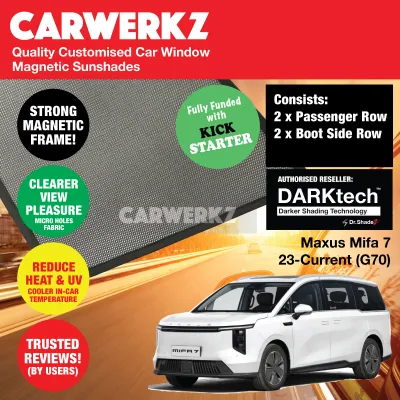
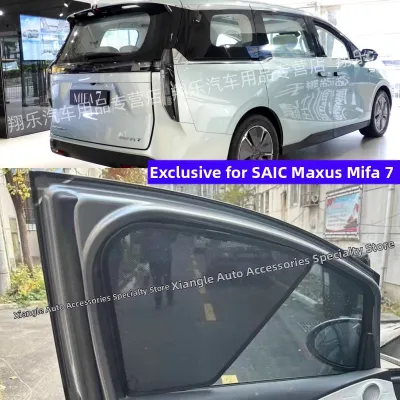
Prices are valid at publication and may change. Please refer to the product page for the latest price.
To ensure a precise fit, you must account for the specific curvature of the glass and the presence of the central rearview mirror assembly. The MIFA 7’s windshield curves gently toward the A-pillars, requiring a shade that can flex or is pre-molded to match this contour. Gaps along the edges not only let in direct sunlight but also create localized hot zones on your dashboard, which can affect the longevity of soft-touch plastics and leatherette finishes.
Before purchasing any accessory, the most reliable way to confirm dimensions is to consult your official Maxus MIFA 7 owner’s manual or contact an authorized dealer in Singapore. While some aftermarket manufacturers publish compatibility lists, verifying the physical dimensions yourself remains the safest approach. This proactive step prevents the inconvenience of purchasing an incompatible product that fails to stay in place or block the sun effectively.
Custom-Fit vs. Universal Foldable Sun Shades: Which is Better?
When shopping for a sun shade, you will primarily choose between custom-fit shades and universal foldable or accordion-style options. Custom-fit sun shades are engineered specifically for the Maxus MIFA 7’s exact windshield dimensions. These shades feature a rigid or semi-rigid core that matches the precise outline of the glass, including a dedicated cutout for the rearview mirror and sensor housing. The primary benefit of a custom-fit shade is edge-to-edge coverage, which eliminates light gaps and provides maximum thermal protection. However, because they are tailored and often use multi-layered insulating materials, they tend to be bulkier to store and carry a higher price tag.

Universal foldable or accordion-style sun shades offer a more flexible and budget-friendly alternative. These shades typically use wire frames or folding panels that allow you to adjust the overlap to fit various windshield sizes. While they are highly compact when folded and easy to tuck away in the door pockets or under the seats of your MIFA 7, they rarely provide a seamless fit. You may experience sagging in the middle or gaps at the corners, which compromises their overall heat-blocking efficiency.
Another option is the retractable roller sun shade, which mounts permanently to the side of the A-pillar or the top of the windshield. While convenient because they pull across quickly, these systems are often difficult to install on the MIFA 7 due to the complex dashboard contours and the potential to obstruct the driver’s field of vision when retracted. Additionally, permanent mounts may interfere with the vehicle’s interior trim or airbag deployment zones along the pillars, making them less desirable than removable options.
Key Material and Heat Rejection Features to Evaluate
The performance of a sun shade depends heavily on its material composition and how it manages solar radiation. High-quality shades utilize reflective outer layers, typically made of polished aluminum foil or specialized metallic films, to bounce incoming sunlight back through the glass. This reflective mechanism is highly effective at preventing solar energy from converting into heat inside the cabin. Beneath this reflective layer, quality shades incorporate insulating materials, such as closed-cell foam or honeycomb air pockets, which act as a thermal barrier to slow down heat transfer.
When evaluating product specifications, look closely at the manufacturer’s claims regarding ultraviolet (UV) protection and heat rejection. Reliable products often specify a Ultraviolet Protection Factor (UPF) rating or a UV blocking percentage on their labels. A high UPF rating indicates that the material blocks a significant portion of both UVA and UVB rays, which are responsible for fading interior upholstery and degrading dashboard materials over time. Avoid relying on vague marketing terms like “maximum heat block” without checking for concrete material descriptions, such as multi-layer construction or certified UV-resistant coatings.
In Singapore’s tropical climate, where parked vehicles are subjected to intense, prolonged sunlight, interior protection is crucial. The MIFA 7 features advanced digital displays and touchscreens on the dashboard that are sensitive to extreme temperatures. Using a high-performance sun shade helps maintain a lower ambient temperature inside the cabin, reducing the thermal load on these electronic components and allowing your air conditioning system to cool the vehicle down much faster once you start driving.
Step-by-Step Guide to Measuring and Verifying Compatibility
To avoid the hassle of returning an ill-fitting product, you should measure your Maxus MIFA 7’s windshield manually before shopping. For this task, you will need a flexible measuring tape, a notepad, and a pen. It is best to take these measurements in a shaded area or during the cooler parts of the day, such as early morning or late evening, to avoid glare and discomfort from the hot glass.
Start by measuring the width of the windshield at two distinct points: along the very top edge near the roofline, and along the bottom edge where the glass meets the dashboard. Because windshields are trapezoidal, these two measurements will differ significantly. Next, measure the vertical height from the center of the dashboard up to the top edge of the glass, running the tape measure parallel to the rearview mirror. Note the position and size of the rearview mirror mount, as any shade you buy must accommodate this structure.
Once you have these physical measurements, compare them directly against the dimensions listed on the product packaging or the manufacturer’s specification sheet. Look for a shade that matches your measured width and height within a small tolerance margin—ideally within one to two centimeters. A slight overlap is acceptable and often helpful for securing the shade behind the sun visors, but a shade that is too large will bend awkwardly and fail to stay flat against the glass.
Where to Buy and What to Check Before Purchasing
When searching for a sun shade for your Maxus MIFA 7, you can explore local automotive accessory shops, specialized car care retailers, and reputable online marketplaces. While online platforms offer a wide variety of options, it is crucial to exercise caution and verify the seller’s credentials. Look for listings that specifically mention compatibility with the Maxus MIFA 7 rather than generic “Maxus” models, as different vehicles in the manufacturer’s lineup have vastly different windshield shapes.
Before finalizing your purchase, carefully review the seller’s return and exchange policies. Because physical fit is the most critical factor for a sun shade, you want the assurance that you can return the product if it does not align properly with your windshield or if it interferes with the rearview mirror assembly. A flexible return policy is a strong indicator of a reputable seller who stands behind the fitment of their products.
Additionally, take the time to read customer reviews, focusing specifically on feedback from other MIFA 7 owners or drivers of similar large MPVs. Look for comments regarding the ease of installation, how well the shade stays in place over time, and whether the material degrades or flakes under intense heat. Real-world feedback from local drivers in Singapore is particularly valuable, as it provides insight into how the shade performs under consistent, high-temperature tropical conditions.
Frequently Asked Questions (FAQ)
Will a sun shade interfere with the MIFA 7's ADAS sensors or cameras?
The Maxus MIFA 7 is equipped with advanced driver assistance systems (ADAS) that rely on cameras and sensors mounted on the upper portion of the front windshield, typically housed behind or around the rearview mirror. When selecting and installing a sun shade, it is vital to ensure that the shade does not exert physical pressure on this sensor housing. A shade that presses too tightly against the housing could potentially misalign the cameras or damage the delicate mounting brackets.
To prevent this, look for sun shades that feature a deep, flexible cutout or a hook-and-loop strap designed to secure the shade around the rearview mirror stem. This design allows the shade to fit snugly against the glass without disturbing the sensor module. Always handle the shade carefully during installation and removal to avoid bumping the housing. Most importantly, remember that the sun shade is strictly for use when parked; you must remove it completely and ensure your forward vision is entirely unobstructed before starting the vehicle and driving.
How should I clean and store the sun shade to prevent interior damage?
Proper maintenance of your sun shade ensures its longevity and protects your MIFA 7’s interior from accidental damage. Over time, dust, moisture, and cabin oils can accumulate on the surface of the shade. To clean it, wipe both sides down with a soft, damp microfiber cloth. If necessary, use a mild, non-abrasive soap solution that is explicitly safe for reflective metallic films or fabric surfaces, as harsh chemical cleaners can degrade the reflective coating or cause the material to flake. Allow the shade to air dry completely in a shaded area before folding and storing it.
When storing the shade, always follow the manufacturer’s recommended folding or rolling instructions. Forcing a custom-fit shade into a tight space or folding it against its natural seams can cause permanent creases, which weaken the structural integrity and lead to sagging. Store the folded shade in its protective sleeve or pouch when not in use. This prevents any exposed wire frames or rough edges from scratching your leather seats, dashboard, or door panels as you move it in and out of storage.

Community discussion
Share your experience or ask a question. Comments are reviewed before publication.