
Finding the perfect sun shades for your Mazda 3 requires matching the exact generation and body style of your vehicle to ensure a seamless, edge-to-edge fit. Because the Mazda 3 features a highly contoured windshield rake and a distinct rearview mirror console housing advanced driver assistance systems (ADAS), universal, one-size-fits-all shades inevitably leave large gaps around the edges. These gaps allow intense solar radiation to penetrate the cabin, raising interior temperatures and exposing sensitive components to damage. In tropical climates like Singapore, where parked cars are subjected to relentless heat, a precise fit is essential to block out both ultraviolet (UV) and infrared (IR) rays effectively.
Universal sun shades often sag, slip, or fail to cover the lower corners of the windshield, leaving your dashboard vulnerable to heat buildup. Furthermore, a poorly fitting shade can press against your dashcam, rearview mirror, or forward-facing safety cameras, potentially misaligning them or causing physical damage to their mounts. Investing in a custom-fit solution ensures that the shade rests flush against the glass, supported securely by the sun visors without putting unnecessary pressure on your vehicle’s onboard electronics. This precise coverage is the most effective way to protect your Mazda 3’s soft-touch dashboard materials, leatherette steering wheel, and central infotainment screen from premature cracking, fading, and thermal degradation.
Identifying Your Mazda 3 Generation and Body Style
Before purchasing any interior accessories, you must identify the specific generation of your Mazda 3, as windshield dimensions and mirror housings changed significantly over the years. The third-generation Mazda 3 (BM/BN series, manufactured from 2014 to 2018) features a different windshield angle and a smaller sensor pod behind the rearview mirror compared to newer models. If you own a fourth-generation Mazda 3 (BP series, manufactured from 2019 to the present), you will notice a sleeker, more raked windshield and a much larger, more complex ADAS sensor housing that requires a wider, deeper cutout at the top of the sun shade.
Products mentioned in this guide
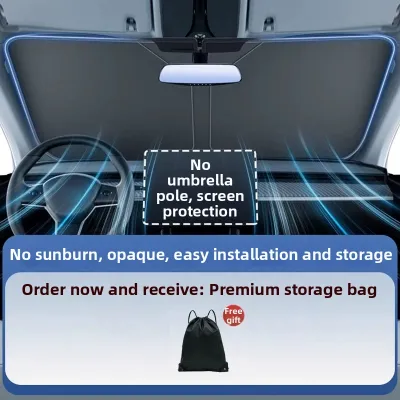
Prices are valid at publication and may change. Please refer to the product page for the latest price.
Body style is another critical factor that dictates the shape of your side and rear window shades. The Mazda 3 is available in both Sedan and Hatchback (often referred to as the Fastback) configurations, and their rear door frames are entirely different. The Hatchback features a highly swept, aggressive C-pillar with a sharply tapered rear passenger window and a small, triangular rear quarter glass. Conversely, the Sedan has a more traditional, rectangular rear window profile. Attempting to install side window shades designed for a Sedan onto a Hatchback will result in severe fitment issues, leaving either large gaps or preventing the shade from mounting at all.
To avoid ordering the wrong parts, always check your vehicle’s registration details, log card, or chassis code to confirm the exact manufacturing year and trim level. Some premium trim levels come equipped with additional sensors or a head-up display projector on the dashboard, which can slightly alter the clearance required for a windshield shade. Knowing these specifications beforehand allows you to filter out incompatible options and focus exclusively on shades tailored to your exact cabin layout.
Comparing Sun Shade Types for Windshield and Side Windows
When shopping for sun shades, you will encounter several distinct designs, each offering a different balance of heat rejection, convenience, and storage convenience. Custom-fit rigid or folding windshield shades are highly regarded for their structural integrity. Constructed with a stiff, multi-layered core, these shades do not sag or droop under intense heat, ensuring that the reflective surface remains pressed flat against the glass. While they offer the highest level of thermal protection and edge-to-edge coverage, they can be somewhat bulky to fold and store within the compact cabin of a Mazda 3.

Retractable roller shades offer a more convenient alternative for daily drivers who want a quick deployment system. These shades mount semi-permanently to the side or bottom of the windshield using suction cups or brackets, allowing you to pull them across the glass in a single motion. However, the mechanical housing of roller shades often prevents them from reaching the absolute edges of the windshield, leaving small gaps where sunlight can sneak through. Additionally, the mounting brackets must be positioned carefully to avoid interfering with the vehicle’s A-pillar airbags or dashboard sensors.
For the side windows, the most common options include static-cling films, magnetic mesh screens, and custom-fit friction panels. Static-cling films adhere directly to the glass using static electricity, allowing you to roll the windows down without removing the shade, though they generally offer lower heat rejection than thicker materials. Magnetic mesh screens feature custom-shaped wire frames with integrated magnets that cling securely to the metal door frame of your Mazda 3. These are highly popular because they allow you to roll down the window for ventilation while keeping bugs and direct sunlight out, though they must be removed if you want an unobstructed view. Friction-fit panels press directly into the window channel, providing excellent coverage but requiring manual removal before operating the power windows.
Choosing the right style depends on your daily routine and parking habits. If your Mazda 3 is parked outdoors for long periods under the sun, a rigid, custom-fit folding windshield shade combined with magnetic side shades will provide the maximum possible heat rejection. If you frequently park in shaded multi-storey car parks and prioritize quick departure times, a lighter, flexible twist-and-fold shade might offer the practical convenience you need without taking up valuable passenger space when stored.
Key Material and Design Features to Verify
To ensure your sun shade survives the demanding conditions of a tropical climate, you must evaluate the quality of its construction materials. A high-performance sun shade typically utilizes a multi-layered design featuring a highly reflective outer layer, such as aluminum foil or a specialized silver-coated polyester. This outer layer is designed to bounce solar radiation back through the windshield before it can enter the cabin. Beneath this reflective surface, look for an insulating core made of closed-cell foam or bubble-pack material, which acts as a thermal barrier to prevent heat from radiating inward.
The inner layer of the shade should feature a soft, dark, non-reflective fabric. This backing serves two purposes: it absorbs any stray light that passes through the outer layers, and it prevents blinding glare from reflecting into your eyes when you install or remove the shade. Additionally, check the quality of the edge binding. The perimeter of the shade should be wrapped in a soft, durable fabric tape, such as felt or double-stitched polyester. Rough, unfinished edges can easily scratch the delicate plastic trim of your Mazda 3’s A-pillars, scuff the dashboard, or peel the edges of aftermarket window tinting films over time.
Another critical design feature is the integration of precision cutouts or flexible fabric flaps around the rearview mirror area. Because the Mazda 3’s safety camera housing extends downward from the headliner, a standard straight-cut shade will not fit properly. Look for shades that feature a deep, contoured cutout or a hook-and-loop fastening strap that allows the shade to wrap securely around the mirror base. This design ensures a tight seal against light leaks while preventing the shade from putting physical pressure on the sensitive camera housing or misaligning your dashcam.
Finally, review the manufacturer’s specifications for opacity and UV-blocking ratings. High-quality shades should carry a certified Ultraviolet Protection Factor (UPF) rating, such as UPF 50+, which indicates that they block over 98% of harmful UV radiation. This level of protection is crucial not only for keeping the cabin cool but also for preventing the delicate liquid crystal display of your MZD Connect infotainment screen from overheating and developing permanent pixel damage.
Pre-Purchase Fitment and Compatibility Checklist
Before finalizing your purchase, it is wise to run through a practical verification process to ensure the shades will fit your Mazda 3 perfectly. First, cross-reference the product’s stated compatible model years and body styles with your vehicle’s official registration details. Do not rely on generic product titles that claim to fit “all Mazda models.” Look for explicit mentions of your specific generation (such as “Fits Mazda 3 BP Sedan 2019-2026”) to guarantee that the side window contours and windshield dimensions match your car’s exact specifications.
If you are purchasing from an aftermarket brand where custom-fit data is unclear, take a few minutes to measure your windows manually. Use a soft measuring tape to measure the maximum width and height of your windshield from the inside of the cabin, taking note of the distance from the dashboard to the bottom of the rearview mirror housing. Compare these measurements against the manufacturer’s product dimensions. For side windows, measure the inner metal frame of the door panel rather than just the glass, especially if you are planning to buy magnetic mesh shades that rely on metal contact to stay in place.
Additionally, spend some time reading buyer feedback and reviews specifically written by other Mazda 3 owners. Look for comments regarding how easily the shade slides behind the rearview mirror, whether it clears the dashcam mount, and if the side shades interfere with the door trim. If multiple reviews mention that the shade sags in the middle or leaves large gaps around the A-pillars, it is a clear sign that the product may not offer the precise fitment you require.
Lastly, always confirm the seller’s return and exchange policies before placing your order. Even with careful measurements, minor variations in trim levels or aftermarket modifications (such as larger dashcams or thicker window weather stripping) can occasionally cause fitment issues. A flexible return policy ensures that you can exchange the shades or secure a refund if the side window panels do not align perfectly with your door contours or if the magnetic mounts fail to hold securely.
Installation, Daily Usage, and Storage Best Practices
Proper handling of your custom-fit sun shades will prolong their lifespan and protect your Mazda 3’s interior from accidental damage. When installing a rigid folding windshield shade, gently slide the bottom edge into place along the base of the windshield first, taking care not to scrape the dashboard or the infotainment screen. Once the bottom is positioned, lift the top of the shade up against the glass, slide the cutout around the rearview mirror housing, and fold down your vehicle’s sun visors to hold the shade securely in place. Avoid forcing or jamming the shade into position, as this can bend the internal support structure and cause permanent sagging.
When folding the shade after use, always follow the manufacturer’s intended folding pattern. For accordion-style shades, fold them panel by panel along the pre-creased lines; for spring-wire tension shades, use the recommended twisting motion to collapse the frame into a circle. Attempting to force a spring-wire shade to fold incorrectly can snap or permanently warp the internal metal frame, ruining its custom-fit shape. Once folded, store the shade in its dedicated protective pouch or sleeve. This simple step keeps dust, dirt, and oils from accumulating on the reflective surface, preventing them from transferring onto your clean seats, dashboard, or windshield glass.
For side window shades, especially magnetic or friction-fit varieties, always verify that they are securely seated before operating your vehicle. Never attempt to roll down your side windows while friction-fit shades are installed, as the glass can drag the shade down into the door cavity, potentially straining the window regulator motor or damaging the rubber weather stripping. If you are using magnetic mesh shades, ensure that the magnets are aligned flat against the metal door frame and do not pinch the rubber seals, which could allow rainwater to seep into the cabin during a sudden downpour.
Frequently Asked Questions (FAQ)
Will a universal sun shade work if I trim it to size?
Trimming a universal sun shade to fit your Mazda 3 is highly discouraged. Cutting into a sun shade destroys its structural integrity, causing the internal insulating layers to separate and the outer reflective material to fray. Furthermore, raw, cut edges can easily scratch your windshield glass, scuff your dashboard, or leave unsightly fabric debris inside your cabin. It is also incredibly difficult to manually cut a clean, precise clearance path for the complex ADAS sensor housing behind the Mazda 3’s rearview mirror, which often results in light leaks and a highly unprofessional appearance.
Do side window shades affect the operation of power windows?
Whether side window shades affect your power windows depends entirely on their mounting design. Static-cling films and magnetic mesh shades that attach to the metal door frame generally do not interfere with window operation, allowing you to roll the glass down freely. However, friction-fit panels that wedge directly into the window channel must be removed before rolling the windows down. Operating your power windows with friction-fit shades in place can put severe strain on the window regulator motor, damage the rubber weather seals, or cause the shade to get trapped inside the door panel.
How do I clean custom-fit sun shades without damaging them?
To clean your custom-fit sun shades safely, wipe them down periodically using a soft microfiber cloth dampened with lukewarm water and a small amount of mild, pH-neutral soap. Avoid using harsh chemical cleaners, bleach, or abrasive scrubbing pads, as these can degrade the reflective silver coating and damage the protective edge binding. Never submerge rigid folding shades in water or place them in a washing machine, as this will ruin the internal cardboard or foam core. Always allow the shades to air dry completely in a shaded area before folding and storing them to prevent mold and mildew growth.

Community discussion
Share your experience or ask a question. Comments are reviewed before publication.