
In Singapore’s tropical climate, where parked car cabins can easily reach extreme temperatures under direct sunlight, gel cans and solid diffusers with adjustable lids generally last the longest. These formats allow you to physically restrict the exposed surface area, slowing down the rapid evaporation caused by extreme heat. In contrast, fully exposed options like hanging paper cards or liquid-based diffusers deplete much faster due to constant thermal stress and high humidity.
How Tropical Heat and Humidity Accelerate Fragrance Loss
High cabin temperatures directly increase the kinetic energy of fragrance molecules. This thermal energy forces liquid and gel mediums to transition into gas at an accelerated rate, causing the scent to deplete much faster than it would in cooler climates. When a vehicle is parked in the sun, this process intensifies, often exhausting a standard air freshener in a fraction of its rated lifespan.
High ambient humidity also plays a significant role in how we experience and maintain car fragrances. Moist air can alter scent dispersion, making heavy fragrances feel overwhelming while causing lighter notes to dissipate unnoticed. Furthermore, high humidity compromises the physical integrity of absorbent materials, which draw moisture from the air and lose their capacity to hold volatile oils.
Products mentioned in this guide
![[Bundle of 3] Ambi Pur Car Mini Clip Sky Breeze Car Air Freshener 2.2ml x 2](https://img.lazcdn.com/g/p/2c3e11c463c4bfb4c1cd7682db9a33c8.png_400x400q80.png_.webp)
![[NEW ARRIVAL] Bullsone Polar Anywhere Home Air Refreshener or Car Perfume 10PCS x 4ML](https://img.lazcdn.com/g/p/cc6bf1db683dd1f7ba0b9ead9f10a3a6.png_400x400q80.png_.webp)
Prices are valid at publication and may change. Please refer to the product page for the latest price.
Direct sunlight and ultraviolet (UV) exposure introduce another layer of degradation. UV radiation breaks down the chemical bonds of both synthetic and natural fragrance compounds, altering the original scent profile and sometimes producing an unpleasant, chemical odor. Additionally, prolonged exposure to sunlight degrades the plastic housings of air fresheners, making them brittle and prone to cracking.
Evaluating Air Freshener Formats for Tropical Longevity
To find a lasting solution, it is helpful to understand how different physical formats manage evaporation under thermal stress. Air fresheners generally fall into three categories: enclosed, semi-enclosed, and fully exposed. Enclosed and semi-enclosed formats offer the greatest control over scent release because they limit the surface area exposed to the cabin air.

The structural materials used in these formats also dictate their durability. High-quality plastics, glass, and aluminum containers withstand extreme temperature fluctuations much better than thin plastics or paperboard. When a vehicle transitions from a cool, air-conditioned drive to a hot, parked state, these robust materials prevent structural warping and leakage.
Gel Cans and Solid Diffusers
Gel cans and solid polymer diffusers are highly stable options for tropical climates. Because the fragrance is bound within a solid or semi-solid matrix, it cannot spill or evaporate as freely as a pure liquid. This physical structure inherently slows down the release of volatile compounds, even when cabin temperatures spike.
Many gel cans feature adjustable lids or sliding membrane seals that let you regulate the size of the opening. By keeping the vent partially closed, you restrict airflow across the gel surface, significantly extending the product’s lifespan. This adjustability is particularly useful during the hottest hours of the day when evaporation rates are at their peak.
However, gel formats are not entirely immune to extreme heat. When placed in direct sunlight on a dashboard, some lower-grade gels can liquefy, shrink rapidly, or dry out into a hard, scentless block within a few days. To prevent this, it is important to check the manufacturer’s packaging for temperature limits and physical state changes before deciding on a placement spot.
Vent Clips and Liquid Diffusers
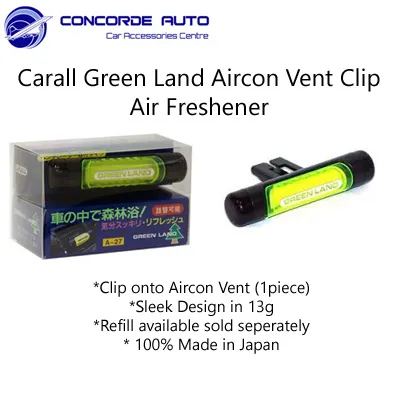
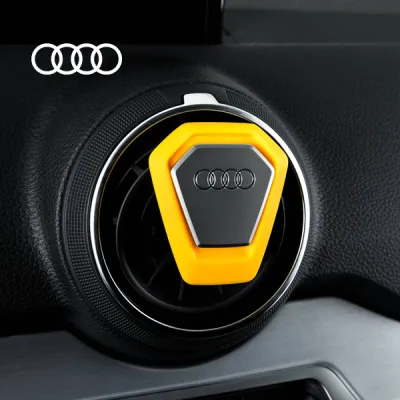
Vent clips and liquid diffusers rely on active airflow from your vehicle’s air conditioning system to distribute scent. When the AC is running, the cool air lowers the temperature around the clip, which temporarily stabilizes the evaporation rate. This makes vent clips highly efficient during active driving sessions.
The primary risk with liquid-based formats in hot climates is thermal expansion. When your car is parked in the sun, the liquid inside the reservoir expands, which can force the fluid out of its seals or wick. If this highly concentrated liquid leaks onto your dashboard, it can chemically react with and melt the surrounding plastics, causing permanent cosmetic damage.
To manage this risk and control depletion speed, utilize the adjustment dial found on most high-quality vent clips. Restricting the opening limits the exposure of the saturated wick to the cabin air when the vehicle is stationary. Additionally, choosing a secure mounting position ensures the clip remains upright, minimizing the chance of accidental spills.
Hanging Cards and Paper Formats
Hanging cards made of absorbent paperboard are popular due to their convenience, but they offer the shortest lifespan in tropical conditions. Because the entire surface of the card is fully exposed to the air, the volatile oils evaporate rapidly. In a hot cabin, the initial scent throw can be overwhelming, only to fade completely within a week.
High humidity further accelerates this decline by causing the paper fibers to swell and warp. As the cardboard absorbs moisture from the humid air, it displaces the remaining fragrance oils, forcing them to evaporate even faster. This structural degradation often leaves the card looking warped and physically worn.
You can extend the usability of paper formats by keeping them partially inside their protective plastic sleeves. Instead of removing the card entirely, cut a small opening in the plastic packaging as recommended by the manufacturer and gradually pull the card out over several weeks. Placing the card in a shaded area, such as under a seat or on a steering column, also helps shield it from direct heat.
Aerosol and Pump Sprays
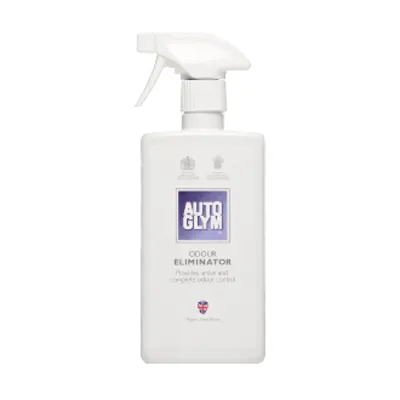
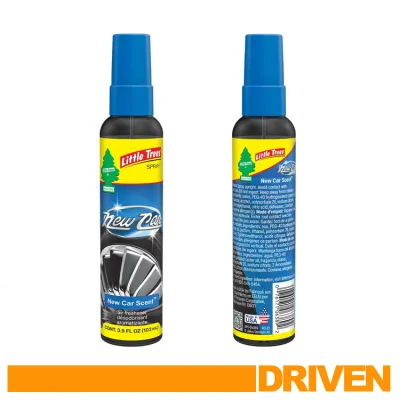
Aerosol and pump sprays serve as on-demand solutions rather than continuous fragrance sources. They are designed to neutralize immediate odors or provide a quick burst of freshness when you enter the vehicle. Because the fine mist disperses rapidly and is quickly drawn out by the air conditioning system, sprays do not offer long-term passive scenting.
Storing pressurized aerosol cans in a hot vehicle carries significant safety risks. High temperatures cause the gas inside the can to expand, increasing internal pressure and creating a risk of rupture or explosion. Manufacturers explicitly warn against storing pressurized containers in environments that exceed safe storage thresholds, a limit easily crossed in a parked car in Singapore.
If you prefer the immediacy of a spray, opt for non-pressurized pump sprays and store them in a shaded, cooler compartment like the glove box or side door pocket. These can be used safely as a supplementary measure alongside a continuous format, allowing you to boost the cabin’s freshness without relying on a single, rapidly depleting source.
Identifying Heat-Resistant Features on Product Labels
When shopping for automotive air fresheners on online marketplaces or in local auto shops, reading the product labels carefully can help you identify heat-resistant options. Look for explicit manufacturer claims such as “high-temperature stable,” “UV-resistant housing,” or “slow-release membrane technology.” These indicators suggest the product was engineered to withstand challenging environmental conditions.
The type of fragrance compound used also affects thermal stability. Synthetic fragrance oils are often chemically engineered to be more stable under heat and UV exposure than natural essential oils. While natural oils offer a more organic scent profile, they tend to oxidize and degrade rapidly when subjected to sustained high temperatures, resulting in a shorter lifespan and an altered scent.
Always verify the safety warnings and compatibility instructions printed on the packaging. Look for clear guidelines regarding dashboard placement, plastic compatibility, and flammability. Products that specify safe use across a wide temperature range or feature leak-proof membrane designs are generally better suited for the intense heat of a tropical climate.
Strategic Placement and Maintenance to Maximize Lifespan
Where you place your air freshener inside the vehicle is just as important as the format you choose. High-heat zones, such as the top of the dashboard, the rearview mirror, or the rear parcel shelf, receive the most direct sunlight and experience the highest temperatures. Placing any air freshener in these areas will drastically shorten its lifespan and increase the risk of material degradation.
Instead, utilize shaded areas of the cabin to keep the air freshener cool. Placing gel cans or solid diffusers under the front seats, inside the door pockets, or in the center console cup holders shields them from direct UV rays and lowers their exposure to peak heat. Using a high-quality windshield sunshade when parked also significantly reduces overall cabin temperatures, preserving both your air freshener and your interior plastics.
Establish a routine to check your air freshener weekly for signs of wear. Look for physical changes such as leaking liquid, cracked plastic housings, or rapidly shrinking gels. Promptly removing and replacing degraded products prevents chemical residues from bonding with your car’s interior surfaces, ensuring a safe and consistently fresh driving environment.
Frequently Asked Questions (FAQ)
Can I leave my car air freshener in the vehicle overnight in Singapore?
Yes, you can leave most solid and gel air fresheners in your vehicle overnight, but precautions are necessary for liquid and pressurized formats. Although ambient temperatures drop slightly after sunset, a closed vehicle retains residual heat for hours, and humidity remains high. To prevent slow overnight evaporation or potential safety hazards, ensure liquid diffusers are kept upright in shaded compartments, and avoid leaving pressurized aerosol cans in the vehicle entirely.
Do air conditioning settings affect how long a vent clip lasts?
Yes, your air conditioning settings directly impact the lifespan of a vent clip. High fan speeds and warm temperature settings increase the volume and temperature of the air passing over the clip’s wick, which accelerates the evaporation of the fragrance liquid. To maximize the product’s lifespan, keep your AC fan speed at a moderate level and use the vent clip’s built-in adjustment dial to restrict the scent release during your daily commutes.

Community discussion
Share your experience or ask a question. Comments are reviewed before publication.