
Finding the right sunshade for your BYD Sealion 7 requires moving past generic, one-size-fits-all options. Because this electric fastback SUV features a highly raked front windshield and a distinctively shaped glass profile, standard rectangular shades inevitably leave large gaps near the pillars and dashboard. These gaps allow intense tropical sunlight to penetrate the cabin, rapidly raising interior temperatures and exposing sensitive electronics to thermal stress. A true custom-fit sunshade is patterned specifically to the Sealion 7’s exact glass dimensions, ensuring edge-to-edge coverage that seals out heat and protects your dashboard from UV degradation. Selecting the ideal set involves evaluating the front windshield’s advanced driver assistance system (ADAS) sensor housing, choosing the right mounting mechanism for the side windows, and verifying material specifications to maximize heat rejection.
Understanding Custom-Fit Requirements for the BYD Sealion 7
The BYD Sealion 7 presents a unique challenge for interior climate control due to its aerodynamic, swept-back silhouette. This design results in an expansive front windshield that slopes at a sharp angle, creating a large surface area directly exposed to overhead sunlight. Universal sunshades, which typically rely on simple wire loops or generic rectangular frames, cannot conform to this specific geometry. They often sag in the middle, slide down the glass, or leave several centimeters of exposed space along the A-pillars and the lower cowl.
These gaps can significantly compromise your cabin’s thermal defense. When sunlight streams through uncovered edges, it creates localized hot spots on the dashboard, steering wheel, and front seats. Over time, this concentrated heat and ultraviolet radiation can cause the soft-touch materials and synthetic leather of your Sealion 7’s interior to fade or crack. A custom-fit pattern is laser-measured to match the exact perimeter of the glass, ensuring that every corner is sealed and that the shade remains securely in place without requiring constant adjustment.
Products mentioned in this guide
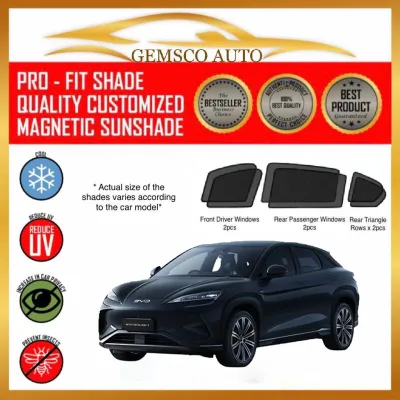
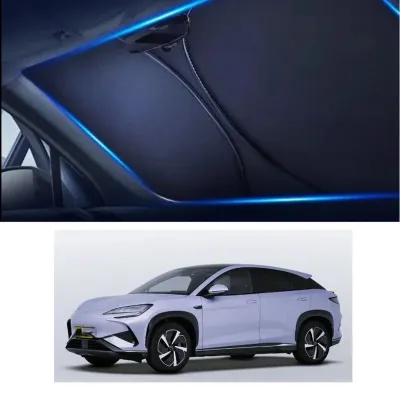
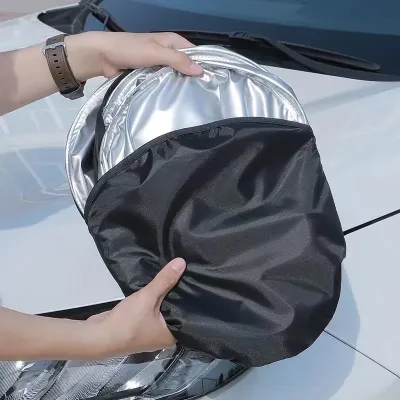
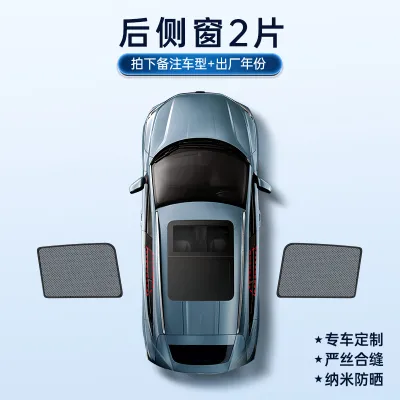
Prices are valid at publication and may change. Please refer to the product page for the latest price.
Furthermore, precise model-year verification is essential when shopping for custom accessories. Even within a single vehicle generation, manufacturers may introduce subtle mid-cycle updates to the windshield curvature or rearview mirror mounting points. Verifying that a sunshade is explicitly patterned for your specific model year of the BYD Sealion 7 prevents alignment issues and ensures that the shade sits flush against the glass without putting undue pressure on the surrounding headliner.
Front Windshield vs. Side Window Sunshade Selection
Deciding whether to purchase a standalone front windshield shade or a complete multi-piece set depends largely on your daily parking habits and passenger requirements. If your Sealion 7 is primarily parked in sheltered office basements or residential garages, a high-quality front windshield shade may be sufficient to manage the brief periods of exposure during midday errands. The front windshield is the primary entry point for solar energy, making it the most critical area to protect.

However, if you frequently park in open-air lots exposed to the full force of the tropical sun, a comprehensive custom set that includes side window shades offers far superior thermal protection. Side windows allow lateral sunlight to heat up the rear cabin, which can make the interior uncomfortable for passengers and force your vehicle’s air conditioning system to work harder, ultimately consuming more battery power. While a full set requires a higher initial investment, often ranging from S$60 to S$150 depending on the materials, the cumulative benefits in passenger comfort and cabin preservation make it a highly practical choice for long-term ownership.
Front Windshield Coverage and Sensor Clearance
When selecting a front windshield sunshade for the BYD Sealion 7, the most critical structural consideration is the clearance for the advanced driver assistance systems (ADAS) camera housing. Located directly behind the rearview mirror, this sensor cluster monitors the road ahead to support features like lane-keeping assist and autonomous emergency braking. A poorly designed sunshade that lacks a dedicated cutout can press against this housing, potentially misaligning the cameras or trapping excessive heat around sensitive electronic components.
A high-quality custom-fit shade features a precise, fabric-bound notch or a hook-and-loop strap system that wraps securely around the rearview mirror stem. This design allows the shade to sit completely flush against the glass without disturbing the sensor array. Additionally, the shade must possess sufficient structural rigidity to maintain its shape over hours of exposure to high temperatures. Soft, flimsy shades tend to sag under their own weight, creating a gap at the top of the windshield that lets in heat and can obstruct the driver’s forward view when preparing to depart.
To ensure a secure fit, the outer edges of the sunshade should rest gently against the A-pillars and the base of the dashboard. It is important to avoid designs that require excessive force to wedge into place, as repeated friction can scuff the delicate fabric of the headliner or scratch the plastic trim. The ideal shade utilizes the vehicle’s sun visors to gently pin the top edge against the ceiling, providing a stable, non-invasive mounting solution that remains secure even on windy days.
Side Window Fit and Privacy Considerations
Side window sunshades for the BYD Sealion 7 serve a dual purpose: blocking solar heat and enhancing cabin privacy. When evaluating options for the side doors, you will generally encounter three primary mounting designs: static-cling films, magnetic frames, and slip-on fabric sleeves. Static-cling options adhere directly to the glass using atmospheric pressure, offering a clean look but requiring careful installation to avoid air bubbles. Magnetic shades feature small, high-strength magnets sewn into the fabric border, which snap directly onto the metal window frame for rapid deployment and removal.
Before purchasing, it is vital to check how each design interacts with the operation of your windows. Magnetic shades that attach to the inner metal frame typically allow you to roll the glass down fully while keeping the shade in place, providing shade and insect protection simultaneously. Conversely, static-clings and certain slip-on designs that wrap over the entire door frame may restrict window movement or create wind noise at highway speeds. Always verify the manufacturer’s instructions regarding window operation to prevent damage to the window regulator motors.
Material opacity is another key factor to consider, especially for the rear passenger windows. If you frequently carry children or rear passengers, look for shades with a specified UV protection factor (UPF) and a balanced tint level. The material should block a high percentage of harmful UV rays and harsh glare while still allowing sufficient outward visibility for safety and passenger comfort. Avoid excessively dark or completely opaque shades on the front side windows, as they can severely impair your view of the side mirrors, particularly during night driving or heavy rain.
Material and Design Choices for Maximum Heat Rejection
The thermal performance of a sunshade is directly determined by its material composition and structural design. Reflective foil shades are a popular choice; they utilize a shiny, metallic outer layer to bounce solar radiation back through the windshield before it can enter the cabin. These are often paired with a bubble-wrap or foam core that acts as a thermal barrier. While highly effective at reflecting light, reflective foil can become extremely hot to the touch after hours in the sun, requiring careful handling during removal.
Multi-layer insulated fabric shades offer a more sophisticated alternative. These typically consist of three to five distinct layers, including an outer UV-resistant polyester layer, a non-conductive thermal core, and a soft inner felt or fabric lining that protects the dashboard from scratches. This multi-layer construction provides excellent heat insulation and structural stability, though it tends to be bulkier to store when folded. Another emerging option is the umbrella-style sunshade, which deploys using a collapsible rib structure. While highly convenient to open and close, you must ensure the central shaft and metal ribs are padded to prevent them from scratching the Sealion 7’s large infotainment screen or dashboard trim.
When comparing these designs, look for manufacturer-specified ratings such as UV blockage percentages (ideally 99% or higher) and thermal resistance metrics. Avoid relying solely on marketing buzzwords like “nano-ceramic” or “space-grade” without verifying the actual construction details. The choice of frame also impacts daily usability; high-tensile memory wire frames can be twisted into a compact circle for easy storage under the seats, whereas rigid folding panels require more storage space but often provide a flatter, more consistent fit against the windshield.
How to Verify Fitment Before Buying Online
Because the BYD Sealion 7 is a modern electric vehicle with specific interior contours, buying accessories online requires a methodical verification process to avoid the hassle of returns. Start by carefully cross-referencing the product listing’s compatibility table. Ensure the seller explicitly lists the “BYD Sealion 7” along with your specific model year. Be cautious of listings that group multiple vehicle models together under a single “one-size-fits-most” category, as these are rarely true custom fits.
Look for sellers that offer a verified fitment guarantee or a clear, hassle-free return policy. A reputable manufacturer will often provide detailed dimensions or photos of the shade installed in an actual Sealion 7 cabin. Pay close attention to the shape of the rearview mirror cutout in the product photos; it should match the wide, trapezoidal shape of the Sealion 7’s ADAS sensor housing rather than a simple narrow slit.
User reviews and uploaded customer photos are invaluable resources during this process. Search the review section specifically for keywords like “Sealion,” “BYD,” or “fit.” Customer-uploaded images will show you exactly how the shade aligns with the A-pillars, whether there are any noticeable light leaks around the edges, and how much the material sags over time. If you are purchasing from an e-commerce platform, use the direct messaging feature to ask the seller to confirm compatibility with your specific trim level, especially if your vehicle features upgraded interior packages that might alter the dashboard height or mirror configuration.
Installation, Storage, and Care Guidelines
Proper handling and maintenance of your custom-fit sunshades will extend their lifespan and protect your BYD Sealion 7’s interior from accidental damage. When installing a wire-frame shade, gently unfold it inside the cabin, allowing the spring steel to expand slowly. Avoid letting the frame snap open rapidly, as the sudden tension can strike the windshield glass, the rearview mirror, or the central touchscreen display. Position the bottom edge deep against the base of the windshield first, then lift the top edge into place and lower the sun visors to secure it.
When it is time to drive, fold the shade according to the manufacturer’s instructions. For memory wire designs, this usually involves a twisting motion that collapses the shade into a series of overlapping circles. Never force a rigid panel shade to bend against its natural seams, as this can permanently crease the thermal core and degrade its insulating properties. Store the folded shade in its designated protective sleeve to prevent the reflective coating from scratching or collecting dust. Safe storage locations include the trunk, the frunk (front trunk), or the pockets behind the front seats; avoid leaving loose shades on the dashboard or rear parcel shelf where they could slide around and obstruct your view or become projectiles during sudden braking.
To clean your sunshades, refer to the care label provided by the manufacturer. Most reflective and fabric shades can be maintained by wiping them down with a damp microfiber cloth and a mild, pH-neutral soap solution. Avoid using harsh chemical cleaners, bleach, or abrasive scrubbers, which can strip away the reflective UV coatings or damage the fabric binding. Allow the shade to air dry completely in a shaded area before folding and storing it, as trapping moisture inside the storage sleeve can lead to mold growth and unpleasant odors inside your vehicle’s cabin.
Frequently Asked Questions (FAQ)
Can I use a universal sunshade if a custom-fit one is unavailable?
While a universal sunshade can serve as a temporary stopgap, it is not recommended for long-term use in the BYD Sealion 7. Universal shades rarely match the steep angle and wide base of the Sealion 7’s windshield, resulting in significant gaps that allow heat and UV rays to bypass the barrier. Furthermore, the lack of a precise cutout for the ADAS camera housing can cause the shade to press against the rearview mirror assembly, potentially misaligning the safety sensors or trapping heat around the vehicle’s forward-facing cameras.
Will a front windshield sunshade trigger the vehicle's anti-theft alarm?
Some modern vehicles, including certain trims of the BYD Sealion 7, may be equipped with interior motion or ultrasonic sensors as part of their security systems. If a sunshade is poorly secured and sags or falls down while the vehicle is locked, the sudden movement can trigger the anti-theft alarm. To prevent false alarms, ensure your custom-fit shade is securely pinned by the sun visors and fits snugly against the pillars so that it cannot slip or shift due to cabin temperature changes or passing traffic vibrations.
Do I need to remove side window sunshades to roll down the windows?
Whether you need to remove the side shades depends entirely on their mounting design. Magnetic shades that attach to the metal door frame or slip-on mesh sleeves that cover the entire window frame generally allow you to roll the glass down fully, providing ventilation while maintaining shade. However, static-cling shades and shades that clip directly onto the glass itself must be removed before lowering the windows to prevent the shade from getting caught in the door cavity, which could damage the window regulator or tear the shade material.

Community discussion
Share your experience or ask a question. Comments are reviewed before publication.