
Quick Answer: Mesh vs. Leather and Fabric in Tropical Climates
When you step into a car parked under the intense Singapore sun, the immediate wave of heat can make your daily commute incredibly uncomfortable. If you are wondering whether breathable mesh seat cushions, such as those from Picauto, are effective in this tropical climate, the short answer is yes—but with important caveats. These cushions are highly efficient passive tools designed to facilitate airflow and reduce sweat accumulation, but they do not actively lower the cabin’s temperature like an air conditioning unit.
Compared to solid leather or dense fabric, a mesh cushion creates a physical boundary that allows air to circulate beneath your body. This circulation helps sweat evaporate more quickly, preventing that sticky, damp feeling during drives along the PIE or CTE. However, the ultimate effectiveness of any mesh cushion depends heavily on its specific weave density, the breathability of its backing material, and how well your vehicle’s air conditioning system is functioning.
How Breathable Mesh Structures Manage Heat and Moisture
To understand why a mesh cushion can improve your driving comfort, it helps to look at the physics of heat transfer. When you sit on a standard car seat, your body heat is trapped against the non-porous surface, creating a localized greenhouse effect. Breathable mesh structures combat this by utilizing an open-weave design that promotes convective heat transfer. Instead of trapping warm air, the open spaces in the mesh allow air to flow freely, carrying away body heat and allowing moisture to evaporate.
Products mentioned in this guide
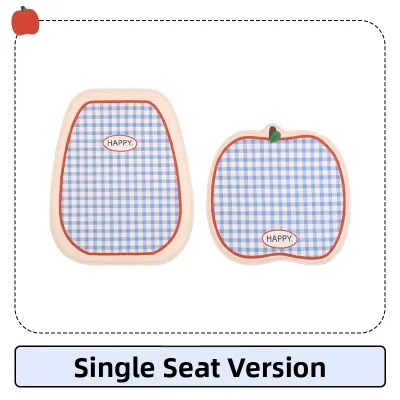
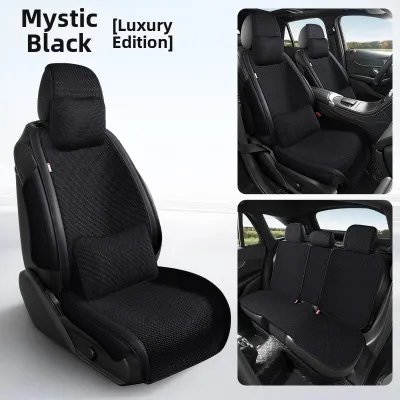
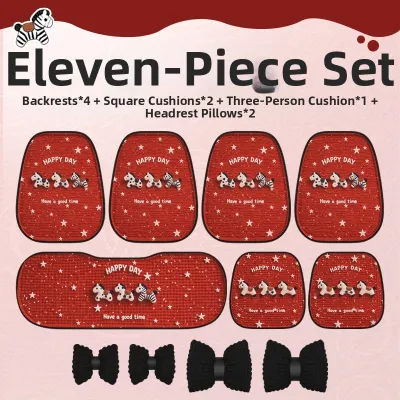
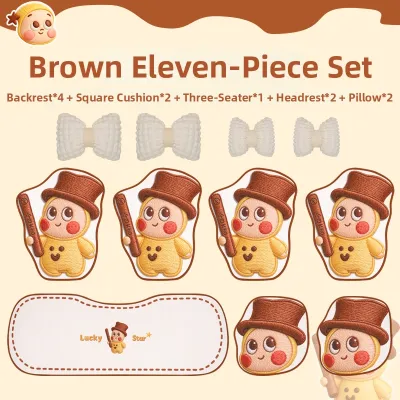
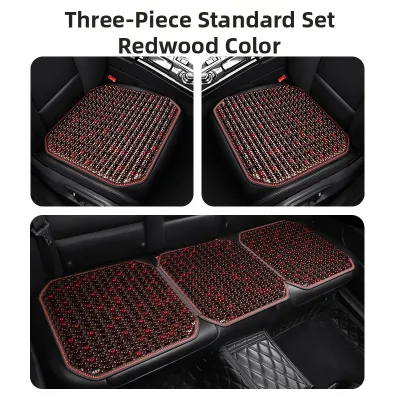
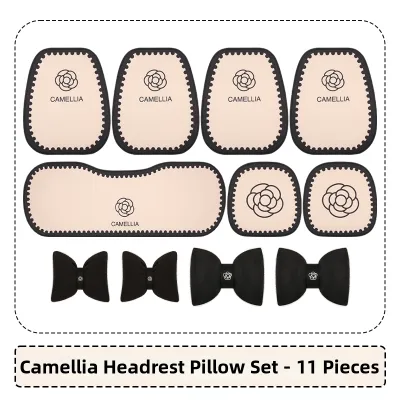
Prices are valid at publication and may change. Please refer to the product page for the latest price.

The core material inside the cushion plays a critical role in this process. High-quality mesh cushions often feature a 3D spacer fabric, a honeycomb gel structure, or hollow polymer fibers. These materials are engineered to support your weight without completely compressing. If a cushion compresses flat under your weight, the air pathways collapse, and the cooling effect is lost. Therefore, a resilient core that maintains its structural shape under pressure is essential for continuous airflow.
However, you must pay close attention to the backing material of the cushion. Some manufacturers use a solid rubber or PVC backing to prevent the cushion from sliding on the seat. Unfortunately, a solid, non-porous backing acts as a thermal barrier, trapping heat and moisture right at the base of the cushion. To get the full benefit of a 3D mesh construction, the bottom layer must also feature a breathable design, such as spaced silicone traction dots, which secure the cushion without blocking air passage.
Comparing Picauto Mesh Cushions with Leather and Fabric Alternatives
Choosing the right seat accessory requires a clear understanding of how different materials behave in Singapore’s year-round high humidity and heat. To make an informed decision, you should evaluate options based on four primary criteria: heat retention, moisture management, durability, and ease of cleaning. While individual product lines like Picauto offer specific designs, material performance ultimately varies based on manufacturing treatments and structural layers.
Breathable Mesh Designs
Breathable mesh cushions are specifically engineered to address the challenges of driving in humid environments. The primary advantage of these designs is their ability to dry rapidly and minimize sweat accumulation, making them highly suitable for short, frequent trips where you are constantly getting in and out of the car. By keeping your clothes dry, they help maintain a professional appearance when arriving at your destination.
There are, however, some trade-offs to consider before purchasing. Because mesh designs prioritize airflow, they often provide less plush, deep-sink padding than thick memory foam cushions. Additionally, the open-weave structure can act as a trap for fine dust, lint, and food crumbs. Over time, these particles can accumulate within the mesh pores, requiring regular maintenance to keep the cushion clean and hygienic.
Leather and Synthetic Leather
Leather and synthetic leather seats are standard in many modern vehicles, valued for their premium look and ease of wiping down. However, leather has a high thermal mass, meaning it absorbs and retains a significant amount of heat when your car is parked outdoors in open-air carparks. Upon entering the vehicle, the initial contact with the hot leather surface can be highly uncomfortable.
While perforated leather seats offer slightly better breathability, untreated or solid synthetic leather completely restricts airflow. This lack of ventilation leads to rapid sweat buildup along your back and thighs during commutes. While leather is exceptionally durable and easy to clean, its thermal properties make it a challenging material for tropical climates without active seat ventilation.
Standard Fabric Options
Standard woven fabric seat covers are often perceived as a budget-friendly alternative that feels cooler to the touch initially than leather. Fabric does not absorb solar radiation as intensely, meaning you will not experience the same scorching contact heat when first sitting down. This initial comfort makes fabric appealing for daily drivers.
The major drawback of standard fabric in a humid climate is its tendency to absorb and hold moisture. Sweat from your body is drawn into the fabric fibers, where it can linger. Over time, this trapped moisture leads to deep-seated dampness, bacterial growth, and persistent musty odors that are difficult to eliminate. Furthermore, if your vehicle is equipped with built-in ventilated seats, installing a thick fabric cover can severely restrict the airflow, neutralizing a premium feature of your car.
Key Specifications to Check Before Buying a Mesh Seat Cushion
Because independent performance tests for specific brands are rarely available, you must rely on verifiable product specifications, labels, and physical characteristics before making a purchase. Whether you are investing S$30 or S$80 in a premium cushion, verifying these details ensures you get the best value. When evaluating a mesh cushion, such as a Picauto model, keep the following checklist in mind to ensure you select a product that delivers genuine comfort and safety.
First, examine the material composition listed on the product tag or packaging. Look for high-rebound polymers, 3D spacer fabrics, or integrated cooling gel layers rather than generic polyester mesh. These advanced materials are more resilient and less likely to flatten permanently over weeks of daily use. A high-quality polymer core will maintain the open air channels necessary for ventilation even during long drives.
Second, inspect the backing and base of the cushion. Turn the cushion over and verify that the non-slip mechanism does not consist of a solid sheet of rubber or PVC. Instead, look for breathable backing designs, such as widely spaced silicone dots or a secondary mesh layer. This ensures that air can escape through the bottom and sides of the cushion, preventing heat from becoming trapped against your car’s original upholstery.
Third, balance thickness with ergonomics. While a thicker cushion might seem to offer more support, overly thick designs can compress unevenly and block the mesh pores, reducing airflow. Furthermore, a thick cushion will raise your seating position. You must verify that this change in height does not compromise your driving posture, obstruct your view of the road, or interfere with your ability to safely operate the foot pedals. Always check the product dimensions against your vehicle’s seat measurements before buying.
Fourth, evaluate the fastening mechanisms. Secure straps, elastic bands, or hooks are necessary to keep the cushion from sliding as you enter and exit the vehicle. However, you must carefully inspect how these fasteners attach to your seat. Ensure they do not rub against delicate leather surfaces, which can cause permanent scuffing. Most importantly, verify that the straps do not interfere with under-seat electrical wiring, seat adjustment tracks, or occupant sensors.
Maintenance and Care for Mesh Cushions in Humid Conditions
To prevent mold, mildew, and unpleasant odors from developing in Singapore’s humid environment, you must establish a regular cleaning routine. Because mesh cushions are designed to absorb and dissipate moisture, they inevitably collect sweat salts, body oils, and environmental dust over time. Proper maintenance will extend the lifespan of the cushion and keep your car’s interior smelling fresh.
Begin by vacuuming the cushion at least once a week. Use a vacuum cleaner equipped with a soft brush attachment to gently draw out dust, lint, and crumbs that have settled into the open-weave pores. This simple step prevents debris from grinding into the fibers, which can cause premature wear and restrict airflow.
When spot cleaning is required, always use mild, non-bleach detergents that are explicitly authorized on the product label for upholstery use. Dampen a clean microfiber cloth with the diluted solution and gently wipe the affected areas. Never use harsh household chemicals, high-pressure washers, or bleach, as these can rapidly degrade the elastic fibers and structural integrity of the mesh. If the cushion features a removable cover, check the care label to see if it is machine washable on a gentle cycle.
After cleaning, complete air drying is absolutely essential before you reinstall the cushion in your vehicle. Damp fibers trapped in a warm, closed car cabin will quickly become a breeding ground for mildew and musty odors. Place the cushion in a shaded, well-ventilated area to dry completely. Avoid exposing the cushion to direct, intense sunlight or using high-heat hair dryers, as extreme heat can warp the polymer core and melt non-slip backing materials.
Frequently Asked Questions (FAQ)
Will a mesh cushion damage my car's original leather seats?
There is a risk of cosmetic damage if the cushion is not designed or installed correctly. Abrasive backing materials, rough seams, or hard plastic adjustment clips can rub against your car’s original leather upholstery as you shift your weight while driving. Over time, this friction can wear away the leather’s protective topcoat, leading to scuffs or discoloration. To prevent this, inspect the underside of the cushion before installation. Ensure the backing is soft and non-abrasive, and consider placing a thin, manufacturer-approved protective barrier or soft cloth underneath if you notice any rough spots.
Do mesh seat covers work with side airbags?
This is a critical safety boundary that you must verify before installing any aftermarket seat accessory. Many modern vehicles feature side-impact airbags integrated directly into the outer bolsters of the front seats. If you install a seat cover or cushion with straps that wrap tightly around the sides of the seat back, you could delay or completely block the deployment of these airbags in an accident. Always consult your vehicle’s owner manual to locate the airbag deployment zones. Before purchasing, verify that the cushion manufacturer explicitly certifies the product as airbag-compatible, and ensure that all straps are installed exactly according to the instructions without obstructing the seat bolsters.
How do I clean a mesh cushion if it absorbs sweat?
To remove sweat salts and body oils, remove the cushion from your vehicle and wipe it down with a damp microfiber cloth dipped in a mild, label-authorized upholstery cleaner. If the cushion has a removable outer cover, unzip it and wash it according to the manufacturer’s instructions. If the inner core consists of memory foam, avoid soaking it in water, as standard memory foam absorbs moisture like a sponge and is extremely difficult to dry, which can lead to internal mold growth. Always allow all components to dry completely in a shaded, breezy location before reassembling and placing them back on your car seat.

Community discussion
Share your experience or ask a question. Comments are reviewed before publication.