
When parking your vehicle under the intense sun, choosing the right front windshield sunshade is critical for keeping cabin temperatures manageable and protecting your interior from UV damage. The core performance of a sunshade—specifically its heat rejection capability—depends primarily on the quality of its reflective or absorbing materials rather than how it attaches to the glass. However, the attachment method dictates how closely the shade fits against your windshield, which directly affects light leakage, ease of daily use, and long-term durability.
For a quick decision, electrostatic sunshades are ideal if you want a seamless, flush fit that minimizes edge gaps on clean, relatively flat glass. On the other hand, suction cup sunshades are highly reliable for windshields with complex curves, steep rakes, or minor surface imperfections where static cling cannot hold. Understanding how these two mounting styles perform in daily operation will help you select the most effective option for your vehicle.
Heat Rejection and Windshield Coverage
To understand how these sunshades perform, it is helpful to look at how they interact with the glass surface. Electrostatic sunshades rely on static cling, utilizing a thin vinyl or PVC formulation that adheres directly to the windshield without adhesives. Because this material makes direct, continuous contact with the glass, it eliminates the air gap between the shade and the windshield. This flush fit is highly effective at preventing light bleed around the perimeter, ensuring that solar radiation is blocked before it can heat the air trapped inside the cabin.
Products mentioned in this guide
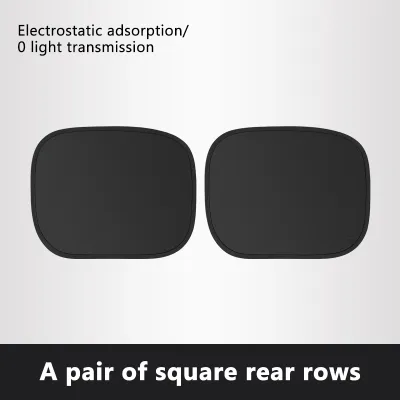
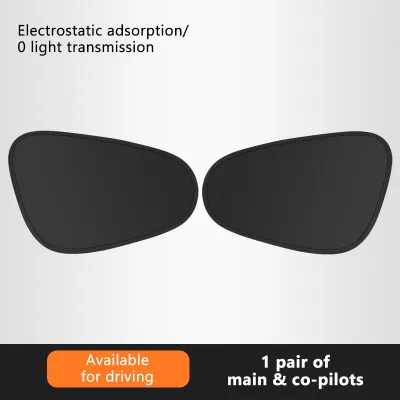
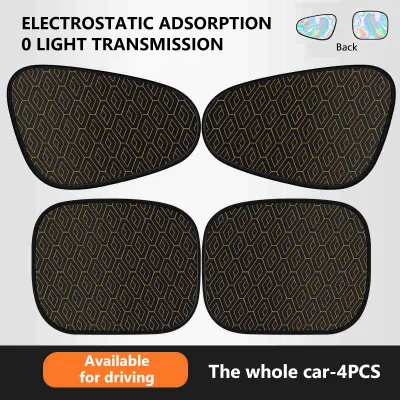
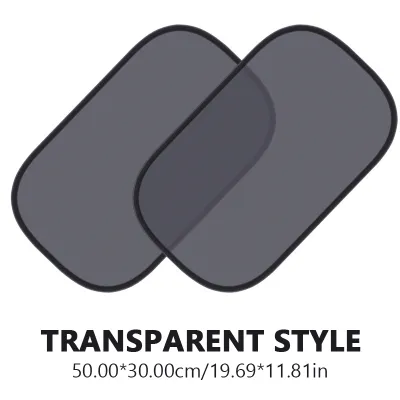
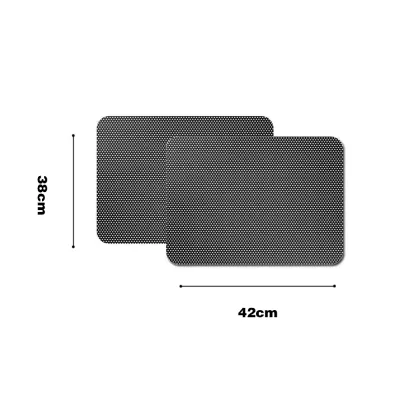
Prices are valid at publication and may change. Please refer to the product page for the latest price.
However, achieving this seamless coverage requires a pristine environment. Any dust, pollen, condensation, or oily residue on the glass will break the static bond, causing the edges of the shade to peel away and let in heat. If your front windshield frequently accumulates interior dust or film from the cabin’s plastics, maintaining the necessary clean surface for an electrostatic shade requires regular upkeep.
Suction cup sunshades take a different approach by using physical anchor points to suspend the shade. This design creates a small air gap between the reflective material and the glass. While this gap can trap a layer of warm air, suction cup shades are far more forgiving of windshield geometry. Modern front windshields feature complex, three-dimensional curves and steep angles designed for aerodynamics. Suction cups can easily span these curves, anchoring firmly even on glass that is not perfectly flat or clean.
When evaluating actual heat rejection, do not rely on the attachment method alone. Instead, verify the material specifications of the sunshade itself. Look for multi-layered construction, high-density reflective aluminum foil, or fabrics with a certified Ultraviolet Protection Factor (UPF) rating. A high-quality reflective material held by suction cups will outperform a thin, single-layer electrostatic film, even if the latter fits more flush against the glass.
Ease of Use and Daily Convenience
Daily convenience is a major factor for front windshield shades, which must be deployed and stored every time you park and drive. Installing a full-size electrostatic sunshade requires a deliberate touch. You must align the film carefully against the glass, smooth out air bubbles from the center outward, and ensure the edges are secure. While smaller electrostatic shades work well as semi-permanent fixtures on side windows, deploying a large one across the front windshield can be time-consuming during a quick parking stop.

Suction cup sunshades offer a much faster, more tactile installation process. You simply press the silicone or rubber cups against the glass to create a vacuum seal. Many models feature integrated pull tabs on the cups, allowing for rapid release when you are ready to drive. This quick-snap deployment makes suction cup models highly practical for drivers who make multiple short trips throughout the day.
Storage and folding mechanisms also differ significantly between the two types. Electrostatic shades are typically lightweight and fold flat or roll up easily because they lack bulky hardware. However, you must store them carefully to prevent the cling side from collecting dust, pet hair, or lint from the car floor, which would ruin their adhesive properties.
Suction cup shades can be bulkier to store, especially if the cups are permanently attached to the frame. Folding these shades can sometimes bend or deform the suction cups, making them less effective over time. If the cups are removable, they run the risk of getting lost in the cabin or slipping down into the defroster vents. When shopping on an online marketplace, look for designs that feature recessed cup mounts or high-flexibility silicone cups that resist deformation during storage.
Durability and Long-Term Maintenance
High cabin temperatures can severely test the durability of any interior accessory. When a car is parked in direct sunlight, interior glass temperatures can rise dramatically. This extreme heat is the primary enemy of suction cups. Over time, intense heat and UV exposure cause the plasticizers in rubber or low-grade PVC suction cups to leach out, leading to hardening, cracking, and a permanent loss of flexibility. Once a suction cup hardens, it can no longer conform to the glass to maintain a vacuum seal, causing the shade to fall repeatedly.
Fortunately, restoring degraded suction cups is relatively simple. Cleaning the cup rim with mild soap and soaking it in warm water (around 50°C to 60°C) for a few minutes can temporarily restore its flexibility and shape. For a more permanent solution, look for sunshades that utilize high-grade silicone suction cups, which offer superior thermal stability and UV resistance compared to standard rubber options.
Electrostatic films face different wear patterns under high heat. While they do not suffer from vacuum loss, prolonged exposure to extreme temperatures can cause the vinyl material to degrade, leading to edge curling or a reduction in the static charge. If the film is repeatedly peeled off and reapplied with dirty hands, skin oils and dust will contaminate the surface, eventually preventing it from clinging at all.
To maintain an electrostatic sunshade, you must wash the cling side periodically with clean water and a single drop of mild dish soap to remove oils. Allow it to air dry completely in a dust-free environment before reapplication. Before purchasing, always check the manufacturer’s care instructions and temperature limits to ensure the materials are rated for high-temperature automotive environments.
Decision Framework: Which Sunshade Should You Choose?
To make the right choice for your vehicle, evaluate your daily habits, windshield condition, and cabin layout using the following guidelines.
- Choose Electrostatic if…
- You want a clean, minimalist look without visible mounting hardware.
- Your windshield is relatively flat and free of heavy curves.
- You are willing to clean the interior glass thoroughly before the first installation and maintain it regularly.
- You want a shade that folds completely flat and is easy to slip into a seatback pocket.
- Choose Suction Cup if…
- Your vehicle has a highly curved or steeply raked front windshield.
- You want a quick, hassle-free installation and removal process for daily errands.
- Your windshield has minor surface imperfections, heating elements, or areas where static film cannot adhere.
- You prefer a heavy-duty, multi-layered reflective shade that requires physical anchors to support its weight.
- Verify First if…
- Your vehicle features Advanced Driver Assistance Systems (ADAS) with cameras or sensors mounted near the rearview mirror. Ensure the sunshade's cutouts accommodate these sensor housings without putting pressure on them or blocking their ventilation.
- You are unsure about the fit. Measure your windshield's height and width manually rather than relying solely on generic vehicle compatibility charts on ecommerce platforms, and check the retailer's return policy for interior accessories.
Frequently Asked Questions (FAQ)
Will an electrostatic sunshade damage my windshield tint?
While electrostatic cling is completely safe for bare glass, it requires caution if you have aftermarket window tint installed on your front windshield. The static film itself does not use chemical adhesives, but the physical bond and the heat generated between the two layers can sometimes cause bubbling or peeling on low-quality or freshly installed tint films. Always consult your tint installer’s guidelines before applying any static cling accessories. If you want to be safe, test the sunshade on a small, inconspicuous corner of the tinted glass for a few days to monitor for any changes in the tint’s adhesion before deploying it fully.
Why do my suction cups keep falling off in the heat?
Suction cups fall off in hot weather due to basic physics. When the cabin heats up, the air trapped inside the tiny pocket of the suction cup expands, increasing in pressure and pushing the cup away from the glass. At the same time, the extreme heat softens the rubber or silicone, making it more pliable and prone to letting air slip past the seal. To prevent this, ensure both the glass and the suction cup are thoroughly cleaned with an alcohol-based glass cleaner to remove invisible oily films. Applying a tiny drop of water or a thin layer of silicone lubricant to the rim of the cup before pressing it firmly onto the glass can also help create a more airtight, heat-resistant seal.

Community discussion
Share your experience or ask a question. Comments are reviewed before publication.