
Choosing between a dry lubricant and a wet lubricant for your motorcycle toolkit is a decision that directly impacts the longevity of your bike’s moving parts. The choice depends on your immediate riding environment, the specific component you are servicing, and whether you are packing for an emergency roadside fix or stocking a home garage.
A dry lubricant uses a liquid solvent carrier that evaporates shortly after application, leaving behind a solid, low-residue lubricating film such as polytetrafluoroethylene (PTFE), graphite, or ceramic particles. This dry film minimizes friction without leaving a sticky surface.
In contrast, a wet lubricant relies on a persistent oil-based or synthetic fluid barrier that remains wet to the touch long after application. This fluid barrier provides continuous dampening and high-load protection but remains tacky throughout its service life.
Products mentioned in this guide
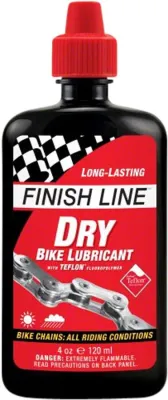
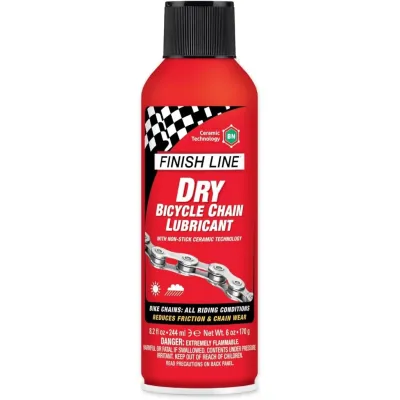
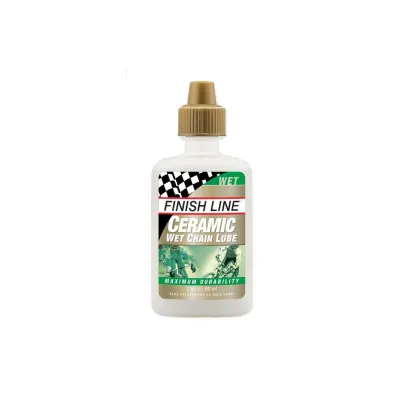
Prices are valid at publication and may change. Please refer to the product page for the latest price.
Viscosity and carrier solvents dictate how deeply these formulations penetrate and how well they adhere to surfaces. Dry lubricants are highly fluid upon initial application, allowing the solvent carrier to carry the lubricating particles deep into tight tolerances, such as cable sleeves or pivot points, before the carrier evaporates.
Wet lubricants maintain a higher viscosity, providing a durable, cushioning layer that resists being squeezed out under high-load conditions. However, because wet lubricants do not dry, they remain tacky, which can attract airborne contaminants. Always read the product labels carefully to verify the specific base chemistry, as brand naming conventions can vary widely and may not explicitly state whether a product is a true dry film or a light wet oil.
Comparing Performance Across Riding Conditions
Environmental factors play a massive role in how these formulations perform on the road. In dry, dusty, or sandy environments, a dry lubricant is highly advantageous. Because it leaves no sticky residue, dust and road grit cannot adhere to the lubricated surface. This prevents the formation of an abrasive grinding paste, which can rapidly wear down chains, sprockets, and exposed pivot points.
Conversely, in regions with high humidity, frequent tropical downpours, or coastal salt air—such as Singapore—wet lubricants offer robust protection. The persistent liquid barrier of a wet lubricant actively displaces water and seals metal surfaces against moisture, providing excellent rust and corrosion inhibition. A dry lubricant film can be washed away relatively quickly by heavy rain or road spray, requiring immediate reapplication to prevent oxidation.
Temperature variations also affect how these lubricants perform. High operating temperatures can cause wet lubricants to thin out, increasing the likelihood of “fling” off a spinning chain, while extreme cold can stiffen them, increasing drag. Dry lubricants are generally less sensitive to temperature fluctuations once cured, but their initial drying time can be significantly extended in cold or highly humid conditions. Always check the manufacturer’s temperature ratings on the product label to ensure compatibility with your riding climate.
Matching Lubricants to Specific Motorcycle Components
Selecting the right formulation requires matching the lubricant’s physical properties to the mechanical demands of each specific motorcycle part.

Chains, Cables, and High-Friction Parts
Drivetrain maintenance requires careful product selection. Before applying any lubricant to your motorcycle chain, you must verify the chain manufacturer’s specifications. Modern sealed chains (such as O-ring, X-ring, or Z-ring designs) rely on internal grease sealed behind rubber rings. Using a lubricant with incompatible solvent carriers can degrade, swell, or crack these rubber seals, leading to premature chain failure.
For control cables, the penetration needs of inner wire strands differ from the surface protection required for external chain links. Cable maintenance benefits from highly penetrative lubricants that can travel the entire length of the housing without gumming up.
While dry lubricants offer clean operation and reduce drag in cables, wet chain lubricants provide the heavy-load protection and cushioning necessary to withstand the extreme forces exerted on drive sprockets. The trade-off is clear: dry chain lubricants keep your rear wheel clean and resist dirt buildup but require more frequent application, whereas wet chain lubricants offer long-lasting protection under heavy loads but demand regular cleaning to manage sticky residue.
Switches, Locks, and Electrical Contacts
Precision components require a completely different lubrication strategy. Ignition locks, key cylinders, and mechanical handlebar switches feature intricate internal tolerances that are highly sensitive to debris. Dry lubricants are the preferred choice for these components. Because they dry completely, they ensure that keyways and switch mechanisms remain smooth without attracting pocket lint, dust, or grit that could cause internal jamming or binding.
Conversely, you must avoid using wet lubricants near electrical contacts, ignition switches, or electronic sensors. Wet fluids can migrate across circuit boards or contact plates, attracting conductive debris or trapping moisture, which can lead to short circuits, erratic sensor readings, or complete electrical failure. When servicing these areas, always check the product label to confirm its dielectric properties and verify its compatibility with plastics and rubber, as some solvents can melt or weaken sensitive polymer housings.
Building a Practical Motorcycle Maintenance Toolkit
Configuring your physical toolkit involves balancing utility against space and weight constraints. If you are assembling a minimalist, on-bike travel kit for roadside emergencies or multi-day tours, space is at a premium. A single, versatile dry lubricant or a highly specialized multi-purpose drip bottle is often preferred to avoid the mess of a leaking container inside your luggage.
Aerosol cans, while convenient for application, are bulky, pressurized, and carry a risk of venting or puncturing under extreme heat or vibration. For travel, small drip bottles or compact pen-style applicators are far more practical and safer to pack.
For a comprehensive home garage setup, stocking both dry and wet formulations is the ideal approach. This allows you to perform targeted maintenance: using wet lubricants for heavy-weather chain protection and rust prevention on exposed fasteners, and dry lubricants for precision controls, locks, and dry-weather riding prep.
Use a clear decision framework to guide your toolkit configuration:
- Choose dry lubricant if your primary riding conditions are dry, dusty, or sandy; you prioritize a clean motorcycle with minimal chain fling; or you are lubricating precision locks, cables, and switches.
- Choose wet lubricant if you frequently ride in wet, humid, or rainy climates; you require maximum rust prevention and long-distance durability between maintenance intervals; or you are lubricating heavy-load drivetrain components.
- Carry both if you have ample storage space in your garage or support vehicle, and your riding routes span highly diverse climates and terrain types.
Application and Safety Boundaries
Motorcycle maintenance carries inherent safety risks that require strict adherence to application protocols. The absolute safety boundary when applying any lubricant is to keep the product completely away from brake rotors, brake pads, caliper assemblies, and tire contact patches. Even a microscopic overspray of dry or wet lubricant on these surfaces can catastrophically reduce braking friction or tire traction, leading to a loss of vehicle control. If accidental contamination occurs, immediately clean the affected parts with a dedicated, residue-free brake cleaner.
Before applying any new lubricant, you must thoroughly clean and degrease the target component. Applying fresh lubricant over old, dirty residue traps abrasive road grit and metal shavings against the moving parts, accelerating wear rather than preventing it.
Additionally, always ensure proper ventilation when using aerosol or solvent-based dry lubricants, as the evaporating carrier solvents can release harmful vapors. If at any point the instructions or warnings on a lubricant product label conflict with your motorcycle owner’s manual, stop immediately and defer to the vehicle manufacturer’s guidelines.
Frequently Asked Questions (FAQ)
Can I use dry lubricant on a motorcycle chain?
Yes, you can use dry lubricant on a motorcycle chain, provided you verify on the product label that the formulation is safe for sealed chains (such as O-ring or X-ring designs). While dry lubricants excel at keeping the drivetrain clean and free of sticky grit, they do not offer the same long-term wash-off resistance as wet lubricants. Consequently, you must accept more frequent reapplication intervals, especially after riding through wet conditions or washing your motorcycle.
Does wet lubricant always attract more dirt?
Wet lubricants inherently attract more dust and road grime because they remain liquid and tacky on the component’s surface. However, many modern high-quality wet formulations are engineered with anti-fling additives and synthetic bases designed to minimize buildup and resist shedding. The primary factor in preventing abrasive paste accumulation is not just the lubricant type, but your maintenance routine; regular cleaning and degreasing of the chain will mitigate dirt buildup regardless of the formulation used.

Community discussion
Share your experience or ask a question. Comments are reviewed before publication.