
Choosing between a front windshield sun shade and side window sun shades depends on your daily parking habits, vehicle orientation, and specific cabin protection priorities. In Singapore’s intense, year-round tropical climate, solar radiation penetrates automotive glass rapidly, turning parked vehicles into heat traps. If your car is frequently parked facing the sun or in open, unshaded areas, a front windshield sun shade is the most effective first step for protecting your dashboard and reducing front cabin heat. If your vehicle is typically parked sideways to the sun, or if you need to protect rear passengers and leather side bolsters from UV exposure, side window shades become the priority. For comprehensive protection, many drivers eventually combine both. The right choice depends entirely on your typical parking orientation, interior vulnerability, and daily driving habits.
Assessing Your Parking Environment and Heat Entry Points
To determine which sun shade configuration suits your vehicle, you must first evaluate where and how you park during the hottest hours of the day. Vehicles parked in open-air surface lots face continuous, direct solar exposure, whereas those in multi-storey car parks might only encounter brief periods of sunlight near the perimeter. The angle at which the sun hits your vehicle dictates which glass panels act as the primary entry points for heat and ultraviolet (UV) radiation.
When a car faces directly into the sun, the expansive, steeply raked front windshield allows a massive volume of solar energy to penetrate the cabin. This energy directly strikes the dashboard, steering wheel, and front electronics, such as head units and dash cams. Over time, this intense heat can cause plastic components to warp, leather steering wheel covers to crack, and sensitive electronic sensors to malfunction.
Products mentioned in this guide

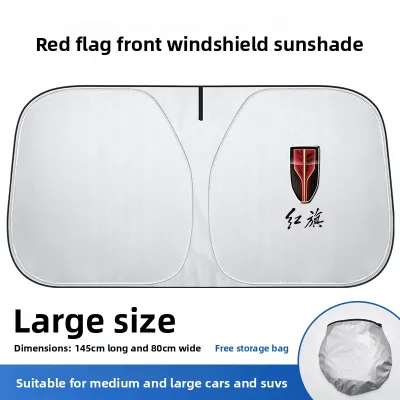
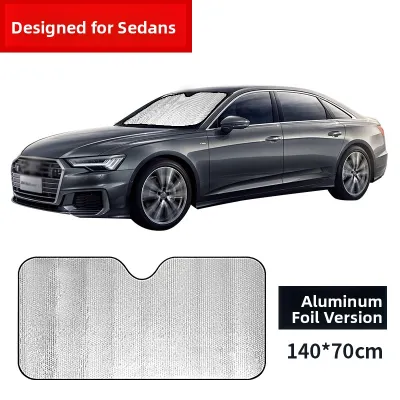
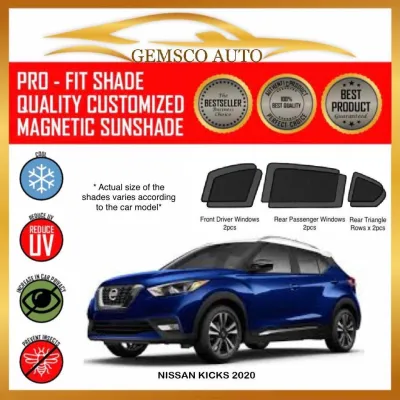
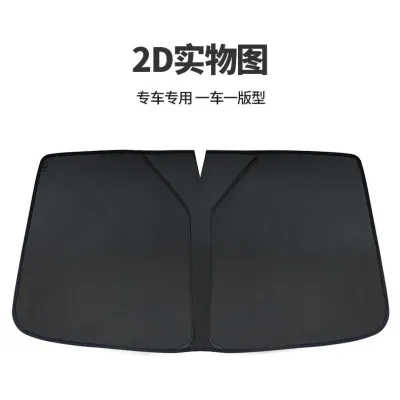
Prices are valid at publication and may change. Please refer to the product page for the latest price.
Conversely, if you typically park parallel to the path of the sun, or in angled bays where the side of the vehicle faces open space, the side windows become the primary vulnerability. Side windows lack the heavy laminate layers often found in front windshields, allowing significant heat and UV rays to reach the front seat bolsters, door panels, and rear passenger areas. This lateral exposure is a common cause of uneven leather fading and rapid degradation of interior door trim.
DR SHADE Windshield Sunshades: Coverage and Primary Use Cases
Front windshield sun shades are engineered specifically to block the largest single pane of glass on your vehicle. By placing a reflective or heat-absorbing barrier directly behind the windshield, you prevent solar energy from reaching the dark, heat-absorbent surfaces of your dashboard. This significantly reduces the initial heat blast experienced when first entering the vehicle after it has been parked in the sun.

When selecting a front windshield shade, understanding the installation and retention method is crucial for daily convenience. Many custom-fit options are designed to wedge tightly against the glass, utilizing the vehicle’s built-in sun visors to fold down and secure the top edge. Other designs rely on suction cups or static-cling properties to adhere directly to the glass surface. While suction cups offer a universal fit, they can leave residue on the glass and may lose suction over time due to high cabin temperatures. Custom-fit frames, though often requiring a higher initial investment, provide edge-to-edge coverage without relying on adhesives or suction.
Storage is another practical factor to consider. Because front windshield shades are large, they must be folded away before driving. Common designs include accordion-style folding panels or flexible, spring-wire frames that twist into a compact circle. Accordion shades are highly durable but occupy more physical space, often requiring storage in the trunk or along the passenger footwell. Twist-and-fold designs are highly compact and can easily slide into the seatback pocket, though they require a specific folding technique that some drivers find cumbersome.
DR SHADE Side Window Sunshades: Coverage and Primary Use Cases
Side window sun shades serve a different set of functional needs, focusing on passenger comfort, privacy, and targeted material protection. Unlike front shades, which are strictly for stationary use, certain side window shades can remain installed while the vehicle is in motion, provided they do not obstruct the driver’s view of the side mirrors or road ahead. This makes them highly beneficial for reducing side glare and protecting rear passengers, particularly infants and young children, from direct sunlight.
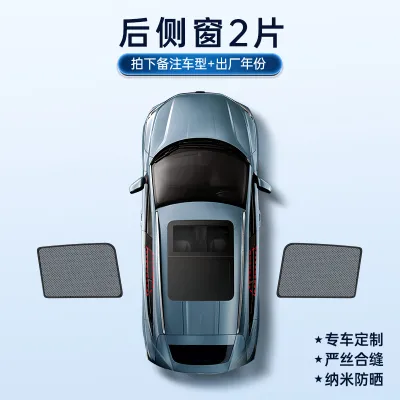
The attachment style of side window shades heavily influences how you interact with your vehicle on a daily basis. Magnetic border shades are highly popular because they cling directly to the metal frame of the door, allowing you to roll the window glass down completely for ventilation without removing the shade. Track-based systems utilize small adhesive tracks mounted to the upper and lower window trim, allowing the shade to slide open like a curtain. Pull-down roller shades attach via suction cups or clips to the top of the glass, retracting automatically when released.
Before purchasing side window shades, it is essential to verify their compatibility with your vehicle’s safety systems and mechanical components. You must ensure that the mounting brackets or magnetic frames do not interfere with the deployment path of side curtain airbags, which are typically housed along the roofline and pillars. Additionally, check that the shade mechanism does not pinch or distort the window sealing rubbers or weatherstripping, as damaged seals can lead to wind noise, water leaks during heavy rain, or premature wear on your power window regulators.
Comparing Windshield and Side Window Shades by Function and Fit
To help you visualize the practical differences between these two options, the table below outlines their key physical traits, installation requirements, and operational trade-offs.
| Feature | Windshield Sun Shades | Side Window Sun Shades |
|---|---|---|
| Primary Heat Blockage Area | Front dashboard, steering wheel, front electronics | Rear cabin, side seat bolsters, door panels |
| Installation Effort | High frequency (must be installed/removed every park) | Low frequency (often left installed semi-permanently) |
| Storage Footprint | Moderate to high (requires folding and cabin storage) | Low (can remain on windows or fold flat into door pockets) |
| Visibility Impact (Parked) | Complete forward block (maximizes stationary privacy) | Partial block (maintains side visibility depending on mesh density) |
| Typical Attachment Method | Sun visor tension, suction cups, or static cling | Magnetic frames, adhesive tracks, or window clips |
While this table highlights the structural differences, specific performance metrics such as exact UV blockage percentages or temperature reduction capabilities must always be verified directly on the individual product’s packaging and manufacturer specifications. Do not assume that all materials perform identically; high-quality multi-layered reflective materials generally offer different thermal properties compared to single-layer mesh fabrics.
The physical coverage area also differs fundamentally. A front windshield shade is a single, large barrier designed to seal off the front cabin. Side window shades, however, are typically sold in multi-piece sets to accommodate the smaller, irregular shapes of front and rear side glass. This multi-pane approach allows you to customize your coverage, such as installing shades only on the rear doors to protect passengers while keeping the front side windows completely clear for unobstructed mirror visibility.
How to Choose the Right DR SHADE Setup for Your Car
Selecting the right setup requires matching your daily driving patterns and parking realities to the strengths of each shade type. Whether you are investing S$40 in a single front shade or S$150 in a complete cabin set, use the following decision framework to guide your purchase:
Choose Windshield Shades if:
- Your vehicle is regularly parked facing the sun in open, unshaded areas.
- Your primary goal is to protect sensitive dashboard electronics, prevent steering wheel burns, and lower the initial cabin temperature before driving.
- You want a cost-effective, single-product solution that addresses the largest source of solar heat entry.
Choose Side Window Shades if:
- Your vehicle is typically parked sideways relative to the sun's path.
- You frequently carry rear passengers, children, or pets who require protection from glare and heat while the vehicle is in motion.
- You want to protect leather side bolsters and door panels from localized UV fading without blocking your front view.
Choose Both if:
- Your car is parked outdoors for extended periods throughout the day, exposing the interior to shifting sun angles.
- You want comprehensive, 360-degree thermal protection to minimize the workload on your vehicle's air conditioning system.
Verify First: Before finalizing any purchase, always cross-reference the exact make, model, and year of your vehicle with the product specifications. Custom-fit shades are tailored to the precise dimensions of specific car models; a shade designed for a compact sedan will not fit a large SUV or hatchback. Furthermore, ensure that any installed side shades do not obstruct your view of the side mirrors or violate local road safety regulations regarding window tinting and visibility.
Frequently Asked Questions (FAQ)
Can I use an opaque windshield sun shade while driving?
No, opaque windshield sun shades must be completely removed and safely stored before the vehicle is put in motion. Operating a vehicle with an obstructed front windshield is extremely dangerous, as it blocks your forward vision and prevents you from reacting to road hazards. Doing so also violates traffic safety laws, which can result in severe legal penalties, fines, and the voiding of your automotive insurance coverage in the event of an accident.
Do side window shades affect the operation of power windows?
Whether side window shades affect power window operation depends entirely on their design and mounting method. Magnetic shades that attach to the metal frame of the door do not interfere with the glass, allowing you to operate your power windows freely. However, track-based, clip-on, or suction-cup shades that attach directly to the glass or slide within the window channel can restrict movement. Always consult the manufacturer’s instructions before operating your windows with shades installed to prevent damaging your window regulators or tearing the shade material.

Community discussion
Share your experience or ask a question. Comments are reviewed before publication.