
Many drivers view tyre valve caps as minor, easily overlooked plastic bits that serve a purely cosmetic purpose. It is common to see vehicles navigating daily commutes with one or two missing caps, seemingly without any immediate consequences. However, these tiny components play a vital role in maintaining tyre pressure, protecting internal valve mechanisms, and ensuring overall road safety.
In tropical, high-humidity environments where roads are frequently slick with rain, puddles, and road grime, keeping your valve stems capped is a simple yet critical maintenance habit. Far from being optional accessories, valve caps act as the first line of defence for your tyres’ inflation system. Understanding their function and knowing when to replace them can save you from unexpected flat tyres and costly wheel repairs.
The Real Purpose of Tyre Valve Caps
To understand why valve caps are necessary, it helps to look at the anatomy of a tyre valve stem. Inside the stem sits the valve core, typically a Schrader valve, which relies on a tiny, spring-loaded pin to keep air sealed inside the tyre. While this mechanism is highly effective at holding pressure, it is highly sensitive to external contaminants.
Products mentioned in this guide
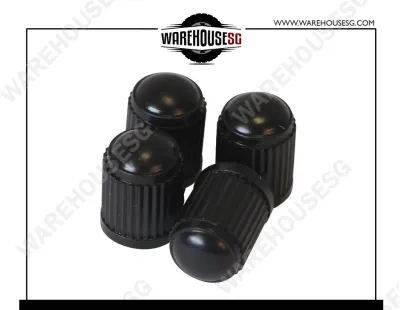
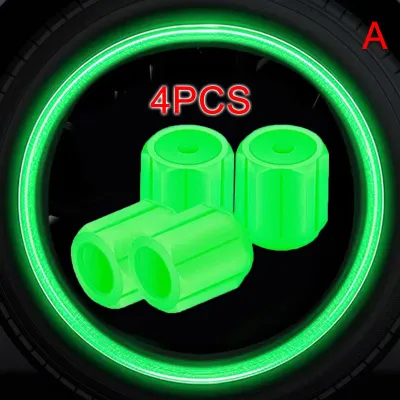
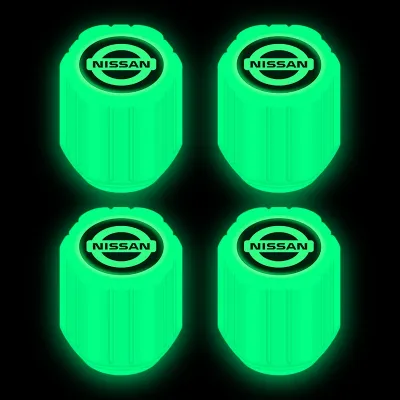
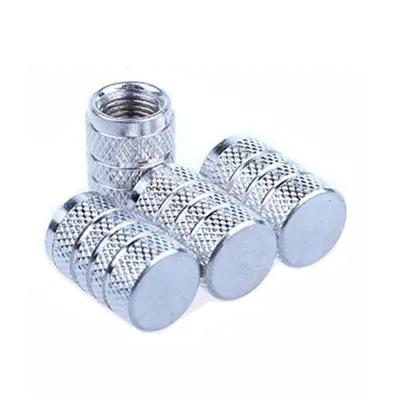
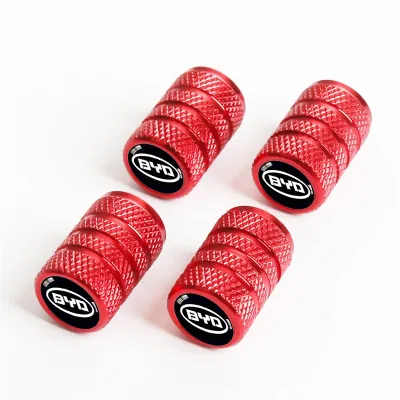
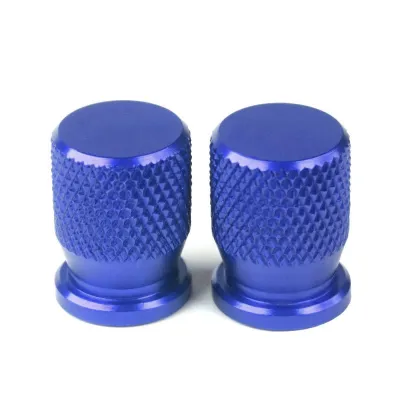
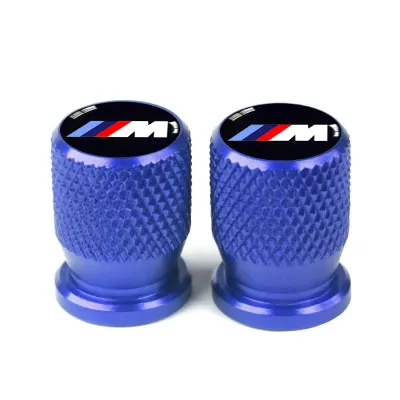
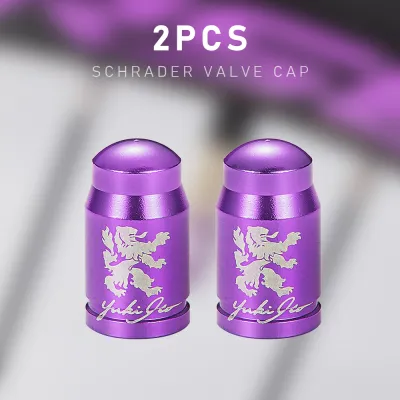
Prices are valid at publication and may change. Please refer to the product page for the latest price.
The primary purpose of a valve cap is to provide a physical barrier against dust, dirt, mud, and road debris. When you drive, your tyres kick up fine grit and brake dust that can easily settle inside an uncapped valve stem. The next time you check your tyre pressure or add air, this accumulated debris can be pushed directly into the valve core, preventing the spring-loaded pin from closing completely and causing a persistent leak.
Additionally, valve caps prevent moisture from entering the valve stem. In humid climates or during heavy downpours, water can pool inside an open stem, leading to internal corrosion of the delicate brass or aluminium components. Over time, this moisture can degrade the internal rubber seals or cause the valve core to seize entirely.
Finally, a high-quality valve cap serves as a secondary seal. Many standard caps feature a small rubber washer or O-ring nestled inside the tip. If the primary valve core develops a minor, microscopic leak due to age or wear, a properly tightened cap with an intact seal can contain the escaping air, preventing a rapid drop in tyre pressure.
What Happens If You Drive Without Valve Caps?
Driving without valve caps exposes your tyres to gradual, often unnoticed risks that can eventually compromise your safety on the road. The most immediate consequence is slow air pressure loss. When dirt or grit gets trapped in the valve core, it can create a microscopic gap in the seal, allowing air to seep out over days or weeks. Under-inflated tyres suffer from increased rolling resistance, which reduces fuel efficiency, compromises vehicle handling, and accelerates uneven tread wear.

In coastal regions or areas with high humidity, driving without caps accelerates valve stem corrosion. When moisture mixes with road salt, dirt, and air, it creates a corrosive environment that oxidises the metal threads of the valve stem. This oxidation can make it incredibly difficult to unscrew the valve core or attach an air pump nozzle during routine maintenance, sometimes requiring a complete valve stem replacement.
For modern vehicles equipped with a Tyre Pressure Monitoring System (TPMS), the risks of running without valve caps are even higher. Many TPMS sensors are integrated directly into the metal valve stem. If dirt and moisture penetrate the stem, they can damage the sensitive electronic sensor inside the wheel or cause the aluminium stem to corrode and crack. Replacing a damaged TPMS sensor is significantly more expensive than buying a simple replacement cap, making consistent cap usage a highly cost-effective habit.
Signs You Need to Replace or Buy New Valve Caps
Regularly inspecting your wheels is the easiest way to determine if your valve caps need attention. The most obvious sign is a missing cap. If you notice a bare valve stem during a routine walkaround or while topping up your air at a petrol station, you should replace it as soon as possible to prevent dirt accumulation.
Physical degradation is another clear indicator that it is time for a change. Plastic caps can become brittle, faded, and cracked after prolonged exposure to intense sunlight and road heat. Metal caps can suffer from rounded edges, stripped internal threads, or damaged rubber O-rings. If a cap no longer screws on smoothly or feels loose when fully tightened, it can no longer provide an effective secondary seal.
Difficulty removing the caps during routine pressure checks is a major warning sign. If you have to apply excessive force or use tools to unscrew a cap, corrosion has likely set in between the cap and the stem threads. Forcing a seized cap can easily bend or snap the valve stem, especially on delicate TPMS-equipped wheels. If you experience frequent, unexplained drops in tyre pressure despite your tyres being free of punctures, a compromised or missing valve cap seal may be the underlying culprit.
How to Choose the Right Valve Caps for Your Vehicle
When purchasing replacement valve caps, material selection is the most critical decision. Standard plastic caps are highly practical, incredibly lightweight, and completely immune to chemical corrosion. They are an excellent, low-cost choice for everyday passenger vehicles, though they do require periodic replacement as the plastic degrades over time under tropical heat.
Metal caps, often made of aluminium, brass, or chrome-plated steel, offer superior physical durability and a more polished appearance. However, they require careful compatibility checks. If your vehicle features aluminium TPMS valve stems, pairing them with brass or steel caps can trigger galvanic corrosion. This chemical reaction occurs when dissimilar metals make contact in the presence of moisture, effectively fusing the cap to the stem. To prevent this, always verify your vehicle’s stem material and choose compatible anodised aluminium caps or metal caps that feature a protective plastic inner lining.
It is also wise to stick to standard-sized, low-profile caps. While novelty shapes, oversized designs, or heavy custom caps might look appealing, they can introduce practical drawbacks. Heavy caps add unnecessary weight to the tip of the valve stem. At high highway speeds, the resulting centrifugal force can cause the valve stem to bend or flex repeatedly, which can damage the rubber base of the stem and lead to sudden air loss.
If you suspect your valve stems are already damaged, corroded, or leaking, do not attempt to force them or perform complex replacements yourself. Always consult your vehicle’s original manual or seek professional assistance at a qualified tyre workshop to ensure your wheels remain safe, balanced, and road-legal. Replacement caps are highly affordable, often costing only a few S$ for a complete set, making them one of the simplest and cheapest ways to protect your tyres.
Frequently Asked Questions (FAQ)
Can I use metal valve caps on TPMS sensors?
You should avoid using standard metal caps on aluminium TPMS valve stems unless they are explicitly certified as compatible by the manufacturer. Dissimilar metals, when exposed to moisture and road grime, can undergo galvanic corrosion and permanently fuse together. If you prefer the look of metal, ensure the caps feature a protective plastic inner lining that prevents direct metal-to-metal contact, or stick to high-quality plastic caps to eliminate the risk of corrosion entirely.
Do valve caps affect tyre balancing or wheel alignment?
Standard plastic and lightweight metal valve caps have a negligible weight and will not affect your tyre balancing or wheel alignment. However, extremely heavy, oversized, or unbalanced novelty caps can place physical stress on the valve stem at high speeds. If you experience steering wheel vibrations or uneven tyre wear, these are symptoms of a larger suspension or wheel balancing issue. You should seek professional wheel balancing and alignment services at a qualified workshop rather than focusing on the weight of your valve caps.

Community discussion
Share your experience or ask a question. Comments are reviewed before publication.