
Gel car air fresheners in Singapore face a dual threat from the tropical climate: they can both melt into a messy liquid and dry out into a useless, shriveled crust. When a vehicle is parked under the intense equatorial sun—especially in open-air surface carparks—interior temperatures can rapidly escalate far beyond the ambient outdoor temperature. This extreme heat directly alters the physical structure of the gel, causing the water or solvent base to evaporate prematurely while potentially breaking down the polymer network holding the fragrance. Understanding how these products react to high temperatures is essential for maintaining a pleasant cabin scent without risking damage to your car’s interior surfaces.
How Extreme Heat Affects Gel Air Fresheners
The greenhouse effect inside a parked vehicle is highly efficient at trapping thermal energy. Solar radiation passes through the windshield and side windows, heating up the dark surfaces of the dashboard, steering wheel, and seats. These materials absorb the radiation and re-emit it as infrared heat, which cannot easily escape through the closed glass. In Singapore, where outdoor temperatures regularly hover around 32°C to 34°C, the interior cabin of a car parked in direct sunlight can easily exceed 60°C within an hour. This extreme environment acts like a slow oven for any heat-sensitive items left inside.
Most gel air fresheners consist of a polymer matrix—often made from gellan gum, carrageenan, or synthetic polymers—that traps water, fragrance oils, and emulsifiers. When subjected to sustained temperatures above 50°C, the thermal energy begins to disrupt the weak physical bonds holding this polymer network together. This disruption often leads to syneresis, a process where the gel structure contracts and forces liquid fragrance and water to pool on the surface. In severe cases, the gel structure collapses entirely, turning the solid or semi-solid mass into a highly fluid, runny liquid.
Products mentioned in this guide
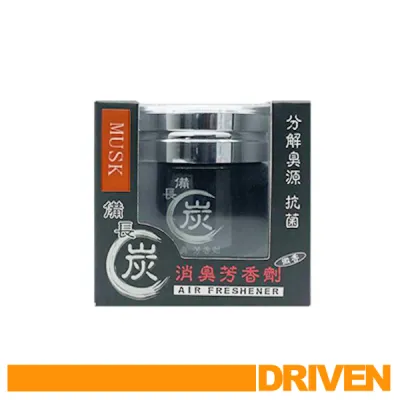
![Glade Scented Gel Air Fresheners l Fragrance Car House Toilet Room -180g [Mix & Match]](https://img.lazcdn.com/g/p/b464387afdb062ca338d1a7900ca58a3.jpg_400x400q80.jpg_.webp)
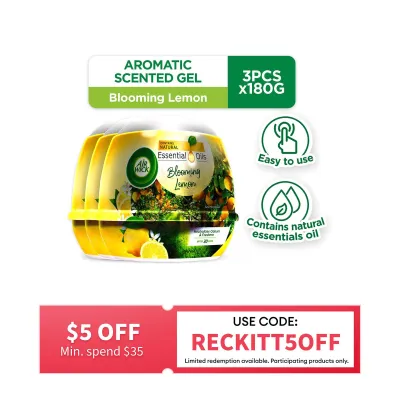
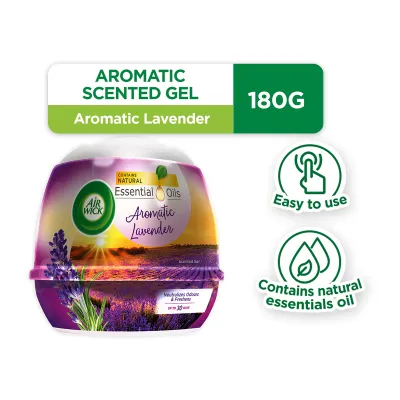
![[SG] 200g Scented Gel Air Fresheners | Natural Essential Oil Solid Fragrance |200g for Car Room & Toilet](https://img.lazcdn.com/g/p/412bbecf1afe6d672b0093c036400bae.jpg_400x400q80.jpg_.webp)
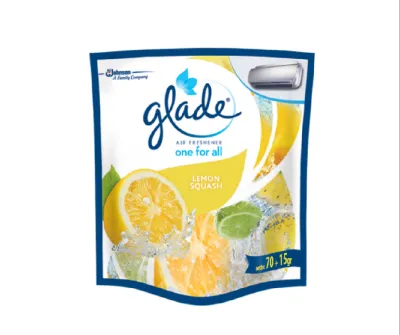
Prices are valid at publication and may change. Please refer to the product page for the latest price.
Beyond structural collapse, extreme heat also alters the chemical behavior of the fragrance oils suspended within the gel. These oils are composed of various volatile organic compounds (VOCs) with different boiling points and evaporation rates. Under normal conditions, these compounds evaporate at a controlled, sequential rate to deliver a balanced scent profile. However, when exposed to intense cabin heat, the lighter top notes evaporate almost instantly, leaving behind only the heavier, denser base notes. This rapid off-gassing not only shortens the lifespan of the freshener but can also result in an overwhelming, cloying scent immediately after parking, followed by a complete lack of fragrance shortly after.
If the container is not perfectly sealed or is positioned at an angle, this liquefied gel can easily leak out and seep into console seams or upholstery. Conversely, if the container is well-vented, the extreme heat dramatically accelerates the evaporation rate of the water and volatile fragrance oils. Instead of a controlled, gradual release over several weeks, the freshener dumps its scent rapidly in a concentrated burst and dries out into a hard, non-fragrant crust within days. Standard household gel fresheners, designed for air-conditioned rooms at stable indoor temperatures, are particularly vulnerable to this rapid degradation when placed in an automotive environment.
Key Factors That Determine Heat Resistance
To avoid messy cleanups and wasted products, drivers should look for specific indicators of heat resistance when choosing a gel car air freshener. The first step is to verify the manufacturer’s specifications on the packaging. Look for labels that explicitly state the product is formulated for automotive use or specify a maximum operating temperature limit. Automotive-grade gels are typically engineered with cross-linked polymers or high-melting-point gelling agents that maintain their structural integrity even when cabin temperatures soar.

The chemical composition of the gelling agent itself is a major determinant of heat resistance. Many budget-friendly gel fresheners rely on water-based agar or gelatin, which have relatively low melting points and degrade quickly under thermal stress. In contrast, premium automotive gel fresheners often utilize silica-based gels, polyurethane-based matrices, or organic solvent-based formulations. These materials possess significantly higher thermal stability, allowing them to remain solid and functional at temperatures that would easily liquefy a standard water-based household gel.
Container design plays an equally critical role in preventing heat-related mishaps. High-quality gel fresheners often feature spill-proof membranes or adjustable vented lids. A spill-proof membrane allows fragrance molecules to escape while keeping the liquid or softened gel securely contained, even if the vehicle bounces over speed bumps or takes sharp turns. Adjustable vents let you restrict the airflow during the hottest parts of the day, slowing down the evaporation rate and extending the product’s lifespan.
It is also essential to distinguish between standard household gels and dedicated automotive formulations. Household gels are often water-heavy and rely on simple starches or gelatin that liquefy easily under heat. Automotive gels, on the other hand, frequently utilize synthetic polymer matrices or organic solvent bases designed to release fragrance consistently across a wider temperature spectrum. Checking the product label for automotive certification or specific heat-resistance claims is a reliable way to ensure the gel will not fail in a hot cabin.
Best Practices for Using Gel Fresheners in Hot Cars
Proper placement is the most effective way to protect your gel air freshener from premature failure and safeguard your car’s interior. Avoid placing the freshener on the dashboard, rear parcel shelf, or any area in direct line of sight of the windows. These zones act as localized hot spots, receiving intense ultraviolet radiation and direct solar heating. Instead, position the gel in shaded, cooler areas of the cabin, such as under the front seats, inside a door pocket, or within a low-lying cup holder.
Your parking habits also play a decisive role in how well a gel freshener survives. Whenever possible, prioritize parking in sheltered structures, such as basement carparks or multi-storey HDB carparks, rather than open-air surface lots. If parking in the sun is unavoidable, investing in a high-quality, reflective front windshield sunshade can make a substantial difference. A reflective sunshade blocks a significant portion of incoming solar radiation, lowering the peak dashboard and cabin temperatures by several degrees and directly reducing the thermal stress on your interior accessories.
Using secondary containment is a highly recommended precautionary measure. Even high-quality automotive gels can soften or leak if the car is parked in an unshaded lot for an extended period. Placing the gel container inside a small, heat-resistant silicone tray, a plastic cup holder liner, or on a protective rubber mat can catch any accidental spills. This simple step prevents the chemical ingredients of the gel from coming into direct contact with your vehicle’s upholstery, carpets, or plastic trim.
Regular monitoring is key to preventing damage. Make it a habit to inspect the gel’s physical condition every week. If you notice the gel shrinking rapidly, changing color, forming a hard crust on top, or showing signs of liquefaction, it is time to replace it. Do not wait for the gel to dry out completely or turn entirely to liquid, as the risk of leakage and chemical outgassing increases as the product degrades.
Alternative Air Freshener Options for Tropical Climates
If gel air fresheners prove too high-maintenance for your parking situation, several heat-stable alternatives are well-suited for Singapore’s tropical climate. Vent clips, which attach directly to the air conditioning vents, are a popular choice. They rely on the airflow from the air conditioning system to disperse fragrance, meaning they only work actively when the car is running and the cabin is being cooled. This prevents the rapid, wasteful evaporation that occurs in a parked, hot car.
Solid diffusers, such as those utilizing scented ceramic blocks, natural wood, or volcanic stone, offer exceptional heat resistance. Because these diffusers do not contain water-based gels or large volumes of liquid, they cannot melt, leak, or spill, regardless of how hot the cabin becomes. The fragrance oils are deeply absorbed into the porous solid material and are released gradually, making them highly durable and safe for delicate interiors.
Hanging paper cards are another simple, cost-effective alternative. While they can dry out relatively quickly when exposed to direct sunlight, they pose absolutely zero risk of melting or leaking chemical residues onto your dashboard or seats. Another option is the membrane-type liquid diffuser, which uses a semi-permeable membrane to regulate the release of liquid fragrance. While they do contain liquid, the membrane acts as a highly reliable barrier against spills, provided the unit remains upright. When selecting any alternative, prioritize products that allow you to control the scent intensity or those that use solid-state diffusion to ensure maximum longevity and safety in a hot, parked vehicle.
Frequently Asked Questions (FAQ)
Can I leave a gel air freshener on the dashboard?
No, leaving a gel air freshener on the dashboard is highly discouraged. The dashboard is the most heat-exposed area of the vehicle, where localized temperatures can far exceed the average cabin temperature due to direct sunlight and UV radiation. This intense heat will rapidly liquefy the gel, accelerate evaporation, and potentially cause the container to warp or leak. A leaked gel on the dashboard can chemically react with the plastic or vinyl, leading to permanent discoloration, bubbling, or cracking of the surface.
How do I clean melted gel from my car's interior?
If a gel air freshener melts and spills onto your car’s interior, prompt and careful cleaning is necessary to prevent permanent damage. Start by gently scraping away the excess gel using a dull plastic tool or wiping it up with a dry microfiber cloth, taking care not to rub the residue deeper into the material. For plastic or vinyl surfaces, wipe the area with a damp cloth mixed with a mild, pH-neutral soap, then dry it thoroughly. If the spill occurs on delicate materials like leather, suede, or specialized fabric upholstery, consult your vehicle owner’s manual for approved cleaning agents or seek professional automotive detailing services to avoid stripping the material’s protective coatings.

Community discussion
Share your experience or ask a question. Comments are reviewed before publication.