
Car owners in Singapore frequently battle musty odors, damp upholstery, and stale air inside their vehicles. The combination of intense tropical sunlight and high relative humidity creates an ideal breeding ground for bacteria and mold. When looking for a quick fix, many drivers turn to an air sanitizer spray to refresh the cabin. However, the unique environmental conditions of a tropical climate raise a critical question: do these sprays actually perform as intended when subjected to extreme heat and humidity?
While air sanitizer sprays can help reduce airborne pathogens and neutralize temporary odors, their effectiveness is heavily compromised by the physical and chemical realities of a hot, humid car cabin. High temperatures can degrade active ingredients and pose safety risks for pressurized cans, while high humidity alters how the spray disperses and evaporates. To get the most out of these products, drivers must understand how tropical conditions affect their formulation, how to apply them safely, and when it is time to look beyond a simple spray bottle for a deeper cleaning solution.
How Singapore's Heat and Humidity Affect Air Sanitizer Sprays
When a car is parked under the direct tropical sun, the interior acts like a greenhouse. Within an hour, dashboard temperatures can climb well past 60 degrees Celsius, and the ambient air inside the cabin can easily exceed 50 degrees Celsius. This extreme heat poses an immediate physical challenge to aerosol-based air sanitizer sprays. Aerosol cans rely on liquefied gas propellants to create a fine, consistent mist. As the temperature inside the vehicle rises, the pressure inside the can increases, which can alter the propellant’s behavior and lead to an uneven spray pattern or larger droplet sizes that fall out of the air too quickly.
Products mentioned in this guide
![[A Green Product] AIR Sanitizer Spray Safe and Natural Remove Smoke Odour and Sanitize](https://img.lazcdn.com/g/p/559598b529bf60ed965130d126787f88.jpg_400x400q80.jpg_.webp)
![GermKiller GK Air™ Disinfectant Spray (300ml) [Kills up to 99.99% harmful germs. Freshens Air Instantly. Safe to use around children and pets. Non-Irritant Non-Toxic. Certified Hospital-Grade. US Lab-tested to EPA standards. Safe & Effective Germ Killer]](https://img.lazcdn.com/g/p/5b4ce74f6a8579f02c7ea7ee880c31de.jpg_400x400q80.jpg_.webp)
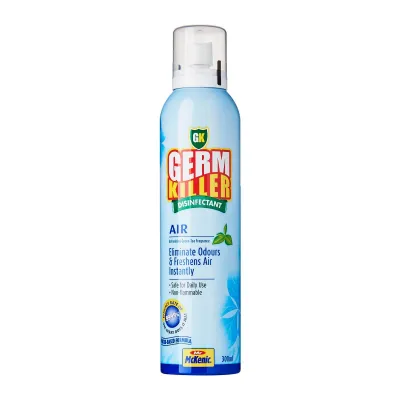
![[BUNDLE OF 2] GK-Germkiller Air Freshener Disinfectant Spray 300ml - Certified Hospital Grade Pet Friendly Child Safe PH Neutral - Eliminates Odour & Airborne Bacteria/Germs (GK Germ Killer) (By Vance Chemicals)](https://img.lazcdn.com/g/p/2c6edfbfa23b0bd729286d3671fbb333.jpg_400x400q80.jpg_.webp)
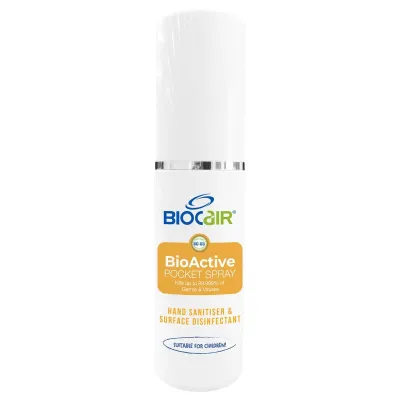
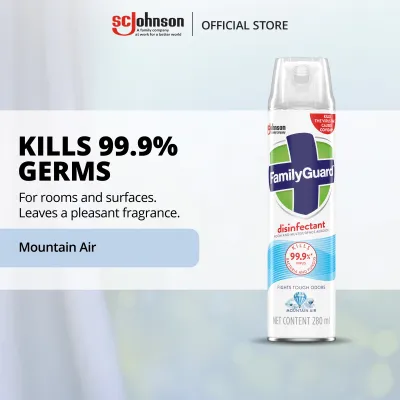
Prices are valid at publication and may change. Please refer to the product page for the latest price.
Humidity is the second major environmental factor that influences how these sprays perform. The relative humidity in tropical regions routinely hovers at high levels, meaning the air is already heavily saturated with water vapor. When you use an air sanitizer spray, the microscopic droplets of active ingredients must compete with this existing moisture to remain suspended in the air. High humidity can cause the sanitizing mist to bind with airborne water droplets, making the particles heavier. Instead of floating throughout the cabin to neutralize odor molecules, the heavy droplets sink rapidly onto seats and carpets, reducing the product’s contact time with airborne contaminants.
There is also a fundamental functional difference between masking an odor and actually neutralizing it in a damp, enclosed space. Many standard air fresheners simply cover up bad smells with strong perfumes, which quickly blend with musty odors to create an even more unpleasant scent. True air sanitizers contain active chemical agents designed to bond with and break down odor-causing molecules or eliminate the bacteria and fungi that produce them. In a highly humid environment, mold and mildew spores continuously multiply on damp surfaces. If a spray only masks the smell, the underlying biological growth continues unchecked, and the musty odor will return as soon as the fragrance fades.
What to Check on the Label Before Buying
Before purchasing an air sanitizer spray for your vehicle, it is essential to read the product label carefully to ensure it is suitable for use in a tropical climate. The first details to examine are the storage temperature limits and safety warnings. Most aerosol products carry explicit warnings against storing the container in areas exceeding 49 degrees Celsius. Because a car parked in an open parking lot easily surpasses this threshold, checking these warnings will help you decide whether you can safely keep the product in your vehicle or if you must carry it with you. Look for flammability notices as well, as many alcohol-based sanitizers use highly flammable propellants that become increasingly volatile under high heat.

Next, evaluate the active ingredients list to understand how the formula interacts with moisture. Look for sanitizing agents that do not require completely dry air to remain effective. Some formulations rely on specific chemical reactions that are hindered by high humidity, while others are designed to work across a broad range of environmental conditions. If the label indicates that the product requires a low-humidity environment or specific dry contact times to eliminate bacteria, it may not perform well in a naturally damp car cabin.
Finally, pay close attention to surface safety warnings. The fine mist emitted by an air sanitizer spray eventually settles onto your car’s interior surfaces. Some active ingredients, particularly those containing high concentrations of alcohol, solvents, or specific quaternary ammonium compounds, can react negatively with automotive materials. The label should clearly state whether the product is safe for indirect contact with leather, vinyl, plastics, and electronic screens. If the manufacturer warns against contact with these materials, you will need to take extra precautions during application to avoid damaging your dashboard or upholstery.
Safe Storage and Application in a Hot Car Cabin
Operating and storing chemical sprays in a tropical climate requires strict adherence to safety protocols to prevent accidents and maximize product efficacy. Pressurized aerosol cans should never be left in high-risk zones of the vehicle. The dashboard, rear parcel shelf, and door pockets are exposed to direct sunlight and experience the highest temperature spikes. If you must keep an air sanitizer spray in your vehicle, store it in relatively shielded areas such as the glove compartment or directly under the front seats, where temperatures remain slightly lower. However, the safest practice is to remove pressurized cans from the vehicle entirely when parking in unsheltered areas for extended periods.
When applying the spray, the correct sequence of actions is vital for both safety and performance. Before spraying, roll down all the windows to vent the superheated, stale air that has accumulated inside the cabin. This initial ventilation helps lower the interior temperature and removes loose dust and airborne particles. Once the cabin has cooled slightly, roll up the windows, turn on the air conditioning system to recirculate mode, and apply the spray according to the manufacturer’s instructions. Allowing the air conditioner to run on recirculate helps distribute the sanitizing mist evenly through the vents and cabin air path. After the recommended contact time specified on the label, roll down the windows once more for a brief period to clear out any residual chemical vapors before driving.
Rather than using the spray on a rigid, daily schedule, adjust your usage frequency based on observable cabin conditions. During periods of heavy rain or high humidity, moisture levels inside the car rise, which can accelerate musty odors. If you notice a damp smell, use the sanitizer to address the immediate airborne odor, but avoid over-spraying. Excessive use of chemical mists in an enclosed space can lead to a buildup of residues on interior surfaces, which can attract dust and eventually create a sticky film on your dashboard and controls.
When Air Sanitizer Sprays Are Not Enough
While air sanitizer sprays are useful tools for managing temporary odors and airborne pathogens, they have clear physical limits. They are designed to treat the air and exposed surfaces, meaning they cannot resolve deep-seated contamination. If mold, mildew, or bacteria are growing deep inside your car’s air conditioning evaporator core, a surface spray will only provide temporary relief. The dark, damp environment of the evaporator is a prime location for fungal growth, and as soon as you turn on the blower, musty air will be pushed back into the cabin, rendering the sanitizer spray ineffective within minutes.
To maintain clean air quality over the long term, you must address the vehicle’s filtration system. The cabin air filter is responsible for trapping dust, pollen, and mold spores before they enter the passenger compartment. Over time, this filter becomes clogged and can trap moisture, turning it into a source of bad odors itself. You should check and replace your cabin air filter according to your vehicle manufacturer’s recommended maintenance schedule—typically every 10,000 to 15,000 kilometers, or more frequently if you regularly drive in highly humid or dusty conditions. Installing a fresh filter can significantly reduce the workload on your air sanitizer spray.
If persistent musty smells remain even after replacing the cabin filter and using sanitizing sprays, it is an indication that the odor source is embedded deep within the vehicle’s interior. Spilled liquids, damp floor mats, or water leaks can seep into the under-carpet underlay, creating a persistent breeding ground for bacteria. In these scenarios, professional interior detailing or a specialized air conditioning duct cleaning is necessary. Professionals use deep-extraction wet vacuums, steam cleaners, and specialized chemical flushes to sanitize the evaporator and carpets directly, eliminating the root cause of the odor in a way that no topical spray can match.
Frequently Asked Questions (FAQ)
Can I leave an air sanitizer spray in my car overnight?
During the night, ambient temperatures drop to around 25 to 28 degrees Celsius, which is well within the safe storage limits for most aerosol and pump sprays. However, leaving the spray in the car overnight is generally not recommended because it is easy to forget the container when the sun rises. Once the morning heat hits the parked vehicle, cabin temperatures can rapidly escalate past safe thresholds. To prevent the risk of over-pressurization or chemical degradation, it is best to make a habit of removing the spray from your vehicle when you park it for the day.
Do air sanitizer sprays damage car interior materials like leather or plastics?
Some air sanitizer sprays contain active ingredients, alcohols, or propellants that can react chemically with sensitive cabin materials. If the mist settles directly onto leather seats, soft-touch plastics, or delicate infotainment screens, it can cause spotting, discoloration, or degradation of protective coatings over time. To prevent damage, always perform a spot test on a small, hidden area of the material before widespread use. Additionally, avoid spraying the product directly onto dashboard surfaces or electronic displays, and wipe away any excess mist that settles on these areas immediately.

Community discussion
Share your experience or ask a question. Comments are reviewed before publication.