
Choosing between a direct and an indirect tire pressure monitoring system (TPMS) depends on your vehicle’s factory setup, your budget, and how much detail you require about your tires’ real-time condition. A direct system provides precise, individual tire pressure readings but comes with higher hardware costs and battery maintenance. An indirect system offers a cost-effective, maintenance-free alternative by utilizing your car’s existing anti-lock braking system (ABS), though it only provides a general warning without specific pressure values. For most drivers, the decision is guided by whether their vehicle already has a built-in system or if they are looking to install an aftermarket solution to enhance road safety.
How Direct and Indirect TPMS Work
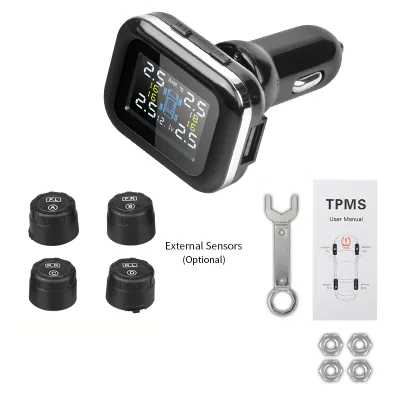
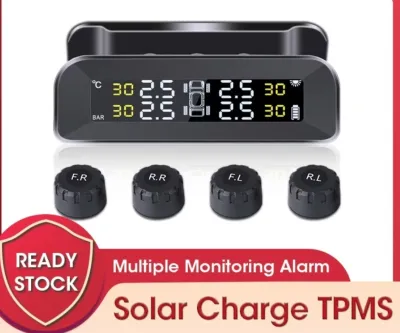
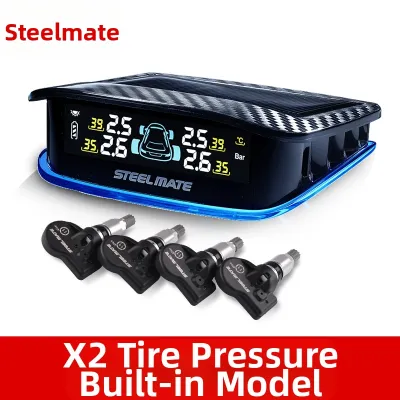
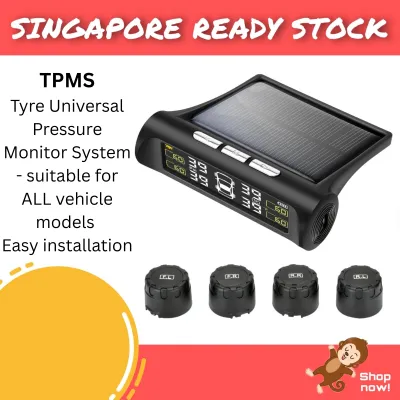
To make an informed choice, it is essential to understand how these two technologies monitor your tires. Direct TPMS relies on physical hardware installed inside each wheel assembly. Typically integrated into the valve stem, these individual sensors measure the actual air pressure and temperature inside the tire cavity. They then transmit this data wirelessly via radio frequency to the vehicle’s central computer, which displays the real-time metrics on your dashboard. Because each wheel has its own dedicated sensor, the system knows exactly what is happening inside each tire at any given moment.
Indirect TPMS, on the other hand, does not measure air pressure directly. Instead, it leverages the wheel speed sensors that are already part of your vehicle’s anti-lock braking system (ABS) and electronic stability control. When a tire loses air, its overall diameter decreases slightly, causing it to rotate at a faster rate than a fully inflated tire to cover the same distance. The ABS sensors detect this subtle difference in rotational speed and trigger the low-pressure warning light on your dashboard. This software-driven approach removes the need for physical pressure sensors inside the wheels.
Products mentioned in this guide
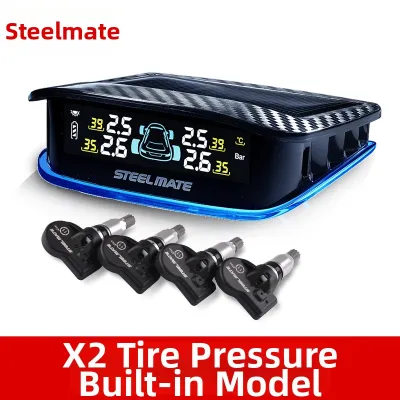
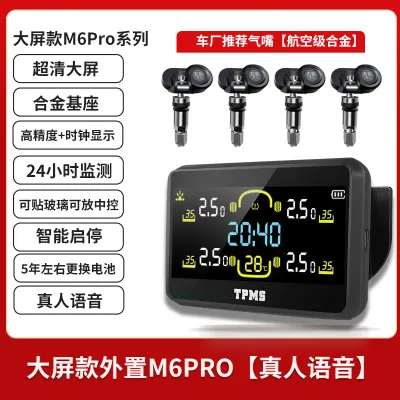
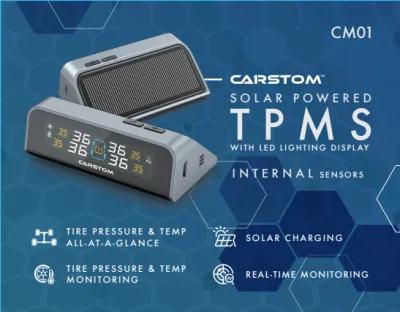
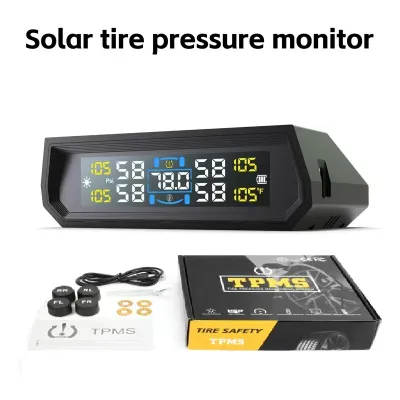
Prices are valid at publication and may change. Please refer to the product page for the latest price.
Comparing Accuracy, Cost, and Maintenance
While both systems serve the same ultimate purpose—alerting you to underinflated tires—they differ significantly in daily operation, initial setup expenses, and long-term upkeep. Evaluating these core dimensions will help you determine which system aligns with your driving habits and maintenance budget.

Accuracy and Real-Time Alerts
Direct TPMS is highly accurate because it measures the physical air pressure inside each tire. This allows the system to detect incredibly minor pressure drops, often as small as a fraction of a bar or pound per square inch. It also excels at identifying slow leaks over time and can alert you if all four tires are losing pressure simultaneously—a common occurrence during seasonal temperature drops. Because the data is updated in real time, you can monitor the exact pressure of each tire directly from your instrument cluster, giving you peace of mind before and during long drives.
In contrast, indirect TPMS is less precise and operates on a delay. Because it relies on rotational differences, it cannot detect a pressure drop until you have driven a certain distance, usually at a consistent speed. Furthermore, if all four tires lose air at the exact same rate—such as during a sudden cold snap—the relative rotational speeds of the wheels may remain identical, meaning the system might fail to trigger a warning. Indirect systems also do not show you which specific tire is low or what the actual pressure reading is; they simply illuminate a general warning light. Additionally, indirect systems require manual recalibration through your vehicle’s dashboard menu every time you adjust your tire pressure, rotate your tires, or install a new set, as the system must learn the new baseline rotational speeds.
Compatibility, Installation, and Upfront Cost
From a financial perspective, indirect TPMS is highly cost-effective because it is a software-based solution. If your vehicle comes equipped with indirect TPMS from the factory, there are no extra hardware components to buy, install, or replace. This keeps the initial manufacturing cost low, which is why many carmakers favor this system for standard commuter vehicles. However, you cannot easily add an indirect TPMS to a vehicle that did not come with it from the factory, as it requires deep integration with the vehicle’s proprietary ABS and stability control software.
Direct TPMS carries a higher upfront cost because it requires dedicated physical sensors for each wheel, including the spare tire in some vehicle models. If you are purchasing an aftermarket kit or replacing factory-installed sensors, you must pay for both the physical hardware and the professional labor required to dismount the tires, install the sensors, and program them to your car’s computer. Before making any purchasing decisions, always consult your vehicle’s owner manual or check your dashboard display settings to identify which system your car uses natively, as aftermarket modifications must be compatible with your vehicle’s existing electronic architecture.
Long-Term Maintenance and Hardware Lifespan
The long-term maintenance requirements of these two systems represent another major point of divergence. Direct TPMS sensors are powered by small, internal lithium-ion batteries. These batteries are sealed inside the sensor body to protect them from moisture and road debris, meaning they cannot be replaced individually. Once a sensor battery dies—typically after several years of use—the entire sensor unit must be replaced. This requires a trip to a professional workshop to have the tire demounted, the old sensor removed, a new one installed, and the system reprogrammed, which will require budgeting for replacement hardware and labor in S$.
Physical sensors are also vulnerable to mechanical damage. During routine tire changes, wheel balancing, or puncture repairs, a tire technician must exercise extreme care; a slip of the tire iron can easily crush or snap a sensor valve stem. In contrast, indirect TPMS is virtually maintenance-free. Because there are no physical sensors inside the wheels, there are no batteries to deplete and no delicate hardware components to damage during tire servicing. The ABS sensors that drive the system are highly durable and designed to last the lifetime of the vehicle, making indirect TPMS highly advantageous for long-term simplicity.
Decision Framework: Which System Fits Your Needs?
To decide which system is right for your vehicle, you must weigh your specific driving conditions against your budget and tolerance for maintenance. Direct TPMS is the ideal choice if you demand precise, real-time data and want to know the exact pressure of each tire at a glance. This system is highly recommended for drivers who frequently carry heavy loads, tow trailers, or drive high-performance vehicles where precise tire pressure is critical for handling and safety. It is also highly beneficial in regions with dramatic temperature shifts, where tire pressure can fluctuate rapidly overnight.
Conversely, indirect TPMS is best suited for budget-conscious drivers who use their vehicles primarily for daily commuting and want a low-maintenance safety net. If your vehicle already features a factory-installed indirect system, continuing to use it is highly practical, as it provides adequate warning for major pressure losses without any ongoing hardware costs. If you are looking to add tire pressure monitoring to an older vehicle that lacks any built-in system, an aftermarket direct TPMS kit is your only viable option. When selecting an aftermarket kit, always verify that the sensors are explicitly compatible with your vehicle’s specific make, model, and production year. Additionally, ensure that any aftermarket modifications comply with local road authority regulations and safety standards before installation.
Safety Boundaries and Professional Installation
While a tire pressure monitor is an invaluable safety tool, it is crucial to remember its limitations. No TPMS is a complete substitute for routine manual maintenance. Even the most advanced direct system can experience electronic glitches, signal interference, or sensor failures. You should still perform manual tire pressure checks at least once a month using a high-quality, calibrated pressure gauge, and conduct regular visual inspections of the tire tread for uneven wear, cracks, or embedded debris.
If you need to install, replace, or program direct TPMS sensors, always seek professional assistance. The installation process involves breaking the tire bead, mounting the sensor to the wheel rim at a precise torque specification, and using specialized diagnostic tools to register the new sensor IDs with your vehicle’s engine control unit (ECU). Improper installation can lead to slow air leaks around the valve stem seal, physical damage to your alloy wheels, or sensor failure on the highway. Furthermore, if your dashboard TPMS warning light flashes continuously for up to a minute upon starting your vehicle before remaining solid, this indicates a system malfunction rather than a simple low-pressure warning. In this scenario, stop driving and consult your vehicle manufacturer or a certified tire specialist to diagnose the underlying electronic or sensor issue.
Frequently Asked Questions (FAQ)
Can I mix direct and indirect TPMS sensors on the same vehicle?
No, you cannot mix direct and indirect TPMS components on the same vehicle. A vehicle’s onboard computer is programmed from the factory to process either direct radio-frequency signals from physical wheel sensors or indirect wheel-speed calculations from the ABS module. The vehicle’s electronic control unit cannot interpret both types of data simultaneously. Attempting to mix these systems or install aftermarket direct sensors on a vehicle configured solely for indirect monitoring will result in system errors, inactive warning lights, and a compromised safety system.
Why is my TPMS light on even when my tires look fully inflated?
A TPMS warning light can illuminate for several reasons even if your tires appear visually normal. A tire can lose up to twenty percent of its air pressure before looking visibly flat to the naked eye. First, verify the actual pressure of all tires, including the spare, using a reliable manual gauge. If the pressures are correct, the warning could be triggered by a sudden drop in ambient temperature, which lowers tire pressure temporarily before driving warms them up. Other common culprits include a dead battery in a direct TPMS sensor, a faulty sensor unit, or a system that requires manual recalibration after a recent tire rotation or pressure adjustment. If the light remains on after verifying the pressures and performing any necessary dashboard resets, have a professional technician inspect the system.

Community discussion
Share your experience or ask a question. Comments are reviewed before publication.