
Choosing between a direct and indirect car tyre pressure monitor (TPMS) comes down to whether you prioritize real-time, highly accurate pressure data or a maintenance-free system that relies on your car’s existing hardware. Most modern passenger vehicles come pre-equipped with one of these systems from the factory to help drivers maintain optimal tyre inflation, which is critical for safety, handling, and fuel efficiency. While you cannot easily swap a factory-integrated system’s core software, understanding how these technologies differ is essential when replacing tyres, buying aftermarket kits, or troubleshooting dashboard warning lights.
Your vehicle’s handling and safety depend heavily on maintaining the correct tyre pressure, especially under demanding driving conditions. Under-inflated tyres increase rolling resistance, which accelerates tread wear and raises fuel consumption. More importantly, low pressure compromises braking performance and increases the risk of a sudden blowout at high speeds. By understanding the operational differences between direct and indirect systems, you can make informed decisions about vehicle maintenance and aftermarket upgrades.
How Direct and Indirect TPMS Actually Work
Direct TPMS is a hardware-centric system that measures the actual physical air pressure inside each tyre. This setup utilizes dedicated pressure sensors mounted inside the wheel assembly, typically integrated into the valve stems or secured directly to the inner rims. Each sensor contains a small battery, a pressure transducer, a temperature sensor, and a radio frequency transmitter. As the wheels rotate, these sensors measure the physical air pressure and transmit real-time data wirelessly to the vehicle’s electronic control unit (ECU), which then displays the exact readings on your dashboard.
Products mentioned in this guide
![[Ready Stock] KIPRUN TG105 Digital Car Tire Tyre Air Pressure Gauge Meter LCD Display Manometer Barometers Tester for Car Truck Motorcycle Bike](https://img.lazcdn.com/g/p/07a52bd518e442d1dbbff71990d43383.jpg_400x400q80.jpg_.webp)
Prices are valid at publication and may change. Please refer to the product page for the latest price.
Indirect TPMS, by contrast, is a software-driven system that does not measure air pressure directly. Instead, it relies on the vehicle’s anti-lock braking system (ABS) and electronic stability control (ESC) wheel speed sensors to infer pressure levels. When a tyre loses air, its physical diameter decreases slightly, causing it to rotate at a faster speed than the other properly inflated tyres to cover the same distance. The ABS sensors detect these rotational differences, and the vehicle’s onboard computer runs an algorithm to determine if the speed variation indicates a loss of pressure, triggering the warning light.
The core distinction lies in how these systems respond to different types of pressure loss. Because indirect systems rely on relative rotational differences, they are highly effective at identifying a single punctured tyre that is losing air rapidly. However, they can struggle to detect gradual, equal pressure loss across all four tyres over several months, as all four wheels will shrink and speed up at a similar rate. Direct systems, measuring absolute pressure in each tyre independently, will accurately flag gradual pressure drops across all four wheels without relying on relative comparisons.
Accuracy and Data: What Each System Tells You
Direct TPMS provides comprehensive, real-time data that gives you a precise look at your tyres’ condition. On vehicles equipped with this system, the dashboard display typically shows a digital diagram of the car with individual pressure readings for each tyre, measured in PSI, kPa, or bar. Many direct systems also monitor and display tyre temperature. This is particularly useful because tyre pressure naturally increases as the air inside heats up during highway driving, allowing you to distinguish between a dangerous pressure spike and normal thermal expansion.

Indirect TPMS offers a much simpler, binary user interface. When the system’s algorithm detects a rotational anomaly, it illuminates a single, generic low tyre pressure warning icon on your instrument cluster. The system generally cannot specify which tyre is under-inflated, nor can it provide any numerical pressure values. When this light appears, you must pull over safely and use a manual tyre pressure gauge to check all four tyres individually to identify which one requires inflation.
Environmental factors and driving conditions can also influence the accuracy of these systems. Indirect systems are susceptible to false alerts or delayed warnings under certain driving scenarios. For example, driving on highly uneven roads, navigating winding roads with aggressive cornering, or driving through heavy rain can cause temporary wheel slippage. The ABS sensors may misinterpret this slippage as a pressure loss, triggering a false alarm. Conversely, sudden ambient temperature drops—which naturally lower tyre pressure—might not trigger an indirect system immediately if all four tyres lose pressure at the exact same rate.
Vehicle Compatibility and Installation Limits
A vehicle’s factory TPMS type is determined during manufacturing and is deeply integrated into the car’s ECU and ABS hardware. If your vehicle was built with an indirect system, you cannot simply perform a software update or flash the ECU to turn it into a direct system. The physical receiver hardware, wiring, and dashboard integration capabilities are absent. Therefore, owners must work within the limits of their vehicle’s original engineering or look to independent aftermarket solutions.
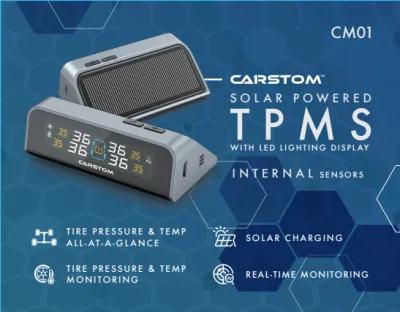
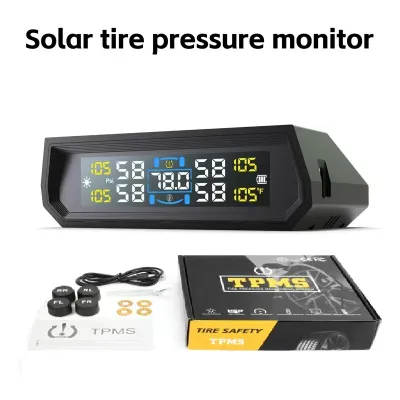
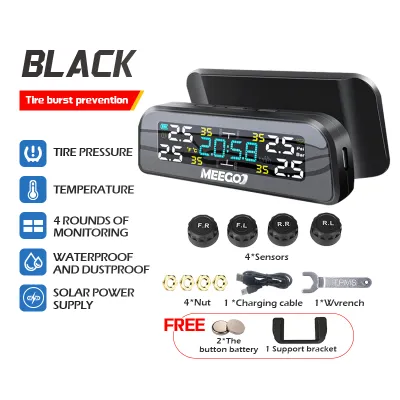
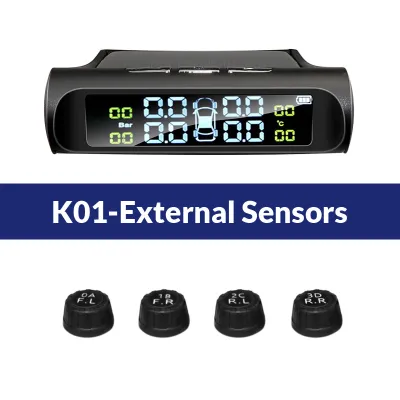
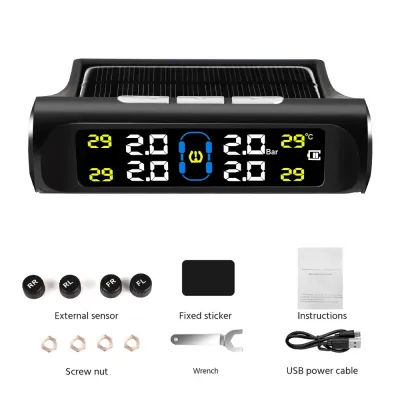
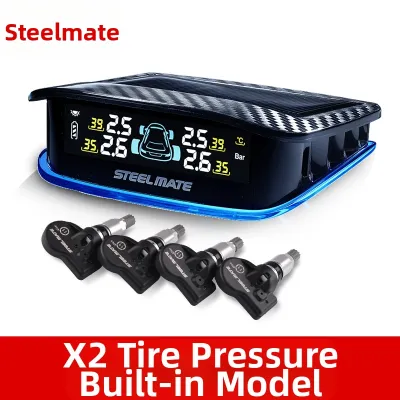
For vehicles without a factory system, or for owners wishing to add direct monitoring to an indirect-equipped car, aftermarket direct TPMS kits are widely available. These kits typically consist of external sensor caps that screw onto your existing valve stems, or internal sensors that replace your valve stems entirely. These sensors transmit data to a separate, dedicated display module mounted in the cabin or to a smartphone application.
Safety is a paramount consideration when installing or servicing any tyre pressure monitoring hardware. Installing internal aftermarket sensors or replacing factory direct sensors requires dismounting the tyre from the wheel rim. This process carries a high risk of damaging the delicate sensor body if performed incorrectly. It is critical to have this work completed by a qualified tyre specialist at a professional workshop. Proper wheel balancing is also mandatory after installing any sensor, as even a small external valve cap sensor can alter the wheel’s weight distribution, leading to vibrations at highway speeds. Always consult your vehicle’s original manual to verify compatible sensor frequencies before purchasing replacements.
Maintenance, Calibration, and Long-Term Costs
The primary drawback of direct TPMS is the long-term hardware maintenance cost. The internal batteries inside direct sensors are sealed within the unit and cannot be replaced individually. When a battery dies—typically after five to ten years—the entire sensor unit must be replaced. In Singapore, replacing a single factory direct TPMS sensor can range from S$50 to over S$150, depending on the car make and model, plus the labor cost for tyre dismounting and balancing. Additionally, tyre technicians must exercise extreme caution when breaking the tyre bead during routine tyre changes to avoid snapping the sensor body.
Indirect TPMS, on the other hand, has virtually zero hardware maintenance costs because there are no physical sensors to fail, leak, or run out of battery. However, this system requires active driver participation to remain accurate. Every time you adjust your tyre pressures, rotate your tyres, or replace them, you must manually initiate a recalibration sequence through your car’s infotainment system or dashboard menu. This tells the ABS computer to reset its baseline and learn the new rotational speeds of the tyres. Failing to recalibrate after adjusting pressures will result in false warnings or a failure to detect actual pressure loss.
The financial trade-offs between the two systems are clear. Direct TPMS offers superior safety and convenience but comes with recurring hardware replacement costs and the risk of physical sensor damage during tyre servicing. Indirect TPMS is highly cost-effective and durable over the vehicle’s lifespan, but it demands that the driver remains disciplined about manual pressure checks and system recalibrations.
Decision Framework: Which TPMS Type is Right for You?
Choosing the right system or managing your existing setup effectively depends on your driving habits, budget, and willingness to perform manual maintenance.
Choose Direct TPMS if:
- You want peace of mind with exact, real-time pressure and temperature readings.
- You frequently drive long distances on highways where early detection of a slow puncture is vital.
- You drive a high-performance vehicle or tow heavy loads, where precise tyre pressure is critical for handling and safety.
- You are comfortable with periodic hardware replacement costs when sensor batteries deplete.
Choose (or stick with) Indirect TPMS if:
- Your vehicle came equipped with it from the factory and you want to avoid the expense of replacing sensor batteries.
- You are diligent about checking your tyre pressures manually at petrol stations at least once a month.
- You only require a basic safety net to warn you of a major puncture during daily commuting.
Before purchasing any aftermarket direct kit, verify that the sensor caps or internal sensors do not interfere with your wheels’ clearance or suspension components. Ensure that the display unit can be mounted safely in your cabin without obstructing your view or violating local road safety regulations.
Frequently Asked Questions (FAQ)
Can I install a direct TPMS if my car only has an indirect system?
Yes, you can install an aftermarket direct TPMS kit. However, these systems operate independently of your car’s factory electronics. The physical sensors will transmit data to a dedicated aftermarket display screen mounted on your dashboard or to a smartphone app via Bluetooth. Your car’s factory instrument cluster will not display these readings, and the factory indirect system will continue to run in the background unless disabled or left to operate alongside the new kit.
Why did my TPMS light turn on after a tire rotation?
A tyre rotation changes the relative positions and wear patterns of your tyres, which alters their rotational speeds. In an indirect system, this change confuses the ABS sensors, triggering a warning light because the computer detects a discrepancy from the old baseline. You must perform a manual system reset via your dashboard to calibrate the system to the new tyre positions. For direct systems, a rotation moves the physical sensors to different corners of the car. If your vehicle does not have an automatic relearn function, the ECU will still think the front-left sensor is in its original position, requiring a manual relearn process or a specialized TPMS tool to remap the sensor locations.

Community discussion
Share your experience or ask a question. Comments are reviewed before publication.