
Choosing the right car pressure monitor is essential for maintaining vehicle safety, optimizing fuel efficiency, and extending the lifespan of your tires. The choice between a direct and indirect tire pressure monitoring system (TPMS) depends on whether your vehicle requires real-time, individual tire pressure data or a low-maintenance, wheel-speed-based alert system. Direct systems use physical sensors inside each wheel to measure exact pressure, while indirect systems calculate pressure drops using existing anti-lock braking system (ABS) sensors. Understanding these differences helps you maintain optimal tire health, ensure road safety, and manage long-term vehicle maintenance costs.
In Singapore’s warm climate, maintaining correct tire pressure is crucial for preventing uneven wear and optimizing fuel efficiency. Whether you are replacing a faulty factory sensor or considering an aftermarket upgrade, evaluating how each system operates under local driving conditions will guide you to the right decision. By understanding the mechanics, costs, and installation requirements of each system, you can make an informed choice that aligns with your driving habits and vehicle specifications.
Understanding How Direct and Indirect TPMS Work
Direct tire pressure monitoring systems operate by placing physical pressure sensors inside each wheel assembly. These sensors are typically integrated with the tire valve stem or secured to the wheel barrel. They directly measure the actual air pressure and temperature inside the tire cavity. This data is then transmitted wirelessly via radio frequency signals to the vehicle’s central computer, which processes the information and displays it on your dashboard.
Products mentioned in this guide
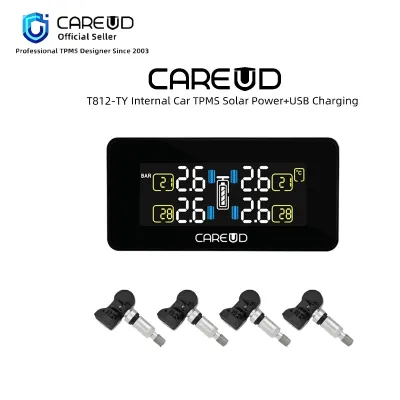
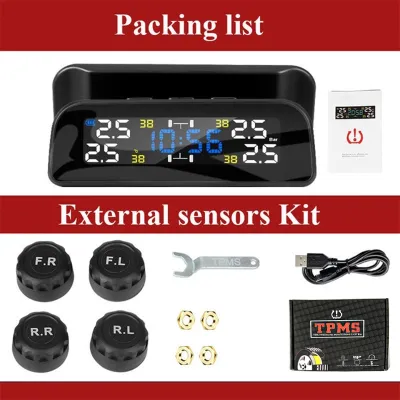
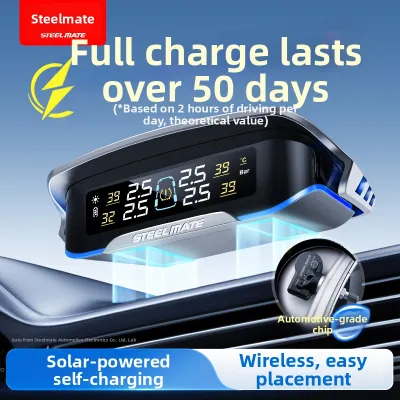
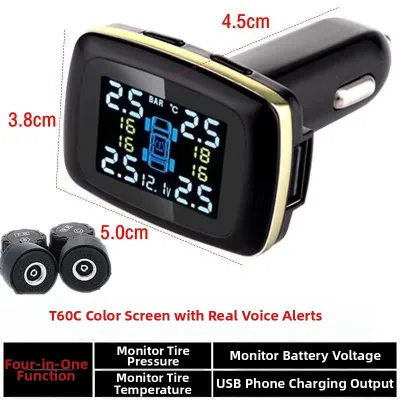
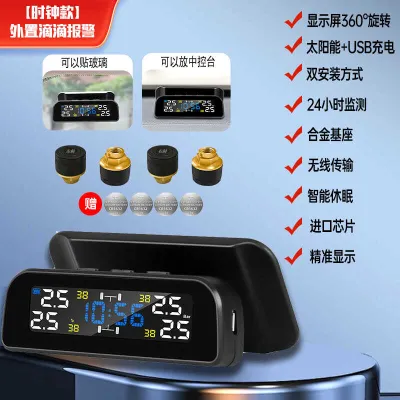
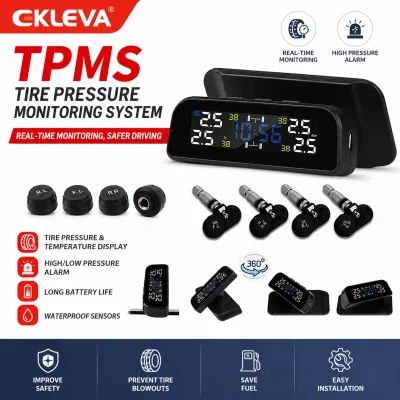
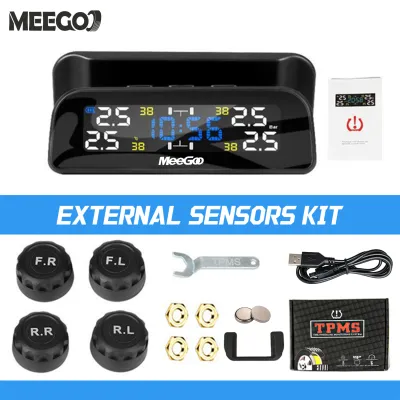
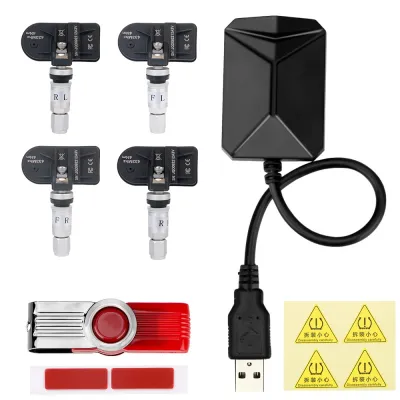
Prices are valid at publication and may change. Please refer to the product page for the latest price.
Indirect tire pressure monitoring systems do not measure air pressure directly. Instead, they rely on the vehicle’s existing anti-lock braking system (ABS) wheel speed sensors. The fundamental principle behind this system is that an under-inflated tire has a slightly smaller diameter than a properly inflated one. This difference in size causes the under-inflated tire to rotate at a faster speed to cover the same distance. The vehicle’s onboard computer uses software algorithms to detect these rotational differences and triggers the warning light when an anomaly is identified.
Visual and dashboard indicators differ significantly between the two system types. Both systems will illuminate the standard low-pressure warning light, which resembles a horseshoe with an exclamation mark. However, direct systems often provide a detailed graphic of the vehicle showing the exact pressure value for each individual tire. Indirect systems typically only display a general warning light, requiring you to manually check all four tires with a physical gauge to identify which one has lost pressure.
Comparing Accuracy, Maintenance, and Costs
Precision and response time vary greatly between direct and indirect systems. Direct systems offer high accuracy, often detecting minor pressure changes of 1 psi almost instantly. This rapid response is highly effective for identifying slow leaks before they become dangerous. Indirect systems require a certain distance of driving, often several kilometers, to calculate rotational differences. This makes them slower to respond to sudden blowouts or gradual, uniform pressure loss across all four tires, which may not trigger the rotational speed differential.

Maintenance requirements represent another major point of divergence. Direct systems require physical maintenance because each sensor contains a small lithium battery with a limited lifespan, typically lasting five to ten years. When these batteries deplete, the entire sensor assembly must be replaced. Additionally, physical sensors are susceptible to damage during tire mounting, balancing, or from road debris. Indirect systems have no physical sensors inside the wheel, meaning there are no batteries to die or delicate parts to damage during routine tire changes.
Relative replacement costs should be evaluated when choosing or maintaining a system. Replacing a direct TPMS sensor involves purchasing the hardware and paying for professional installation, which includes tire demounting, sensor programming, and wheel balancing. In Singapore, workshop quotes for aftermarket sensors or programming services can vary, so it is wise to obtain local quotes in S$ before proceeding. Indirect systems incur virtually zero hardware replacement costs because they utilize the vehicle’s existing ABS infrastructure, requiring only software resets.
System behavior after tire rotation, replacement, or pressure adjustments also differs. When rotating tires on a vehicle with a direct system, the car’s computer must be relearned to recognize the new sensor positions, otherwise the dashboard display will show incorrect tire locations. Indirect systems simply require a manual calibration reset via the dashboard menu after any tire service or pressure adjustment, allowing the software to establish a new baseline based on the current wheel speeds.
Verifying Vehicle Compatibility and Installation Needs
Before purchasing any replacement parts or aftermarket kits, check your vehicle owner’s manual and dashboard display to confirm the factory-installed system type. The manual will specify whether your car uses a direct or indirect system. You can also observe the dashboard during startup; if the system displays individual tire pressure values, it is a direct system. Knowing your vehicle’s original specifications is crucial before making any modifications.
Working on tire pressure monitoring systems involves critical safety components that impact vehicle handling and braking. DIY electrical modifications or improper sensor installation can compromise vehicle safety systems. Always rely on qualified professionals at a certified workshop for sensor programming, physical installation, and wheel balancing. Improperly balanced wheels can cause vibrations, accelerated tire wear, and suspension strain, which can compromise road safety.
If you are upgrading to aftermarket alloy wheels, verify that the valve stem angle and sensor body shape are compatible with the new wheel design. Some deep-dish or multi-piece wheels require specialized low-profile sensors or specific mounting bands. Ensuring compatibility before purchasing aftermarket wheels prevents installation delays and potential damage to the sensors during mounting.
If you encounter conflicting specifications between an aftermarket TPMS kit and your vehicle’s original documentation, stop the installation immediately. Do not attempt to bypass warning lights or modify factory wiring. Consult the vehicle manufacturer or a certified mechanic to ensure road legality and system compatibility. Safety and compliance with vehicle standards must always take priority over aftermarket modifications.
Decision Framework: Which Car Pressure Monitor to Choose
Choose a direct system if you require precise, real-time monitoring of individual tire pressures and temperatures. This is particularly beneficial if you frequently carry heavy loads, drive long distances on expressways, or want immediate warning of slow leaks. It is also the necessary choice if your vehicle’s factory safety systems are hardwired to receive direct sensor signals, as bypassing these systems can trigger persistent dashboard errors.
Choose an indirect system if you prefer a low-maintenance setup with no sensor batteries to replace or delicate hardware to damage during tire changes. It is ideal for drivers who want a simple, cost-effective system and are diligent about performing regular manual tire pressure checks. This system is highly reliable for everyday city driving where extreme pressure fluctuations are less common.
Verify first if you are planning to change your wheel sizes or tire profiles, as this can affect the calibration of indirect systems. Additionally, check local vehicle inspection guidelines to ensure any aftermarket monitoring system complies with road safety regulations. Understanding these factors beforehand ensures that your chosen system remains functional and compliant over the long term.
Routine Maintenance and Warning Light Troubleshooting
Whenever you inflate your tires, rotate them, or change them, you must reset or recalibrate the system to ensure accurate monitoring. For indirect systems, this is typically done through the vehicle’s infotainment screen or dashboard menu while the car is stationary. For direct systems, some vehicles auto-learn the new positions after a short drive, while others require a manual trigger tool or workshop programming to update the sensor locations.
Recognizing the signs of sensor failure can help you troubleshoot warning lights effectively. If your dashboard warning light blinks for approximately one minute upon starting the vehicle and then remains solid, this usually indicates a system malfunction rather than low pressure. In direct systems, this often points to a dead sensor battery or a damaged sensor. Missing data fields for a specific wheel on your dashboard display also signal a localized sensor issue that requires professional diagnosis.
Electronic monitors are designed as secondary safety aids, not replacements for manual maintenance. Always use a reliable manual tire pressure gauge to check your tires at least once a month. Perform these checks when the tires are cold to establish an accurate baseline, as driving heats up the air inside the tires and temporarily inflates the pressure readings. Regular manual checks remain the most reliable way to ensure your tires are operating at safe pressures.
Frequently Asked Questions (FAQ)
Can I upgrade my indirect TPMS to a direct system?
Upgrading a factory indirect system to an integrated direct system is generally not feasible because the vehicle’s central computer is not programmed to receive radio signals from wheel sensors. However, you can install an aftermarket direct TPMS kit. These kits include external sensor caps that screw onto your existing valve stems and a separate receiver display that plugs into your car’s accessory socket or mounts on the dashboard. Ensure any aftermarket kit is installed according to the manufacturer’s instructions and does not interfere with wheel balancing.
Why is my TPMS light on but my tires look fine?
A TPMS light can illuminate even if your tires appear visually normal. Fluctuations in ambient temperature can cause tire pressure to drop, especially during cooler mornings or sudden weather shifts, triggering the sensor. Additionally, a slow leak might have reduced the pressure just enough to cross the warning threshold without causing a visible sag. Always use a manual pressure gauge to verify the actual pressure of all four tires, including the spare if equipped, before resetting the system.

Community discussion
Share your experience or ask a question. Comments are reviewed before publication.