
Maintaining correct tyre pressure is one of the simplest yet most critical aspects of vehicle safety, fuel efficiency, and tyre longevity. When selecting a tool for this task, drivers typically face a choice between digital and analog tyre pressure gauges. The decision depends heavily on your personal maintenance habits, the environments where you check your tyres, and whether you prefer exact electronic precision or battery-free mechanical reliability.
Digital gauges are highly valued for their clear, numeric displays that eliminate guesswork, especially in low-light conditions like multi-storey car parks. Analog gauges, on the other hand, offer a rugged, time-tested design that is always ready for use without the worry of dead batteries. By comparing these two options across accuracy, durability, price, and usability, you can identify the ideal tool to keep in your glovebox or garage.
Accuracy and Readability: Digital Displays vs Analog Dials
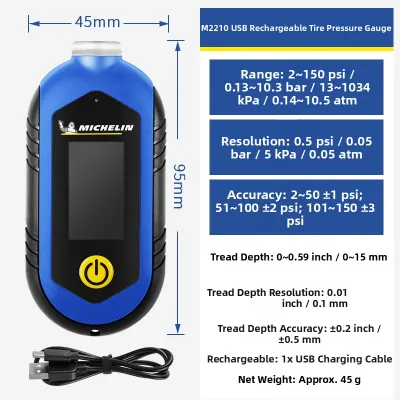
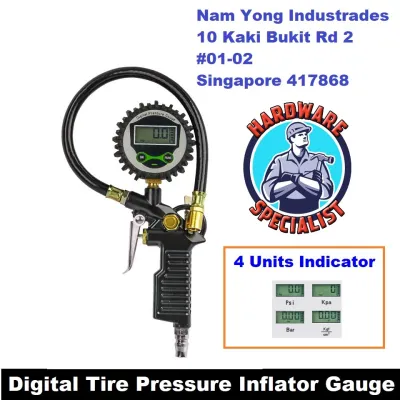
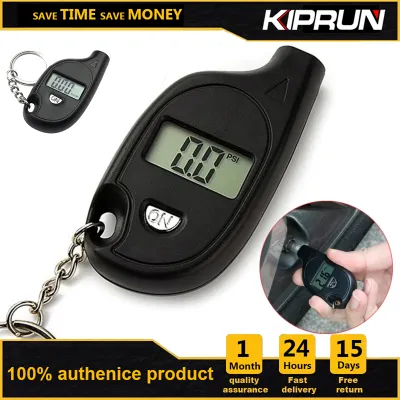
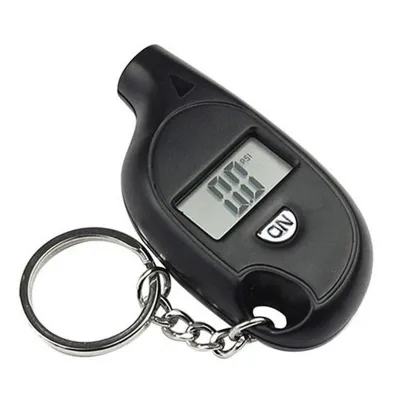
The most immediate difference between these two gauge types is how they present pressure readings to the user. Digital tyre pressure gauges feature liquid crystal displays (LCD) or light-emitting diode (LED) screens that show exact numerical values, often down to one decimal place. This clear readout removes the need for visual estimation, making it incredibly straightforward to determine if your tyres are at the precise recommended level. Many digital models also include integrated backlighting, which is highly beneficial when checking pressures at night or inside dimly lit parking structures.
Products mentioned in this guide
![[Ready Stock] KIPRUN TG105 Digital Car Tire Tyre Air Pressure Gauge Meter LCD Display Manometer Barometers Tester for Car Truck Motorcycle Bike](https://img.lazcdn.com/g/p/07a52bd518e442d1dbbff71990d43383.jpg_400x400q80.jpg_.webp)
![[Ready Stock] KIPRUN High-precision Tire Pressure Gauge 0-150 PSI LCD Backlight Digital Tire Pressure Monitoring Car Tire Pressure Gauge](https://img.lazcdn.com/g/p/6cd235b0b79688bc08a40cb550d8b6e6.jpg_400x400q80.jpg_.webp)
![[Ready Stock] KIPRUN High-precision Tire Pressure Gauge 0-150 PSI LCD Backlight Digital Tire Pressure Monitoring Car Tire Pressure Gauge](https://img.lazcdn.com/g/p/9ee8b124bbc79be45a4de8b0f539d31a.jpg_400x400q80.jpg_.webp)
Prices are valid at publication and may change. Please refer to the product page for the latest price.
Analog gauges rely on a physical dial and a needle that sweeps across a printed scale. Reading an analog dial requires a bit more visual interpretation, as you must look directly at the face to avoid parallax error—a common optical distortion where the needle appears to point to a different value when viewed from an angle. The resolution on analog dials is also inherently wider, with markings typically spaced every 1 or 2 PSI (pounds per square inch) or 0.1 bar, meaning you often have to estimate the exact position of the needle between the lines.
Despite the visual differences, it is a common misconception that digital gauges are inherently more accurate than analog ones. Both types rely on internal components that must be properly calibrated at the factory to provide reliable measurements. When shopping, you should look at the manufacturer’s packaging or product specifications to verify the stated accuracy margin, which is often expressed as a percentage of the full scale, such as ±1% or ±2%. A high-quality, well-calibrated analog gauge can easily match or exceed the accuracy of an entry-level digital gauge.
Durability and Maintenance: Battery Dependence vs Mechanical Build
Evaluating the long-term reliability of a tyre pressure gauge requires looking at how each type handles environmental exposure and physical wear. Digital gauges are electronic devices, meaning they are inherently dependent on a power source. They require batteries—typically button cells or AAA batteries—which will eventually deplete over time. If you store a digital gauge in your vehicle’s glovebox or boot, the extreme heat of a parked car under the tropical sun can accelerate battery self-discharge, potentially leaving you with a dead tool when you need it most. Furthermore, the internal electronic sensors and circuit boards in digital models are sensitive to severe moisture, high humidity, and hard impacts from being dropped on concrete.

Analog gauges operate on purely mechanical principles, usually employing a Bourdon tube or a piston-and-spring mechanism. Because they require no batteries, they are always functional and ready to use, regardless of how long they have been stored. However, this mechanical simplicity does not make them indestructible. The delicate internal gears and springs can shift out of alignment if the gauge is subjected to heavy drops, severe vibrations, or exposure to fine road debris and moisture. Over time, a dropped analog gauge may suffer from mechanical drift, causing the needle to rest slightly above or below the zero mark when unpressurised.
To preserve the calibration and lifespan of either gauge type, proper storage is essential. Avoid leaving your gauge loose in the boot where it can roll around and suffer impact damage. Storing the tool inside a padded protective case or a dedicated glovebox compartment shields it from extreme temperature fluctuations, dust, and moisture. Regularly inspecting the physical condition of the casing and ensuring the connection nozzle remains clean will help maintain consistent performance over years of use.
Price Range and Value Considerations
When exploring the local market, you will find that both digital and analog tyre pressure gauges are available across a wide range of price points. Basic, pocket-sized pencil-style analog gauges or simple digital stick gauges can be found for under S$10 to S$15. These entry-level options are highly affordable and suitable for occasional checks, though they may lack advanced features or heavy-duty construction.
For mid-range to premium models, prices typically range from S$20 to S$60 or more, depending on the build quality and added functionalities. In digital models, higher prices are driven by features such as bright backlit screens, programmable pressure presets for front and rear tyres, automatic shut-off timers to conserve battery life, and integrated air bleed valves. Premium analog gauges justify their cost through robust construction, featuring solid brass fittings, shock-resistant rubber protective boots, larger dial faces for easier reading, and high-grade flexible hoses that allow for comfortable positioning.
To determine which type offers the best value for your budget, consider your frequency of use and maintenance habits. If you only check your tyre pressures once a month before a long drive, a durable, mid-range analog gauge offers excellent long-term value because it eliminates the ongoing cost and hassle of battery replacements. Conversely, if you frequently adjust your tyre pressures for track days, off-road driving, or carrying heavy loads, the speed, precision, and low-light convenience of a premium digital gauge can easily justify the higher initial investment.
Key Specifications to Verify Before Purchasing
Before finalizing your purchase, it is important to verify several physical and technical specifications on the product label to ensure compatibility with your vehicle. First, check the pressure range of the gauge. Most passenger cars require tyre pressures between 30 and 35 PSI, but you should ensure the gauge’s maximum limit comfortably exceeds this range—especially if you need to check a high-pressure spare tyre (which can require up to 60 PSI) or light truck tyres. Choosing a gauge where your target pressure falls near the middle of the scale generally yields the most reliable readings on analog dials.
Next, examine the valve chuck type and the hose design. The chuck is the part that connects directly to the tyre’s Schrader valve. Push-on chucks require you to hold the gauge firmly against the valve stem, while clip-on chucks lock onto the threads for a hands-free, leak-free seal. If your vehicle has recessed valve stems, tight wheel spokes, or dual rear wheels, look for a gauge equipped with a flexible rubber hose and a 360-degree swivel chuck, which allows you to access the valve from any angle without straining the stem.
Finally, assess the overall build materials and integrated utility features. Look for gauges constructed with steel, brass, or heavy-duty composite housings rather than thin, brittle plastics. Practical additions can greatly enhance usability; for example, a manual bleed button allows you to release excess air easily if you overinflate your tyres, while an integrated tread depth gauge helps you monitor tyre wear simultaneously.
Decision Framework: Which Gauge Should You Choose?
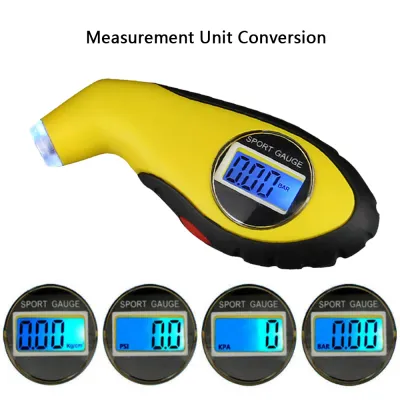
To make your final decision, align the characteristics of each gauge type with your specific driving routine and storage preferences. A digital tyre pressure gauge is the ideal choice if you prioritize quick, unambiguous readings and frequently perform maintenance in low-light environments like covered car parks or during evening hours. The digital interface is also highly suited for drivers who appreciate modern electronic conveniences, such as automatic power-off and multi-unit displays that switch easily between PSI, bar, kPa, and kg/cm².
An analog tyre pressure gauge is the superior option if you want a highly dependable, “set-and-forget” tool that requires zero maintenance or battery management. It is particularly well-suited for drivers who plan to store the gauge permanently in their vehicle’s boot or glovebox, where extreme cabin temperatures might otherwise degrade digital screens and drain batteries. The tactile feedback and rugged mechanical nature of a high-quality dial gauge appeal to traditional DIY enthusiasts who value classic workshop tools.
Regardless of which type you prefer, always verify if your vehicle has specialized requirements before buying. For instance, motorcycles often have very limited clearance around the brake discs, requiring a specialized 90-degree chuck. Heavy commercial vehicles or light trucks may require dual-head chucks to reach the inner tyres of a dual-wheel axle, along with a gauge capable of reading pressures well over 100 PSI. Matching the physical design of the gauge to your vehicle’s specific layout ensures safe, hassle-free maintenance.
Frequently Asked Questions (FAQ)
Does temperature affect digital tyre pressure gauges more than analog ones?
Yes, extreme temperatures tend to have a more noticeable impact on digital gauges than analog ones. In very cold conditions, the liquid crystals in digital LCD screens can become sluggish, slowing down the display responsiveness, while cold temperatures also reduce battery output. In contrast, extreme heat—such as inside a car parked in direct sunlight—can damage digital screens and accelerate battery drain. While analog gauges can experience slight mechanical stiffness in extreme cold, they are generally more resilient to temperature fluctuations, though both types should ideally be stored in a moderate environment to maintain accuracy.
How often should I calibrate my tyre pressure gauge?
Most consumer-grade tyre pressure gauges are calibrated at the factory and do not feature user-serviceable calibration mechanisms. Instead of attempting to recalibrate the tool yourself, you should periodically verify its accuracy by comparing its readings against a known, high-quality reference gauge or a professional unit at a reputable tyre shop. If your gauge is dropped heavily, shows inconsistent readings, or fails to return completely to zero when disconnected from the valve, it is best to replace the unit to ensure you are not driving on incorrectly inflated tyres.
Can I use a standard car tyre pressure gauge for my bicycle?
Whether you can use a car tyre pressure gauge for a bicycle depends on the valve type and the pressure requirements of the bicycle tyres. Standard car gauges are designed for Schrader valves, which are common on mountain bikes and utility bicycles, but road bikes typically use narrower Presta valves, requiring an adapter or a dual-valve gauge. Additionally, road bicycle tyres often require much higher pressures (sometimes exceeding 80 to 100 PSI) than standard passenger cars, so you must verify that your car gauge’s maximum pressure limit and scale resolution can safely and accurately accommodate those higher ranges.

Community discussion
Share your experience or ask a question. Comments are reviewed before publication.