
The viscosity grades printed on your Lynlex motorcycle oil bottle indicate how easily the oil flows at different operating temperatures. These numbers are not arbitrary brand ratings; they represent standardized industry measurements established by the Society of Automotive Engineers (SAE). Understanding these grades is essential for selecting an oil that protects your engine during cold starts while maintaining a strong protective barrier under extreme heat.
Decoding the SAE Viscosity Numbers on Your Oil Bottle
When looking at a bottle of Lynlex motorcycle oil, you will typically see a code such as 10W-40 or 15W-50. This alphanumeric code represents a multi-grade oil designed to perform across a wide range of temperatures. The first part of the code, containing the letter “W,” stands for “Winter” and measures the oil’s flow characteristics at low temperatures. A lower number preceding the “W” indicates that the oil remains more fluid in cold conditions, which helps the oil pump quickly through the engine during a cold start.
The second number in the sequence, such as 40 or 50, represents the oil’s viscosity at normal engine operating temperatures, standardized at 100 degrees Celsius. A higher second number indicates a thicker, more viscous oil at high temperatures, which provides a more robust protective film under heavy thermal loads. Conversely, a lower second number indicates a thinner oil that flows more easily but may offer less resistance to extreme heat.
Products mentioned in this guide
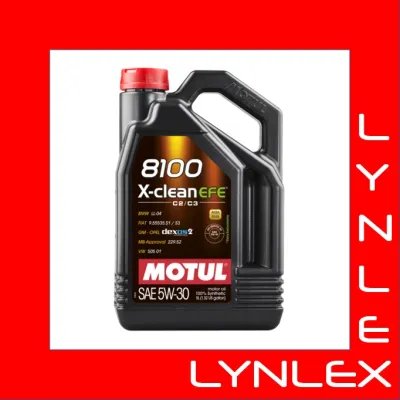
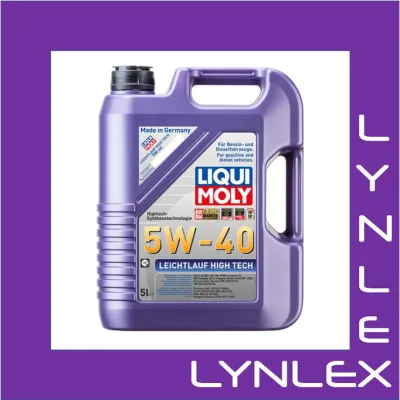
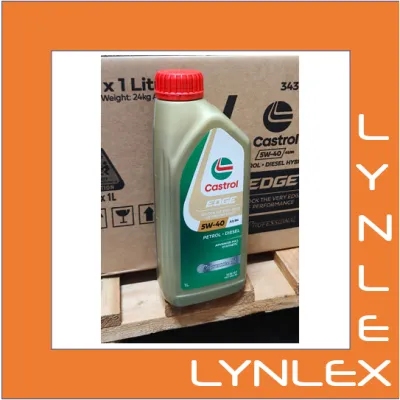
Prices are valid at publication and may change. Please refer to the product page for the latest price.
Because these numbers conform to the global SAE J300 standard, they are completely uniform across the lubricant industry. A 10W-40 grade on a Lynlex bottle represents the exact same viscosity parameters as a 10W-40 grade from any other certified manufacturer. This standardization allows motorcycle riders to make direct, objective comparisons when selecting engine lubricants, ensuring that the fluid matches the precise mechanical requirements of their machine.
Why Oil Thickness Matters for Your Motorcycle Engine
Viscosity is the single most critical physical property of any engine lubricant because it determines the thickness of the protective oil film. Inside your motorcycle engine, metal components move against each other at thousands of revolutions per minute. The oil must form a continuous, microscopic barrier between these moving parts to prevent direct metal-to-metal contact, which causes rapid wear, friction, and catastrophic engine failure.

Unlike passenger cars, most motorcycles utilize a shared sump system where a single oil lubricates the engine, the transmission gearbox, and the wet clutch. This multi-functional environment places unique demands on the lubricant. The oil must be thin enough to flow rapidly and cool the engine, yet robust enough to withstand the high shear forces generated by the gearbox gears without breaking down.
Using an oil with incorrect viscosity carries significant mechanical risks. If the oil is too thin, the protective film can rupture under high heat and RPM, leading to accelerated wear on the cylinder walls, pistons, and bearings. If the oil is too thick, it may not circulate quickly enough during startup, leaving critical top-end components temporarily dry. Furthermore, excessively thick oil can cause drag in the wet clutch, leading to poor clutch engagement, slippage, or difficulty shifting gears.
How to Choose the Right Lynlex Viscosity for Your Bike
The absolute primary authority for selecting the correct oil viscosity is your motorcycle’s owner’s manual. Manufacturers spend thousands of hours testing engines to determine the exact flow characteristics required for optimal lubrication, cooling, and clutch performance. Always refer to the manufacturer’s recommended SAE viscosity chart before purchasing any lubricant, as using an unapproved grade can void your warranty and compromise engine longevity.
Ambient environmental temperatures play a major role in determining which viscosity grade is most suitable for your riding conditions. In Singapore’s consistently warm, tropical climate, engines rarely experience the freezing temperatures that require ultra-low winter grades like 5W. Instead, local riding conditions typically favor standard or higher operating-temperature grades, such as 10W-40 or 15W-50, which maintain their structural integrity and protective film under high ambient heat and stop-and-go traffic.
For high-mileage motorcycles, some riders consider adjusting their oil viscosity to compensate for internal engine wear. Over time, physical clearances between moving parts can widen slightly, which may lead to minor oil consumption or lower oil pressure. While a slightly thicker oil can sometimes help seal these wider clearances, any deviation from the standard viscosity must strictly align with the manufacturer’s alternative guidelines or be performed under the direct advice of a qualified professional mechanic.
Verifying the Oil Label and Specifications Before Use
Before purchasing or pouring any motorcycle oil, you must carefully inspect the product label to verify that it matches your vehicle’s requirements. The SAE viscosity grade should be prominently and clearly displayed on the front of the bottle. Ensure that this grade matches the specific recommendation outlined in your motorcycle’s documentation for the current operating environment.
In addition to the viscosity grade, you must verify that the oil carries the necessary motorcycle-specific performance certifications. Look for the Japanese Automotive Standards Organization (JASO) standards, specifically JASO MA or JASO MA2, which are formulated specifically for wet-clutch compatibility. Car oils lack these friction modifiers and can cause clutch slippage if used in a motorcycle. The certification should be clearly printed on the back label, often within a dedicated regulatory box.
Establish a strict stop condition before performing any oil change. If the bottle’s label is damaged, torn, or illegible, or if it lacks the required JASO certifications, do not pour the oil into your engine. Using an unverified or incorrect fluid can lead to immediate clutch malfunction or severe internal engine damage. If you are ever unsure about the authenticity or specifications of the product, consult a qualified professional mechanic or contact the manufacturer directly before proceeding.
Frequently Asked Questions (FAQ)
Can I mix different viscosity grades of Lynlex oil in an emergency?
Mixing different viscosity grades of oil is highly discouraged because it alters the final viscosity of the mixture in an unpredictable manner. If you find your engine critically low on oil and face an emergency situation, topping up with a different grade of Lynlex oil is acceptable solely to prevent the engine from running dry. However, you should treat this as a temporary measure and perform a complete oil and filter change as soon as possible to restore the correct viscosity profile.
Does a higher viscosity number always mean better engine protection?
No, a higher viscosity number does not automatically translate to superior engine protection. Modern motorcycle engines are engineered with incredibly tight tolerances and precise clearances that require specific oil flow rates to cool and lubricate components. Using an oil that is thicker than recommended can restrict flow, prevent the lubricant from reaching critical areas during cold starts, increase internal drag, and reduce fuel efficiency. Always stick to the viscosity range specified by your motorcycle’s manufacturer.

Community discussion
Share your experience or ask a question. Comments are reviewed before publication.