
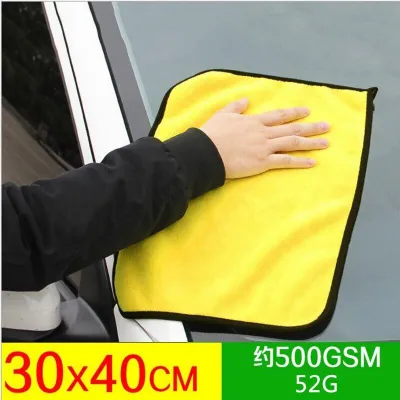
When preparing to polish your vehicle, selecting the right car polishing cloth is just as critical as choosing the compound itself. The key specification to look for is GSM, or grams per square meter, which measures the density and weight of the microfiber fabric. For most car polishing tasks, a GSM range of 300 to 500 is the ideal sweet spot for removing residue, while plush cloths of 500 GSM and above excel at final buffing.
Choosing the wrong thickness can lead to inefficient product removal or, worse, fine scratches on your clear coat. In warm, humid climates like Singapore, polishing compounds can dry out quickly on the paint surface. Having the right cloth density ensures you can wipe away residues efficiently before they bake onto the clear coat under sheltered multi-storey car park lighting.
What GSM Means for Microfiber Cloths
GSM stands for grams per square meter, representing the weight of the fabric over a standard area. This metric directly influences the cloth’s thickness, plushness, and overall buffering capacity against your car’s paint. A higher GSM indicates a denser weave with more individual fibers or longer loops, creating a thicker cushion between your hand and the vehicle’s delicate clear coat.
Products mentioned in this guide
![[LOCAL SG] 400GSM DUAL PILE MICROFIBRE CLOTH FOR CAR DETAILING WASH TWO SIDES TOWEL](https://img.lazcdn.com/g/p/21f430b3f7b15f7a2a9c7329e8755289.jpg_400x400q80.jpg_.webp)
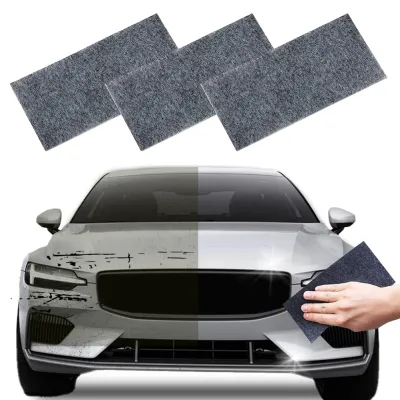
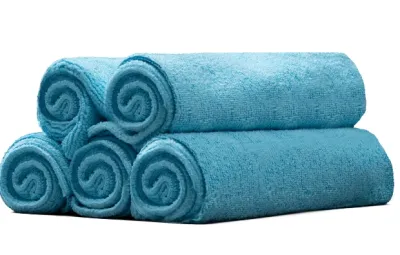
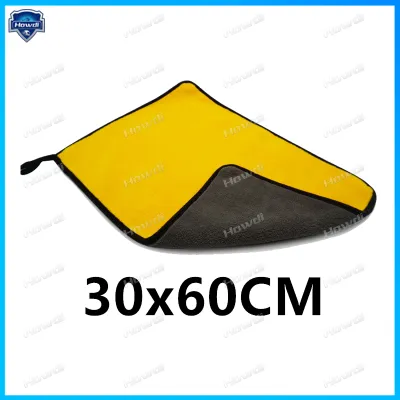
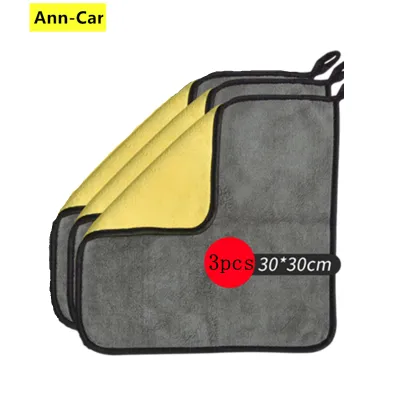

Prices are valid at publication and may change. Please refer to the product page for the latest price.
However, a higher GSM is not universally better for every detailing step. Thicker, ultra-plush towels can absorb too much liquid product, making them highly inefficient for spreading compounds or polishes. Conversely, a cloth with a GSM that is too low may lack the cushioning needed to prevent your hand pressure from causing micro-marring on soft paint.
While GSM is a primary indicator of fabric weight, it does not work in isolation. The fiber blend ratio (typically polyester and polyamide) and the edge construction of the cloth are equally critical specifications. Together, these structural elements determine how safely and effectively a cloth will perform during a paint correction or enhancement process.
Matching GSM Ranges to Polishing Tasks
Low to medium GSM cloths, typically ranging from 200 to 300 GSM, feature a thinner profile and shorter fiber loops. These are generally suited for initial compound application or utility tasks where you want to minimize product absorption. Because they do not soak up excessive amounts of polish, they allow the abrasive particles to remain on the paint surface where they can do their work.

Medium to high GSM cloths, falling between 300 and 500 GSM, are the workhorses of the polishing process. This moderate thickness offers the perfect balance of absorption and paint protection, making them ideal for leveling and removing sticky polish residues. They provide enough bite to grab residue without clogging instantly, while still offering a safe cushion against the paint.
High GSM cloths, which range from 500 to 600+ GSM, feature thick, plush piles that maximize cushioning and minimize friction. These dense towels are best reserved for final buffing, wiping away quick detailers, or working on extremely soft, sensitive clear coats. Their deep pile allows stray dust particles to sink deep into the fabric, keeping them away from the paint surface.
Always verify the manufacturer’s intended use on the product label before starting. Different weave patterns, such as closed-loop or twist-loop designs, can alter the actual feel and performance of the cloth regardless of its rated GSM.
Beyond GSM: Other Critical Cloth Specifications
To ensure maximum safety during the polishing process, you must look beyond fabric weight and evaluate the edge design of the cloth. Standard stitched edges often use hard polyester threads that can easily scratch a freshly polished clear coat. Opting for edgeless designs, which are ultrasonically cut, or cloths with soft silk-banded edges significantly reduces the risk of micro-marring.
Pile length and weave style also dictate how a cloth handles abrasive particles. A short-nap weave provides more surface friction, which is highly effective for pulling stubborn, oily polish residues off the paint. Long-plush piles, on the other hand, excel at trapping loose dust and buffing away light haze without putting unnecessary pressure on the clear coat.
Additionally, pay close attention to the material blend ratio, which is usually expressed as a mix of polyester and polyamide. A standard 80/20 blend is common, but a premium 70/30 blend offers a higher percentage of polyamide, which increases softness, absorbency, and scratch resistance. This higher polyamide content is highly recommended for delicate finishing steps on soft Japanese or European clear coats.
Care and Maintenance to Preserve Cloth Performance
To keep your microfiber cloths safe for clear coats over multiple uses, proper washing is essential. Always wash your polishing cloths with a dedicated microfiber restorer or a dye-free, scent-free liquid detergent. Avoid fabric softeners entirely, as they coat the synthetic fibers in a chemical layer that clogs the weave, destroying both absorbency and the natural static charge that traps dust.
When drying your cloths, synthetic fibers like polyester and polyamide are highly sensitive to heat and can easily melt or shrink. Tumble dry them on a no-heat or low-heat setting, or hang them to air dry in a clean, dust-free indoor environment. In tropical regions, storing dry cloths in sealed plastic containers prevents them from absorbing ambient humidity and airborne grit while sitting on garage shelves.
Finally, always sort your laundry by task to prevent cross-contamination. Never wash high-quality paint polishing towels in the same load as dirty wheel, engine bay, or interior cloths. Hard brake dust particles and heavy grease can easily become embedded in your plush polishing towels, creating a severe scratching hazard the next time you buff your paint.
Frequently Asked Questions (FAQ)
Can I use the same high GSM cloth for applying and removing polish?
Using a high GSM cloth for both tasks is highly inefficient. Applying polish requires a thinner, low-absorption applicator so the product stays on the paint rather than soaking into the fabric. Removing polish requires a medium-GSM cloth with enough bite to level the residue, followed by a high-GSM cloth for the final buffing stage.
Does a higher GSM guarantee a scratch-free finish?
No, GSM is only a measure of fabric weight and density, not a guarantee of safety. A high-GSM cloth can still scratch your paint if it has trapped dirt from a previous wash, if it has rough stitched edges, or if you apply excessive downward pressure. Proper washing techniques, clean storage, and correct hand pressure are just as vital as the cloth’s specifications.

Community discussion
Share your experience or ask a question. Comments are reviewed before publication.