
Finding the ideal front windshield sun shade for your Toyota Noah R90 is essential to preserving your vehicle’s interior comfort and protecting its sensitive electronic components. The Noah R90 features an exceptionally large, steeply raked front windshield that acts like a greenhouse under direct sunlight, rapidly elevating cabin temperatures. Standard, off-the-shelf universal sun shades rarely provide the precise coverage required for this expansive glass area, leaving significant gaps that allow heat and damaging ultraviolet rays to penetrate the cabin. By selecting a custom-fit sun shade designed specifically for the R90 generation, you ensure complete edge-to-edge coverage, maximum thermal rejection, and a secure fit that will not sag or slip over time.
Why Custom-Fit Matters for the Noah R90 Windshield
The Toyota Noah R90 is celebrated for its spacious, family-friendly cabin, a design feature made possible by its high roofline and expansive glass surfaces. However, this generous front windshield presents a unique challenge when it comes to solar heat management. Universal sun shades are typically manufactured in standard rectangular or oval shapes that fail to match the distinct, trapezoidal contours of the R90’s front glass. When you attempt to use a generic shade, you will often find that it is either too short to reach the top of the windshield or too narrow to cover the outer edges, resulting in substantial light leakage.
These edge gaps are more than just an aesthetic annoyance; they are the primary entry points for solar radiation. Even a small gap of a few centimeters along the perimeter of the windshield can allow a significant amount of direct sunlight to strike the dashboard, steering wheel, and front seats. Over time, this localized exposure leads to localized heat buildup, which then radiates throughout the entire cabin, forcing your vehicle’s air conditioning system to work much harder to cool the interior. Furthermore, prolonged exposure to unfiltered ultraviolet (UV) rays through these gaps can cause the dashboard materials to fade, dry out, and eventually crack, severely impacting the resale value of your vehicle.
Products mentioned in this guide
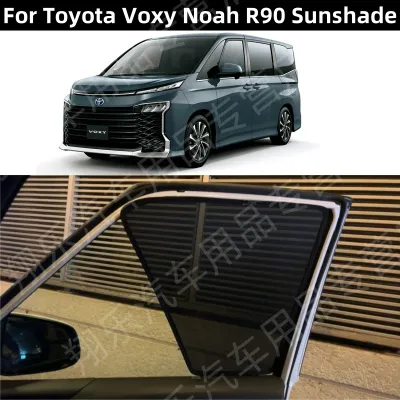
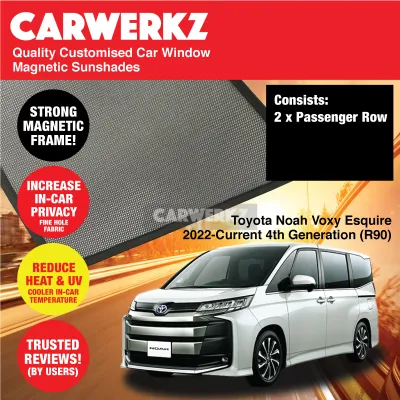
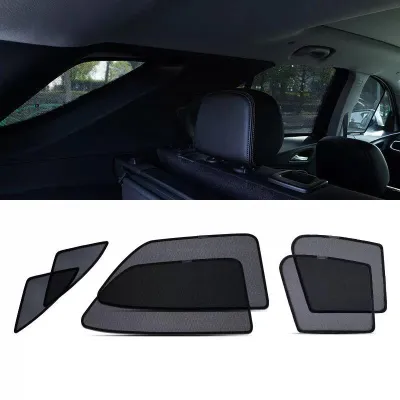
Prices are valid at publication and may change. Please refer to the product page for the latest price.
A custom-fit sun shade addresses these vulnerabilities by utilizing a precise template that mirrors the exact dimensions and angles of the R90 windshield. This tailored design ensures that the shade sits flush against the glass, leaving virtually no gaps around the A-pillars, the dashboard base, or the upper headliner. By maintaining a tight, edge-to-edge seal, the custom shade creates an effective barrier that traps heat between the glass and the reflective surface of the shade, preventing it from entering the cabin airspace.
Additionally, the structural integrity of a custom-fit shade relies on this precise contour matching to remain securely in place. Because the shade is cut to the exact shape of the window frame, it can leverage the vehicle’s sun visors and the natural boundaries of the windshield pillars to maintain structural tension. This prevents the shade from sagging, collapsing, or falling down during hot afternoons, a common issue with flimsy universal alternatives that lack the necessary structural support.
Key Selection Criteria for Heat Rejection and Protection
When evaluating custom-fit sun shades for your Noah R90, it is important to look beyond basic marketing claims and closely examine the materials and construction methods used. The primary function of a high-quality sun shade is twofold: reflecting incoming solar radiation and insulating the cabin from the heat that does manage to penetrate the outer layer. To achieve this, manufacturers typically employ a multi-layer construction, with each layer serving a specific thermal purpose.

The outermost layer of the sun shade should feature a highly reflective surface designed to bounce sunlight away from the vehicle. Look for products that utilize advanced reflective coatings, such as titanium silver or high-grade aluminum film, which are highly effective at deflecting both visible light and infrared radiation. In contrast, shades with darker or matte outer surfaces tend to absorb heat rather than reflect it, which can cause the shade itself to become extremely hot and radiate that heat directly into the cabin.
Beneath the reflective outer layer, a quality sun shade should incorporate one or more insulating layers to block thermal transfer. Common insulation materials include high-density polyethylene bubble cores, closed-cell foam, or non-woven cotton layers. These materials work by trapping air within tiny pockets, creating a thermal barrier that slows down the transfer of heat from the hot windshield glass to the cooler cabin interior. When reviewing product specifications, check the manufacturer’s descriptions for details on the number of layers and the specific materials used, as a thicker, multi-layered construction generally offers superior thermal resistance compared to single-layer fabric shades.
It is also crucial to verify the manufacturer’s claims regarding ultraviolet (UV) and infrared (IR) blocking capabilities. High-quality sun shades are often rated to block a high percentage of harmful UV rays, which are responsible for interior fading and material degradation, as well as IR rays, which are the primary source of solar heat. Rather than relying solely on generic material names, look for products that provide specific performance metrics or certifications on their packaging or product listings. This level of detail indicates that the manufacturer has subjected the product to quality control standards, giving you greater confidence in its long-term protective capabilities.
Structural Designs and Storage Considerations
Custom-fit sun shades for the Toyota Noah R90 are available in several distinct structural designs, each offering a different balance of rigidity, ease of deployment, and storage convenience. Understanding these design differences will help you select a shade that aligns with your daily usage patterns and cabin organization preferences.
One of the most common designs is the accordion-fold sun shade, which features rigid panels that fold neatly along pre-creased lines. Accordion shades are highly favored for their structural stability; because the panels are relatively stiff, they do not sag and are very easy to position against the windshield. To deploy an accordion shade, you simply unfold it across the dashboard and secure it using the vehicle’s sun visors. However, because of their rigid construction, accordion shades have a larger collapsed footprint and can be somewhat cumbersome to store when passengers are occupying the front and rear seats.
Another popular option is the collapsible spring-wire shade, which utilizes a flexible metal or fiberglass frame sewn into a fabric body. These shades can be twisted and folded into a compact, circular shape, making them incredibly easy to store in seatback pockets, door bins, or under the seats. While highly convenient for storage, collapsible shades can sometimes be more challenging to fold initially, requiring a specific twisting motion that takes some practice to master. Additionally, because the fabric body is flexible, these shades may rely more heavily on the vehicle’s sun visors and precise edge fitment to remain taut against the glass.
Roll-up sun shades offer a middle ground, featuring a flexible, insulated material that rolls into a cylinder when not in use. These shades are typically secured with a built-in strap or hook-and-loop fastener. While they are straightforward to deploy and roll up, they can sometimes retain a curved memory shape over time, which may cause the edges to curl away from the windshield if the material is not of high quality.
Regardless of the structural design you choose, it is essential to inspect the quality of the edge binding and the rigidity of the frame. The perimeter of the sun shade is subject to constant friction and handling during installation and removal, making durable edge stitching critical to preventing fraying and material separation. A robust frame or reinforced edge binding ensures that the shade maintains its shape over years of use, preventing the sagging that can compromise both coverage and heat rejection.
Finally, consider how the shade’s collapsed size fits into your daily routine. In a family vehicle like the Noah R90, cabin space is highly valued, and a bulky sun shade that rolls or folds into a large package can quickly become an obstacle. Look for shades that include a dedicated storage bag or integrated securing straps to keep the folded shade neat, compact, and securely stowed when not in use.
Safety, Sensors, and Installation Clearances
Modern vehicles like the Toyota Noah R90 are equipped with advanced safety systems and driver assistance technologies that rely on sensors and cameras mounted near the top of the front windshield. When selecting and installing a custom-fit sun shade, it is critical to ensure that the product is designed to accommodate these sensitive components without causing physical damage or interfering with their operation.
The R90 generation features a prominent sensor housing behind the rearview mirror, which contains cameras and sensors for the vehicle’s collision avoidance and lane-keeping assist systems. A properly designed custom-fit sun shade must feature a dedicated cutout or a highly flexible zone at the top center to allow the shade to fit snugly around this housing. Attempting to force a sun shade without a proper cutout behind the rearview mirror can exert excessive pressure on the sensor housing, potentially misaligning the cameras or damaging the mounting brackets, which could compromise the functionality of your vehicle’s safety systems.
Furthermore, the installation process itself should not require excessive force. When placing the sun shade against the windshield, it should slide smoothly into position without scraping against the delicate plastic trim of the A-pillars or putting outward pressure on the rubber seals that line the glass. Over time, repeated rough installation can wear down these interior trims or compromise the integrity of the weather stripping, leading to potential water leaks or increased wind noise while driving.
It is also a matter of basic safety that the sun shade must be completely removed and safely stowed before the vehicle is put into motion. Never attempt to drive with the sun shade partially deployed or resting on the dashboard, as this completely obstructs your forward visibility and creates an immediate hazard. Additionally, a loose sun shade placed on the dashboard can interfere with the deployment of the passenger-side airbag in the event of a collision, potentially leading to severe injury. Ensure that your chosen shade can be quickly and easily collapsed so that removing it before every journey becomes a seamless, hassle-free habit.
Verifying Exact Fitment and Quality Before Purchase
Because the Toyota Noah has gone through multiple generations, with the R90 generation launching in 2022, it is vital to verify that any sun shade you purchase is specifically tailored for this exact model series. Many accessories marketed for the “Toyota Noah” may actually be designed for older generations, such as the R80, which have significantly different windshield dimensions and sensor configurations.
When shopping on online marketplaces or specialty automotive accessory sites, always cross-reference the product listing with your vehicle’s exact model year and generation code. Look for explicit mentions of the “R90” or “90 Series” in the product title or compatibility description. If the listing only specifies a range of years, contact the seller directly to confirm that the shade has been tested on the R90 platform and features the correct cutout for the updated ADAS sensor housing.
Given the variations in manufacturing tolerances among aftermarket accessory brands, it is highly recommended to review the return and exchange policies of the e-commerce platform or retailer before finalizing your purchase. Ensure that the seller offers a straightforward return process in the event that the shade does not fit as snugly as advertised or if there are manufacturing defects such as loose stitching or warped frames.
Another valuable step in verifying quality is to inspect user-uploaded photos and reviews on the product page. Look for photos shared by other Noah R90 owners that show the sun shade fully installed in their vehicles. Pay close attention to how well the edges align with the A-pillars, whether there is any sagging in the center, and how cleanly the cutout fits around the rearview mirror housing. Real-world photos provide a much more accurate representation of the product’s fit and finish than stylized promotional images, helping you make an informed decision and avoid the inconvenience of returning an ill-fitting accessory.
Frequently Asked Questions (FAQ)
How do I prevent the sun shade from scratching the windshield or dashboard?
To protect your vehicle’s interior surfaces from abrasion, always inspect the sun shade for any exposed metal wires, sharp plastic edges, or rough binding materials before installing it. When deploying the shade, gently slide it into position rather than dragging it across the dashboard surface, which can trap loose grit and cause fine scratches on the plastic trim. Keeping your dashboard clean and free of dust or debris will also minimize the risk of friction-induced wear. Additionally, follow the manufacturer’s recommended folding techniques to avoid creating sharp creases in the reflective material that could rub against the glass.
Is it necessary to use side window shades alongside the front windshield shade?
While the front windshield is the largest single source of solar heat entry, adding side window shades can significantly enhance your vehicle’s overall thermal protection, especially during prolonged parking in open areas. The front side windows of the Noah R90 typically do not feature the same level of dark privacy tinting as the rear passenger windows, leaving them highly vulnerable to direct lateral sunlight. If you frequently park in orientations where the side of the vehicle faces the sun, using matching custom-fit side shades will help create a complete thermal envelope, keeping the cabin significantly cooler and protecting the front door panels from UV damage.
Can I leave the sun shade deployed on the dashboard while the vehicle is in motion?
No, you must never leave the sun shade deployed or resting on the dashboard while the vehicle is in motion. Doing so completely blocks your forward line of sight, creating an extremely dangerous driving hazard and violating traffic safety laws. Furthermore, a loose sun shade on the dashboard can obstruct the deployment path of the front passenger airbag, preventing it from protecting occupants during an accident. Always fully collapse, secure, and stow the sun shade in a designated storage area, such as the door pocket or trunk, before starting your vehicle.

Community discussion
Share your experience or ask a question. Comments are reviewed before publication.