
Finding the most precise full-coverage TPE (Thermoplastic Elastomer) floor mats for your Toyota Prius requires looking beyond generic brand promises and focusing on exact vehicle specifications. Because the Prius has undergone multiple generational redesigns—each with distinct floor pan layouts, hybrid battery placements, and footwell dimensions—there is no single brand that universally fits every model year. The key to achieving a seamless, edge-to-edge fit lies in selecting mats that are specifically molded for your Prius’s generation and, crucially for drivers in Singapore, its right-hand drive (RHD) configuration. A truly compatible TPE mat must align perfectly with the factory floor retention clips, cover the dead pedal completely, and provide high perimeter walls to contain water and dirt without interfering with the accelerator or brake pedals.
Defining Full-Coverage and Fit Standards for the Prius
A genuine full-coverage floor mat does more than simply sit on the flat portions of the vehicle floor. For the Toyota Prius, a high-quality full-coverage design must feature raised perimeter walls—often referred to as high-lip edges—that extend several centimeters up the sides of the footwell. This design is essential for containing liquid spills, mud, and tropical rainwater carried in on footwear during Singapore’s sudden downpours. The coverage must also extend fully over the driver’s left-foot dead pedal and run high up behind the accelerator and brake pedals without obstructing their movement. In the rear passenger area, full coverage requires a single-piece mat or a highly integrated three-piece system that completely bridges the center floor hump, protecting the carpet from wear and dirt.
The interior floor layout of the Prius varies significantly across its model generations, such as the third-generation (XW30), fourth-generation (XW50), and the fifth-generation (XW60). These variations are largely driven by changes in the vehicle’s platform and the packaging of the hybrid battery system. For instance, older models may have different rear floor contours compared to newer generations where the battery is positioned more compactly under the rear seats. Additionally, regional trim variations and drivetrain options, such as the E-Four all-wheel-drive variants found in some parallel-import Prius models, can alter the shape of the rear floor pan and the center tunnel. Consequently, a mat designed for a standard front-wheel-drive Prius may not sit flush in an E-Four model, highlighting the necessity of matching the exact model code and production year before purchasing.
Products mentioned in this guide
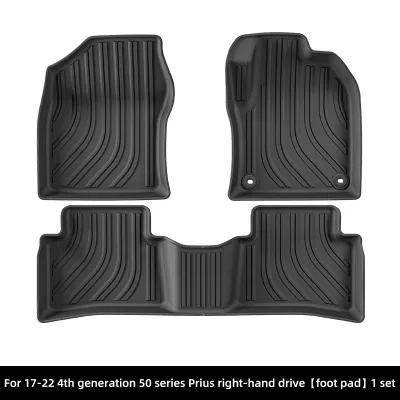
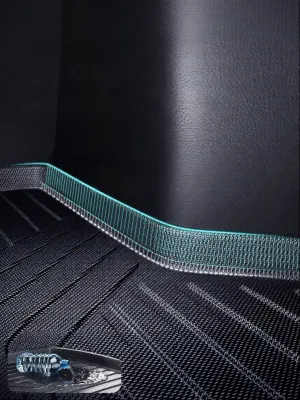
Prices are valid at publication and may change. Please refer to the product page for the latest price.
Core Comparison Dimensions for TPE Floor Mats
When comparing different TPE floor mats, several physical and structural dimensions determine their overall performance and suitability for your Prius. The first dimension is edge height and lip rigidity. High perimeter walls are only effective if they maintain their upright shape over years of use; cheap or thin TPE formulations tend to warp, curl inward, or collapse under foot pressure, allowing dirt and liquids to bypass the mat and stain the underlying carpet. A quality mat features reinforced, rigid edges that press firmly against the plastic trim of the footwell, maintaining a tight seal.

The second dimension is the balance between material thickness and flexibility. While thicker TPE mats generally offer superior puncture resistance and long-term durability, they can be stiff and difficult to maneuver. This stiffness makes removing the mats for cleaning a chore, often resulting in spilled debris as you struggle to bend the mat out of the footwell. Conversely, mats that are too thin or overly flexible may feel flimsy underfoot and fail to retain their molded shape over time. The ideal TPE mat strikes a balance, offering a robust, semi-rigid structure that can still be slightly flexed during installation and removal.
The third dimension involves the surface texture and grip patterns molded into the TPE. A well-designed mat features deep channels or a textured tread pattern that traps water, sand, and mud away from your shoes while providing reliable traction. This prevents your feet from slipping when entering the vehicle with wet soles—a common occurrence during the wet season. Finally, the retention system compatibility is a non-negotiable safety and fit dimension. The driver-side mat must feature precise, factory-compatible cutouts or locking grommets that twist securely onto the Prius’s floor anchors, preventing the mat from sliding forward during driving.
Evaluating TPE Mat Brands and Sourcing Options
Prius owners looking for TPE floor mats will encounter a wide range of options, from premium custom-molded brands to budget-friendly generic alternatives on online marketplaces. Premium brands typically utilize advanced 3D laser scanning technology to map the exact contours of the Prius footwell, resulting in a highly precise, glove-like fit. These manufacturers produce mats designed specifically for either left-hand drive or right-hand drive configurations. When sourcing mats in Singapore, it is critical to verify that the product is explicitly designed for RHD vehicles, as LHD mats feature mirrored footwell shapes and pedal cutouts that are completely incompatible and highly dangerous if forced into an RHD Prius.
Budget and semi-custom options found on ecommerce platforms often promise a universal or semi-universal fit, which rarely translates to a satisfactory experience in a Prius. These lower-tier mats may require manual trimming or may lack the precise cutouts for the floor retention clips. To verify model-specific molding claims before buying, carefully inspect the product listings for exact generation compatibility (e.g., “Fits Prius XW50 2015-2022 RHD”) and thoroughly review user-submitted photos. Look closely at how the mat sits around the seat tracks and the center console; any visible gaps, bunching, or lifted edges in user photos indicate a sub-par mold.
Warranty terms and return policies are also vital indicators of product quality and manufacturer confidence. Premium TPE mat brands often provide multi-year or lifetime warranties against cracking, warping, or splitting under normal use, and offer clear return pathways if the fit is not perfect. In contrast, unbranded or extremely cheap listings on online marketplaces frequently offer no warranty and make returns difficult or expensive. Red flags to watch out for in unbranded listings include vague sizing descriptions (such as “fits most Toyota models”), missing or poorly positioned retention clip holes, and prices that seem unrealistically low—typically under S$40 for a full set—which often point to low-grade PVC or thin, smelly plastic rather than high-quality, odorless TPE.
Safety, Installation, and Pedal Clearance Checks
The single most critical aspect of installing any aftermarket floor mat is ensuring it does not compromise vehicle safety. On the driver’s side, you must verify that the TPE mat does not interfere with the full range of motion of both the accelerator and brake pedals. After placing the mat in the footwell, manually depress each pedal completely to the floorboard to confirm there is ample clearance and absolutely no risk of the pedal catching on the edge of the mat or getting stuck in a depressed position. This check is especially vital for the Prius, which uses an organ-style or suspended pedal design depending on the generation, requiring precise clearance around the pedal base.
Next, align the mat’s built-in retention holes with the factory floor hooks on the Prius floor. The mat must lock firmly into place with a distinct click or twist, securing it against any forward or lateral movement. Never stack a new TPE mat on top of existing carpet or rubber mats, as this raises the height of the floor surface, prevents the retention clips from engaging, and significantly increases the risk of pedal entrapment. The mat must sit directly on the vehicle’s original factory carpeting.
Once installed, check that the mat lies completely flat across the entire footwell. There should be no lifting at the corners, bowing in the middle, or bunching near the seat tracks. Slide the front seats through their entire forward and backward adjustment range to ensure the tracks do not catch on or crush the rear edges of the mats. If you observe any fitment issues, such as a mat that slides forward despite being clipped in, or an edge that pinches against a pedal, establish a strict stop condition: do not drive the vehicle with the mat installed. Return the product immediately rather than attempting to trim, cut, or modify the TPE material yourself, as DIY modifications can weaken the structural integrity of the mat and void any safety certifications.
Decision Framework: Choosing the Right TPE Mat
To select the ideal TPE floor mat for your Toyota Prius, consider your specific priorities, budget, and vehicle configuration. If your primary goals are maximum edge height, flawless retention clip alignment, complete dead pedal coverage, and a seamless aesthetic, investing in a premium, 3D-molded brand designed specifically for RHD Prius models is the most reliable path. These mats offer the highest level of protection against heavy spills and dirt, making them ideal for daily commuters, families, and private-hire drivers who experience high passenger turnover and want to preserve the vehicle’s resale value.
If you are operating on a tighter budget and primarily require basic protection against occasional dirt or light rain, a mid-tier or semi-custom TPE mat may suffice, provided you strictly verify its compatibility and safety clearances. When opting for a budget-friendly choice, you must accept potential trade-offs, such as slightly lower perimeter walls, less rigid edges that may warp over time, or a less precise fit around the rear seat tracks. Regardless of price, you should never purchase a mat that lacks proper retention clip cutouts, interferes with seat adjustments, or restricts pedal movement in any way.
Before making a final purchase, always perform a thorough compatibility check. If you own an older Prius generation, a unique regional trim (such as a Japanese domestic market import), or a vehicle with aftermarket floor modifications, contact the seller directly to confirm fitment. Ask for specific dimensions or photos of the mat installed in an identical model year. Taking these precautionary steps ensures you receive a product that enhances your Prius’s interior utility and maintains the highest standards of driving safety.
Frequently Asked Questions (FAQ)
Do TPE mats emit a strong odor in hot weather?
High-quality TPE (Thermoplastic Elastomer) mats are generally odorless because they do not contain the volatile organic compounds (VOCs) commonly found in cheap PVC or low-grade rubber mats. Even when exposed to intense tropical heat and direct sunlight while parked outdoors in Singapore, premium TPE mats will not emit toxic fumes or strong chemical smells. If you notice a slight plastic scent immediately after unboxing a new set of mats, this is typically temporary off-gassing from the packaging material. You can easily resolve this by washing the mats with mild soap and water and letting them air-dry in a shaded, well-ventilated area for a few hours before installing them in your Prius.
Can I use generic universal mats instead of custom-fit TPE mats?
Using generic universal mats in a Toyota Prius is highly discouraged due to significant safety and coverage trade-offs. Universal mats are designed to fit a wide variety of vehicle shapes, meaning they rarely align with the specific floor contours, pedal layouts, and retention hooks of the Prius. This lack of precision often leads to the mat sliding forward, bunching up under the pedals, or blocking the accelerator and brake controls, creating a severe driving hazard. Furthermore, universal mats do not provide the high perimeter walls or complete dead pedal coverage of custom-molded TPE mats, leaving large areas of your vehicle’s original carpet exposed to dirt, moisture, and wear.
How do I clean and maintain TPE floor mats?
Cleaning TPE floor mats is a straightforward process that does not require specialized or harsh chemicals. For routine maintenance, simply remove the mats from your Prius, shake off loose dirt and debris, and rinse them thoroughly with a garden hose or a pressure washer. For stubborn dirt, mud, or grime, apply a mild household dish soap or a dedicated car shampoo diluted in water, and scrub the surface gently with a soft-bristled brush. Avoid using harsh chemical cleaners, bleach, solvent-based degreasers, or silicone-based protectants, as these can degrade the TPE material, cause unsightly discoloration, and leave a slippery residue on the surface that compromises foot traction. Allow the mats to dry completely in the shade before reinstalling them.

Community discussion
Share your experience or ask a question. Comments are reviewed before publication.