
Upgrading your vehicle’s interior with a full-surround front car mat is one of the most practical ways to protect the footwell from dirt, moisture, and daily wear. However, finding the right mat requires looking past generic marketing claims to evaluate material composition, vehicle-specific fit, and safety clearances. A poorly fitting mat is not just an aesthetic issue; it can slide forward and obstruct your pedals, creating a severe safety hazard on the road.
By systematically comparing material durability, scanning accuracy, and pricing structures, you can secure a high-coverage solution that keeps your cabin clean and your driving experience safe. This guide outlines the essential evaluation criteria to help you compare available options and make an informed purchasing decision tailored to your vehicle and driving habits.
Evaluating Material Quality and Durability
When comparing full-surround front car mats, the choice of material directly impacts how well the product holds its shape over time. Thermoplastic Elastomer (TPE) has become a popular choice for drivers seeking a rubber-like, highly durable option. High-quality TPE is injection-molded, allowing it to retain its structural rigidity and resist curling at the edges. To check the quality of a TPE mat, perform a simple flexibility test: the material should bend under pressure but immediately snap back into its original molded shape without leaving crease marks.
Products mentioned in this guide
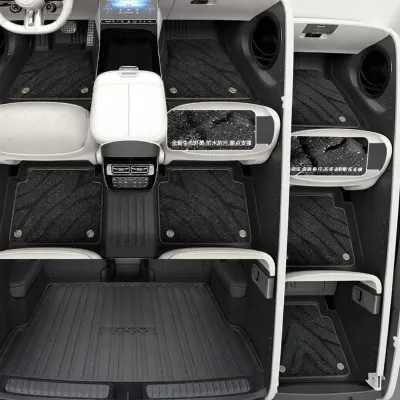
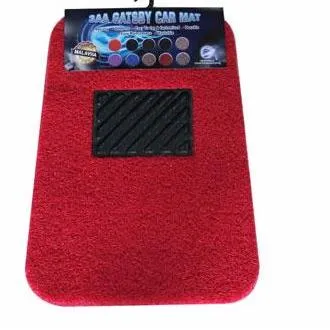
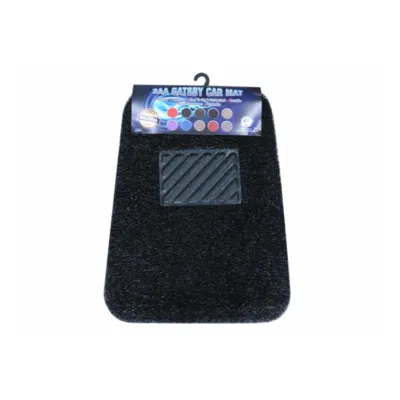
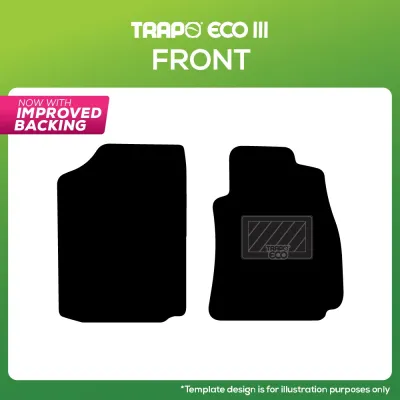
![Premium Customized Single Color Coil Car Mats (Available for Single Driver & Whole Sets [Front and Rear])](https://img.lazcdn.com/g/p/920b43741a30b013c3a5cddef1a906cf.jpg_400x400q80.jpg_.webp)
![Premium Customized Duo Tone Color Coil Car Mats (Available for Single Driver & Whole Sets [Front and Rear])](https://img.lazcdn.com/g/p/e3bbefe58e6dba663a34f14b762f5d98.jpg_400x400q80.jpg_.webp)
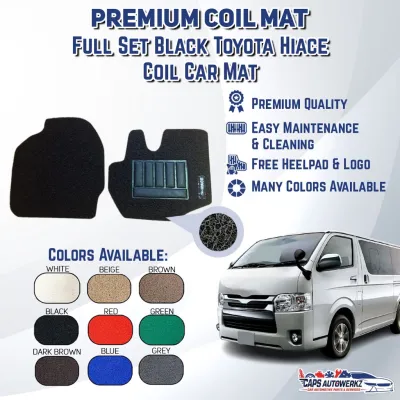
Prices are valid at publication and may change. Please refer to the product page for the latest price.
Synthetic leather (often polyurethane or PU) offers a more traditional, luxury aesthetic with quilted stitching. However, multi-layer synthetic mats require careful inspection of their construction. Ensure the mat features a high-density foam core and a robust, heat-bonded backing rather than cheap adhesives that can delaminate when exposed to moisture. If the layers separate, the mat will lose its structural integrity, causing the side walls to sag inward and potentially interfere with your feet or the pedals.
Another critical factor is how the material behaves under extreme temperatures. In hot and humid tropical climates like Singapore, cars parked in the sun can experience cabin temperatures exceeding 60°C. Under these conditions, low-grade PVC or cheap adhesives can off-gas volatile organic compounds (VOCs), resulting in a strong, unpleasant chemical odor. Before purchasing, verify the manufacturer’s specifications for certified non-toxic, low-odor, and high-temperature-resistant materials to ensure your cabin air quality remains safe.
The underside of the mat is just as important as the top surface. High-quality full-surround mats utilize specialized anti-slip backing textures, such as patented fiber grips or dense, non-damaging nibs, to lock the mat onto the vehicle’s carpet. Avoid mats with smooth plastic backings, as they rely entirely on gravity and are highly prone to shifting forward during sudden braking.
Assessing Fit and Coverage for Your Vehicle
Achieving a true full-surround fit requires precise manufacturing. Many premium brands use 3D or 5D laser scanning technology to map the exact contours of a vehicle’s footwell. However, even a laser-scanned mat can fail to fit if there are minor variations in your vehicle’s trim level, drivetrain, or model year. For example, a hybrid variant of a car may have a different floor contour than its petrol counterpart due to battery placement. Always verify compatibility against your exact vehicle documentation rather than relying on a generic model name.

Safety is the absolute priority when installing any front car mat. The mat must provide a clear safety boundary around the accelerator, brake, and clutch pedals. When test-fitting a new mat, physically depress each pedal completely to the floorboard to ensure there is no contact with the mat’s edges. The mat must not catch or delay the pedal as it returns to its resting position. If you notice any rubbing or restriction, do not drive the vehicle; consult the manufacturer or seek professional installation assistance.
Proper retention is another critical safety check. Modern vehicles come equipped with factory floor anchors or retention clips designed to keep floor mats in place. A high-quality aftermarket full-surround mat must feature matching, reinforced grommets or locking mechanisms that snap securely onto these factory anchors. If the mat does not align perfectly with your car’s original clips, it is not safe for road use.
Finally, check the clearance around your seat rails and adjustment mechanisms. Full-surround mats feature high side walls that extend upward along the center console and doorsills. Slide the front seats through their entire range of motion—both forward and backward, as well as up and down—to ensure the mat’s edges do not block the seat rails or get crushed by electric seat motors. If the mat is too thick or tall, it can strain the seat adjustment motors or prevent manual seats from locking securely into place.
Comparing Price Tiers and Value Propositions
Full-surround front car mats generally fall into three distinct price brackets, each offering different levels of material quality, customization, and longevity. Understanding what to expect at each tier helps you align your budget with realistic performance expectations.
Entry-level options typically range from S$40 to S$80. These mats are often made of thinner PVC or generic, semi-custom synthetic leather. While they offer basic coverage, they frequently lack precise vehicle-specific molding and may require manual trimming to fit. They also tend to have shorter lifespans, with the edges curling or the heel pad wearing through within a year of regular use.
Mid-range mats, priced between S$90 and S$180, generally offer the best balance of value and performance. In this bracket, you will find custom-molded TPE liners and durable multi-layer synthetic leather mats designed for specific vehicle models. These products usually feature integrated retention clip holes, better edge retention, and more robust anti-slip backings that prevent shifting.
Premium options range from S$200 to S$400 or more. These are top-tier, 3D laser-measured mats made from advanced proprietary TPE compounds or high-end, weather-resistant synthetic materials. They offer maximum side-wall coverage, seamless integration with factory anchors, and extended warranties. Many premium brands also sell through physical automotive accessory shops in Singapore, allowing you to view the material quality in person and receive professional installation support.
When budgeting, be aware of potential hidden costs. If you purchase heavy, non-foldable TPE mats from online marketplaces, shipping surcharges can be substantial due to the volumetric weight of the package. Additionally, avoid purchasing mats that must be folded for shipping, as folding can permanently crease TPE or damage the internal foam core of synthetic leather mats, ruining their fit and appearance.
Decision Framework: Choosing the Right Full-Surround Mat
To select the ideal full-surround front car mat, match your daily driving habits, maintenance preferences, and vehicle specifications to the right material and design.
Choose molded TPE mats if you prioritize quick, hassle-free maintenance and frequently deal with wet weather, muddy shoes, or spilled drinks. TPE is highly impervious to liquids, can be easily hosed down outside the vehicle, and dries almost instantly. This makes it an excellent choice for active drivers, pet owners, or families who need a utilitarian, highly durable barrier against the elements.
Choose multi-layer synthetic leather mats if you want to elevate your cabin’s luxury aesthetic and prefer a softer, cushioned feel underfoot. These mats complement premium leather interiors beautifully but require more careful maintenance. They are best suited for drivers who are willing to spend extra time vacuuming debris out of the stitched crevices and wiping down the surface with a damp cloth.
Verify first if your vehicle has specialized floor contours that require unique mat designs. For instance, cars with floor-mounted (organ-style) accelerator pedals require a mat with a precise cutout around the pedal base, whereas cars with hanging pedals allow for more continuous coverage underneath. Additionally, ensure the mat does not cover floorboard-mounted hybrid battery vents, under-seat air conditioning ducts, or advanced driver-assistance system (ADAS) sensors located near the floorboards.
Before placing an order, complete this final pre-purchase checklist to guarantee a safe and accurate fit:
- Confirm your exact vehicle make, model, production year, and trim level (e.g., petrol, hybrid, or electric).
- Identify the number and style of factory floor anchors on the driver and passenger sides.
- Check the manufacturer's return policy to ensure you can return or exchange the mats if they do not clear the pedals during the initial dry-fit test.
Frequently Asked Questions (FAQ)
Do full-surround mats interfere with pedal operation or seat adjustment?
Yes, poorly designed or incorrectly installed full-surround mats can interfere with both pedal operation and seat adjustment. Because these mats feature high side walls, any sagging or shifting can cause the material to bunch up behind or over the accelerator and brake pedals, leading to dangerous pedal entrapment. To prevent this, always verify that the mat is securely locked onto the factory floor anchors. After installation, perform a physical clearance check by fully depressing all pedals to ensure they move freely. Additionally, slide the front seats completely forward and backward to confirm the mat does not obstruct the seat rails or pinch the adjustment wiring.
What is the safest way to clean and maintain synthetic leather or TPE mats?
The safest way to clean your mats depends on their material, and you should always check the manufacturer’s care label before applying any chemical cleaners. For TPE mats, remove them from the vehicle, shake off loose dirt, hose them down with clean water, and use a mild, pH-neutral soap if necessary. Allow them to dry completely in a shaded area before reinstalling them. For synthetic leather mats, avoid saturating them with water, as moisture can seep through the stitched seams and rot the inner foam core. Instead, vacuum the surface and wipe it down with a damp microfiber cloth. Never apply silicone-based dressings or tire shines to any car mat, as these products make the surface dangerously slick underfoot.

Community discussion
Share your experience or ask a question. Comments are reviewed before publication.