
The ideal full-surround floor mat for your Tesla Model Y is one that matches your specific production year, cabin layout, and climate needs while ensuring absolute clearance for the pedals and seat rails. Because Tesla has updated the Model Y’s interior dimensions and seat riser designs over various production runs, there is no single universal brand that suits every driver. Instead, the right choice depends on verifying precise 3D laser-scanned fitment, selecting materials like TPE for heavy-duty waterproofing or XPE/leather-wrapped composites for a premium aesthetic, and confirming right-hand drive (RHD) compatibility for Singapore’s roads.
In a tropical climate marked by sudden downpours and high humidity, tracking water, mud, and sand into your vehicle is almost inevitable. A poorly fitting mat not only ruins the minimalist interior but can also slide forward, creating a severe hazard by obstructing the accelerator or brake pedals. To find the right balance of coverage, durability, and safety, drivers must evaluate mats based on material properties, physical clearances, and manufacturer-verified specifications rather than generic online listings.
Key Criteria for Evaluating Full-Surround Mats
True full-surround coverage goes far beyond standard flat mats by extending vertically to line the footwells, side walls, and the driver’s dead pedal area. This high-walled design prevents spilled liquids, mud, and loose debris from slipping over the edges and staining the original factory carpet underneath. For the Tesla Model Y, coverage must also extend beneath the front seats to protect the rear passenger footwells, where dirt easily accumulates.
Products mentioned in this guide
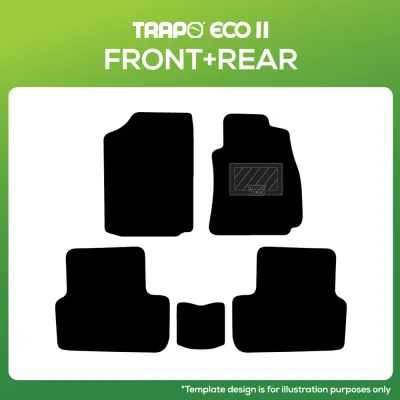
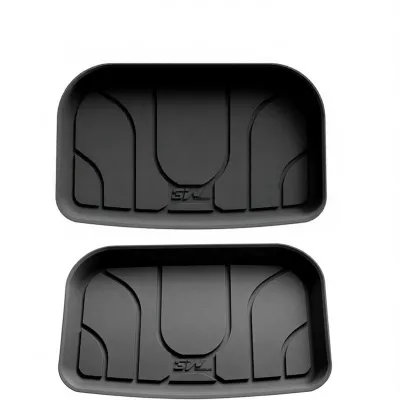
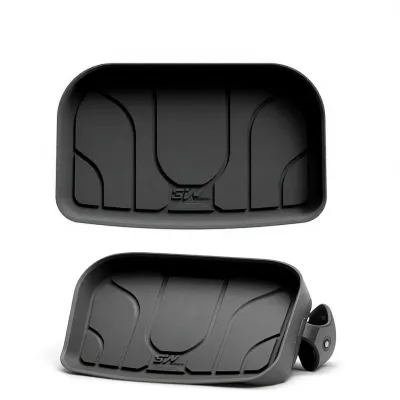
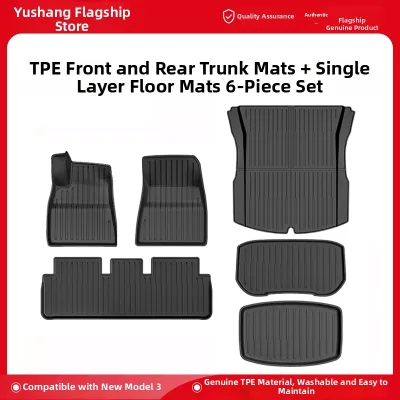
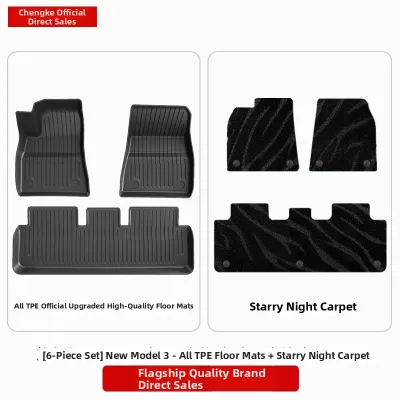
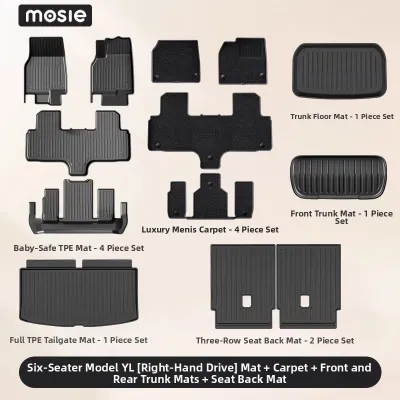
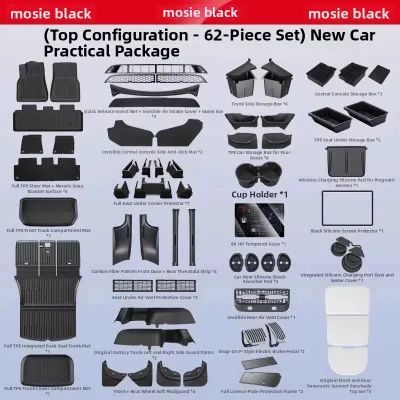
Prices are valid at publication and may change. Please refer to the product page for the latest price.
Achieving this level of coverage requires mats manufactured using precise 3D laser scanning technology. Because the Model Y has undergone subtle structural adjustments since its launch, a mat designed for an older model year or a left-hand drive (LHD) configuration may not align with the floor contours of a newer right-hand drive vehicle. Laser scanning ensures that every curve, angle, and mounting point is accounted for during the molding process.
Beyond physical dimensions, the backing of the mat is critical for maintaining its position during daily use. A high-quality full-surround mat must feature a non-slip backing—such as micro-spikes, hook-and-loop fasteners, or specialized anti-skid textures—that grips the factory carpet without damaging the fibers. This prevents the mat from shifting forward under foot pressure, which is a primary safety concern.
Secure retention clips are another essential feature. These clips must lock directly into the factory floor anchors to keep the driver-side mat firmly anchored. Additionally, because the Tesla cabin is a tightly sealed environment with an advanced cabin air filtration system, the materials used must be completely odorless and free from volatile organic compounds (VOCs) to prevent unpleasant chemical smells when the car is parked in the sun.
Comparing Material Types for Coverage and Durability
Selecting the right material involves balancing aesthetic preferences with practical maintenance requirements. Thermoplastic Elastomer (TPE) is highly favored for its exceptional durability, rubber-like flexibility, and resistance to extreme temperatures. TPE mats are completely waterproof, making them ideal for managing wet umbrellas and muddy shoes during Singapore’s monsoon seasons. They are also incredibly easy to clean; you can simply remove them from the vehicle and hose them down with clean water. However, TPE mats tend to have a more utilitarian, industrial appearance that some drivers feel detracts from the Model Y’s sleek interior.

For those seeking a more luxurious cabin feel, XPE (Cross-linked Polyethylene) and leather-wrapped composite mats offer a premium alternative. These mats typically feature a multi-layer construction, including a decorative top layer with quilted stitching, a cushioning foam core, and a non-slip bottom layer. They provide excellent sound dampening and a soft feel underfoot, matching the upscale aesthetic of the Tesla interior. The trade-off is that they require more delicate maintenance. Spills must be wiped up promptly, and harsh scrubbing or high-pressure washing can damage the stitched seams and allow moisture to penetrate the inner foam layers, potentially leading to mold or mildew over time.
Heavy-duty rubber mats represent another option, focusing purely on rugged protection. These mats are thick, heavy, and highly effective at trapping large volumes of liquid and dirt within deep channels. While they are virtually indestructible, they are often heavier to handle during cleaning and rarely offer the precise, high-walled, full-surround fit found in custom-molded TPE or XPE alternatives. They can also retain heat and emit a rubbery odor if left in a hot vehicle, making them less suitable for drivers who prioritize a pristine, scent-free cabin.
Fitment and Safety Checks Specific to Tesla Model Y
Safety must always take precedence over coverage and style when installing aftermarket floor mats. The most critical safety check is driver-side pedal clearance. You must verify that the accelerator and brake pedals can travel through their entire range of motion without catching on the edge of the mat. A mat that is even slightly too thick or poorly aligned can trap the accelerator pedal when fully depressed, leading to dangerous unintended acceleration. Always test pedal clearance statically with the vehicle powered off before driving.
Another common interference point involves the front seat rails and tracks. The Tesla Model Y features power-adjustable front seats that slide along metal tracks. Full-surround mats with high side walls must not obstruct these tracks or interfere with the seat motors. When installing new mats, slide both front seats completely forward and backward to ensure they move smoothly without catching, bunching, or lifting the edges of the mats.
The rear passenger area also requires careful inspection, particularly around the heating, ventilation, and air conditioning (HVAC) vents located under the front seats. Poorly designed rear mats can block these vents, restricting airflow to the back of the cabin and straining the climate control system. Ensure the mat’s rear edge sits flat and does not cover these openings. Additionally, verify that the center console storage compartments and folding rear seats can operate fully without rubbing against the mat’s edges.
How to Verify Brand Claims and Choose the Right Option
To make an informed decision without relying on unverified marketing claims, you should match the mat material to your daily driving habits and maintenance tolerance. If your primary goal is maximum waterproofing, effortless cleaning, and long-term durability against wet weather, a high-quality TPE-based brand is the most practical choice. These mats are built to withstand heavy use and can be restored to a like-new condition with a quick rinse, making them perfect for active lifestyles.
Conversely, if you prefer a sophisticated, upscale interior and do not mind spending a few extra minutes on specialized cleaning, a leather-wrapped or XPE composite mat is the better fit. These options elevate the cabin’s visual appeal and provide a quieter ride by absorbing road noise, though they require gentle wiping with a damp cloth rather than a high-pressure hose.
Before finalizing any purchase, you must verify the manufacturer’s exact compatibility specifications. The Tesla Model Y has experienced subtle interior design changes depending on its assembly factory and production year. Furthermore, because Singapore utilizes right-hand drive (RHD) vehicles, you must explicitly confirm that the mat set is designed for RHD layouts. Installing a left-hand drive (LHD) driver-side mat in an RHD vehicle is highly dangerous, as the pedal cutouts and dead pedal integration will not align, creating a severe risk of pedal obstruction.
Installation and Maintenance Guidelines
Proper installation is key to ensuring both safety and the longevity of your new floor mats. Begin by removing all existing floor mats from the vehicle; stacking aftermarket mats on top of factory mats is a serious safety hazard that can cause slippage and pedal interference. Once the footwells are completely bare, thoroughly vacuum the original carpet to remove any dirt, sand, or debris that could act as an abrasive under the new mats.
When placing the new mats into the footwells, align them carefully with the contours of the floor. Press down firmly to engage the factory retention clips, ensuring they click securely into place. Smooth out any wrinkles or raised edges, and double-check that the mats lay perfectly flat against the carpet. If a mat has been creased during shipping, allow it to sit in a warm, flat area for a few hours to regain its molded shape before installation.
Maintenance routines should be tailored strictly to the material of your mats. For TPE mats, remove them periodically, wash them with mild soap and water, and allow them to dry completely in the shade before reinstalling. For XPE or leather-wrapped mats, use a damp microfiber cloth and a mild, pH-neutral interior cleaner authorized for synthetic leather. Avoid using harsh chemical solvents, bleach, or silicone-based dressings, as these can degrade the materials, weaken the stitching, and leave a slippery residue that compromises driving safety.
Frequently Asked Questions (FAQ)
Do I need separate mats for the front trunk and rear cargo area?
While full-surround floor mat sets focus primarily on the passenger cabin, separate liners for the front trunk (frunk) and rear cargo area (trunk) are highly recommended for comprehensive protection. The rear cargo area is frequently used for transporting groceries, sports equipment, or wet gear, making it highly susceptible to spills and dirt. Purchasing a matching cargo liner ensures that your entire vehicle remains protected from moisture and wear, though these are typically sold separately or as part of expanded bundle packages.
Will installing aftermarket floor mats void my vehicle warranty?
Installing aftermarket floor mats will not void your Tesla vehicle warranty. Under standard consumer protection guidelines, a manufacturer cannot void a warranty simply because you use third-party accessories. However, if an improperly fitted aftermarket mat causes physical damage to the vehicle—such as tearing the seat rail mechanisms, blocking the HVAC vents and causing system strain, or interfering with the pedals and resulting in an accident—the cost of repairing that specific damage will not be covered under the factory warranty. Always ensure a perfect, unobstructed fit to avoid these issues.

Community discussion
Share your experience or ask a question. Comments are reviewed before publication.