
Finding the best full-surround floor mat for your Nissan Note requires matching the mat’s design to your vehicle’s specific generation, drivetrain layout, and right-hand drive configuration. Because the Nissan Note has evolved through distinct generations—most notably the E12 and the newer E13 e-Power models—a universal mat will not provide the precise fit needed for safety and cleanliness. The ideal brand is one that utilizes precise 3D scanning for right-hand drive layouts, offers high-quality thermoplastic elastomer (TPE) or multi-layer containment, and guarantees absolute pedal clearance.
To make an informed decision, you must evaluate how different brands handle the unique floor contours of the Nissan Note. A poorly fitting mat not only allows dirt and moisture to seep into your car’s carpet but can also slide forward and interfere with the foot pedals, creating a severe driving hazard. By focusing on material durability, fit precision, and secure retention mechanisms, you can select a full-surround mat brand that protects your vehicle’s interior while ensuring a safe driving experience.
Verify Your Nissan Note Generation and Interior Layout
Before comparing aftermarket floor mat brands, you must identify the exact generation and production year of your Nissan Note. The floor pans of the first-generation (E11), second-generation (E12), and third-generation (E13) models differ significantly. For instance, the highly popular E12 generation features a different floor layout than the newer E13 e-Power. Because the E13 e-Power houses hybrid battery components and a unique floating center console, its floor contours require a completely different mat shape than older petrol-only models.
Products mentioned in this guide
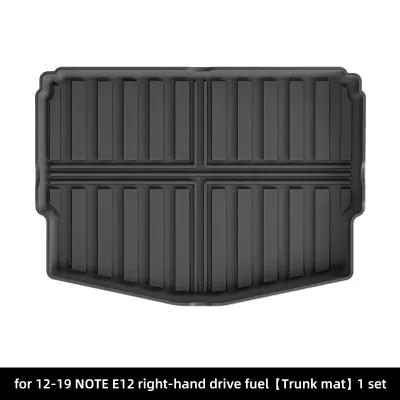
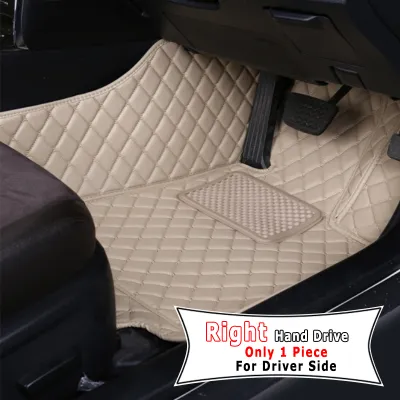
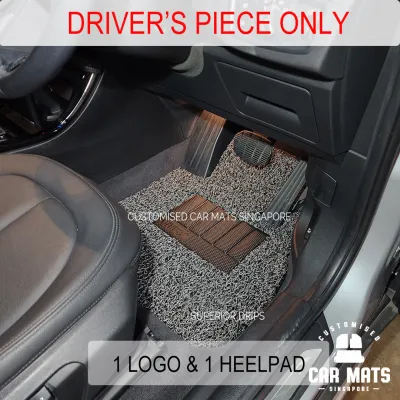
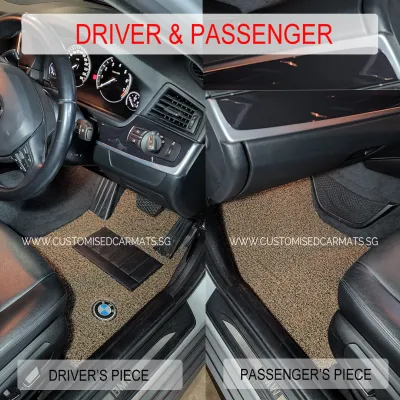
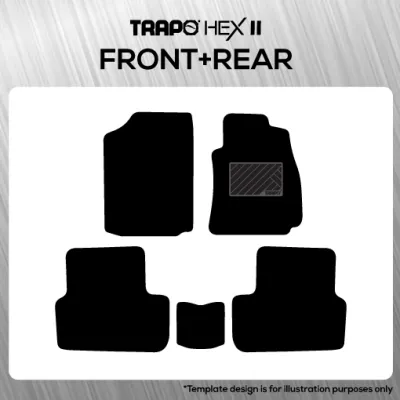
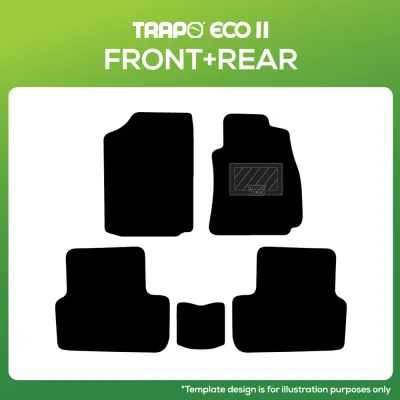

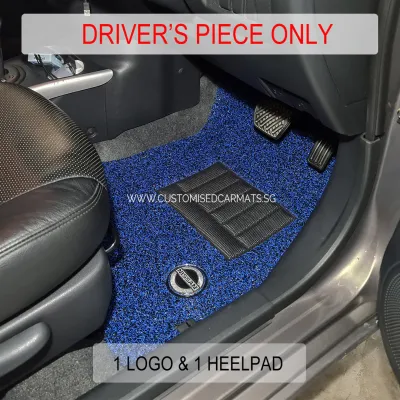
Prices are valid at publication and may change. Please refer to the product page for the latest price.
Interior trim variations also affect how a full-surround mat sits in the cabin. Some Nissan Note trims come with sliding rear seats, adjustable cargo floors, or different center console configurations that extend toward the back row. If a brand’s 3D mold was designed for a fixed rear bench, the high edges of a full-surround mat may buckle, fold, or prevent the rear seats from sliding smoothly. Always check if the manufacturer specifies compatibility with your exact trim level and seating configuration.
Crucially, you must verify that the mats are designed specifically for right-hand drive (RHD) vehicles. Since Singapore is an RHD market, the driver-side footwell is on the right, meaning the accelerator pedal, brake pedal, and footrest are arranged asymmetrically compared to left-hand drive (LHD) models. Many online listings feature generic photos of LHD mats. Installing an LHD mat in an RHD vehicle is highly dangerous, as the pedal cutouts will not align, potentially trapping the pedals under the mat.
Core Dimensions for Comparing Floor Mat Brands
When comparing full-surround floor mat brands, the choice of material is the most critical factor governing durability, odor, and maintenance. Thermoplastic elastomer (TPE) is highly regarded for its rubber-like flexibility and plastic-like durability. TPE mats are typically injection-molded or thermoformed, making them completely waterproof, odorless, and highly resistant to wear. They are particularly suited for humid climates where moisture can easily lead to mildew.

Cross-linked polyethylene (XPE) and synthetic leather (PU or PVC) represent another common category, often used in multi-layer, stitched full-surround mats. These mats offer a more luxurious, cushioned feel underfoot and are excellent for sound dampening. However, synthetic leather mats rely on stitched seams. Over time, water from wet shoes or umbrellas can seep through these stitches, trapping moisture in the underlying foam layers and leading to persistent musty odors.
Construction layers also vary between single-layer molded designs and double-layer systems. Double-layer mats feature a solid TPE or synthetic leather base with a removable top layer, such as a vinyl coil or carpet mat, secured by clips. This hybrid design offers the containment of a full-surround mat with the easy cleaning of a removable insert. However, these multi-layer systems are bulkier and heavier, which can make removal and reinstallation more cumbersome during routine cleaning.
Finally, evaluate the edge height and containment capability of each brand. True full-surround mats feature high vertical walls designed to contain spills, mud, and sand. The lip of the mat must be rigid enough to stand upright without sagging over time, yet flexible enough to fit snugly against the plastic door sills and center console panels. If the edges are too high or lack structural integrity, they may fold inward, catching on passenger shoes or blocking the path of the front seats.
Assessing Fit Precision and Driving Safety
Driving safety must be your primary concern when selecting an aftermarket floor mat brand for your Nissan Note. The driver-side mat must provide completely unobstructed clearance for all foot pedals. When testing or inspecting a brand’s design, ensure that the accelerator, brake, and footrest areas have sufficient clearance. The mat should not catch the edge of the accelerator pedal when it is fully depressed, nor should it prevent the brake pedal from reaching its full travel limit.
Seat rail and track compatibility is another area where fit precision is vital. The front seats of the Nissan Note slide along metal tracks bolted to the floor. High-quality full-surround mats are molded to curve precisely around these seat brackets. If a brand’s molding is slightly off, the high edges of the mat can get caught in the seat tracks when adjusting the seating position. This can jam the sliding mechanism or damage the mat’s edges over time.
To prevent the mats from shifting during driving, reliable anti-slip mechanisms are mandatory. The driver-side floor of the Nissan Note features factory retention hooks or pegs designed to lock the floor mat in place. Ensure the brand you choose includes matching, factory-compatible eyelets or locking clips that snap securely onto these pegs. Additionally, look for mats with an aggressive anti-slip backing—such as micro-hooks, nibbed textures, or specialized friction fibers—to prevent the passenger and rear mats from sliding forward.
Sourcing Channels and Pre-Purchase Verification
When purchasing full-surround floor mats, choosing the right sourcing channel can save you from costly fitment mistakes. Buying from local, authorized automotive accessory shops in Singapore offers the distinct advantage of physical verification. Many local retailers allow you to test-fit a sample mat in your Nissan Note before finalizing the purchase. This immediate feedback ensures that the RHD layout, pedal clearance, and seat track alignment are absolutely perfect.
If you choose to purchase from online marketplaces or brand official stores, you must exercise extra caution. Before placing an order, contact the seller directly to request exact fitment photos of the mats installed in your specific Nissan Note generation (such as the E12 or E13 e-Power). Confirm with the seller that the product is designed for right-hand drive vehicles. A reputable seller should be able to verify whether their molds are based on 3D scanning data of the RHD cabin.
Additionally, carefully review the seller’s return and exchange policies regarding fitment issues. Full-surround mats are bulky and expensive to ship back, especially if they are imported from overseas. Ensure the retailer offers a clear return policy or a fitment guarantee. If the mats arrive warped from shipping or fail to align with your vehicle’s factory floor pegs, you should have a straightforward path to a refund or replacement without incurring high return shipping fees.
Routine Maintenance and Cleaning Guidelines
Maintaining your full-surround floor mats properly ensures they remain safe, functional, and visually appealing for years. For single-layer TPE mats, routine cleaning is straightforward. You can simply remove the mats from the vehicle, shake off loose dirt, and wipe them down with a damp microfiber cloth. For heavier soil or mud, hose the mats down with clean water and a mild, pH-neutral car shampoo. Avoid using harsh household detergents, bleach, or degreasers, as these can dry out the polymer and cause premature cracking.
If you use multi-layer mats with removable coil or carpet inserts, separate the layers before cleaning. Vacuum the top inserts thoroughly to remove trapped dust and sand. If the inserts are washed with water, they must be allowed to dry completely in a well-ventilated area before reassembly. Trapping moisture between the top coil layer and the solid base mat creates a breeding ground for bacteria, mold, and unpleasant odors inside your vehicle’s cabin.
Never apply silicone-based dressings, tire shines, or vinyl protectants to your floor mats. While these products can make the mats look glossy and new, they leave behind a slick, greasy residue that makes the surface incredibly slippery. This poses a severe safety hazard, as your feet may slip off the pedals while driving. After washing, always allow the mats to air dry completely in the shade. Avoid exposing them to direct, intense sunlight for extended periods, as extreme heat can warp the molded edges.
Frequently Asked Questions (FAQ)
Will High-Edge Mats Block Floor-Level Air Vents?
In many Nissan Note models, floor-level air conditioning vents are located under the front driver and passenger seats to distribute air to the rear cabin. High-edge full-surround mats can potentially block these vents if the mat’s rear walls are molded too high or lack the proper cutouts. Before purchasing, look under your front seats to locate these vents, and verify that the brand you select features a low-profile edge or a specific recess in those areas to allow unobstructed airflow.
Should I Remove the Factory Mats Before Installation?
Yes, you must always remove the original factory carpet or rubber mats before installing aftermarket full-surround floor mats. Stacking multiple layers of mats is highly dangerous. It prevents the bottom mat’s retention clips from locking onto the factory floor pegs, allowing the entire stack to slide forward. Furthermore, stacking increases the overall thickness of the footwell floor, which can severely restrict pedal travel and cause the accelerator or brake pedal to catch on the mat’s edge.

Community discussion
Share your experience or ask a question. Comments are reviewed before publication.