
The “best” full-surround floor mat brand for your Honda Freed depends entirely on your specific vehicle generation, budget, and willingness to verify physical clearances. While premium custom-fit brands generally offer the safest and most comprehensive coverage without modification, mid-range options can provide excellent value if you carefully check seat rail and sliding door track clearances. This guide compares the market tiers available for the Honda Freed, focusing on fitment standards, safety checks, and practical decision-making rather than unverified performance claims.
Selecting the right floor mats for a compact multi-purpose vehicle (MPV) like the Honda Freed requires more care than choosing mats for a standard sedan. The Freed’s flat-floor design, walk-through cabin, and sliding doors mean that a poorly fitting mat can easily slide out of position, block seat adjustments, or even jam the sliding door tracks. By understanding the key differences between premium, mid-range, and budget options, you can protect your vehicle’s interior from dirt, mud, and spills while maintaining absolute safety on the road.
Key Comparison Criteria for Honda Freed Floor Mats
To find a floor mat brand that truly fits your Honda Freed, you must first define the physical and functional standards required for this specific vehicle layout. The Honda Freed has gone through multiple generations, most notably the first-generation (GB3/GB4) and the second-generation (GB5/GB6/GB7/GB8), alongside newer hybrid and petrol variants. Because the floor pans, hybrid battery placements, and seat rail configurations differ significantly between these models, a universal “one-size-fits-all” approach is highly likely to fail.
Products mentioned in this guide
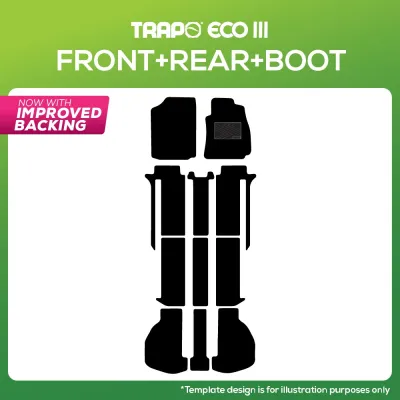
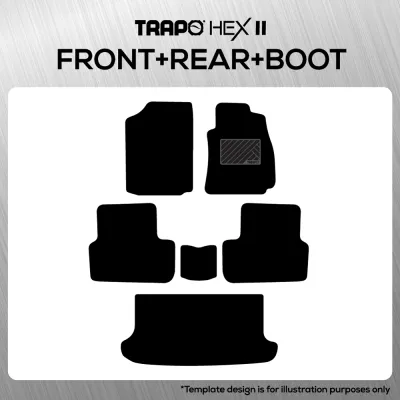
Prices are valid at publication and may change. Please refer to the product page for the latest price.
First, you must verify your exact Honda Freed generation and chassis code. Hybrid models often feature a slightly raised floor section under the front seats or center console to accommodate hybrid components, whereas petrol-only models have a completely flat walk-through area. A mat designed for a petrol model will not sit flush in a hybrid variant, leading to dangerous bunching or sliding underfoot.
Second, you must assess the clearance around the sliding door tracks and seat rails. The Honda Freed is celebrated for its highly adjustable second-row seats, which slide forward and backward on exposed metal rails. A high-quality full-surround mat must feature precise cutouts that allow these seats to glide smoothly without catching on the edges of the mat. Furthermore, the raised lips of the mat near the rear doors must not encroach on the lower guide tracks of the sliding doors, as any obstruction can strain the electric sliding door motors or cause the doors to bounce back when closing.
Third, the driver’s side pedal box requires meticulous evaluation. The Honda Freed features a compact footwell where the accelerator, brake, and sometimes a foot-operated parking brake are positioned close together. The floor mat must match these contours perfectly, ensuring that none of the pedals catch on the edge of the mat when fully depressed. Finally, the mat must align perfectly with the vehicle’s original floor retention clips to prevent any forward or lateral movement during daily driving.
Evaluating Brand Tiers for the Honda Freed
When shopping for Honda Freed floor mats, the market generally divides into three distinct tiers: premium custom-fit brands, mid-range semi-custom brands, and budget generic options. Understanding what each tier offers in terms of materials, manufacturing precision, and safety will help you make an informed investment.

Premium custom-fit brands typically utilize advanced 3D laser scanning technology to map the exact contours of the Honda Freed’s cabin. These mats are usually constructed from high-density, multi-layer materials such as Thermoplastic Elastomer (TPE) or premium cross-linked polyethylene (XPE) foam. They offer edge-to-edge coverage, rising high up the sides of the footwells and center console to trap dirt and liquids completely. Because they are molded to the exact chassis code of your Freed, they require no trimming and fit snugly around the seat rails and sliding door sills. While these premium options represent a higher upfront investment—often ranging from S$180 to S$350 for a full set—they provide the highest level of safety, durability, and aesthetic integration.
Mid-range semi-custom brands offer a balanced compromise between cost and coverage. These brands often use pre-existing templates for popular MPVs like the Honda Freed rather than proprietary 3D scans. They are commonly made from heavy-duty rubber, coil (spaghetti) materials, or standard EVA foam. While they provide good general coverage and are shaped specifically for the Freed’s seating layout, their tolerances are slightly looser than premium molded options. If you choose a mid-range brand, you must be prepared to carefully inspect the clearances around the seat rails and sliding doors upon delivery, as minor manual adjustments or slight shifting may occur over time.
Budget or generic e-commerce brands, often found on online marketplaces for under S$80, rely on universal or semi-universal designs. These mats are mass-produced to fit a wide variety of vehicles and require the buyer to trim the edges with scissors to fit the Honda Freed’s floor plan. We strongly advise against using these generic mats in the Honda Freed. Because they lack the precise molding required for the Freed’s complex flat-floor and sliding-seat mechanisms, they carry a high risk of sliding forward, interfering with the pedals, or blocking the sliding doors, creating severe safety hazards that far outweigh any initial cost savings.
Essential Safety and Fitment Checks Before Installation
Before you drive with any new full-surround floor mats installed in your Honda Freed, you must perform a series of physical safety and fitment checks. Never assume a mat is safe simply because the packaging claims it is compatible with your vehicle model. Always prioritize physical verification over product labeling.
Begin by testing the pedal box clearance on the driver’s side. With the engine turned off and the vehicle safely parked, manually press the accelerator, brake, and foot-operated parking brake (if applicable) all the way to the floor. Observe the pedal arms and pads closely as they travel through their full range of motion. The mat must not catch, rub, or restrict the movement of any pedal. Pay close attention to the top edge of the mat near the pedal pivots; if the mat material is too thick or curls backward, it can trap the accelerator pedal in a depressed position, leading to a highly dangerous runaway vehicle scenario.
Next, inspect the sliding door floor tracks and second-row seat rails. Slide the second-row seats through their entire forward and backward adjustment range. The seat runners should glide smoothly without scraping against the mat edges. Then, operate the sliding doors—both manually and using the power function, if equipped. Watch the lower roller mechanism as it moves along the floor track. If the raised lip of the rear mat is too high or sits too close to the track, it can cause friction, triggering the door’s safety auto-reverse mechanism or damaging the electric motor over time.
Finally, verify the anchoring system. A full-surround floor mat must never be placed loosely on top of existing carpet or rubber mats. Remove all old mats before installing the new set. Secure the driver’s side mat directly to the vehicle’s original floor retention clips. If the mat does not have matching clip holes, or if the backing material does not provide sufficient high-friction grip against the vehicle’s carpet, do not use the mat. If you observe any mechanical interference, sliding, or fitment conflicts during these checks, stop the installation immediately and consult the mat manufacturer or a qualified automotive professional.
Decision Framework: Choosing the Right Brand Tier
To finalize your decision, evaluate your budget, usage patterns, and willingness to perform manual safety checks against the characteristics of each brand tier. This structured framework will guide you to the safest and most practical choice for your Honda Freed.
Choose a premium custom-fit brand if you use your Honda Freed as a daily family hauler, frequently carry children or elderly passengers, and want a plug-and-play solution. If your budget allows for an investment of S$200 or more, these 3D-molded mats offer the best protection against spilled drinks, muddy shoes from rainy days, and sand from beach trips. Because they are molded to the exact chassis dimensions of your specific Freed generation, they require zero manual trimming, provide the neatest aesthetic integration, and offer the highest level of built-in safety with precise pedal and track clearances.
Choose a mid-range semi-custom brand if you want to protect your vehicle’s interior on a moderate budget and are willing to spend a few minutes double-checking the fitment. These mats are ideal for owners who want decent coverage but do not mind if the mats have slightly looser tolerances around the seat rails. When opting for this tier, ensure you purchase from a reputable seller that offers a clear return policy, allowing you to send the mats back if you discover any clearance issues around the sliding doors or pedal box during your initial safety inspection.
Avoid generic, unbranded, or universal-fit mats entirely. The unique interior layout of the Honda Freed—characterized by its sliding seats, walk-through cabin, and compact pedal box—makes universal mats highly incompatible and dangerous. The risk of a loose mat bunching under the brake pedal or jamming a sliding door track is simply too high to justify the minor cost savings. Investing in a model-specific, properly anchored mat is an essential step in keeping your Honda Freed safe, clean, and reliable for years to come.
Frequently Asked Questions (FAQ)
Can full-surround mats interfere with the Honda Freed’s sliding door tracks?
Yes, poorly fitted or generic full-surround mats can easily interfere with the Honda Freed’s sliding door tracks. Because these mats often feature raised outer lips designed to contain liquid spills, any excess material that extends too close to the door sills can obstruct the lower guide rollers of the sliding doors. This obstruction can cause friction, preventing the doors from closing smoothly, straining the electric sliding door motors, or triggering the automatic safety reverse mechanism. Always verify that the mat’s edge sits completely clear of the sliding door track before operating the doors.
How should I clean and maintain full-surround mats to prevent odors?
To prevent unpleasant odors and moisture buildup, you should always remove full-surround mats from your Honda Freed before cleaning them. Trapping water or dampness beneath the mats against the vehicle’s original carpet can lead to mold, mildew, and persistent musty smells in the cabin. Wash the mats outside the vehicle using water and a mild, label-authorized automotive interior cleaner. Always check the mat manufacturer’s care label for specific chemical compatibility. Ensure the mats are completely dry on both sides before reinstalling them and securing them back onto the floor retention clips.

Community discussion
Share your experience or ask a question. Comments are reviewed before publication.