
Choosing the right full-surround car mats requires looking past flashy marketing terms like “5D” or “7D” and focusing on measurable material standards, precise vehicle-specific molding, and safety-compliant anchoring systems. Unlike traditional flat mats, full-surround options are designed to cover both the flat floor and the vertical walls of your vehicle’s footwells. This comprehensive coverage provides superior protection against dirt, spills, and wear, but it also demands a much higher level of manufacturing precision to ensure safety and durability. By evaluating mats based on objective construction standards, you can avoid common pitfalls such as pedal interference, material warping, and chemical off-gassing.
To make an informed investment, car owners must understand how different brands construct their mats and how those construction methods perform under daily driving conditions. A high-quality set of mats should seamlessly integrate with your vehicle’s interior while maintaining its structural integrity over years of exposure to friction, moisture, and heat. This guide establishes a clear, practical framework for comparing full-surround car mat brands, focusing on the criteria that directly impact safety, longevity, and overall value.
Core Criteria for Evaluating Full-Surround Car Mats
To effectively compare full-surround car mat brands, you must first understand what true full-surround coverage entails. A genuine full-surround mat features a three-dimensional, high-walled design that conforms to the exact contours of a vehicle’s footwell, extending upward to cover the side walls, transmission tunnel, and the area beneath the seats. This structural design prevents liquid spills, sand, and road grime from slipping over the edges and soaking into the vehicle’s permanent factory carpet, which can lead to mold growth and unpleasant odors.
Products mentioned in this guide
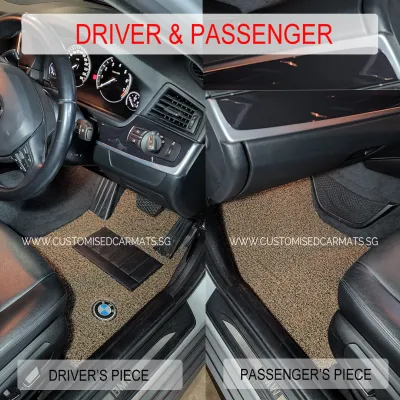
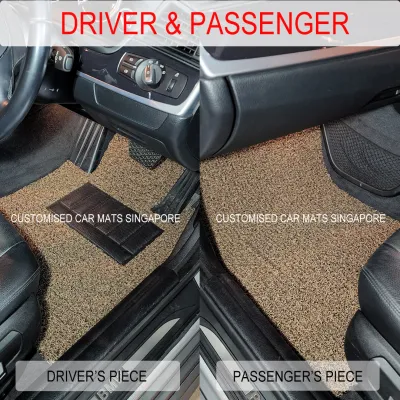
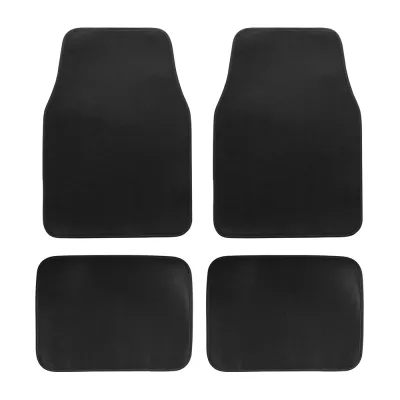
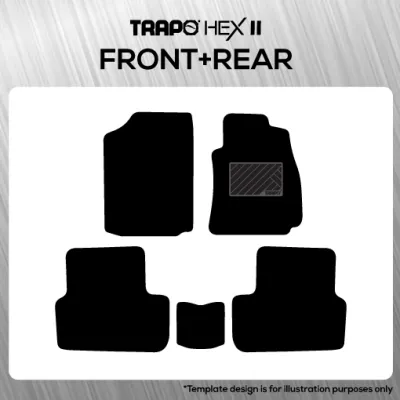
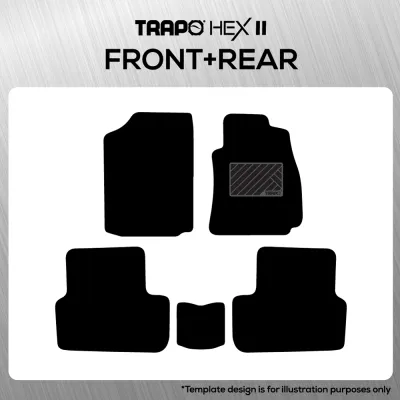

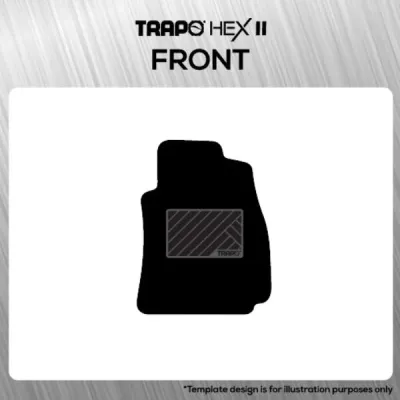
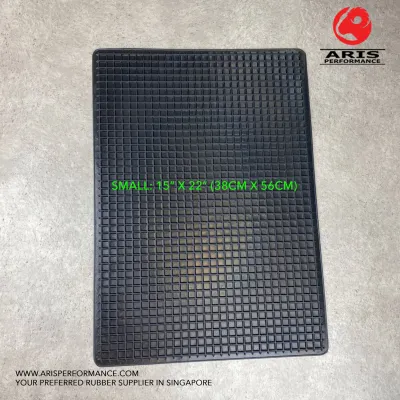
Prices are valid at publication and may change. Please refer to the product page for the latest price.
When evaluating different brands, the primary decision factors should always be protection level, ease of cleaning, and aesthetic integration. Protection level refers to how well the mat contains liquids and resists physical wear under the driver’s heels. Ease of cleaning dictates whether you can simply wipe the mats down in the cabin or if you must remove a complex multi-piece system to wash and dry it thoroughly. Aesthetic integration involves how well the mat’s texture, color, and stitching complement your vehicle’s original interior design without looking bulky or out of place.
Rather than relying on subjective promotional claims like “luxury feel” or “maximum protection,” focus your comparison on verifiable manufacturer specifications. Look for detailed disclosures regarding the exact materials used in each layer of the mat, the total thickness in millimeters, and the specific manufacturing process, such as high-pressure injection molding or hand-tailored stitching. Verifiable specifications provide a reliable baseline for comparing durability and safety across different price points, helping you filter out low-quality options that rely on marketing jargon.
Material Quality and Construction Indicators
Comparing the physical build of full-surround mats requires a close inspection of the surface materials, backing layers, and edge construction. The surface layer is your primary point of contact and bears the brunt of daily wear. High-quality brands typically use heavy-duty Thermoplastic Elastomer (TPE) or premium synthetic leathers like Polyurethane (PU) or Polyvinyl Chloride (PVC). TPE is highly resilient, completely waterproof, and chemically stable, making it excellent for wet weather, while premium PU leather offers a softer, more traditional luxury appearance but requires more careful maintenance to prevent surface cracking.

Below the surface, the backing layer is critical for both safety and floor protection. A superior backing must feature robust anti-slip properties to prevent the mat from shifting forward under foot pressure. Look for brands that utilize specialized max-spider grip backings, dense hook-and-loop fasteners, or textured rubber nibs that lock onto the factory carpet fibers without damaging them. Avoid brands that use cheap, smooth plastic backings, as these are highly prone to sliding, which poses a severe safety hazard during driving.
Finally, examine the edge stitching, binding, and overall structural rigidity of the mats. Premium full-surround mats are engineered with a rigid or semi-rigid inner core, often made of Cross-linked Polyethylene (XPE) foam, which helps the high side walls retain their shape over time. Check the perimeter of the mats for double-stitched nylon binding and reinforced heel pads on the driver’s side. If the edges lack structural rigidity or feature weak, single-thread stitching, the side walls will eventually curl, sag, and collapse inward, allowing dirt to bypass the mat entirely.
Fit Precision and Safety Compatibility
Safety is the most critical factor when installing any aftermarket interior accessory, and full-surround mats require absolute precision to prevent dangerous driving hazards. High-end brands use advanced 3D laser scanning technology to map the exact footwell dimensions of specific vehicle models, ensuring a glove-like fit. In contrast, budget brands often rely on universal or semi-custom templates that require manual trimming. Universal trim-to-fit designs should generally be avoided for full-surround applications, as they cannot safely conform to the complex three-dimensional curves of modern vehicle floors.
Before purchasing, you must verify that the driver-side mat provides completely unobstructed clearance for the accelerator, brake, and clutch pedals. The mat must not interfere with the full range of pedal travel, nor should it have loose edges that could catch the heel of your shoe or trap a depressed pedal. When installing new mats, always perform a stationary test by fully depressing each pedal to ensure there is a clear safety margin between the pedal arm and the edge of the mat.
Additionally, check that the mats feature secure anchoring mechanisms that align perfectly with your vehicle’s factory floor retention clips. Original equipment manufacturers design these clips specifically to keep floor mats locked in place. Reputable aftermarket brands mold matching retention eyelets directly into their mats, allowing them to click securely onto the factory pegs. If a brand relies solely on friction or generic plastic clips that do not match your vehicle’s specific anchoring system, the risk of the mat shifting during sudden braking or acceleration increases significantly.
Assessing Value, Warranty, and Brand Support
Weighing the cost of full-surround car mats against their long-term durability requires a careful analysis of pricing tiers, warranty terms, and customer support. In the Singapore market, pricing for full-surround mats generally falls into three tiers. Entry-level synthetic leather mats on online marketplaces typically cost between S$80 and S$150, mid-range custom-fit options range from S$150 to S$250, and premium, laser-scanned TPE or multi-layer luxury mats can exceed S$300 to S$400. Understanding what features justify these higher price points is key to determining true value.
When comparing brands, look closely at the specific terms of their product warranties. A standard warranty should clearly distinguish between normal wear and tear and genuine material defects. Look for coverage that protects against premature cracking, splitting, delamination of the layers, or warping of the side walls under normal usage conditions. Brands that offer a multi-year warranty demonstrate confidence in their material sourcing and manufacturing processes, whereas a short 30-day or 90-day warranty often signals lower-grade materials that may degrade quickly under tropical heat.
Furthermore, evaluate the brand’s return policy and customer support infrastructure, especially regarding fitment issues. Because vehicle footwells can vary slightly even within the same model year due to trim level differences, you may need to exchange a section of the mat set. A reputable brand should offer a clear, hassle-free fitment guarantee, providing replacement sections or adjustments if the mats do not align perfectly with your vehicle’s floor layout. Avoid brands that require you to pay high international return shipping fees for fitment corrections.
Decision Framework: Matching Mats to Your Driving Needs
To finalize your choice, match the material properties and design features of the mats to your specific driving environment, lifestyle, and vehicle type. If your daily routine involves frequent exposure to wet weather, tropical downpours, muddy outdoor sports, or if you regularly transport pets and young children, deep-tray thermoplastic or TPE designs are highly recommended. These mats excel at containing large liquid spills and can be easily removed, hosed down, and dried in a matter of minutes, making them the most practical choice for heavy-duty utility.
If your primary priorities are interior styling, executive passenger comfort, and a quiet cabin, tailored synthetic leather or multi-layer carpet blends may be more suitable. These designs provide a more integrated, premium look that matches leather upholstery and helps dampen road noise through their dense foam layers. However, they require more careful maintenance, such as regular vacuuming and wiping with specialized, non-abrasive interior cleaners, to prevent dirt from grinding into the textured surfaces and stitching over time.
Finally, be aware that full-surround mats may not be compatible with every vehicle configuration. If your car features specialized floor-mounted sensors, under-seat hybrid battery cooling vents, or complex motorized seating tracks, high-walled mats can block critical airflow or mechanical movements. Always consult your vehicle’s owner’s manual and cross-reference the mat manufacturer’s compatibility specifications before purchasing. If there is any doubt about clearance or safety, contact the manufacturer directly to confirm that the mats are fully compatible with your specific trim level.
Frequently Asked Questions (FAQ)
Do full-surround mats interfere with seat adjustment tracks?
Yes, poorly designed or overly thick full-surround mats can obstruct both manual and motorized seat adjustment tracks. Because these mats extend high up the sides of the footwell and deep under the front seats, any excess material or improper molding can catch on the seat rails as they slide forward or backward. To prevent mechanical damage to your seat motors or the mats themselves, always check that the manufacturer has designed precise cutouts around the seat rails. After installation, carefully test the full range of seat travel to ensure there is no rubbing or resistance.
How do I clean and maintain synthetic leather full-surround mats?
To clean synthetic leather full-surround mats safely, start by vacuuming away loose dirt, sand, and debris from the surface and crevices. Next, wipe the mats down using a soft microfiber cloth dampened with water and a mild, non-abrasive cleaner specifically formulated for automotive vinyl or synthetic leather. Avoid using harsh household detergents, bleach, or silicone-based dressings, as these chemicals can degrade the protective polyurethane coating, cause premature cracking, and leave a slippery residue that compromises driving safety. Allow the mats to air dry completely before driving.
Community discussion
Share your experience or ask a question. Comments are reviewed before publication.