
When upgrading the interior of your Honda Vezel, finding a full-surround floor mat that perfectly contours to the driver’s footwell is essential for both aesthetics and safety. Because the driver area houses critical pedals and sees the most foot traffic, a precise fit prevents slipping and interference. While many brands claim custom molding, the true test lies in how well their products adapt to the Vezel’s specific chassis geometry. Rather than relying on subjective brand rankings, identifying the best option involves evaluating how a mat’s specific design, material composition, and fastening systems align with the unique chassis geometry of your Honda Vezel.
The Honda Vezel has gone through distinct generational shifts, notably the first-generation (RU series) and the second-generation (RV series). Each generation features a completely redesigned cabin floor layout, meaning a mat designed for one will not fit the other. A true full-surround mat must contour precisely around the floor-mounted brackets, seat rails, and the center console wall. By understanding these geometric demands and applying a rigorous verification process, you can confidently select a brand that enhances your vehicle’s interior while maintaining uncompromising safety on the road.
Defining the Ideal Fit for the Honda Vezel Driver Zone
The driver’s side of the Honda Vezel presents a complex footwell geometry that demands highly precise molding. A primary area of concern is the dead pedal, or the left footrest. A high-quality full-surround mat must cover this area completely without lifting or creating an air pocket underneath. If the mat does not hug the dead pedal tightly, your foot can catch the edge when transitioning to the brake pedal, creating a serious driving hazard.
Products mentioned in this guide
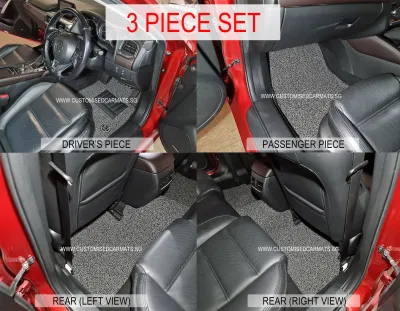
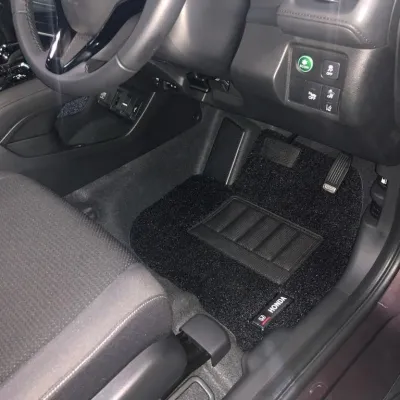
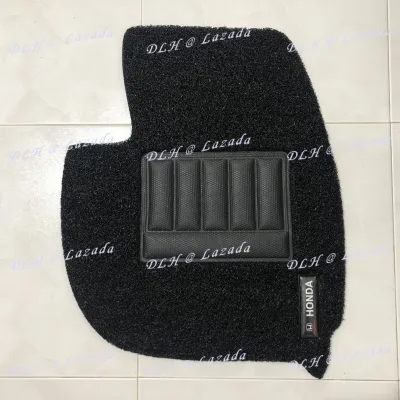

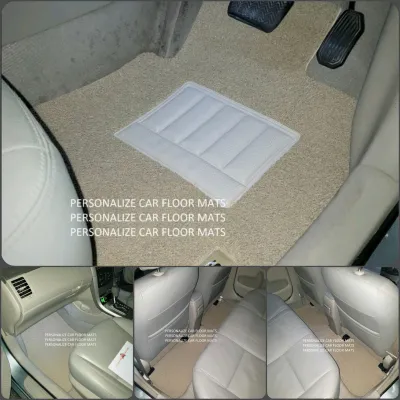
Prices are valid at publication and may change. Please refer to the product page for the latest price.
Equally critical is the wrapping around the center console and the lower dashboard trim. The Honda Vezel features a prominent center console wall that slopes down into the footwell. A well-designed full-surround mat should extend upward along this wall, protecting the original carpet from scuffs and dirt. However, this vertical extension must remain rigid; if the material is too soft, it can sag over time, potentially folding inward and obstructing the driver’s foot movement near the accelerator pedal.
Pedal clearance is the most vital safety parameter in the driver zone. The accelerator pedal in the Honda Vezel requires a specific clearance envelope to travel through its full range of motion without contacting the edge of the floor mat. The brake pedal, which operates under high physical pressure during emergency stops, must have an entirely unobstructed path. The mat’s design must feature a distinct cutout or a recessed channel that guarantees several centimeters of clearance around the base and sides of both pedals.
Finally, the integration with the front seat rails must be seamless. The Honda Vezel’s driver seat slides along two parallel metal tracks anchored to the floor. A full-surround mat must tuck neatly under or run flush against these rails without blocking the seat’s forward and backward adjustment. If the mat is too thick or wide at these points, the seat brackets will crush the edges, leading to premature wear, warping, and shifting of the entire mat assembly.
Core Comparison Dimensions for Full-Surround Mats
When comparing different full-surround floor mat brands, the height and rigidity of the outer edges serve as primary differentiators. High-lip designs, often referred to as 3D or deep-dish mats, typically feature raised borders ranging from three to five centimeters in height. These raised walls are designed to contain liquid spills, mud, and loose sand. However, the effectiveness of these walls depends entirely on their structural rigidity. Brands that use flimsy materials will see their edges curl inward over time, allowing dirt to slip underneath and ruin the original carpet.

The fastening mechanism is another crucial dimension that separates premium custom-fit brands from lower-tier alternatives. The Honda Vezel comes equipped with factory floor mat retention hooks or clips on the driver’s side. Any reputable full-surround mat brand must feature integrated, matching locking eyelets that snap directly onto these factory anchors. Relying solely on a high-friction backing is insufficient for the driver’s footwell, as the constant forward pressure from your feet can gradually slide the mat forward.
In addition to factory clips, look for mats that utilize advanced secondary securing systems. Some brands employ a hook-and-loop style backing that grips the vehicle’s original carpet fibers across the entire underside of the mat. Others use specialized side clips that slide under the plastic trim panels along the door sill and center console. These side clips are highly effective at keeping the vertical walls of a full-surround mat flush against the interior panels, preventing unsightly gaps where dust and small debris can accumulate.
The extent of the “full-surround” coverage itself varies significantly between brands. While some manufacturers only cover the flat floor and a small portion of the footrest, true full-surround options extend all the way up to the firewall behind the pedals and wrap over the door sill. This comprehensive coverage is particularly beneficial in Singapore, where frequent rain means wet shoes are constantly tracking moisture into the cabin. Evaluating how far up the firewall each brand’s mat extends will give you a clear indication of its protective capabilities.
Material Properties and Pedal Safety Checks
The materials used in full-surround floor mats directly impact their durability, safety, and cabin air quality. Many brands market their products using generic terms like “eco-leather,” “thermoplastic,” or “heavy-duty rubber.” To make an informed decision, you must look past these marketing labels and check the manufacturer’s technical specifications for temperature resistance and volatile organic compound (VOC) emissions. In Singapore’s intense heat, interior cabin temperatures can soar when parked outdoors. Low-quality materials can off-gas harmful chemicals, resulting in a persistent, unpleasant plastic odor and a greasy film on the inside of your windshield.
Thermoplastic Elastomer (TPE) and Thermoplastic Polyurethane (TPU) are highly regarded for their structural stability and lack of odor. These materials are injection-molded or vacuum-formed, allowing them to retain their precise shape even under extreme temperature fluctuations. On the other hand, multi-layer stitched mats, which often feature a polyurethane (PU) leather top layer, a foam middle layer, and a non-slip bottom layer, offer a softer, more luxurious feel. However, you must verify that these multi-layer mats are constructed using non-toxic, heat-resistant adhesives that will not delaminate over time.
Before operating your vehicle after installing a new mat, you must perform a rigorous pedal safety check. With the engine turned off, depress the accelerator pedal completely to the floorboard. Verify visually and physically that there is a clear gap between the pedal arm, the pedal pad, and the edge of the floor mat. Repeat this process with the brake pedal, applying maximum force to simulate an emergency stop. The pedal must not catch, rub, or feel restricted by the mat at any point in its travel.
The driver-side heel pad is the area subjected to the highest rate of wear and tear. Because your right heel constantly pivots between the accelerator and brake pedals, this spot quickly wears down on standard mats. Look for brands that feature a reinforced heel pad made of heavy-duty textured rubber, thermoplastic, or a brushed metal plate. This pad must be securely integrated into the mat’s structure; a poorly attached heel pad can lift at the edges, catching your shoe and interfering with smooth pedal transitions.
Verifying Model-Specific Compatibility
A common mistake when purchasing floor mats for a Honda Vezel is assuming that all model years share the same floor layout. The Honda Vezel underwent a major generational redesign. The first-generation RU series (produced from approximately 2013 to 2021) and the second-generation RV series (introduced from 2021 onward) have completely different chassis dimensions and footwell shapes. Furthermore, hybrid variants (such as the Vezel e:HEV) may have slight variations in the floor pan compared to petrol-only models due to the placement of the hybrid battery pack and electrical routing.
To ensure a perfect fit, you must cross-reference your vehicle’s exact chassis code (e.g., RU1, RU3, RV3, RV5) with the manufacturer’s compatibility database. Do not rely solely on the year of registration, as some vehicles registered in a transition year might belong to the previous generation. Always check the physical manufacturing date or the chassis plate located on the center pillar of the passenger side.
Another critical factor for Singaporean drivers is verifying that the mat is designed specifically for Right-Hand Drive (RHD) vehicles. Many online marketplaces source products globally, and purchasing a Left-Hand Drive (LHD) mat by mistake will result in a completely unusable driver’s mat. The footrest, pedal cutouts, and console curves are mirrored between RHD and LHD configurations. Always look for explicit “RHD” or “Right-Hand Drive” labeling in the product specifications.
Given the precision required for a perfect full-surround fit, it is highly recommended to purchase from sellers who offer a clear return, exchange, or fitment guarantee. If you install the mat and find that it sags, blocks a pedal, or fails to align with the factory retention clips, you should be able to return it for a refund or exchange. Avoid sellers who do not provide detailed fitment support or those who classify custom-molded mats as non-returnable items.
Decision Framework: Selecting the Right Brand for Your Needs
Choosing the right full-surround floor mat brand ultimately depends on your lifestyle, driving environment, and aesthetic preferences. Protecting your vehicle’s interior—especially given the high S$ value of cars in Singapore—is a smart long-term decision. If you frequently engage in outdoor activities, have a busy family, or prioritize absolute ease of maintenance, a heavy-duty, high-lip TPE brand is the most practical choice. These mats act like a protective tray, containing mud, sand, and spilled liquids. Cleaning them is as simple as removing the mats, hosing them down with water, and wiping them dry. They offer excellent long-term durability and maintain their shape exceptionally well.
Conversely, if you prefer a more refined, executive look that complements the Honda Vezel’s modern interior, a low-profile, multi-layer stitched brand or a premium carpet-textured thermoplastic mat may be more suitable. These options provide a softer feel underfoot and absorb cabin noise more effectively than rigid plastics. However, they require more careful maintenance, as dirt can become embedded in the stitching or carpet fibers, requiring regular vacuuming and specialized fabric or leather cleaners.
Regardless of the style you choose, safety must remain your absolute priority. Before finalizing your purchase, verify that the brand explicitly guarantees compatibility with your specific Honda Vezel model year, trim, and RHD configuration. Once the mats arrive, perform the pedal clearance and retention clip checks immediately. If the mat fails to lock securely into place or shows any sign of pedal interference, do not drive the vehicle with the mat installed.
Frequently Asked Questions (FAQ)
Can a poorly fitted full-surround mat cause the accelerator to stick?
Yes, an improperly fitted or shifting full-surround mat poses a significant safety risk by potentially trapping the accelerator pedal. If the mat is too thick, lacks rigid vertical walls, or slides forward due to broken or missing retention clips, the top edge of the mat can catch the lower arm of the accelerator pedal when it is fully depressed. To prevent this, always ensure the mat is locked onto the factory floor anchors. Perform a physical test before driving: with the engine off, press the accelerator fully to ensure it snaps back smoothly without touching any part of the mat.
How do I clean a full-surround mat without removing it from the Vezel?
For routine maintenance, you can clean your full-surround mats while they remain installed in your Honda Vezel. Start by using a handheld vacuum cleaner with a crevice tool attachment to remove loose dirt, sand, and crumbs from the deep contours and edges. Next, spray a mild, interior-safe multi-purpose cleaner onto a clean microfiber cloth—never spray liquid directly onto the mat to avoid pooling. Wipe down the raised edges and vertical walls, working from top to bottom. This technique prevents dirt from being pushed down into the seams or onto the vehicle’s original carpet.
Are universal-fit mats a viable alternative for the Honda Vezel driver area?
Universal-fit mats are not a safe or effective alternative for the Honda Vezel driver’s footwell. Because universal mats are designed to fit a wide variety of vehicles, they lack the precise contours needed to accommodate the Vezel’s specific dead pedal, sloping center console, and seat rail configurations. This poor fitment often results in excess material bunching up near the pedals, creating a severe risk of pedal obstruction. Additionally, universal mats rarely align with the factory retention clips, making them highly prone to sliding forward during braking.

Community discussion
Share your experience or ask a question. Comments are reviewed before publication.