
Quick Answer: Evaluating Full-Surround Fit for Your Toyota Camry
Finding the ideal full-surround car mat for your Toyota Camry requires looking beyond generic brand promises and focusing on precise, vehicle-specific engineering. A true full-surround mat is designed to encapsulate the entire floor pan, extending high up the footwell walls, covering the driver-side dead pedal, and wrapping seamlessly over the rear passenger floor hump. Because the Camry’s floor layout has evolved significantly across different generations—such as the XV50, XV70, and the newer XV80 chassis—there is no single brand that universally fits every model year.
The most reliable option for your vehicle depends on whether a manufacturer uses verified 3D scanning data tailored to your exact Camry generation, trim level, and drivetrain configuration. For instance, hybrid variants may have subtle differences in floor contours or under-seat battery vents compared to petrol-only models. To ensure a secure fit that does not compromise safety, you must verify the manufacturer’s compatibility specifications against your vehicle’s exact chassis code and drive configuration before purchasing.
Critical Dimensions for Assessing Camry Floor Coverage
When evaluating aftermarket floor mats, the driver-side footwell demands the most rigorous inspection due to its direct impact on vehicle control. A high-quality full-surround mat must cover the dead pedal completely without sagging, while maintaining a safe clearance around the accelerator and brake pedals. If the mat’s material is too thick or the mold is slightly misaligned, it can catch the edge of a depressed pedal, posing a severe safety hazard. Additionally, the mat must not obstruct the forward and backward travel of the seat rails, which can damage both the seat motor and the mat itself.
Products mentioned in this guide
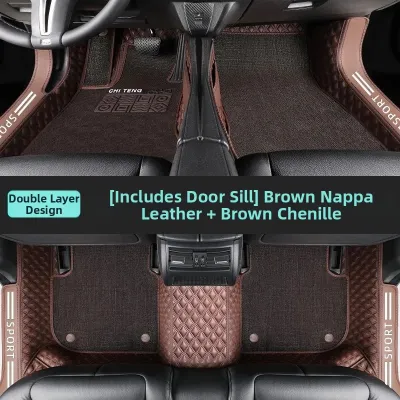

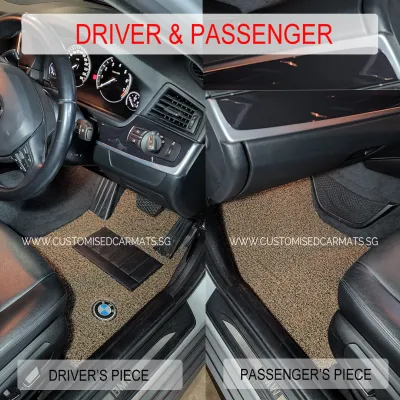
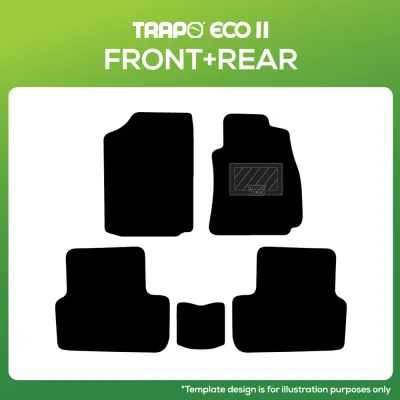
Prices are valid at publication and may change. Please refer to the product page for the latest price.

On the passenger side and rear seating areas, the focus shifts to seamless contouring around complex floor geometry. The mat should hug the sides of the center console tightly, leaving no loose gaps where dirt or small items can slip underneath. In the rear, the mat must accommodate the central floor hump perfectly; a poorly molded mat will lift or bubble in this area, creating a tripping hazard for passengers. Furthermore, you must check that the rear mat does not block the under-seat air conditioning vents, which are crucial for maintaining proper cabin airflow in Singapore’s warm climate.
Edge retention is another critical dimension that separates premium full-surround designs from standard mats. The sidewalls of the mat should extend high along the footwell walls to contain liquid spills, mud, and road grime, preventing them from seeping onto the original factory carpet. However, these raised edges must feature sufficient structural rigidity to stand upright over time. If the edges lack reinforcement, they will eventually fold inward, exposing the carpet and allowing debris to accumulate behind the mat.
How Material and Construction Impact Long-Term Fit
The materials used in full-surround mats directly dictate how well they retain their shape and coverage over years of daily use. Thermoplastic elastomers (TPE) and high-density polyethylene (HDPE) are highly regarded for their excellent shape memory and resistance to extreme temperatures. In Singapore’s hot and humid climate, interior cabin temperatures can soar when parked outdoors, causing lower-grade plastics or cheap PVC mats to soften, emit unpleasant chemical odors, or warp. Opting for high-quality, temperature-stable materials ensures the raised edges remain stiff and do not curl away from the footwell walls.
Securing the mat firmly to the floor is paramount to prevent dangerous sliding during driving. Reliable full-surround mats must feature integrated retention clip holes that align perfectly with the Toyota Camry’s factory floor anchors. These twist-lock or snap-in anchors keep the driver-side mat locked in its designated position. Beyond these primary anchors, the underside of the mat should utilize an effective anti-slip backing—such as a micro-hook texture or specialized rubberized nibs—to grip the underlying carpet securely without causing fiber damage.
Many premium full-surround mats employ a multi-layer construction to balance durability, comfort, and aesthetics. A typical three-layer design includes a wear-resistant top layer, a cushioned middle layer for shock absorption and noise dampening, and a high-grip bottom layer. While these layers provide a quieter and more comfortable ride by absorbing road vibrations, they require precise edge sealing during manufacturing. Poorly sealed edges can allow moisture from wet shoes or rain to penetrate the inner layers, leading to delamination, mold growth, and a breakdown of the mat’s structural integrity.
Pre-Purchase and Installation Verification Checklist
Before finalizing any purchase on an online marketplace or from a local retailer, you must perform a thorough pre-purchase compatibility check. Ensure the product listing explicitly specifies compatibility with your Camry’s exact generation (such as the XV70 produced from 2017 onward) and your specific market configuration. Because Singapore utilizes right-hand drive (RHD) vehicles, purchasing a mat designed for left-hand drive (LHD) markets will result in an unusable and highly dangerous fit, particularly in the driver’s footwell where pedal configurations are mirrored.
Once your new mats arrive, conduct a detailed physical inspection before attempting installation. Lay the mats flat in a warm area for a few hours to allow any temporary shipping creases to relax, then inspect them for manufacturing defects, severe warping, or misaligned cutouts. Verify that the retention clip holes are intact, properly reinforced, and match the spacing of the factory floor pegs in your Camry. If the material feels excessively brittle or if the cutouts do not align with the floor contours, do not attempt to force the fit.
During installation, always follow the manufacturer’s instructions and start by removing all existing floor mats; stacking a new full-surround mat on top of an old carpet or rubber mat is extremely dangerous as it prevents the retention clips from locking. Carefully slide the mat into place, ensuring the factory anchors click or twist securely into the mat’s retention holes. Test the full range of motion of the accelerator, brake, and emergency brake pedals, as well as the power seats. If you detect any resistance, rubbing, or obstruction, immediately remove the mat and consult the manufacturer or a qualified automotive professional for assistance.
Decision Framework: Choosing the Right Mat Profile
Selecting the right mat profile involves balancing your daily driving habits, maintenance preferences, and aesthetic desires. If your daily routine involves frequent outdoor activities, carrying wet umbrellas, or transporting passengers with muddy shoes, a deep-dish, high-wall mat profile is highly recommended. These mats feature deep channels and tall perimeter walls designed to contain large volumes of liquid and debris, keeping your Camry’s original carpet pristine. The trade-off is that these heavy-duty mats can be bulkier to remove and may require more effort to clean thoroughly.
Conversely, if you prefer a sleek, minimalist interior that preserves the Camry’s elegant cabin aesthetic, a lower-profile, flexible full-surround mat may be more suitable. These designs offer a more integrated look, often mimicking the texture of premium leather or woven fibers, and are generally easier to remove, shake out, and wipe clean. They also tend to interfere less with the natural pedal feel and foot placement. However, they offer less capacity for containing major liquid spills, making them better suited for urban commuters who prioritize style and light-duty protection.
Before making your final choice, inspect your Camry’s floor for any specialized features or aftermarket modifications that could conflict with standard molded shapes. For example, some model years feature floor-mounted trunk or fuel lid release levers near the driver’s seat door sill. A properly designed full-surround mat must feature a precise cutout or a flexible molded flap to allow easy access to these levers. Verifying these minor details beforehand ensures that your chosen mat profile enhances your driving experience rather than creating daily inconveniences.
Frequently Asked Questions (FAQ)
Do full-surround mats interfere with the Camry's factory floor anchors?
No, properly engineered custom-molded full-surround mats are designed to work directly with the Toyota Camry’s factory floor anchors. They feature precise cutouts or integrated locking mechanisms that snap or twist onto the original floor pegs. It is critical to use these anchors to prevent the mat from sliding forward under the pedals. Never install a mat that covers or bypasses these safety anchors, as an unsecured driver-side mat poses a severe risk of pedal entrapment.
How should I clean and maintain full-surround mats to prevent edge curling?
To maintain the shape and prevent the edges of your full-surround mats from curling, clean them using mild soap, water, and a soft brush or microfiber cloth. Avoid using harsh chemical solvents, bleach, or silicone-based dressings, which can degrade the material core and make the surface dangerously slick. When washing, do not use high-pressure washers at close range, as the intense pressure can delaminate multi-layer mats or warp the molded edges. Always allow the mats to dry completely in a shaded, well-ventilated area before reinstalling them in your vehicle.
Are custom-molded mats always better than universal trim-to-fit options for a Camry?
Yes, custom-molded mats are significantly better and safer than universal trim-to-fit options for a Toyota Camry. Custom mats are created using precise 3D scans of the vehicle’s floor pan, ensuring complete coverage, high sidewall protection, and perfect alignment with pedals and seat rails. Universal mats require manual cutting, which often leaves raw, unsealed edges, fails to cover the dead pedal or rear hump adequately, and lacks compatible safety anchor points, increasing the risk of slippage and pedal interference.

Community discussion
Share your experience or ask a question. Comments are reviewed before publication.