
Finding the right car mat for your Honda Vezel involves balancing aesthetics, cleanliness, and safety. Because the Vezel is a staple of urban commuting, its cabin floor endures daily wear from dusty shoes, sudden rain showers, and spilled drinks. While many aftermarket brands promise a “glove-like fit” for this popular compact crossover, the reality is that fitment and finish vary widely. There is no single universal winner in the aftermarket space. Instead, the actual quality of a full surround car mat depends on the manufacturer’s template accuracy, the specific material batch, and how carefully you install it. To make an informed decision, you must look past marketing claims and evaluate physical checkpoints, edge craftsmanship, and safety clearances.
Key Fitment Checkpoints for the Honda Vezel
The Honda Vezel’s cabin floor has several distinct contours that present challenges for aftermarket manufacturers. The first critical area is the driver’s side dead pedal or footrest. A high-quality full surround mat must contour precisely over this angled section. If the template is slightly off, the mat will bow outward, creating an empty pocket underneath. This not only feels spongy underfoot but can also catch the edge of your shoe when you transition back to the active pedals.
Another challenging zone is the integration along the center console side panels. The Vezel features a prominent, sweeping center console that rises between the front seats. Full surround mats are designed to climb up these vertical walls to protect the carpet from side scuffs. However, if the material is too rigid or poorly measured, it will sag or flare away from the console, leaving unsightly gaps where dirt, crumbs, and pet hair can accumulate. Look for mats that sit flush against these vertical surfaces without requiring excessive force to hold them in place.
Products mentioned in this guide
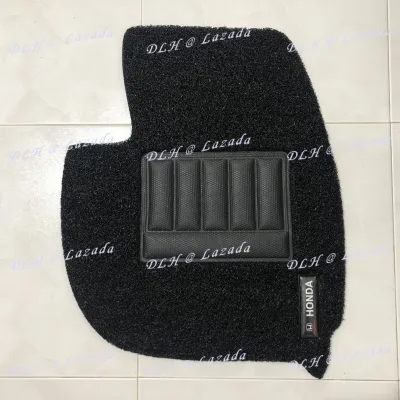
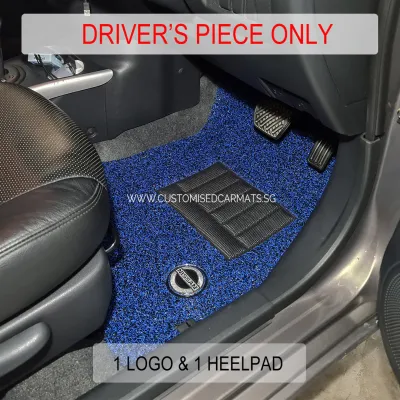

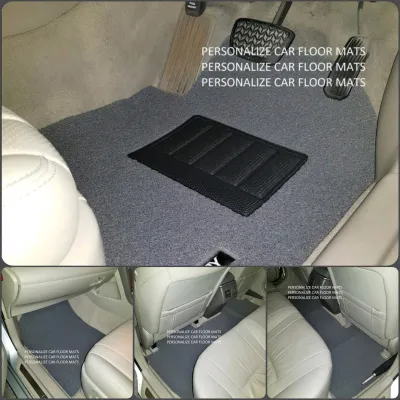
Prices are valid at publication and may change. Please refer to the product page for the latest price.
In the rear passenger cabin, the floor layout includes a subtle middle hump and specific air vent openings located underneath the front seats. A well-designed rear mat must drape smoothly over this central hump without bunching or lifting at the corners. Crucially, you must check that the mat’s vertical walls do not block the floor-level air conditioning vents. Obstructing these vents restricts airflow to the rear passengers, reducing cabin comfort during hot afternoons.
Finally, pay close attention to the front seat rails. The driver and front passenger seats slide forward and backward along metal tracks anchored to the floor. If the side walls of the full surround mats are cut too high or are excessively thick, they will pinch against these rails. This interference can scratch the plastic rail covers, restrict the seat’s range of motion, or even cause the seat adjustment motor to strain on power-adjustable trims.
Evaluating Build Quality and Finish
Beyond the initial fit, the longevity of your car mats depends on their construction quality. When inspecting a new set of mats, start by examining the stitching durability and edge binding, particularly in high-wear zones like the driver’s heel pad area. The perimeter binding should feature tight, uniform double-stitching with heavy-duty nylon thread. Loose threads, uneven spacing, or frayed edges are immediate red flags indicating that the layers may separate after a few months of heavy use.

The backing material is equally vital for both stability and safety. In warm, humid climates, interior cabin temperatures can rise significantly when parked outdoors. Lower-grade backing adhesives can break down under these conditions, leading to a sticky residue on your original carpet or causing the mat to lose its structural rigidity. High-quality mats utilize a stable, multi-layer construction with a high-friction, anti-slip backing that grips the carpet fibers without damaging them.
You should also assess the surface texture consistency right out of the box. Because full surround mats are often folded for shipping, some creasing is normal. However, premium materials should regain their original shape within a few days of unboxing or after brief exposure to mild warmth. If the surface material shows permanent white stress marks, deep cracks, or stubborn warps that refuse to flatten, the base polymer or foam core is likely of lower quality and will degrade quickly under foot pressure.
Comparing Common Aftermarket Design Approaches
When shopping for Honda Vezel car mats, you will generally encounter two primary design philosophies: custom-molded thermoplastic mats and tailored multi-layer soft mats. Each approach offers distinct advantages and trade-offs in terms of daily usability, aesthetics, and maintenance.
Custom-molded thermoplastic options, often made from materials like TPE (Thermoplastic Elastomer) or TPO, are engineered using 3D laser scans of the vehicle’s footwell. These mats resemble rigid trays with raised outer lips. Their primary strength is absolute liquid containment; if you spill a drink or step into the car with wet shoes during a monsoon downpour, the liquid remains trapped within the tray. Cleaning is incredibly straightforward—you simply remove the trays, hose them down, wipe them dry, and reinstall them. The trade-off is that they have a more industrial, utilitarian appearance that may not appeal to drivers seeking a cozy, luxurious cabin feel.
On the other hand, tailored multi-layer soft mats focus heavily on cabin aesthetics and comfort. These mats typically feature a synthetic leather top layer, a cushioning foam middle layer, and a protective backing. They provide a plush, padded feel underfoot and contribute to a quieter ride by absorbing road and tire noise. They are available in various colors and stitching patterns, allowing you to match or contrast your Vezel’s interior trim. However, they require more delicate maintenance. You cannot simply hose them down; instead, they must be vacuumed and wiped with a damp cloth. Over time, the soft surface layers are also more susceptible to scuffs from high heels or heavy work boots.
When comparing these approaches, consider the trade-off between material thickness and pedal feel. Thick, heavily padded soft mats might feel luxurious, but they can slightly alter the tactile feedback of your feet on the pedals. Conversely, thin thermoplastic mats provide a direct, firm pedal feel but offer minimal sound dampening.
Installation and Safety Verification
No matter which design approach you choose, safety must be your absolute priority during installation. A poorly fitted driver’s side mat is a serious hazard if it interferes with pedal operation. Once you lay the driver’s mat down, and before starting the engine, fully depress both the accelerator and brake pedals to their absolute limits. Ensure there is a clear gap between the pedals and the edge of the mat throughout the entire range of motion. The pedals must return to their resting positions smoothly without catching on any part of the mat.
Next, verify the securing mechanisms. The Honda Vezel comes equipped with factory floor anchors on the driver’s side floorboard. Your aftermarket mats must feature compatible retention clips or cutouts that lock securely onto these anchors. Never rely solely on the mat’s weight or friction to keep it in place. Furthermore, never layer a full surround mat on top of your original carpet mats or any other floor coverings; always strip the footwells down to the factory carpet before installing the new set.
Establish an immediate stop condition for your driving safety. If you are on the road and feel the mat shifting forward under your feet, or if you notice the edge of your shoe catching on a lip when braking, pull over safely at the earliest opportunity. Remove the driver’s mat entirely and store it in the boot until you can inspect the retention clips or adjust the fitment. Driving with a sliding or obstructing mat compromises your ability to react in an emergency.
How to Choose Based on Your Priorities
To select the right full surround mats for your Honda Vezel, align your choice with your daily driving habits and maintenance preferences. If your routine involves outdoor activities, frequent family trips, or driving in wet weather, the molded thermoplastic tray-style mats are highly practical. They offer superior liquid containment and can be cleaned in minutes, making them an excellent match for an active lifestyle.
If you primarily use your Vezel for daily city commuting, executive transport, or ride-hailing services, and you want to maximize passenger comfort, tailored multi-layer soft mats are a compelling choice. Their premium texture and sound-dampening properties complement the Vezel’s modern cabin design, creating a more refined driving environment.
Regardless of the style you prefer, exercise caution when purchasing from online marketplaces. Always contact the seller to confirm the exact generation and facelift status of your Honda Vezel, as floor pan dimensions can vary between model years (such as the older RU generation versus the newer RV generation). Look for sellers who offer clear return or exchange policies in case you encounter minor fitment issues during your initial test fit.
Frequently Asked Questions (FAQ)
Do full surround mats affect the Honda Vezel's seat adjustment?
Yes, excessively thick or poorly cut full surround mats can interfere with the Honda Vezel’s front seat adjustment. Because these mats feature high vertical walls designed to cover the sides of the footwell, they run directly alongside the metal seat rails. If the mat’s material is too thick or if the edge binding is bulky, it can pinch against the seat tracks. This can prevent the seats from sliding fully forward or backward. Before finalizing your purchase or installation, slide both front seats through their entire range of motion to ensure the tracks remain completely clear.
How can I ensure the mats I order online will fit my specific Vezel model year?
To ensure a precise fit when ordering from an online marketplace, you must verify your Honda Vezel’s exact model year and chassis code with the seller before purchasing. The floor pan layout of the first-generation Vezel (RU series, produced from 2013 to 2021) differs from the second-generation model (RV series, introduced from 2021 onwards). Additionally, check customer reviews on the product listing, filtering for buyers who specifically mention your model year or trim level. Many buyers post photos of their actual installations, which can give you a realistic preview of the template’s accuracy.

Community discussion
Share your experience or ask a question. Comments are reviewed before publication.