
Finding the right full-surround car mat for your Honda Vezel requires looking beyond generic marketing promises of a seamless fit. Because the Vezel is available in multiple generations, petrol and hybrid (e:HEV) drivetrains, and various regional trim specifications, floor pan layouts can vary slightly. A truly protective full-surround mat must deliver precise edge coverage to block dirt and liquid, maintain rigid vertical walls that do not collapse, and—most importantly—provide unobstructed clearance for the accelerator, brake, and emergency brake pedals. Evaluating these factors systematically allows you to compare different brands and aftermarket options safely and effectively.
Key Fitment Criteria for the Honda Vezel
To determine if a full-surround car mat matches the unique contours of the Honda Vezel, you must perform several physical checks. The Vezel’s cabin features distinct floor transitions, particularly around the center console and the door sills. A high-quality mat should align cleanly with these plastic trim lines. When comparing mats, check the vertical edge height. The mat should rise high enough along the center console to prevent dirt, sand, and spilled liquids from slipping behind the barrier, yet it must not overflow or overlap the plastic trim in a way that causes the mat to flare outward.
Another critical area is the cutout precision around the seat rails and rear floor anchors. The Honda Vezel is known for its highly versatile seating configurations, including rear seats that fold up or flat. The floor mats must feature precise, heat-molded or pre-cut openings that accommodate the seat brackets and sliding tracks without bunching up. If a mat is even a few millimeters off, the seat brackets will pinch the material, leading to premature wear, warping, or obstruction of the seat’s forward and backward travel.
Products mentioned in this guide
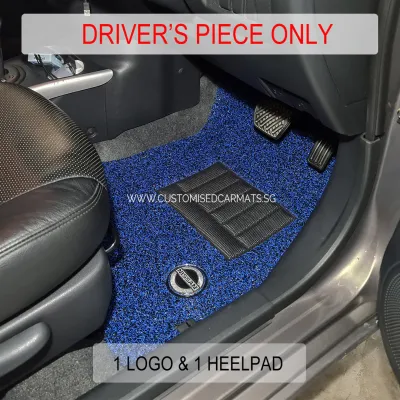
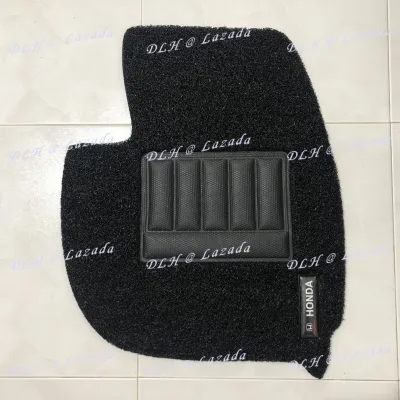
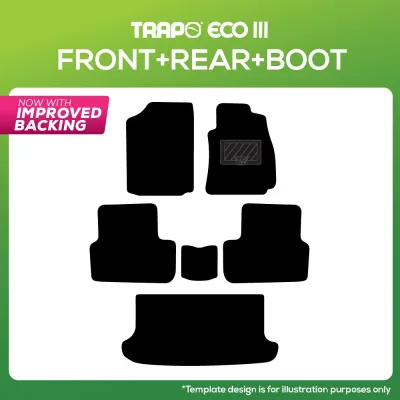
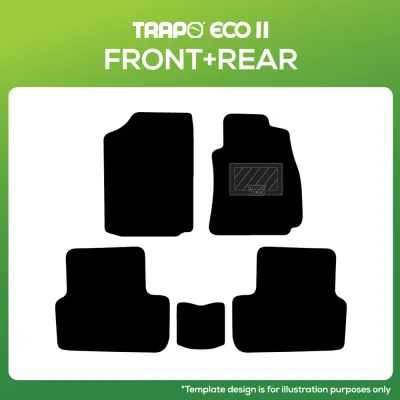

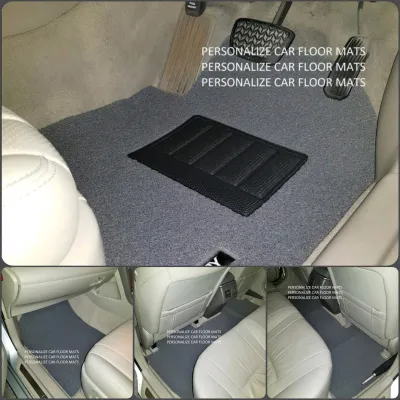
Prices are valid at publication and may change. Please refer to the product page for the latest price.
Additionally, pay close attention to the dead pedal area on the driver’s side. The left-foot rest in the Vezel has a specific angle and width. A well-designed full-surround mat must cover this entire footrest to protect the carpet from wear and moisture brought in by wet shoes during heavy downpours. However, the coverage must be flush; if the material is too thick or lacks a precise bend, it will create a hollow pocket behind the dead pedal, which feels unstable underfoot and can catch the edge of your shoe.
Evaluating Pedal Clearance and Safety Boundaries
Vehicle safety is the primary priority when installing any aftermarket interior accessory, especially floor mats that sit directly beneath the primary control pedals. Before purchasing or operating your vehicle with new mats, you must consult your Honda Vezel owner’s manual regarding floor mat installation and safety boundaries. Never stack aftermarket mats on top of factory carpet mats, and always ensure the mat is securely anchored to the floor.

To verify safe pedal clearance, you must measure the physical gap between the upper edge of the mat and the pedal hinges. With the engine completely switched off, depress both the accelerator and brake pedals fully to the floor. There must be a clear, unobstructed path throughout the entire range of motion. The mat must not touch, rub, or catch any part of the pedal assembly. Even a minor friction point can delay pedal return or prevent full braking force, posing a severe safety hazard on the road.
Furthermore, you must verify the compatibility of the mat’s retention system with the factory floor anchors. The Honda Vezel features specific floor clips on the driver’s side designed to lock the mat in place. Any aftermarket full-surround mat must feature matching eyelets or locking mechanisms that interface securely with these factory anchors. Combined with a high-friction, anti-slip backing, these anchors prevent the mat from shifting forward under heavy braking. If a mat relies solely on friction without physical anchor points, it risks sliding forward over time, potentially bunching up beneath the brake pedal or trapping the accelerator in a depressed position. If you are unsure about the security of the fitment, seek qualified professional installation or advice before driving.
Comparing Material Retention and Edge Structure
The durability of a full-surround car mat depends heavily on its structural integrity and how well it retains its shape over time. Many mats look excellent out of the box but begin to curl, sag, or warp after a few months of use. When comparing different brands, evaluate the stiffness of the core material. High-quality thermoplastic elastomers (TPE) or multi-layer composite mats utilize a rigid, semi-flexible core that maintains its vertical shape. This prevents the high side walls from collapsing inward, which would expose the underlying carpet to dirt and create a tripping hazard when entering the vehicle.
Edge piping and stitching are also major wear points. The driver’s side mat experiences constant friction as you slide your feet in and out of the cabin. Examine the quality of the perimeter binding. Double-stitched edges or heat-sealed thermoplastic borders resist fraying and separation much better than single-stitched fabric piping. If the edge structure fails, the mat will lose its tension, causing the sides to bow outward and collect debris in the gap.
Environmental factors play a significant role in material deformation, particularly in tropical climates where vehicles are frequently parked in open-air carparks under direct sunlight. Cabin temperatures can rise dramatically, causing lower-grade plastics and cheap foam-backed mats to soften, expand, or emit unpleasant chemical odors. Over time, this thermal cycling leads to permanent warping, where the edges curl away from the door sills. Look for materials rated for high thermal stability that retain their shape and structural rigidity even under extreme cabin heat.
How to Verify Fitment Before and After Installation
To ensure your new full-surround mats are safe and fully functional, follow a systematic verification process during unboxing and installation.
First, perform a pre-installation visual check. Lay the new mats flat outside the vehicle and compare their shape to the factory floor layout of your specific Honda Vezel trim. Verify that the cutouts align with the floor vents located under the front seats. These vents provide air conditioning to the rear passengers, and blocking them can restrict airflow and cause the mats to overheat or flutter when the climate control is set to high.
Second, install the mats and test the full range of seat travel. Slide both front seats all the way forward and all the way back. Watch the lower seat rails closely to ensure they do not catch on the edges of the mats. In the rear, fold the seats down into utility mode and lift them up into tall mode to confirm that the floor brackets lock securely into place without compressing or tearing the mat material.
Third, conduct a comprehensive post-installation pedal travel test with the engine off. Sit in the driver’s seat and press the accelerator pedal slowly to the floor, feeling for any resistance, catching, or scraping against the side wall of the mat. Repeat this test with the brake pedal, applying maximum pressure to simulate an emergency stop. If you feel any contact or if the pedal does not spring back instantly, remove the mat immediately and adjust its position or contact the manufacturer.
Decision Framework: Choosing the Right Mat Profile
Selecting the ideal full-surround mat profile for your Honda Vezel depends on your driving environment, maintenance habits, and aesthetic preferences.
If your daily routine involves frequent outdoor activities, carrying wet gear, or driving in heavy rain, a high-coverage rigid thermoplastic profile is highly suitable. These mats act like a solid tray, containing mud, water, and spills within their raised borders. They are incredibly easy to clean—simply slide them out, hose them down, and wipe them dry. However, their rigid structure can feel firmer underfoot and may require more effort to install or remove around tight trim corners.
Conversely, if you prefer a softer, more premium cabin feel and prioritize easy removal for quick vacuuming, a flexible, multi-layer composite mat with a textured fabric or leatherette finish may be more appropriate. These profiles conform closely to the floor contours and offer a quieter, more cushioned feel. The trade-off is that they may require more delicate cleaning methods, as harsh scrubbing or high-pressure washing can damage the stitched seams or degrade the inner foam layers over time.
Keep in mind that certain vehicle modifications can affect mat compatibility. If your Vezel has aftermarket pedal covers, non-standard floor trim modifications, or missing factory floor clips, standard full-surround mats may not fit safely. Always verify that the product listing explicitly confirms compatibility with your specific Honda Vezel model year (such as the first-generation RU series versus the newer RV series) and drivetrain configuration, as the battery placement in hybrid models can alter the rear floor pan dimensions.
Frequently Asked Questions (FAQ)
Are universal or semi-custom mats safe for the Honda Vezel?
Universal or semi-custom mats are generally not recommended for the Honda Vezel due to significant safety and fitment risks. Because these mats are designed to fit a wide variety of vehicle makes and models, their cutouts do not align with the Vezel’s specific pedal box geometry or floor contours. This lack of precision can lead to dangerous pedal interference, where the edge of the mat catches the accelerator or brake pedal during operation.
Furthermore, universal designs rarely align with the factory floor anchor points of the Vezel. Without secure physical locking clips, a universal mat is highly prone to sliding forward under the pressure of your feet. This shifting can cause the mat to bunch up directly beneath the brake pedal, preventing you from fully depressing the brakes in an emergency. For reliable safety and protection, custom-molded mats designed specifically for your Vezel’s model year are always the safer choice.

Community discussion
Share your experience or ask a question. Comments are reviewed before publication.