
Selecting the right full-surround car mats for the driver’s side requires balancing coverage with operational safety. While many manufacturers promise complete floor protection, the driver-side footwell is a highly sensitive area where a fraction of a millimeter can mean the difference between smooth pedal operation and a dangerous pedal obstruction. Comparing leading options involves looking past marketing buzzwords to evaluate how different materials, structural designs, and fastening mechanisms perform under daily driving conditions.
In Singapore’s tropical climate, where sudden downpours are common, driver-side mats must handle wet footwear, mud, and high humidity without slipping or degrading. A proper comparison focuses on how well a mat maintains its shape over time, how securely it anchors to the vehicle floor, and whether its design allows unobstructed access to the accelerator, brake, and clutch pedals. By analyzing these factors, you can identify the right balance of protection and safety for your specific vehicle model.
Key Dimensions for Driver-Side Protection
To evaluate driver-side car mats objectively, you must look at three critical zones: the pedal clearance area, the heel pivot point, and the side wall coverage. This footwell is the most active zone in the vehicle, subjected to constant movement, friction, and pressure.
Products mentioned in this guide
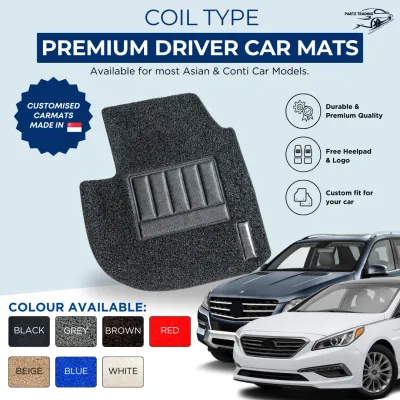
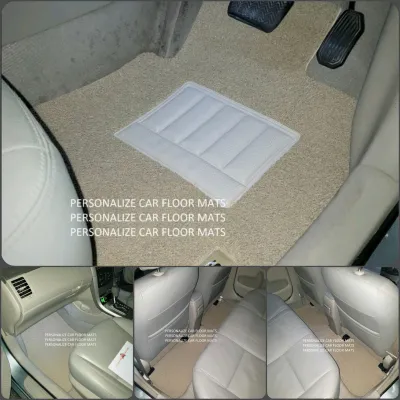
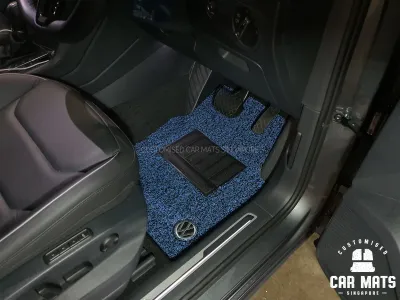
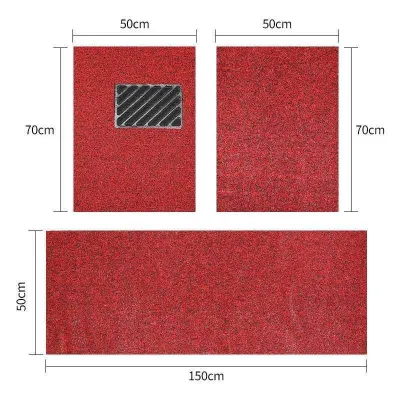
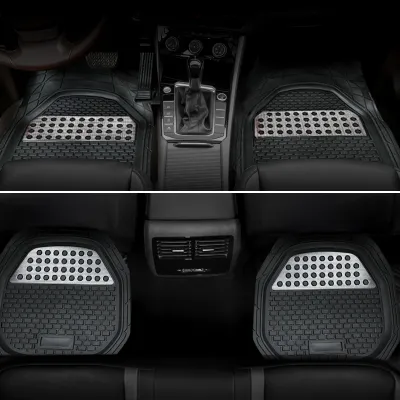
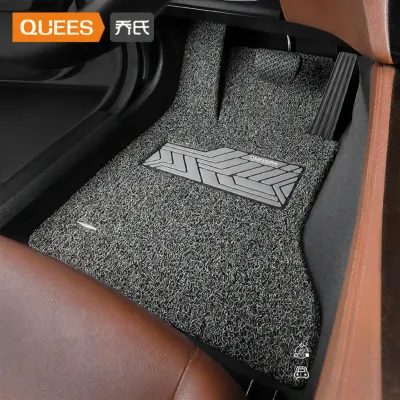
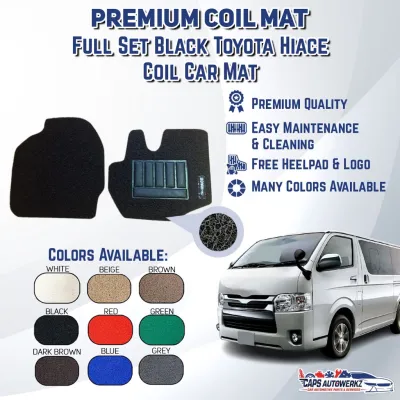
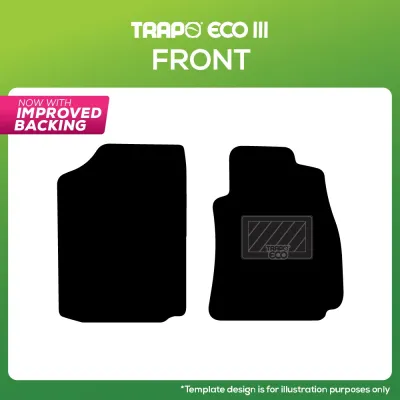
Prices are valid at publication and may change. Please refer to the product page for the latest price.
Pedal clearance is the single most important safety dimension. A high-quality full-surround mat must feature precise cutouts or molded recesses that leave a generous safety margin around the accelerator, brake, and clutch pedals. The mat must never encroach upon the physical travel path of these controls, even when fully depressed. Look for designs that taper downward near the pedal hinges, ensuring the material cannot catch your shoe or the pedal during sudden braking.
The heel pad area is the primary wear point on the driver’s side. Because your right heel constantly pivots between the accelerator and the brake, this zone experiences intense friction. High-quality mats integrate a reinforced heel pad made of high-density rubber, thermoplastic, or textured metal. This reinforcement prevents your heel from wearing a hole through the mat, protecting the underlying carpet. The pad’s texture must also provide sufficient grip when your shoes are wet from a tropical rainstorm.
Side wall height and contouring determine how well the mat contains debris and protects the surrounding cabin trim. True full-surround mats extend upward along the transmission tunnel, the dead pedal, and the door sill. This vertical coverage prevents dirt, spilled liquids, and sand from slipping behind the mat. However, these side walls must remain rigid without sagging. If they curl inward, they can interfere with foot movement or block access to controls like the hood release lever.
Material and Construction Trade-Offs
The materials used in full-surround car mats dictate their durability, maintenance requirements, and overall performance in humid environments. The two primary construction styles are molded thermoplastic elastomers (TPE or TPO) and multi-layer synthetic leather structures.

Thermoplastic elastomers (TPE) are highly durable, rubber-like materials that are injection-molded or vacuum-formed to match the exact contours of the footwell. TPE mats are exceptionally rigid, waterproof, and resistant to chemical degradation. They excel at containing large volumes of water and mud, making them easy to clean with a simple hose-down at a local car wash bay. However, TPE can sometimes feel stiff underfoot, and cheaper formulations may become slippery when wet if they lack deep, engineered surface channels to redirect water away from the shoe sole.
Multi-layer synthetic leather mats offer a more premium, upholstered appearance that mimics luxury cabin interiors. These mats typically consist of a top polyurethane (PU) leather layer, a soft foam middle layer for cushioning and noise dampening, and a non-slip backing. While they provide excellent underfoot comfort and help reduce road noise, they require more careful maintenance. In high-humidity regions like Singapore, moisture trapped within the foam layers of low-quality synthetic mats can lead to musty odors or mold growth if the mats are not dried thoroughly after cleaning.
Edge rigidity and shape memory are crucial for long-term performance. Over months of exposure to cabin heat and foot pressure, inferior materials can lose their shape, causing the edges to curl or collapse. Molded TPE mats generally retain their structural integrity better over years of use, whereas multi-layer synthetic mats rely heavily on the quality of their internal structural layers, such as cross-linked polyethylene (XPE) foam, to maintain their vertical walls.
Fitment and Vehicle-Specific Compatibility
A car mat cannot protect your vehicle or keep you safe if it does not fit your specific make, model, and model year. Universal or semi-universal mats often present significant safety hazards in the driver’s footwell because they are designed to fit a wide range of vehicles, leading to excess material that can bunch up under the pedals.
Custom-fit mats utilize 3D or 5D laser-scanning technology to map the exact dimensions of a vehicle’s floor pan. This precise scanning ensures that the mat hugs every contour, dead pedal angle, and seat rail mount perfectly. When comparing brands, verify that the manufacturer specifies compatibility down to the exact model year and trim level, as minor mid-cycle vehicle refreshes can alter floor pan layouts or pedal configurations.
Alignment with factory floor retention systems is a non-negotiable safety feature. Modern vehicles come equipped with floor anchors, clips, or hooks designed to lock the driver-side mat in place. Any high-quality full-surround mat must feature matching retention grommets or locking mechanisms that interface directly with these factory anchors. Relying solely on a textured backing or Velcro-style strips is insufficient for the driver’s side, as aggressive braking or foot movement can gradually slide an unanchored mat forward, potentially trapping the accelerator pedal.
Additionally, you must check for physical interference with other cabin components. The mat should not obstruct the forward and backward travel of electrically adjustable seats, nor should it block the air vents located under the front seats. Ensure that the side walls do not press against the center console panels in a way that causes squeaking or damage to the interior trim over time.
Decision Framework: Matching Mats to Driving Habits
Choosing between different full-surround mat styles depends on your daily driving habits, maintenance preferences, and aesthetic priorities. There is no single option that suits every driver, so matching the mat’s characteristics to your lifestyle is key.
If your daily routine involves frequent outdoor activities, transporting wet gear, or driving in muddy conditions, molded TPE mats are highly recommended. Their deep tray design and waterproof nature make them incredibly resilient against heavy wear. They are particularly suited for drivers who want a low-maintenance solution that can be quickly sprayed clean and dried in minutes, making them highly practical for busy lifestyles.
If you prioritize cabin refinement, executive styling, and a quieter ride, multi-layer padded synthetic leather mats are an excellent choice. These mats complement luxury interiors and provide a cushioned feel that reduces foot fatigue during long commutes or heavy traffic jams. However, you must be prepared to spend more time on maintenance, using specialized interior cleaners and ensuring they are never left soaking wet.
Before finalizing your purchase, always verify the manufacturer’s return policy and warranty terms, especially if your vehicle has aftermarket pedal covers, modified footrests, or non-standard floor layouts. If you have installed aftermarket accessories in the footwell, a custom-fit mat designed for factory specifications may require professional adjustment or may not fit safely at all.
Post-Installation Safety and Maintenance Checks
Once you have selected and purchased your full-surround car mats, performing a thorough post-installation inspection is vital to ensure road safety. Never drive the vehicle immediately after installing new mats without verifying their security.
Begin by conducting a full-travel pedal test while the vehicle’s engine is switched off. Sit in the driver’s seat and depress the accelerator, brake, and clutch pedals completely to the floor. Verify that there is at least a few centimeters of clear space between the pedal arms and the edges of the mat. Ensure that the pedals return to their resting positions smoothly without catching, rubbing, or snagging on any part of the mat’s surface or side walls.
Next, confirm that the driver-side mat is firmly locked into the factory floor retention clips. Give the mat a firm tug forward and sideways; it should remain completely stationary. If your vehicle does not have factory clips, ensure that the aftermarket retention system provided by the mat manufacturer is installed strictly according to their instructions and holds the mat securely.
Establish a routine inspection schedule to monitor the condition of your mats. Every few weeks, or whenever you clean your car’s interior, check the driver-side mat for signs of wear, edge curling, or shifting. If you notice the side walls starting to sag toward the pedals, or if the heel pad shows signs of cracking, address the issue immediately by adjusting the retention clips or replacing the mat to maintain a safe driving environment.
Frequently Asked Questions (FAQ)
Can I use a universal full-surround mat for the driver's side?
Using a universal or semi-universal full-surround mat on the driver’s side is highly discouraged due to significant safety risks. Universal mats are not tailored to the specific contours of your vehicle’s footwell, which often results in excess material bunching up near the pedals or sliding forward during sudden stops. Without precise alignment with factory retention clips, these mats can easily shift and obstruct pedal travel, creating a severe hazard. For the driver’s side, always opt for a vehicle-specific, custom-fit mat.
How do I clean the heel pad area without damaging the mat?
To clean the heel pad area safely, always refer to the manufacturer’s care label and instructions, as different materials require specific cleaning methods. For TPE or rubber heel pads, a soft-bristled brush and a mild, pH-neutral car shampoo are usually sufficient to remove stubborn dirt. For synthetic leather mats, avoid harsh chemical solvents or stiff brushes that can degrade the protective polyurethane coating; instead, wipe the area with a damp microfiber cloth and a dedicated interior vinyl or leather cleaner. Always allow the mat to dry completely in a shaded, well-ventilated area before reinstalling it to prevent moisture buildup.

Community discussion
Share your experience or ask a question. Comments are reviewed before publication.