
When searching for reliable anti-slip performance in full-surround car floor mats, no single brand universally guarantees a secure grip for every vehicle. Anti-slip reliability depends heavily on the precise fitment for your specific car model, the base material composition, and the integration with factory retention clips. Rather than relying on unverified rankings, this guide helps you evaluate physical design features, verify specifications, and perform critical installation checks to ensure your mats remain securely in place.
In Singapore’s tropical climate, sudden downpours bring moisture and mud into your vehicle’s cabin, making a secure, non-slip floor mat essential for maintaining precise control. A slipping mat is a serious safety hazard that can obstruct your brake or accelerator pedals. To find a reliable solution, look beyond brand names and focus on the physical engineering of the mats, how they interact with your car’s carpet, and how securely they lock into place.
Key Design Features That Determine Anti-Slip Performance
The foundation of any high-performing anti-slip floor mat lies in its base material. Thermoplastic Elastomers (TPE) have become a prominent choice for modern full-surround mats. This material combines the durability of plastic with the flexible, high-friction properties of rubber. Unlike cheap PVC mats that can become slick when wet or stiff in hot temperatures, high-quality TPE maintains its shape and surface grip across various environmental conditions. Its semi-rigid structure allows it to be molded precisely to the contours of your vehicle’s footwell, preventing the edges from collapsing or shifting under foot pressure.
Products mentioned in this guide

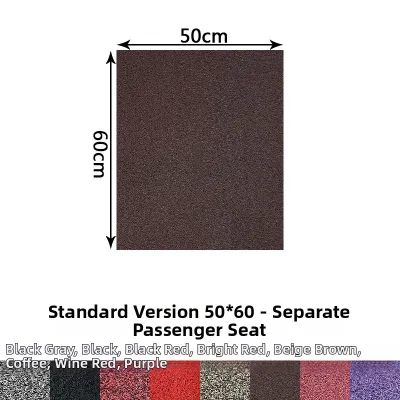
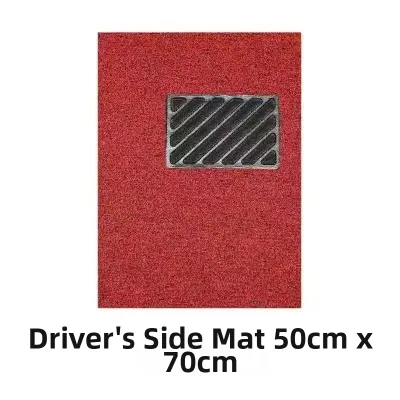
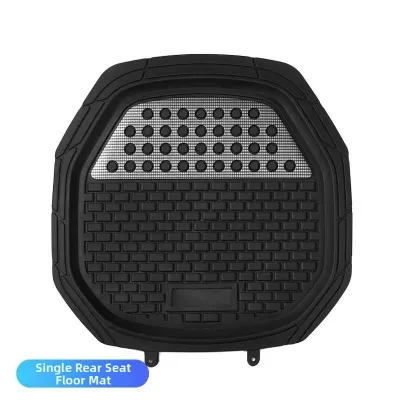
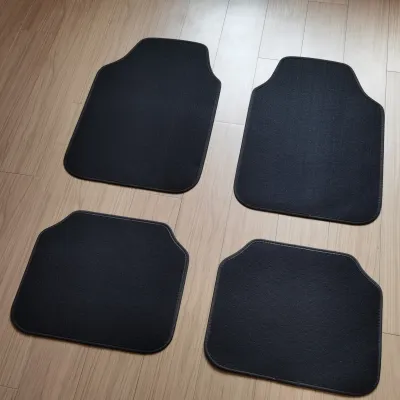
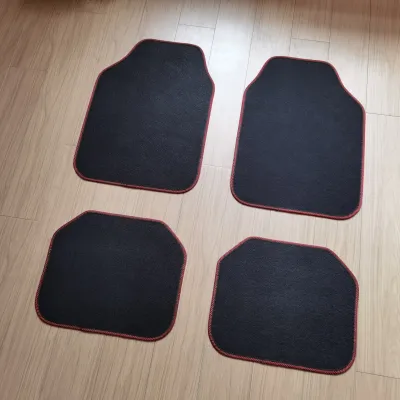
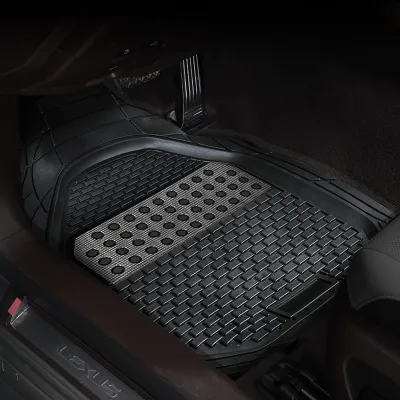
Prices are valid at publication and may change. Please refer to the product page for the latest price.
Underneath the mat, the backing material must create high friction against your car’s original carpet. Many manufacturers use specialized textures, such as microscopic anti-slip nibs or a hook-and-loop backing, to bite into the carpet fibers. These features prevent lateral sliding and forward creep. However, the effectiveness of these backing designs depends on your vehicle’s specific carpet pile. A backing that grips tightly on a dense, loop-pile carpet might slide on a plush, cut-pile carpet, making it crucial to check compatibility before purchase.
Mechanical retention mechanisms are the primary line of defense against mat movement. Your vehicle’s original floor carpet comes equipped with factory retention anchors, which are typically rotating clips, hooks, or pegs. A reliable full-surround mat must feature integrated, model-specific locking retention clips that snap directly onto these factory anchors. Relying solely on friction backing without securing these clips is a safety risk, as the force of your feet during entry and exit can gradually push the mat forward.
The top surface of the mat, particularly the driver’s heel pad area, requires careful design to prevent your feet from slipping while operating the pedals. This area experiences the most wear and tear and is critical for safe driving. Look for mats that feature a reinforced, heavily textured heel pad made from high-friction rubber or a specialized metal-and-rubber composite. This texturing ensures that even if your shoes are wet from a sudden rainstorm, your heel remains firmly planted, allowing for smooth, controlled transitions between the accelerator and brake pedals.
How to Evaluate Brand Claims and Specifications
When shopping for full-surround floor mats, you will encounter numerous brands claiming to offer the ultimate grip or absolute safety. To make an informed decision, you must look past these marketing slogans and scrutinize the actual product specifications and material safety labels. High-quality manufacturers provide detailed information about their material composition, such as SGS certifications or compliance with automotive interior safety standards. These certifications verify that the material is non-toxic, odorless, and structurally stable under high heat, which is particularly important when your car is parked under the hot sun.

The most critical distinction to make is between custom-fit molded mats and semi-universal designs. Semi-universal mats are designed to fit a wide range of vehicles and often require trimming. While they may be more affordable, they lack the precise structural stability needed for a full-surround design. A true custom-fit mat is laser-scanned to match the exact dimensions of your specific vehicle model, year, and trim level. This precise molding ensures that the high sidewalls of the full-surround mat press firmly against the transmission tunnel and door sills, using the vehicle’s own interior structure to prevent any shifting.
Before purchasing, verify that the product specifications explicitly list compatibility with your vehicle’s exact model year and drivetrain variant. For example, hybrid or all-wheel-drive versions of a car often have different floor pan shapes than their standard gasoline counterparts due to battery placement or driveshaft tunnels. A mat designed for a standard model may not sit flat in a hybrid variant, leading to raised sections that can catch on your feet or pedals.
Additionally, inspect the product images and specifications for structural reinforcements. High-quality full-surround mats feature rigid sidewalls that resist curling over time. If the sidewalls curl inward, they can obstruct the movement of your seats or, worse, fold over and interfere with the pedals. Look for mats that incorporate reinforced edges and precise cutouts for seat rails, fuel door release levers, and floor air vents, ensuring that the mat does not obstruct any original vehicle functions.
Installation and Fitment Checks for Maximum Grip
Proper installation is just as important as the design of the mat itself. Before installing your new full-surround mats, you must remove all existing floor mats, including any temporary paper or plastic liners. Stacking mats on top of one another is a major safety hazard, as it prevents the retention clips from locking and raises the height of the floor, significantly increasing the risk of pedal interference. The new mat must sit directly on the vehicle’s original factory carpet.
Begin the installation by aligning the mat’s integrated retention holes with the factory floor anchors. Press down firmly until you hear a distinct click or feel the anchor lock into place. Once locked, attempt to slide the mat forward and backward; there should be zero play or movement at the anchor points. If your vehicle does not have factory anchors, or if the mat does not align perfectly with them, do not attempt to force it or drive with the mat unsecured. Consult the manufacturer’s instructions or seek professional assistance to ensure a secure fit.
After securing the anchors, perform a comprehensive pedal clearance check before starting the engine. With the vehicle parked and the engine off, fully depress the accelerator, brake, and clutch pedals one by one. Hold each pedal down completely and verify that there is a clear gap between the pedal arm, the pedal pad, and the surface of the mat. The mat must not bunch up, catch, or restrict the full travel of any pedal. If you feel any resistance or if a pedal catches on the edge of the mat, remove the mat immediately and do not drive the vehicle.
Finally, inspect the entire perimeter of the full-surround mat. The high sidewalls should lay flat against the plastic trim of your car’s cabin. Check that the mat does not block the tracks of the front seats, allowing them to slide forward and backward smoothly without catching. Ensure that the under-seat air vents are clear and that the mat does not obstruct any floor-mounted sensors, such as those used for airbag deployment or seatbelt reminders. If any part of the mat curls or lifts, use the included retention clips or Velcro tabs to secure it flat against the trim.
Decision Framework: Choosing the Right Mat for Your Vehicle
To choose the right full-surround floor mat, you must evaluate your specific driving habits, vehicle layout, and maintenance preferences. If you prioritize maximum structural stability, precise factory-clip integration, and a sleek, modern appearance, custom-molded TPE mats are generally the most suitable choice. Their rigid construction ensures they maintain their shape over years of use, and their precise fitment offers the most reliable defense against shifting. These mats are ideal for daily commuters who want a set-and-forget solution that integrates seamlessly with their vehicle’s safety features.
On the other hand, if you frequently deal with heavy mud, wet gear, or outdoor activities, flexible rubber or heavy-duty elastomer full-surround mats may be more appropriate. These mats often feature deeper channels and higher outer ridges to contain large amounts of liquid and debris. Their flexibility makes them easier to roll up and remove for deep cleaning without spilling the trapped dirt back onto your car’s carpet. However, ensure that any flexible mat you choose still features rigid reinforcement around the pedal area and secure locking clips to prevent the softer material from bunching up under your feet.
Before making your final decision, perform a thorough inspection of your vehicle’s footwell. Take note of any specialized features, such as floor-mounted organ-style accelerator pedals, aftermarket pedal covers, or unusual floor contours. Some luxury and electric vehicles also feature sensitive floor sensors or unique seat rail designs that require highly specific mat cutouts. Always cross-reference these details with the mat manufacturer’s compatibility database. If you have modified your pedals or floor layout in any way, standard custom-fit mats may no longer fit safely, and you should consult a professional installer to find a compatible solution.
Frequently Asked Questions (FAQ)
Are universal full-surround mats safe for anti-slip?
Universal full-surround mats are generally not recommended for optimal driving safety. Because they are designed to fit a wide variety of vehicle shapes, they lack the precise laser-scanned molding required to hug your car’s specific footwell contours. This lack of a precise fit often leads to excess material bunching up near the pedals or sliding around, as they rarely align with your vehicle’s factory floor anchors. For reliable anti-slip performance and to prevent dangerous pedal interference, it is highly recommended to invest in custom-fit, vehicle-specific mats.
How often should I check my floor mats for slipping?
You should perform a quick safety check on your floor mats at least once a month, and immediately after certain events. Always inspect the mats after your vehicle has been detailed or washed, as car wash attendants frequently remove mats for cleaning and may not reinstall them or lock the retention clips correctly. Additionally, check the fitment during seasonal weather changes or whenever you notice any shifting while driving. Taking a few seconds to verify that the retention clips are securely locked and that the pedals have full clearance can prevent serious safety hazards on the road.

Community discussion
Share your experience or ask a question. Comments are reviewed before publication.