
Finding the right full-surround floor mats and cargo liners for your vehicle is a balance of fit precision, material durability, and lifestyle alignment. In a tropical climate like Singapore, where sudden downpours and high humidity are daily realities, your car’s interior faces constant exposure to moisture, mud, and dirt. The ideal floor mat must shield the original carpet from stains and stay securely in place without interfering with your vehicle’s controls. Rather than searching for a single universal winner, you can find the best option by evaluating how different material structures and manufacturing methods match your specific driving habits, vehicle model, and maintenance preferences.
How to Evaluate Fit and Coverage for Your Vehicle
To achieve maximum protection, you must first understand how a mat is designed to fit your cabin. Custom-fit mats, often marketed as 3D or 5D mats, are created using digital laser scanners that map the exact contours of a specific vehicle model’s floor pan. This scanning process ensures that the mat rises along the sides of the footwell, creating a high-walled barrier that traps liquid, dirt, and debris. In contrast, universal trim-to-fit options require you to manually cut down a generic shape. While universal mats are less expensive, they rarely provide complete coverage and often leave vulnerable gaps where moisture can seep into the underlying carpet, potentially leading to mold and musty odors.
When assessing custom-fit options, pay close attention to critical coverage zones that directly impact daily usability. The dead pedal area—where you rest your left foot—should be fully covered to prevent dirt from transferring from your shoes to the carpet. Additionally, check the clearance around the seat rails; the mat must not obstruct the forward and backward movement of manual or electronic seats. The center console wrapping is another vital area, especially in the rear cabin where a raised transmission tunnel requires a precise, continuous bridge to prevent the mat from shifting or curling when passengers climb in and out.
Products mentioned in this guide
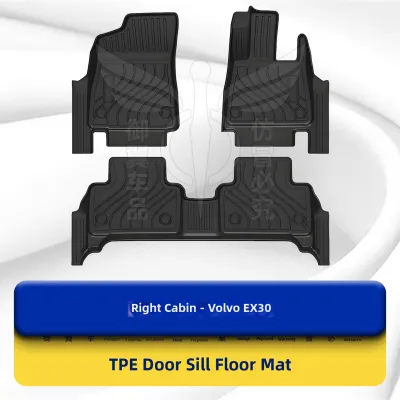
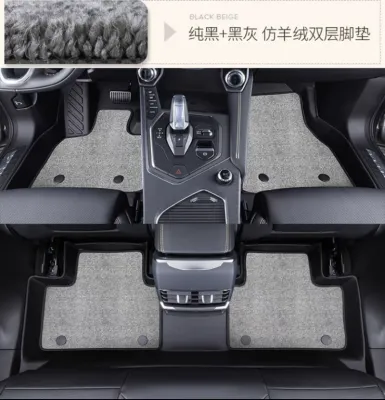
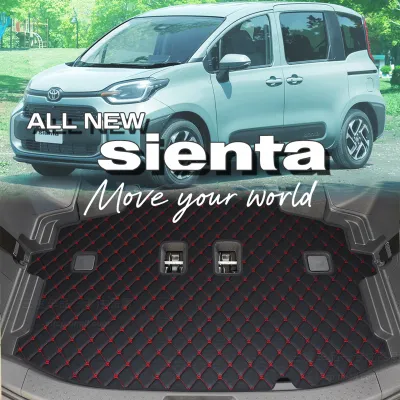

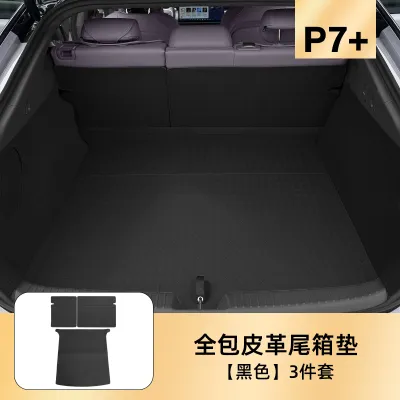
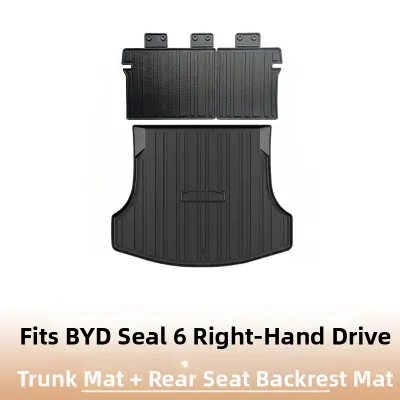
Prices are valid at publication and may change. Please refer to the product page for the latest price.
Verifying model-year compatibility is a crucial step before making any purchase. Car manufacturers frequently introduce minor interior facelifts or structural adjustments mid-generation, which can alter the placement of floor clips, seat mounts, or footwell dimensions. Never rely solely on broad category labels or generic model names. Instead, consult the manufacturer’s official fitment guide or contact the seller directly with your vehicle’s exact model year, trim level, and drivetrain configuration, as hybrid or all-wheel-drive variants often have different floor pan shapes due to battery or driveshaft placement.
Material Quality and Protection: What to Check on the Label
The materials used in full-surround mats dictate how they perform under daily stress and how easy they are to clean. Thermoplastic Elastomer (TPE) is a popular choice for heavy-duty protection. Injection-molded TPE mats are characterized by their rubber-like flexibility, lightweight structure, and excellent resistance to wear. They are typically molded as a single, solid piece, meaning there are no seams or stitching where water can penetrate. On the other hand, multi-layer mats often feature a synthetic leather top layer, a soft ethylene-vinyl acetate (EVA) or cross-linked polyethylene (XPE) foam core for cushioning, and a non-slip bottom layer. These multi-layer designs offer a more luxurious, cushioned feel underfoot but rely on stitched seams that require careful inspection to ensure they are tightly sealed against moisture.

Before purchasing, review the manufacturer’s technical specifications for temperature tolerance and odor emissions. In Singapore’s intense tropical heat, a car parked in an open lot can reach high internal temperatures. Low-quality plastics or rubbers can emit unpleasant chemical odors or even release volatile organic compounds when exposed to extreme heat. Look for labels that certify the materials are non-toxic, odorless, and rated for high-temperature stability. Furthermore, verify the water resistance rating; while TPE is naturally impervious to liquids, multi-layer fabric or synthetic leather mats should have a clear waterproof or highly water-resistant rating on their product labels to prevent liquid from soaking into the inner foam layers.
The underside of the mat is just as important as the top surface. To prevent dangerous shifting while driving, high-quality mats utilize specialized anti-slip backing designs. This may include a nibbed texture that grips the carpet fibers or a hook-and-loop style backing that clings securely without damaging the original floor. Most importantly, ensure the mats are fully compatible with your vehicle’s factory retention clips. These clips lock the driver’s mat into place, preventing it from sliding forward and bunching up under the pedals. If a mat does not align perfectly with these factory anchor points, it should not be used.
Brand Comparison Framework: Matching Specs to Your Needs
To simplify your decision, it helps to categorize the available market options into two distinct groups based on their material focus and primary utility. The first group consists of heavy-duty thermoplastic brands. These mats are designed with utility in mind, featuring deep channels, raised perimeter walls, and a rugged, utilitarian aesthetic. They are highly resilient, making them ideal for drivers who frequently transport wet gear, sports equipment, or pets, as well as families with young children. The second group comprises premium aesthetic multi-layer brands. These mats prioritize interior styling, offering textured synthetic leather finishes, decorative stitching, and a cushioned feel that complements luxury vehicle cabins. They are best suited for urban commuters who primarily drive in dry conditions and prefer a refined, integrated look.
Applying a conditional decision framework allows you to select the right group for your lifestyle. If your daily routine involves outdoor activities, frequent trips to the beach, or carrying damp items that require you to regularly hose down your mats, choose a heavy-duty TPE brand. The solid, non-porous surface can be pulled out, sprayed clean, and dried in minutes. Conversely, if you primarily use your vehicle for city driving, business commutes, and shopping trips, and you want to elevate the cabin’s visual appeal, a multi-layer synthetic leather brand will provide a more sophisticated atmosphere while still offering adequate protection against everyday dust and light spills.
When comparing options, cross-reference the S$ price points, warranty terms, and vehicle coverage lists on official brand websites or authorized online marketplaces. High-quality custom-fit mats represent a significant investment, so look for manufacturers that offer clear warranty coverage against cracking, warping, or premature wear. Be cautious of extremely low-priced alternatives on generic ecommerce platforms, as these often compromise on material thickness, odor control, and fit precision. Checking the official brand store ensures you receive an authentic product designed specifically for your vehicle’s steering configuration, which is particularly important in Singapore where right-hand drive specifications must be met.
Cargo Liners: Extending Protection to the Boot
Protecting your vehicle’s interior does not stop at the passenger footwells; the boot floor is equally vulnerable to spills, dirt, and mechanical wear. When selecting a cargo liner, decide whether a standard boot tray or an extended liner is more appropriate for your needs. A standard boot tray covers only the flat floor of the trunk, featuring raised edges to contain spills from groceries or wet umbrellas. An extended liner, however, features segmented panels that attach to the backs of the rear seats. This design allows you to fold the seats down to carry larger items while keeping the entire extended cargo area protected from scratches and dirt.
Before finalizing your cargo liner choice, perform a thorough clearance check of your boot’s layout. Note the location of factory cargo tie-down hooks, 12V power outlets, and side storage compartments. A well-designed custom liner will feature precise cutouts or pre-marked trim areas that allow you to access these utility points without compromising the liner’s protective barrier. Additionally, check how the liner affects access to the under-floor storage area where spare tires, tools, or charging cables are kept. The liner should be flexible enough to lift easily or feature an integrated hinge line that allows quick access to the lower compartment.
The surface texture of the cargo liner plays a critical role in securing your cargo. A completely smooth plastic tray will allow boxes, groceries, and luggage to slide around during cornering, which can damage both the items and the vehicle’s side panels. Look for liners with a textured, high-friction surface pattern or integrated rubberized grip strips. This texture should provide enough resistance to keep items stable while remaining smooth enough that it does not snag or damage delicate fabrics, luggage bags, or soft-sided gear.
Installation, Maintenance, and Safety Checks
Proper installation is paramount to ensuring that your new floor mats do not compromise vehicle safety. Before installing any new mat, you must completely remove the original factory carpet mats from the footwells. Stacking new mats on top of existing ones is a serious safety hazard, as it raises the height of the mat and increases the risk of pedal interference. Once the footwell is clear, align the new mat with the floor contours and firmly press it into place. Ensure that the factory retention clips click securely into the mat’s integrated anchor points.
Immediately after installation, perform a comprehensive manual safety check before starting the engine. Sit in the driver’s seat and depress both the accelerator and brake pedals fully to their stops. Verify that there is a clear gap between the pedals and the edge of the mat throughout their entire range of motion. Do the same for the clutch pedal if your vehicle has a manual transmission. Additionally, slide the driver and front passenger seats through their full range of forward and backward travel to confirm that the seat tracks do not catch, pinch, or warp the edges of the mats.
Maintaining your mats correctly will preserve their appearance and extend their service life. Always refer to the manufacturer’s product care label for specific cleaning instructions. For TPE mats, a simple rinse with water and a mild soap is usually sufficient; avoid applying silicone-based tire shines or harsh interior dressings, as these can leave a slick, slippery residue that makes the pedals and floor dangerous to step on. For multi-layer synthetic leather mats, use a damp microfiber cloth to wipe away dust and light dirt. Avoid soaking these mats in water or using abrasive brushes that could puncture the synthetic leather surface or damage the stitched seams.
Frequently Asked Questions (FAQ)
Do full-surround mats interfere with seat adjustment or pedals?
While high-quality custom-fit mats are engineered to match your vehicle’s exact dimensions, manufacturing variances or selecting the wrong model-year can lead to pedal or seat track interference. To prevent safety hazards, never stack new mats over existing ones, and always lock them into the factory floor anchors. Immediately after installation, manually press the accelerator and brake pedals to their absolute limits to confirm there is zero contact with the mat, and slide the seats fully forward and backward to ensure unobstructed movement.
Are custom-fit mats worth the premium over universal trim-to-fit options?
For most drivers, custom-fit mats offer a significantly higher value-to-cost ratio despite their higher initial price. Universal trim-to-fit mats often slide around, lack high perimeter walls to contain liquid spills, and leave critical areas of your carpet exposed to wear and moisture. Custom-fit options provide complete edge-to-edge coverage, lock securely into factory safety clips, and integrate seamlessly with your vehicle’s interior design. This superior protection helps preserve your car’s resale value by preventing deep carpet stains, mold growth, and premature wear.
Community discussion
Share your experience or ask a question. Comments are reviewed before publication.