
Selecting the ideal full-surround car floor mat is not a matter of finding a single, universally superior brand. Because vehicle footwells vary dramatically in shape, pedal placement, and floor anchor configurations, the right choice depends on how closely a manufacturer’s scanning precision, material composition, and pricing align with your specific vehicle model and daily driving habits. A premium mat designed for a luxury sedan may not suit an off-road SUV, just as a heavy-duty utility mat might look out of place in an executive cabin. By evaluating options through a structured framework of fitment accuracy, material durability, and cost-to-value ratios, you can identify the exact category of floor mat that will protect your vehicle’s interior while ensuring a safe and comfortable drive.
Defining the Comparison Criteria for Full-Surround Mats
To make an informed decision, you must first understand the technical standards that separate high-performance full-surround mats from basic floor coverings. The primary differentiator in fitment is the manufacturing process: high-end brands utilize advanced 3D or 5D laser scanning technology to map every contour of a vehicle’s footwell, creating a digital mold that ensures edge-to-edge coverage. In contrast, lower-cost alternatives often rely on universal templates or semi-custom designs that require manual trimming, which frequently leaves gaps where dirt, moisture, and debris can slip through to the original carpet.
Beyond fitment, the structural integrity of the mat is determined by its material composition. Modern full-surround mats generally fall into three categories: Thermoplastic Elastomer (TPE), synthetic leather, and cross-linked polyethylene (XPE) composites. Each material possesses distinct physical properties that dictate how well the mat resists wear, retains its shape over time, and handles exposure to moisture and heat.
Products mentioned in this guide
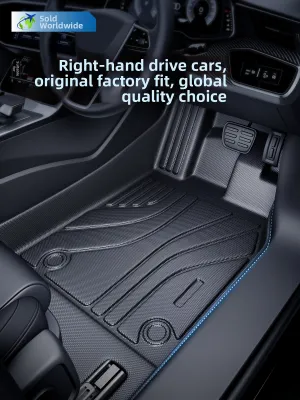
![[TOP CAR MAT FOR HONDA] Car Models / Car Mat / Anti-Slip Mat [BLACK BASE BLACK LINING ONLY]](https://img.lazcdn.com/g/p/97dfad9e17e5c5b8cc5cb1972932bb35.jpg_400x400q80.jpg_.webp)

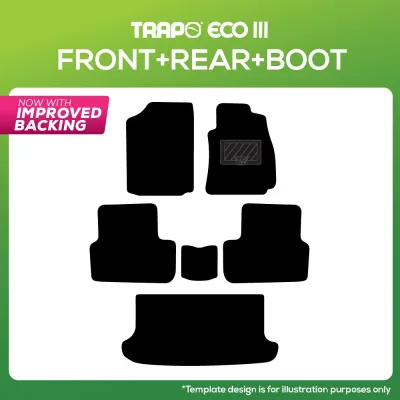
Prices are valid at publication and may change. Please refer to the product page for the latest price.
Finally, the pricing of these mats is driven by manufacturing complexity, material grade, and design sophistication. Multi-layer constructions that incorporate sound-dampening barriers, specialized anti-slip backing, and reinforced heel pads naturally command a premium. Understanding these core criteria allows you to look past marketing jargon and evaluate mats based on their actual engineering and material specifications.
Evaluating Fit and Coverage Across Vehicle Models
Achieving a precise fit is not merely an aesthetic preference; it is a critical safety requirement. When installing any aftermarket car floor mat, the driver-side footwell demands the closest inspection. You must verify that the mat does not interfere with the full travel of the accelerator, brake, or clutch pedals. A mat that is even slightly too thick or poorly contoured can catch the edge of a pedal, potentially leading to unintended acceleration or restricted braking capacity. Before driving, always depress each pedal completely to ensure there is clear clearance throughout its entire range of motion.

In addition to pedal safety, a high-quality full-surround mat must accommodate the moving parts of your vehicle’s cabin. This includes checking the clearance around power seat tracks and manual seat adjustment rails. If a mat extends too far back or rises too high along the sides, the seats may crush or buckle the material when slid forward or backward, damaging both the mat and potentially straining the seat motor. Similarly, the mat must hug the contours of the center console and side sills tightly without bowing, which could otherwise create tripping hazards or catch on passenger footwear.
Another vital safety check involves the vehicle’s factory retention clips. Original equipment manufacturers install floor anchors specifically to prevent mats from sliding forward under the pedals. High-quality custom-fit mats are engineered with matching retention points that snap directly onto these factory clips. You should never install a full-surround mat that covers or bypasses these anchors, as an unsecured mat can easily shift during sudden braking or cornering, compromising your control of the vehicle.
Comparing Material Types and Durability Characteristics
The choice of material directly influences how a full-surround mat performs under daily wear and environmental stress. Thermoplastic Elastomer (TPE) has become highly popular due to its exceptional weather resistance and structural rigidity. TPE mats behave like tough rubber; they do not crack or stiffen in extreme temperatures, and they are completely impervious to water, mud, and chemical spills. Because they are molded as a single solid piece, they are incredibly easy to clean—requiring only a quick spray with a hose—and they maintain their shape over years of heavy use.
For drivers seeking a more refined interior aesthetic, synthetic leather and XPE composite mats offer a compelling alternative. These mats feature a multi-layer construction, typically consisting of a decorative polyurethane (PU) leather top layer, a cushioning XPE foam middle layer for tactile comfort and sound insulation, and a non-slip bottom layer. While they provide a luxurious look and feel that complements premium car cabins, they require more careful maintenance than TPE. The stitched seams in composite mats can occasionally trap dirt, and the surface is more susceptible to scuffs and abrasion from high heels or work boots.
In hot and humid climates, such as Singapore, material off-gassing is another critical factor to consider. When a car is parked under the sun, cabin temperatures can soar, causing low-grade plastics and adhesives to release volatile organic compounds (VOCs) that produce unpleasant odors and pose potential health risks. When comparing brands, look for manufacturers that provide clear environmental certifications or low-VOC labels. High-quality TPE and premium XPE composites are generally formulated to be odorless and stable under high heat, ensuring the cabin air remains clean and safe for passengers.
Navigating Price Tiers and Value Propositions
The market for full-surround car floor mats is divided into distinct price tiers, each offering a different balance of materials, precision, and longevity. Entry-level mats, often priced at the lower end of the spectrum, typically feature universal or semi-custom cuts and are made from single-layer PVC or thin rubber. While these options are budget-friendly, they often lack the precise coverage needed to protect the entire footwell and may slide around due to a lack of model-specific retention clips.
Moving into the mid-range tier, you will find mats that utilize model-specific 3D scanning to ensure a much tighter fit. These products are usually constructed from standard TPE or mid-grade synthetic leather composites with reliable edge sealing to prevent moisture penetration. For the majority of drivers, this tier represents the sweet spot of value, offering robust protection and a clean, integrated look without a premium price tag.
The premium tier consists of highly customized, multi-layer mats that feature advanced materials, intricate stitching, specialized anti-slip backing, and extended manufacturer warranties. These mats are often tailored to order, matching the exact interior color scheme of luxury vehicles. However, it is important to remember that a higher price tag does not automatically guarantee superior durability. Before purchasing, you should verify the specific material specifications, read owner feedback regarding long-term wear, and compare current S$ pricing on authorized local platforms to ensure you are paying for actual material quality rather than brand prestige.
Decision Framework: Which Full-Surround Mat Suits Your Needs?
To select the right full-surround mat, you must align the product’s strengths with your lifestyle and vehicle type. If your daily routine involves outdoor activities, transporting pets, or dealing with frequent rain and mud, TPE mats are the most practical choice. Their waterproof nature, ease of cleaning, and resistance to wear make them ideal for maintaining a clean cabin with minimal effort. They are particularly suited for family SUVs and daily commuters where utility is the top priority.
Conversely, if you drive a luxury sedan or executive vehicle and wish to maintain a sophisticated cabin ambiance, leather or XPE composite mats are highly suitable. These mats elevate the interior aesthetic, provide a softer surface for passenger feet, and help dampen road noise for a quieter ride. They are best suited for drivers who are willing to perform light, regular maintenance to keep the synthetic leather looking pristine.
Regardless of the material you choose, the most critical step before finalizing your purchase is verifying compatibility. Always check that the product listing explicitly confirms a match for your exact vehicle make, model, sub-model, and model year. Because right-hand drive and left-hand drive configurations have mirrored footwells, ensure the product is designed specifically for your region’s driving configuration. Finally, review the seller’s return policy to ensure you can easily exchange or return the mats if you encounter any unexpected fitment issues during installation.
Frequently Asked Questions (FAQ)
How do I ensure a full-surround mat will not interfere with the pedals?
Immediately after installing a new driver-side mat, perform a physical safety check before starting the engine. Sit in the driver’s seat and press both the brake and accelerator pedals slowly and firmly all the way to the floorboard. Observe whether the pedal arms or pads make contact with the edge of the mat or if the mat buckles under pressure. If you detect any resistance, catching, or obstruction, adjust the mat’s positioning, ensure it is fully snapped into the retention clips, or return the product for a model-specific replacement.
Are full-surround mats compatible with factory floor clips?
High-quality, model-specific full-surround mats are designed to be fully compatible with your vehicle’s original equipment manufacturer (OEM) floor clips. These mats feature pre-installed retention grommets or twist-lock anchors that align perfectly with the factory pegs on your car’s floor. You should avoid purchasing any aftermarket mat that covers up these factory clips or lacks matching retention holes, as an unsecured mat can easily slide forward during driving and interfere with pedal operation.
What is the best way to clean and maintain different mat materials?
The proper maintenance routine depends entirely on the mat’s material composition. For TPE mats, simply remove them from the vehicle, rinse them thoroughly with a garden hose, scrub with a soft brush and mild automotive soap, and let them air dry completely before reinstallation. For synthetic leather or XPE composite mats, do not submerge them in water or use high-pressure washers, as moisture can seep into the stitched seams and cause mold. Instead, wipe the surface clean with a damp microfiber cloth and use a dedicated mild vinyl or leather cleaner to maintain the material’s finish.

Community discussion
Share your experience or ask a question. Comments are reviewed before publication.