
Selecting the right 3D car mat for your vehicle in Singapore requires looking beyond generic brand promises and focusing on how a mat’s physical design interacts with your car’s specific floor pan. Because floor layouts vary significantly between vehicle generations, drive configurations, and body styles, a mat that fits one model perfectly may cause safety hazards or leave vulnerable carpet exposed in another. The key to finding the ideal fit lies in understanding how different manufacturing methods, material properties, and vehicle-specific designs affect coverage and operational safety.
Defining Fit Accuracy and Maximum Coverage
Fit accuracy in 3D car mats is determined primarily by the technology used during the design phase. High-quality manufacturers utilize advanced 3D laser scanners to map every contour, rise, and anchor point of a vehicle’s footwell. This digital blueprint allows the factory to mold a mat that matches the floor pan precisely, preventing the sliding, bunching, and shifting common with flat, universal mats. A precise fit ensures that the mat remains stationary under foot pressure, which is a fundamental requirement for safe driving.
Maximum coverage extends beyond the flat floor area to protect the vertical walls of the footwell. A well-designed 3D mat should cover the dead pedal on the driver’s side, rise along the sides of the center console, and extend high enough up the firewall to catch dirt from the soles of your shoes. In Singapore’s tropical climate, where sudden downpours lead to wet footwear and dripping umbrellas, this high-walled coverage is essential. It prevents water, mud, and debris from seeping into the underlying carpet, which can lead to mold growth and persistent musty odors inside the cabin.
Products mentioned in this guide

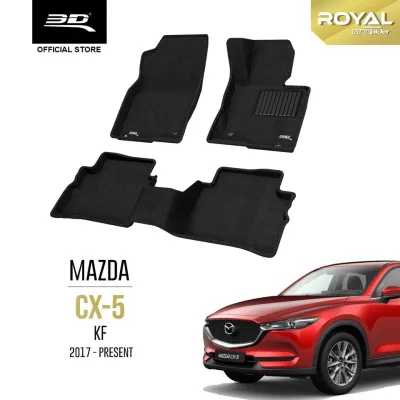
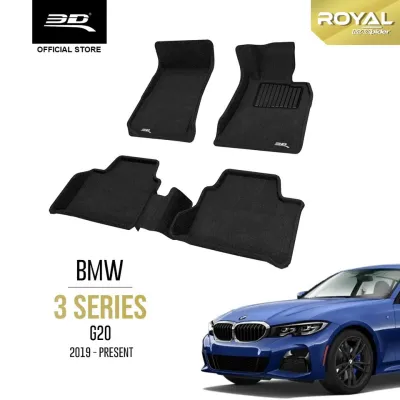
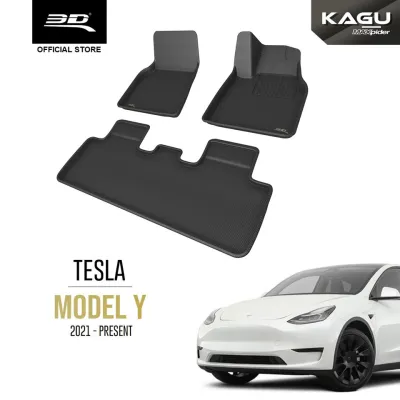
![3D ROYAL Car Mat BYD ATTO 3 [2023 - PRESENT]](https://img.lazcdn.com/g/p/d8f5688586be6a73fae2172f84be7171.jpg_400x400q80.jpg_.webp)
![3D ROYAL Car Mat TESLA MODEL Y JUNIPER [2025 - PRESENT]](https://img.lazcdn.com/g/p/6f9b35f5129b7e0a58dba8da2456132e.jpg_400x400q80.jpg_.webp)
![3D ROYAL Car Mat HONDA CIVIC TYPE-R FL5 [2023 - PRESENT]](https://img.lazcdn.com/g/p/954acc9005c29e88f306d4d6b25e1ad0.png_400x400q80.png_.webp)
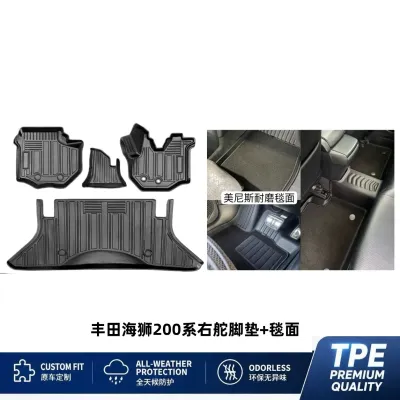
Prices are valid at publication and may change. Please refer to the product page for the latest price.
However, maximum coverage must always be balanced against critical clearance zones. The mat must never encroach on the space required for the full travel of the accelerator, brake, and clutch pedals. It must also clear the seat adjustment rails completely, allowing the front seats to slide forward and backward without catching or binding. A mat that blocks these mechanical components is a severe safety hazard that must be avoided.
Core Specifications to Compare Across Brands
When comparing different 3D car mat brands, the choice of material is one of the most critical specifications to evaluate. Thermoplastic Elastomer (TPE) and Cross-Linked Polyethylene (XPE) are the two dominant materials in the premium 3D mat market, each offering distinct physical properties. TPE is a rubber-like compound known for its exceptional durability, rigidity, and structural memory. It excels at maintaining its high-walled shape over years of use, resisting warping even under intense cabin heat.

XPE, by contrast, is a multi-layered foam material that offers a softer, more cushioned feel underfoot. It provides excellent sound insulation, helping to dampen road noise entering through the floorboards. While XPE is highly flexible and lightweight, its edges may not retain their rigidity as long as TPE under heavy wear. When evaluating these materials, consider how often you remove your mats for cleaning; lightweight XPE is easier to handle, while heavy-duty TPE offers superior long-term contour retention.
Beyond the primary material, you must evaluate the mat’s securing mechanisms. High-quality 3D mats feature specialized anti-slip backing textures, such as microscopic hook-and-loop fibers, that grip the vehicle’s carpet without damaging the fibers. Furthermore, compatibility with factory retention clips is essential. These clips lock the driver’s mat securely to the floor, preventing it from sliding forward under braking. For the rear passenger area, look for interlocking mechanisms or single-piece designs that bridge the center hump to prevent shifting.
| Material Type | Fit Characteristics | Flexibility & Weight | Coverage Trade-offs |
|---|---|---|---|
| Thermoplastic Elastomer (TPE) | High precision, rigid edges that maintain shape over years of use. | Moderately flexible, heavier weight, excellent structural memory. | Excellent wall-to-wall coverage; rigid edges prevent spills but require precise scanning. |
| Cross-Linked Polyethylene (XPE) | Good contour matching, softer feel with multi-layer cushioning. | Highly flexible, lightweight, moderate edge rigidity. | Good coverage; softer edges may slightly sag over time if not supported by floor walls. |
| Traditional Rubber / Universal | Low precision, flat design that does not follow 3D contours. | Highly flexible, heavy, no structural memory or raised walls. | Poor coverage; leaves footwell walls, dead pedal, and center hump exposed. |
Verifying Compatibility With Your Specific Car Model
To ensure a perfect fit, you must verify your vehicle’s exact specifications before making a purchase. Car manufacturers frequently update floor pan layouts during mid-cycle refreshes or when transitioning between vehicle generations. A mat designed for a 2022 model may not fit a 2024 model of the same name due to subtle changes in seat rail placement or hybrid battery housing. Always check your vehicle’s chassis code and production year against the manufacturer’s compatibility list rather than relying on the model name alone.
For drivers in Singapore, confirming right-hand drive (RHD) compatibility is a critical step. Many online marketplaces and international sellers list mats designed for left-hand drive (LHD) markets. Because the footwell layout of an RHD vehicle is a mirrored version of an LHD vehicle, installing LHD mats in an RHD car is impossible and highly dangerous. The pedal cutouts, dead pedal coverage, and retention clip alignments will not match, leading to severe pedal interference. Always explicitly verify that the product is molded specifically for RHD configurations.
Once your new mats arrive, perform a comprehensive physical inspection before driving. Place the mats in the footwells and ensure they lay completely flat against the floor pan without any bowing or lifting. Confirm that the factory retention clips align perfectly and click securely into place. Manually depress the accelerator and brake pedals to their absolute limits to verify there is no contact with the mat’s edges. Finally, slide the front seats through their full range of motion to ensure the tracks do not catch on the rear or side walls of the mats.
Evaluating Coverage Trade-Offs and Safety Limits
While high-walled 3D mats offer superior protection against dirt and spills, excessively high or overly rigid edges can introduce operational risks. If the edge of the mat near the pedals is too stiff or tall, it can catch the sole of your shoe when you transition quickly from the accelerator to the brake pedal. This interference can delay your braking response time in an emergency. When evaluating a mat, ensure that the transition zones around the pedals are designed with sufficient clearance and tapered edges.
Always adhere to your vehicle manufacturer’s official floor mat safety guidelines. Most vehicle manuals strictly warn against stacking multiple floor mats. Placing a heavy-duty 3D mat on top of your car’s original carpet mats raises the floor level, which significantly increases the risk of pedal entrapment. Always remove all existing floor mats, including temporary plastic covers, before installing your new 3D mats. This ensures the retention clips can lock directly onto the vehicle’s floor anchors as intended.
Establish clear stop conditions for your mat’s usage. If you notice the mat shifting, sliding forward, or warping over time, remove it from the vehicle immediately. Do not attempt to trim, cut, or modify a rigid 3D mat to force a fit, as this can destroy its structural integrity and compromise its safety features. If the mat does not fit perfectly or if it interferes with any mechanical controls, consult the manufacturer or a qualified automotive professional to find a compatible replacement.
Decision Framework: Choosing the Right 3D Mat
Choosing the right 3D car mat depends on your vehicle’s design and your daily usage patterns. If your primary goal is maximum spill containment, mud protection, and easy cleaning, high-edge rigid TPE mats are the most suitable option. These mats act like a protective tray, keeping all liquids and debris contained until you lift them out. They are highly durable, making them ideal for active lifestyles, families, and vehicles that experience heavy foot traffic.
If your vehicle has complex floor contours with sharp angles, or if you prefer a quieter, more cushioned cabin experience, flexible multi-layer XPE mats are a better choice. The flexibility of XPE allows it to conform smoothly to intricate footwell shapes, and its sound-dampening properties help reduce road noise entering through the floorboards. These mats are also easier to remove and reinstall due to their lightweight nature, making them convenient for drivers who clean their car interiors frequently.
Be aware that neither option may fit perfectly if your vehicle features specialized aftermarket floor anchors, custom audio equipment under the seats, or unusual floor hump designs not accounted for by standard 3D scans. Additionally, if your car is a very recent release or a low-volume, niche import, manufacturers may not have updated their 3D scanning databases yet. In such cases, wait until verified, model-specific scans are available rather than attempting to force a near-fit mat into your vehicle.

Community discussion
Share your experience or ask a question. Comments are reviewed before publication.