
Selecting the right On-Board Unit (OBU) mount for your car dashboard is essential for maintaining a clear view of the road while keeping your device secure. The ideal mounting solution depends entirely on your vehicle’s dashboard material, surface texture, and interior layout. While one driver might find a suction cup mount highly reliable, another might experience constant detachment due to a textured or curved dashboard surface.
To make an informed decision, you must evaluate how different mounting mechanisms—suction cups, adhesives, and clip-ons—interact with your car’s specific interior materials. Choosing the wrong type can lead to dropped devices, distracted driving, or even permanent damage to your dashboard’s finish.
Assessing Your Dashboard Surface and Layout
Before purchasing any mounting accessory, take a close look at your dashboard’s construction. Modern vehicle cabins feature a variety of materials, including hard molded plastics, soft-touch polyurethane, vinyl wraps, and genuine leather. Each material reacts differently to pressure, vacuum seals, and chemical adhesives. For instance, soft-touch plastics can compress under pressure, while genuine leather is highly sensitive to chemical bonding agents.
Products mentioned in this guide
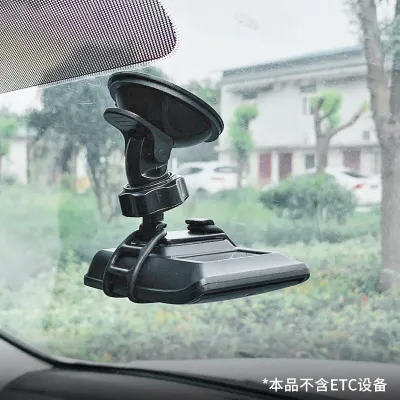

Prices are valid at publication and may change. Please refer to the product page for the latest price.
Surface texture is the next critical factor. A dashboard may look flat from a distance, but a closer inspection often reveals a matte finish, a fine grain, or a deep leather-like texture. These microscopic ridges and valleys prevent airtight seals and reduce the contact area available for adhesives. If your dashboard has a highly textured surface, standard suction cups will struggle to maintain a secure hold over time.
You must also evaluate the physical layout of your console. Measure the available flat space, note any curves or slopes, and observe the proximity to your windshield. A mount placed too close to the glass can cause severe glare or block your view of the road. Additionally, steep dashboard slopes require mounts with highly adjustable joints to keep the OBU display at an optimal viewing angle.
Most importantly, identify your vehicle’s safety boundaries. You must consult your vehicle’s owner manual to locate all airbag deployment zones. Mounting any device or bracket within these zones is extremely dangerous, as a deploying airbag can turn the OBU or its mount into a high-velocity projectile. Additionally, ensure the physical weight and dimensions of your specific OBU device do not exceed the structural limits of your chosen mounting point.
Suction Cup Mounts: When to Choose and When to Avoid
Suction cup mounts rely on a vacuum seal to stay in place. This mechanism is highly effective if your dashboard features a large, completely flat, and non-porous surface, such as a smooth hard plastic panel or the windshield glass itself. When pressed against a compatible surface, the cup expels air, creating a low-pressure pocket that holds the mount firmly. Many modern suction mounts also feature a sticky polyurethane gel pad on the cup to help fill minor surface imperfections.

However, you should avoid suction cups if your dashboard is textured, curved, or made of soft-touch materials. The tiny gaps in textured surfaces allow air to slowly seep into the vacuum chamber, causing the seal to fail unexpectedly. Over time, exposure to cabin heat can also degrade the flexible gel or rubber cup, leading to sudden drops. If your vehicle is frequently parked in direct sunlight, the extreme heat can dry out the suction cup, causing it to lose elasticity.
The primary advantage of a suction cup is its complete reversibility. You can easily reposition the mount, transfer it to another vehicle, or remove it for cleaning without leaving sticky residue or causing permanent surface alterations. This makes it an excellent choice for rental cars or drivers who prefer a flexible setup. If the suction cup loses its grip due to dust accumulation, you can often restore its stickiness by rinsing it under warm water and letting it air dry.
Before finalizing this option, verify the manufacturer’s stated weight capacity against the actual weight of your OBU display. Additionally, check for potential windshield glare. A suction cup mounted high on the glass or dashboard can catch direct sunlight, creating reflections that impair your forward visibility during daytime driving. Ensure the mount’s arm is rigid enough to prevent the OBU from vibrating excessively while driving on uneven roads.
Adhesive Mounts: When to Choose and When to Avoid
Adhesive mounts utilize semi-permanent bonding agents to secure the bracket directly to your vehicle’s interior. This type is highly suitable if your dashboard has a textured, slightly curved, or soft-touch surface where suction cups cannot maintain a vacuum. The flexible adhesive pad conforms to minor surface irregularities, providing a stable hold that resists road vibrations.
Despite their stability, adhesive mounts are not ideal if you plan to reposition your OBU frequently. They are also highly unsuitable for delicate, thin vinyl, or genuine leather-wrapped dashboards. The strong chemical bond can permanently stretch, discolor, or tear these premium materials when you attempt to remove the mount. If you anticipate selling your vehicle or returning a leased car, an adhesive mount may complicate the restoration of the interior.
The permanence of the bond is both a benefit and a risk. While it ensures the OBU remains stable even on bumpy roads, it carries the risk of leaving stubborn residue or causing surface damage upon removal. In extreme cabin temperatures, some low-grade adhesives can melt, sliding out of place and leaving a sticky smear on your console. High-quality automotive adhesives are designed to withstand these temperature fluctuations, but they still require careful removal techniques.
To ensure a secure and safe installation, verify the specific adhesive type used on the mount, such as high-quality acrylic foam tape designed for automotive trim. Thorough surface preparation is absolutely necessary before application. Clean the target area using only label-authorized automotive interior cleaners that do not leave a greasy residue, and allow the surface to dry completely. Once applied, most automotive adhesives require a curing period—often up to 24 hours—before you should attach the heavy OBU display to the mount.
Clip-On and Vent Mounts: When to Choose and When to Avoid
Clip-on and air vent mounts offer an alternative that bypasses the dashboard surface entirely. Choose this option if your dashboard lacks flat mounting space or is made of delicate materials, provided your vehicle features sturdy air vent louvers or a thin, accessible dashboard lip. These mounts grip existing interior structures using spring-loaded clamps or tightening collars, keeping your dashboard free of adhesives and suction marks.
You must avoid clip-on mounts if your OBU device is exceptionally heavy. Excessive weight can put undue stress on plastic vent louvers, potentially snapping them and requiring costly repairs. Furthermore, placing a device directly in front of an active air conditioning vent can block cabin airflow and expose the OBU to extreme temperature changes, which may lead to internal condensation or overheating when the heater is used.
Compatibility is a major consideration for clip mechanisms. You must assess the shape of your vent blades—whether they are horizontal, vertical, or circular—and check the thickness of your dashboard edges. Many standard clips are designed solely for traditional horizontal slats and will not secure properly to circular or angled vents. Some advanced clip mounts feature support legs that distribute the weight to the surrounding trim, reducing the load on individual vent blades.
The trade-off with clip-on mounts is space efficiency versus functional obstruction. While they keep your dashboard clear and preserve your forward sightlines, they inevitably block a portion of your cabin’s airflow and can cause annoying rattles if the clip does not fit snugly. Additionally, the constant vibration of the vehicle can cause the hard plastic edges of the clip to rub against your vent blades, potentially scratching or wearing down the finish over time.
Decision Matrix: Matching Your Car to the Right Mount
To help you narrow down your choices, use the following conditional framework to match your vehicle’s characteristics to the most appropriate mounting style.
| Dashboard Material | Available Space | Reversibility Need | Recommended Mount | Verify First |
|---|---|---|---|---|
| Smooth Hard Plastic / Glass | Ample flat areas | High (frequent removal) | Suction Cup | Check weight capacity and windshield glare limits. |
| Textured / Soft-Touch Plastic | Limited flat areas | Low (semi-permanent) | Adhesive | Confirm adhesive compatibility with soft-touch trim. |
| Sturdy Air Vents / Thin Lips | No flat dashboard space | High (no residue) | Clip-On / Vent | Check vent blade strength and OBU weight limits. |
| Genuine Leather | Any layout | High (zero damage) | Windshield Suction / Friction Mat | Avoid dashboard adhesives entirely to prevent tearing. |
Use this matrix as a practical shortlisting tool. For example, choose an adhesive mount if your dashboard surface is textured and you accept a semi-permanent installation. Always prioritize safety clearances over convenience, and ensure that any chosen mount does not interfere with your vehicle’s controls or display screens.
Pre-Installation Safety and Compatibility Checks
Before installing any mounting hardware, you must consult your vehicle’s owner manual regarding dashboard modifications, adhesive compatibility, and airbag deployment zones. Never place a mount, cable, or device over any trim panel marked “SRS Airbag” or within the projected path of a deploying safety restraint. If you are unsure about routing cables or modifying interior panels, seek qualified professional installation to ensure your vehicle’s safety systems remain fully functional.
If you decide to use an adhesive mount on an unfamiliar soft-touch material, perform a small, hidden spot test first. Apply a tiny piece of the adhesive or a drop of the recommended surface cleaner to an inconspicuous area under the steering column or inside a glove compartment to check for discoloration, peeling, or chemical reactions. This simple step can save you from costly dashboard restoration bills later.
Once installed, verify that the mounting location does not obstruct your driving sightlines, interfere with steering wheel movement, or block critical dashboard sensors, such as automatic headlight or rain sensors. A poorly placed OBU can create dangerous blind spots or disrupt your vehicle’s automated systems. Additionally, ensure that any power cables are neatly routed and secured so they do not drape across the steering column, gear shifter, or foot pedals, which presents a severe physical hazard.
Finally, establish a routine maintenance check. Cabin temperatures in parked cars can rise significantly, weakening adhesives and degrading suction cups. Periodically wiggle the mount to verify its stability before setting off, ensuring your OBU remains securely in place throughout your journey. If you notice any peeling, cracking, or loss of suction, address the issue immediately to prevent the device from falling while the vehicle is in motion.
Frequently Asked Questions (FAQ)
Can I use an OBU mount on a leather-wrapped dashboard?
Suction cups will fail on genuine leather because the material is naturally porous, allowing air to seep in and break the vacuum seal. Adhesives should also be avoided, as the strong bonding agents can permanently discolor, stretch, or tear the delicate leather surface upon removal. For leather-wrapped dashboards, it is highly recommended to use a windshield-mounted suction cup (where legally permitted) or a weighted friction mat that sits securely on the dashboard without adhesive.
How do I safely remove adhesive residue without damaging the dashboard?
Before applying any chemical solvents to your dashboard, consult your vehicle’s manual or a professional detailer to ensure the product is safe for your specific trim material. For a low-risk approach, gently rub the residue using a clean microfiber cloth dampened with warm, soapy water. If the adhesive persists, use a dedicated automotive interior cleaner authorized for your dashboard material, avoiding harsh abrasive pads or industrial solvents that can melt plastic or strip away protective coatings.

Community discussion
Share your experience or ask a question. Comments are reviewed before publication.