
Selecting a suitable motorcycle chain lubricant for Singapore’s tropical climate requires balancing immediate water resistance with long-term cleanliness. In a region characterized by sudden, heavy downpours and persistent high humidity, standard dry-weather lubricants quickly wash away, leaving critical metal components vulnerable to rapid wear and oxidation. A highly effective solution for these demanding conditions is a dedicated wet-weather or heavy-duty all-weather chain lubricant. These specialized formulations are engineered with high-viscosity synthetic oils, tackifiers, and advanced corrosion inhibitors that cling to metal surfaces even when subjected to standing water and road spray.
To make an informed purchase, riders must look beyond generic marketing claims and focus on verifiable product specifications. A suitable lubricant must explicitly state compatibility with your motorcycle’s specific chain type—whether it utilizes O-ring, X-ring, or Z-ring seals—to prevent premature seal degradation. Additionally, the application process must allow sufficient time for the carrier solvents to evaporate, ensuring the protective barrier cures completely before the motorcycle is ridden. By understanding how tropical environmental factors interact with different lubricant formulations, you can protect your drivetrain, maintain smooth power delivery, and avoid costly premature replacements of your chain and sprockets.
How Singapore's Climate Affects Chain Lubrication
Singapore’s equatorial climate presents a unique set of challenges for motorcycle drivetrain maintenance. The combination of intense, localized downpours and ambient relative humidity levels that frequently exceed 80 percent creates an environment where metal surfaces are constantly under threat. When a motorcycle is ridden through a sudden afternoon deluge, the sheer volume of water striking the rapidly spinning drive chain acts as a high-pressure wash. This mechanical action quickly strips away low-viscosity lubricants, exposing the bare steel of the rollers, link plates, and pins to direct moisture.
Products mentioned in this guide
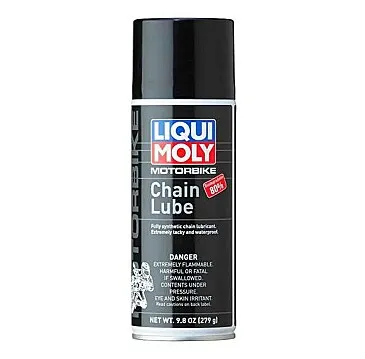
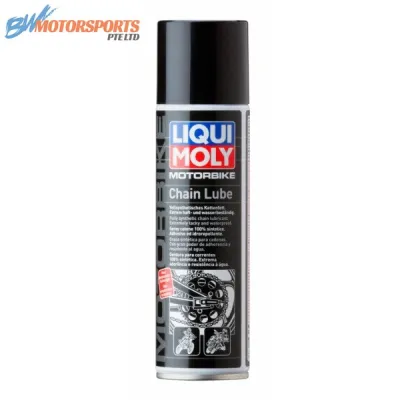
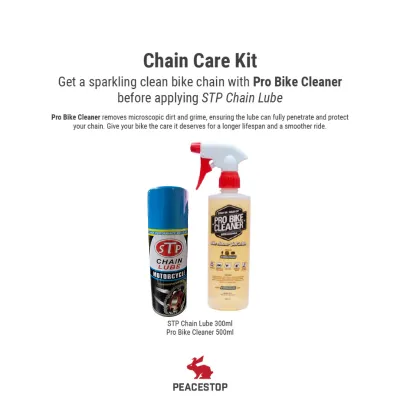
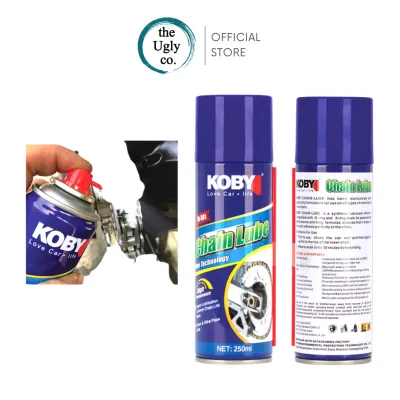
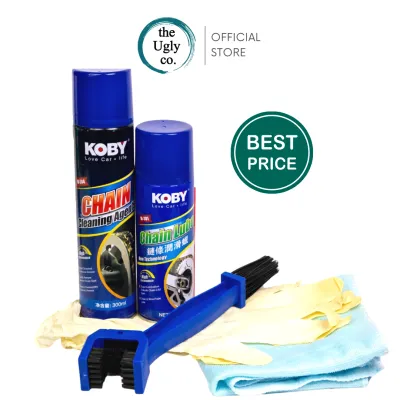
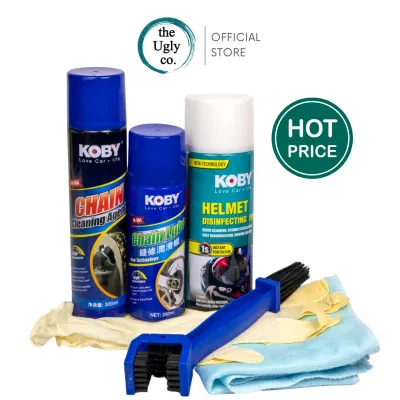
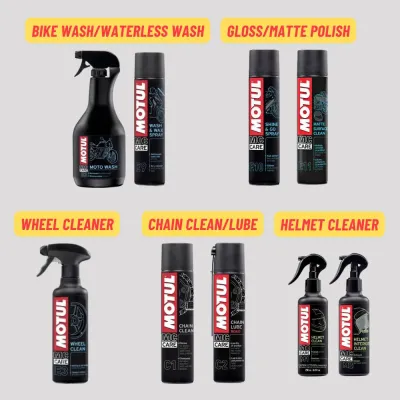
Prices are valid at publication and may change. Please refer to the product page for the latest price.
Once the protective lubricant film is compromised, the high ambient humidity accelerates the oxidation process. Rust can begin to form on the outer surfaces of the link plates within hours of a wet ride, particularly if the motorcycle is parked in an open-air lot or a humid multi-storey car park. This surface corrosion is not merely cosmetic; if left unchecked, rust particles can migrate into the tight clearances between the inner and outer plates. This abrasive oxidation binds the links, leading to stiff joints, uneven chain tension, and increased drag that saps engine power and accelerates sprocket wear.
Furthermore, wet roads in urban environments are rarely clean. Rainwater mixes with dropped engine oil, diesel soot, and fine road grit, creating a highly abrasive slurry on the asphalt. When a motorcycle chain is coated in an overly tacky or inappropriate lubricant, this gritty mixture adheres to the chain, forming an abrasive grinding paste. As the chain rotates around the sprockets, this paste grinds down the metal teeth and tears at the delicate rubber seals that retain the factory-installed grease inside the chain pins. Consequently, the ideal lubricant must not only resist water wash-off but also resist trapping excessive road debris.
Essential Properties for Wet and Humid Weather
When evaluating motorcycle chain lubricants on online marketplaces or at local automotive workshops, reading the manufacturer’s technical label is the first step toward making a reliable choice. The primary property to look for is water displacement. High-quality wet-weather lubricants are formulated to actively push moisture away from metal surfaces upon application, ensuring that any residual water from a recent wash or rain ride is neutralized. Look for terms such as “water-repellent,” “hydrophobic,” or “wet-weather specialized” on the packaging, which indicate the presence of surface-active additives designed to displace water molecules.

Another critical property is wash-off resistance, which is directly tied to the lubricant’s adhesive strength, often referred to as “cling” or “fling resistance.” A lubricant must possess sufficient tackiness to remain bonded to the high-speed rotating chain without being slung off onto the rear wheel rim, swingarm, or tire tread. However, this adhesion must be carefully balanced. If a lubricant is excessively sticky, it will attract every particle of road dust and sand it encounters. Manufacturers achieve this balance by utilizing synthetic polymers that cure to a semi-dry, waxy, or highly cohesive film after the carrier solvent evaporates, providing a robust barrier that resists both water and dirt accumulation.
Finally, robust corrosion inhibitors are non-negotiable for motorcycles operating in humid tropical environments. These chemical additives form a microscopic, passive barrier on the steel surfaces, preventing oxygen and moisture from initiating the chemical reaction that causes rust. When reviewing product specifications, verify that the lubricant offers active rust prevention and is rated for marine or high-humidity environments. This is particularly important for riders who park their motorcycles outdoors or near coastal areas, where salt-laden air can further accelerate the degradation of exposed metal components.
Comparing Chain Lube Types for Rain Resistance
Motorcycle chain lubricants generally fall into three primary categories: dry lubricants, wet/all-weather lubricants, and wax-based formulas. Dry lubricants, which typically use a volatile solvent carrier to deposit a dry film of PTFE or graphite, are highly effective at resisting dirt attraction in dusty conditions. However, they offer virtually no resistance to water wash-off. A single ride through a typical Singaporean downpour will completely strip a dry lubricant from the chain, leaving it entirely unprotected. Therefore, dry lubes are generally unsuitable for year-round use in wet tropical climates.
In contrast, wet and all-weather formulations are specifically engineered to withstand heavy moisture. These products contain heavier synthetic oils and specialized tackifiers that remain fluid or semi-fluid, allowing them to continuously migrate and self-heal over the chain’s wear surfaces even when subjected to constant water spray. While they require more frequent cleaning to prevent dirt buildup compared to dry lubes, their superior water-shedding capabilities make them the safest choice for wet-season riding. Wax-based lubricants offer a middle ground, drying to a hard, non-tacky barrier that resists dirt well and provides moderate water resistance, though they must be reapplied more frequently than heavy wet lubes during periods of daily rain.
The delivery method also plays a significant role in how effectively the lubricant protects the chain. Aerosol sprays are the most common and convenient option, utilizing pressurized propellants to atomize the lubricant, allowing it to penetrate deep into the tight clearances between the rollers and bushings. Drip bottles allow for precise, link-by-link application, minimizing waste and reducing the risk of overspray, though they require more time and patience. Paste lubricants, applied with a brush, offer excellent control and thick coverage, making them highly durable, but they can be difficult to apply evenly into the innermost clearances of the chain links.
Regardless of the lubricant type or delivery method, you must verify compatibility with your chain’s internal seals. Modern motorcycle chains utilize rubber O-rings, X-rings, or Z-rings to seal high-viscosity grease inside the pin and bushing assembly. Some low-grade lubricants or general-purpose penetrants contain aggressive petroleum-based solvents that can cause these rubber seals to swell, soften, or crack. Once a seal fails, the factory grease escapes, water enters, and the chain will rapidly wear out from the inside, regardless of how much external lube you apply. Always check the product label to ensure it explicitly states “O-ring and X-ring safe.”
Application and Maintenance Routine for Tropical Conditions
To maximize the lifespan of your motorcycle’s drivetrain in a wet and humid climate, establishing a disciplined cleaning and lubrication routine is essential. Applying fresh lubricant over a dirty, wet chain is counterproductive, as it traps moisture and abrasive grit against the metal surfaces and seals. Begin by thoroughly cleaning the chain using a dedicated, seal-safe chain cleaner. Avoid using harsh household degreasers, petrol, or diesel, as these can degrade the rubber seals and strip away the internal factory grease. Use a soft-bristled chain brush to gently agitate and loosen accumulated road grime, mud, and old lubricant residue.
Once the chain is clean, it must be dried completely before applying new lubricant. Any water trapped under the new lube layer can cause localized corrosion and prevent the lubricant from adhering properly to the metal. Wipe the chain down with a clean, lint-free microfiber cloth, and if possible, allow the motorcycle to sit in a dry area for a short period to ensure all residual moisture has evaporated. When applying the lubricant, focus on the inner run of the chain—the side facing the sprockets—rather than the outer plates. As the chain spins, centrifugal force will naturally push the lubricant outward through the rollers and seals, ensuring complete coverage.
After application, it is crucial to allow adequate curing time before riding. Most aerosol lubricants use a highly volatile carrier solvent to keep the mixture thin enough to penetrate the tight clearances of the chain. This solvent must evaporate completely for the lubricant to reach its full viscosity and adhesive strength. Ideally, apply the lubricant after your final ride of the day, allowing it to cure overnight. If you must ride sooner, wait at least 15 to 30 minutes. Adjust your maintenance frequency based on weather conditions; during dry spells, lubricating every 400 to 500 kilometers is generally sufficient, but during the monsoon season, you should inspect, clean, and re-lubricate the chain after every major ride through heavy rain.
Safety and Compatibility Checks Before Application
Before purchasing or applying any chain maintenance product, always cross-reference the product’s label with your motorcycle owner’s manual. Manufacturers often specify preferred lubricant viscosities or chemical restrictions to protect the specific materials used in their drivetrains. For instance, some high-performance motorcycles feature specialized chain coatings or lightweight alloy sprockets that require non-aggressive, non-acidic formulations. Verifying these details beforehand prevents accidental material damage and ensures your warranty remains intact.
When cleaning your motorcycle, resist the temptation to use high-pressure water jets directly on the drive chain. While jet washes at commercial self-service bays are highly effective for removing mud from bodywork, the intense pressure can easily force water, soap, and dirt past the delicate rubber O-rings or X-rings. Once moisture is trapped inside the sealed pin-and-bushing assembly, it cannot escape, leading to rapid internal rusting and premature chain failure. Instead, use a low-pressure garden hose or a bucket of water paired with a manual brush to clean the drivetrain safely.
Finally, exercise extreme caution during application to prevent the lubricant from contaminating other critical motorcycle components. Overspray on tires, brake rotors, calipers, or pads can severely compromise your motorcycle’s braking efficiency and road handling, creating an immediate safety hazard. To prevent this, place a piece of cardboard or a clean rag behind the chain to catch any overspray while rotating the rear wheel by hand. Never run the motorcycle in gear on a paddock stand while applying lubricant; this extremely dangerous practice can lead to severe finger or hand injuries if caught in the spinning sprockets. If any lubricant accidentally contacts the tires or brakes, clean the affected areas immediately using a dedicated brake cleaner and a clean cloth.
Frequently Asked Questions (FAQ)
How often should I reapply chain lube during the monsoon season?
During the monsoon season, do not rely solely on a fixed mileage interval. Instead, perform a visual and tactile inspection of your chain before and after every ride. If the rollers appear shiny, dry, or show signs of light surface rust, or if you hear a dry squeaking sound while pushing the motorcycle, it is time to reapply. As a general rule of thumb, a thorough cleaning and re-lubrication should be performed after any extended ride through heavy rain or standing water, as the constant water spray will have stripped away a significant portion of the protective barrier.
Can I use standard multi-purpose penetrants as a primary chain lubricant in wet weather?
No, standard multi-purpose penetrating oils should never be used as a primary motorcycle chain lubricant. While these products are excellent for displacing water and loosening rusted bolts, they have very low viscosity and lack the load-bearing film strength required to protect a high-speed motorcycle drivetrain. They wash off almost instantly when exposed to rain and do not contain the necessary tackifiers to resist being flung off the chain. Furthermore, some multi-purpose penetrants contain solvents that can actively damage the rubber O-rings or X-rings, leading to premature chain failure.
Is it necessary to clean the chain every time before applying lube?
While a deep clean with a brush is not strictly necessary before every single application, you should never apply fresh lubricant over a chain that is visibly coated in road grit, mud, or heavy water droplets. Applying lube over dirt traps the abrasive particles against the chain’s moving parts, accelerating wear. For quick maintenance between deep cleans, use a dry, clean microfiber cloth to wipe away loose road grime and surface moisture from the chain rollers before applying a fresh, light layer of lubricant. This simple step helps maintain the integrity of the protective film without requiring a full wash every time.

Community discussion
Share your experience or ask a question. Comments are reviewed before publication.