
To choose the right bike chain cleaning kit, you must balance your motorcycle’s specific chain design with your typical riding environment. A clean, well-lubricated chain ensures optimal power transfer from the engine to the rear wheel, prevents premature wear of the sprockets, and maintains riding safety. Investing in a dedicated bike chain cleaning kit simplifies this essential maintenance task, ensuring you have the correct brushes and chemically compatible solvents to remove road grime without damaging critical components. Neglecting this simple task can lead to power loss, increased fuel consumption, and ultimately, catastrophic chain failure that could lock up your rear wheel at high speeds.
Assessing Your Motorcycle Chain and Maintenance Needs
Before purchasing a bike chain cleaning kit, you must identify the exact type of chain installed on your motorcycle. Standard chains feature a basic metal-on-metal design without internal seals, meaning dirt easily penetrates the pivot pins, requiring frequent deep cleaning and heavy lubrication. In contrast, sealed chains—such as O-ring and X-ring varieties—contain factory-applied grease sealed behind delicate rubber rings.
The physical geometry of these seals dictates how they must be cleaned. O-ring chains use round-profile rubber rings to seal the grease inside the pin and bushing area. X-ring chains use a twisted, cross-profile ring that creates four contact sealing points, which reduces friction and traps grease more effectively. However, both designs rely on delicate elastomeric materials (usually nitrile rubber) that are highly sensitive to chemical exposure and mechanical abrasion.
Products mentioned in this guide
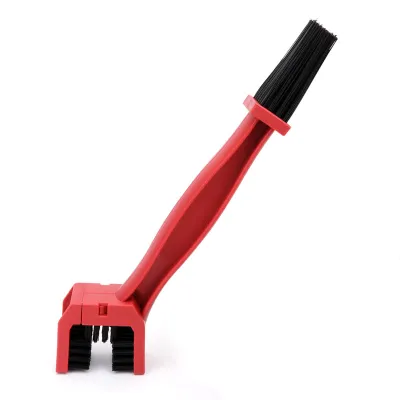
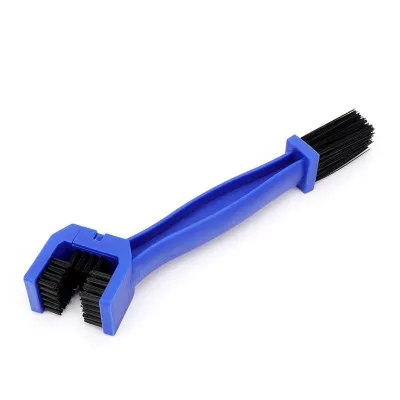
Prices are valid at publication and may change. Please refer to the product page for the latest price.
For sealed chains, solvent compatibility is absolutely critical. Harsh, non-compatible chemicals can dry out, swell, or crack these delicate rubber seals. Once a seal fails, the factory grease escapes, dirt enters, and the chain quickly develops tight spots or fails entirely. Always consult your motorcycle owner’s manual to verify approved chemical types and identify any specific manufacturer warnings regarding chain care.
Your local riding environment also dictates the type of cleaning kit you need. In Singapore, the tropical climate brings frequent heavy downpours, high humidity, and coastal salt air, all of which accelerate oxidation and wash away protective lubricants. Road grit mixed with rainwater forms an abrasive paste that clings to the chain. Daily commuters facing these wet conditions will require a more robust, deep-cleaning kit, whereas weekend riders operating in dry conditions might only need a quick-wipe maintenance kit.
Furthermore, the type of chain lubricant you use affects your cleaning requirements. Sticky, wet-weather chain lubes are designed to resist being washed away by tropical rain, but they also attract and hold onto road grit much more aggressively than dry, wax-based lubricants. If you regularly ride through heavy rain and use tacky wet lubes, your cleaning kit must feature a highly effective solvent capable of breaking down these heavy, sticky barriers without degrading the underlying rubber seals.
Essential Features to Look for in a Bike Chain Cleaning Kit
A high-quality bike chain cleaning kit must offer a balance of effective cleaning power and component protection. The primary tool in any kit is the brush, which should feature multi-sided bristles designed to clean the top, bottom, and sides of the chain links simultaneously. Bristle stiffness is a key consideration; hard nylon bristles are effective for scrubbing away caked-on grime but must be flexible enough not to damage delicate rubber seals.

Avoid wire-bristled brushes entirely when maintaining sealed chains. Steel or brass wire will tear O-rings and X-rings, leading to rapid chain degradation. The solvent delivery method is another important feature to evaluate. Aerosol sprays are excellent for blasting away loose dirt with pressure, while liquid solvents in pour bottles are better suited for kits with integrated reservoirs or clamshell tools.
Ergonomics and safety accessories are equally vital. A long, sturdy handle on the brush keeps your hands clear of sharp sprocket teeth and messy grease. Drip trays, catch mats, or plastic shields are invaluable additions to a bike chain cleaning kit. They catch dirty solvent runoff, preventing it from dripping onto your garage floor or, worse, contaminating your rear tire tread and brake rotors—a major safety hazard.
When evaluating solvents, look for formulas that are specifically labeled as “O-ring safe” or “X-ring compatible.” These solvents typically use mild petroleum distillates or water-based, biodegradable surfactants that dissolve heavy grease and road grime without attacking the rubber compounds of the seals. Some advanced kits also include specialized drying agents or lint-free microfiber cloths to ensure no chemical residue remains on the chain before you apply fresh lubricant.
Recommended Chain Cleaning Kits by Maintenance Profile
In Singapore, riders can find various specialized kits at local motorcycle parts shops or authorized distributors. Choosing the right one depends on how often you ride and the level of buildup on your chain.
For Deep Cleaning and Heavy Grime Buildup
Clamshell-style chain cleaning tools clamp directly around the chain, enclosing it completely. As you spin the rear wheel, internal rotating brushes scrub the links from multiple angles while solvent is injected directly into the housing. These are highly effective for removing heavy, caked-on grease, but they require more setup time, can be bulky, and consume more solvent per cleaning. Ensure the cleaning fluid used with these systems is explicitly rated as safe for your specific chain seals.
These heavy-duty kits are particularly suited for high-mileage touring bikes, dual-sport motorcycles that venture off-road, or bikes that have been neglected for several months. The enclosed design of a clamshell tool minimizes messy splatters, making it a great option for riders who live in high-rise apartments with shared parking spaces where leaving large oil stains on the ground is prohibited. However, you must check the clearance around your front sprocket cover and swingarm, as some compact sportbikes do not have enough physical space to accommodate a bulky clamshell tool.
For Quick, Routine Maintenance
For riders who maintain their bikes weekly, a compact kit containing a multi-sided nylon brush and a fast-evaporating aerosol solvent is ideal. These kits are highly portable and allow for rapid application. The fast-evaporating solvent breaks down light grime quickly without leaving a wet residue, making it easy to wipe down the chain and apply fresh lube in under fifteen minutes. However, these kits may struggle with heavily rusted or severely neglected chains, requiring multiple rounds of manual scrubbing.
The portability of these kits makes them excellent for long-distance riders who need to perform quick maintenance while touring. Because the aerosol solvent evaporates rapidly, it minimizes the wait time before you can apply fresh lubricant. When using these kits, it is helpful to place a piece of cardboard behind the chain to prevent the pressurized spray from misting onto the rear wheel rim, swingarm, or suspension components.
For Delicate O-Ring and X-Ring Chains
High-performance street bikes and modern dual-sports typically use sealed chains that require gentle care. Specialized kits feature soft-bristled brushes and mild, biodegradable, or low-VOC solvents formulated specifically to protect rubber compounds. Using harsh industrial degreasers, high-pressure water washers, or stiff metal brushes can easily destroy the internal rubber seals, leading to rapid chain wear and expensive replacements. Always verify the solvent label explicitly states compatibility with O-ring and X-ring chains.
These specialized kits often include a dedicated soft-bristle detailing brush alongside the main multi-sided brush. This allows you to gently clean the tight spaces between the inner and outer link plates where road grit tends to accumulate and grind against the rubber seals. By using a chemically mild solvent, you ensure that the rubber remains pliable and maintains its sealing integrity over tens of thousands of kilometers, maximizing the lifespan of your expensive drivetrain.
Safe Application and Post-Cleaning Lubrication Steps
To clean your chain safely, always secure the motorcycle on a stable paddock stand or center stand to elevate the rear wheel. Never use a standard side kickstand for this job, as rotating the rear wheel manually requires a stable, level platform. Crucially, never run the engine or put the bike in gear to spin the wheel while cleaning. Always rotate the rear wheel by hand to avoid severe finger injuries.
Place a catch tray or piece of cardboard under the lower chain run to catch runoff. Spray the solvent evenly while rotating the wheel, then let the solvent dwell according to the manufacturer’s instructions to break down the grime. Use your kit’s multi-sided brush to scrub the top, bottom, and sides of the links, then wipe the entire chain thoroughly with a clean, lint-free microfiber cloth until it is dry and free of residue.
Take extreme care to prevent solvent or lubricant overspray from contacting the rear tire tread or the rear brake rotor. Slippery chemicals on these surfaces can lead to a sudden loss of traction and control. If any overspray does occur, immediately clean the affected area with a dedicated brake cleaner and a clean rag before riding.
Once the chain is completely dry, apply a high-quality, compatible chain lubricant to the inside of the chain run while rotating the wheel. This ensures the lubricant penetrates the rollers. Wipe off any excess lube to prevent it from flinging onto your wheels and bodywork during your next ride.
Additionally, use this maintenance session as an opportunity to inspect your drivetrain. Check the chain tension to ensure it matches the specifications listed in your owner’s manual or on the swingarm decal. Inspect the sprockets for signs of wear, such as hooked teeth, thinning teeth, or chipped edges. If you notice significant sprocket wear or if the chain has tight spots that do not resolve after cleaning, it may be time to replace the entire chain and sprocket kit rather than continuing to clean worn-out components.
Finally, practice responsible environmental disposal. In Singapore, used solvents, oily runoff, and dirty rags must not be washed down public drains or disposed of in general household waste. Collect used fluids in a sealed container and dispose of them at an authorized toxic industrial waste collection point or a local motorcycle workshop equipped to handle hazardous waste.
Frequently Asked Questions (FAQ)
Can I use kerosene or standard WD-40 instead of a dedicated chain cleaning kit?
While kerosene is sometimes used as a traditional solvent for standard chains, it can degrade the rubber seals on O-ring and X-ring chains if not explicitly approved by the manufacturer. Standard WD-40 is primarily a penetrant and water displacer, not a dedicated chain cleaner or long-term lubricant. Using it can strip existing factory grease from sealed chains. Always check your chain manufacturer’s label for approved solvents before applying any DIY chemicals.
How often should I clean and lubricate my motorcycle chain?
As a general baseline, inspect, clean, and lubricate your chain every 500 to 1,000 kilometers. However, this frequency depends heavily on your riding conditions. In Singapore’s tropical climate, frequent rain and high humidity wash away lubricants quickly and attract road grime. If you ride regularly in heavy downpours, you should inspect and service your chain more frequently. Consult your motorcycle owner’s manual and visually inspect the chain for dryness, flinging lubricant, or grime buildup to determine the exact interval.

Community discussion
Share your experience or ask a question. Comments are reviewed before publication.