
Using the wrong cleaning cloth for car surfaces can quickly turn a routine wash into an expensive paint correction job. While microfiber is universally recommended for automotive detailing, a single type of cloth cannot safely handle every surface of your vehicle. To protect your car’s delicate clear coat, prevent streaks on your glass, and safely dust sensitive interior electronics, you must match the specific structural characteristics of the microfiber cloth to the task at hand.
Understanding Microfiber Cloth Specifications
To make an informed choice when browsing online marketplaces or local auto care shops, you need to understand how microfiber cloths are classified. The most critical metric is GSM, or Grams per Square Meter, which measures the density and weight of the fabric. A lower GSM (typically 200 to 300) indicates a thin, lightweight cloth with short loops, whereas a high GSM (400 to 600 or more) represents a thick, plush towel designed for high absorbency and cushioning.
Another key specification is the fiber blend ratio, usually displayed as a percentage of polyester to polyamide, such as 80/20 or 70/30. Polyester provides the structural strength and scrubbing power of the cloth, while polyamide adds softness, density, and water-absorbing capabilities. For delicate surfaces like exterior paint, a higher polyamide content (such as a 70/30 blend) is generally preferred because it is softer and less likely to induce fine scratches.
Products mentioned in this guide
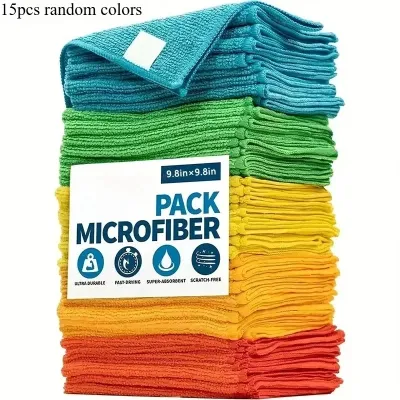
![[SG STOCKS] Disposable 20pcs/Box Microfiber Wash Cloth Multi-Use Kitchen Cleaning Towels High Absorption Cloth Car Cleaning Cloth](https://img.lazcdn.com/g/p/8902e02b86ad1852f6da3c689deb9dba.jpg_400x400q80.jpg_.webp)
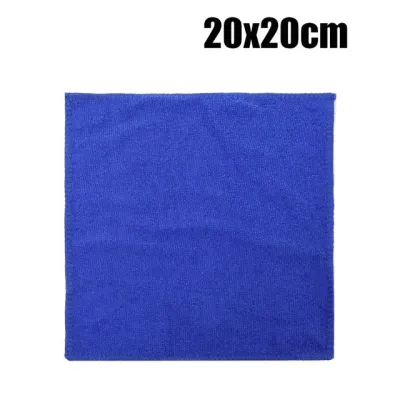
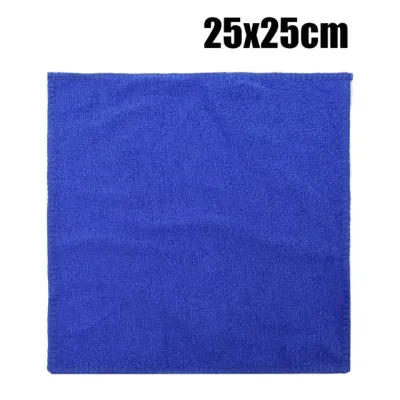
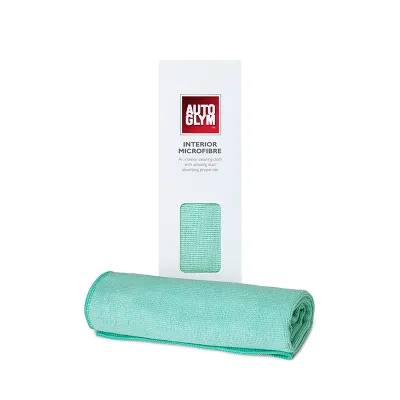
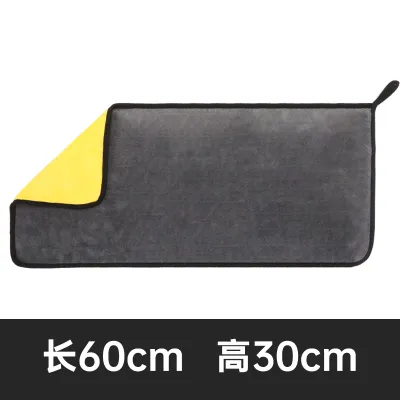
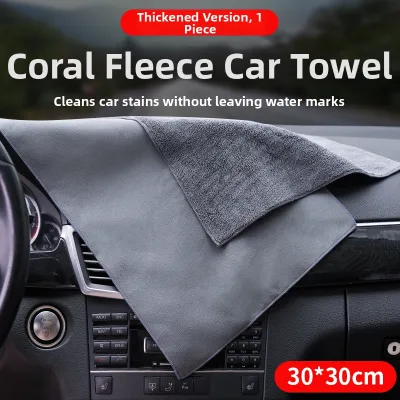
Prices are valid at publication and may change. Please refer to the product page for the latest price.
Finally, pay close attention to the edge treatments of the cloth. Standard overlock stitching uses polyester thread that can harden over time and scratch sensitive clear coats. For paintwork, look for edgeless cloths or those finished with soft silk or microfiber borders. These specialized edges ensure that even if you apply uneven pressure during wiping, there are no hard seams to drag across the paint.
Matching Cloths to Exterior Paint Tasks
Your car’s exterior paint is highly susceptible to swirl marks and fine scratches, which are often caused by improper washing and drying techniques. When washing and drying the bodywork, you should opt for high-GSM, plush-pile microfiber towels, ideally between 400 and 600 GSM. The long, soft fibers of a plush towel are designed to encapsulate dirt particles, lifting them away from the paint surface and trapping them deep within the weave rather than dragging them across the clear coat.

For drying, large-format twisted-loop or plush drying towels are highly effective. In humid climates where water can dry quickly and leave stubborn mineral spots on hot afternoons, a highly absorbent towel is essential to dry the vehicle in a single pass. These towels can hold several times their weight in water, reducing the friction required to dry the car.
When it comes to polishing, wax removal, or applying quick detailers, a medium-to-high GSM cloth (around 300 to 400 GSM) with a dual-pile design works best. One side typically features a short pile to break up and lift wax residue, while the other side has a longer pile to buff the surface to a high shine. Before touching the cloth to your paint, always perform a quick condition check: run your hand over the fibers to inspect for embedded twigs, grit, or hardened debris, and stop immediately if the cloth feels rough or abrasive.
Selecting Cloths for Glass and Windows
Automotive glass requires a completely different approach than paintwork. Using a plush, high-GSM towel on windows often results in heavy linting and unsightly streaks, as the long fibers hold onto too much moisture and glass cleaner. Instead, you should look for low-pile structures specifically engineered for glass, such as waffle weave or flat-weave microfiber cloths.
Waffle weave towels feature a distinct raised grid pattern that creates pockets to trap dirt and liquids while leaving a streak-free finish. These cloths typically have a lower GSM (around 200 to 300), which prevents them from retaining excessive amounts of glass cleaner. This low retention rate allows the cleaning solution to evaporate cleanly off the glass rather than being smeared around.
To maintain crystal-clear visibility, establish a dedicated use protocol for your glass cloths. Keep them strictly separated from towels used for paint, wheels, or interiors. Even a tiny amount of wax, tire dressing, or dashboard protectant transferred onto a glass cloth can cause severe smearing and dangerous glare when driving at night or during heavy downpours.
Choosing Cloths for Interior Surfaces
The interior of a modern vehicle is a complex mix of plastics, leather, vinyl, and sensitive electronics, each requiring a tailored cleaning approach. For general dusting of dashboards and hard plastic trims, a low-to-medium GSM (around 250 to 350) short-pile microfiber cloth is ideal. The short loops are highly effective at grabbing and holding onto dust particles through electrostatic charge, preventing them from simply being kicked up into the air.
When cleaning leather seats and upholstered surfaces, use a soft, closed-loop or medium-pile cloth. Leather is a natural material that can be easily scuffed by rough fibers or aggressive scrubbing. A soft microfiber cloth allows you to gently agitate leather cleaners and lift dirt from the grain without stripping away the material’s natural oils or applied conditioners. Always refer to your vehicle’s owner manual for specific leather care instructions before applying any chemical treatments.
Modern infotainment screens, digital instrument clusters, and piano-black trims require extreme care. These surfaces often feature delicate anti-glare or anti-fingerprint coatings that scratch very easily. For these areas, use an ultra-soft, low-lint suede microfiber cloth, similar to those used for eyeglasses. Avoid using standard utility cloths on screens, and never apply heavy pressure while wiping.
Care and Maintenance to Prevent Scratches
Even the highest-quality microfiber cloth will eventually cause scratches if it is not washed and maintained correctly. Microfiber is made of synthetic polyester and polyamide, which require specific laundering conditions to preserve their structure. Always wash your microfiber cloths separately from cotton towels or household laundry to prevent them from picking up lint, which is incredibly difficult to remove once embedded in the microfibers.
When washing, use a dedicated microfiber restorer or a mild liquid detergent free of perfumes and dyes. Crucially, never use fabric softeners or bleach. Fabric softeners work by coating fibers with a thin layer of lubricating chemicals, which clogs the microscopic channels in microfiber, drastically reducing its absorbency and cleaning effectiveness.
Drying is another critical step where many car owners inadvertently ruin their cloths. Avoid using high heat in a tumble dryer, as excessive heat can melt the microscopic synthetic fibers, fusing them together into hard, scratchy tips. Instead, air-dry your cloths in a clean, dust-free environment, or tumble dry them on a no-heat or low-heat setting. Once dry, store your clean cloths in sealed containers to protect them from airborne dust and garage grime until your next detailing session.
Frequently Asked Questions (FAQ)
Can I use the same microfiber cloth for both the car interior and exterior paint?
It is highly recommended to avoid using the same cloth for both tasks. Interior surfaces often accumulate abrasive grit, sand, and greasy residues from cabin dust and detailing sprays. If these contaminants become trapped in the fibers and are subsequently rubbed against your exterior paint, they can cause severe swirl marks and clear coat scratches. To prevent this, implement a strict color-coding system—for example, blue for exterior paint, green for the interior, yellow for glass, and black for wheels and engine bays.
How often should I replace my microfiber cleaning cloths?
You should replace or downgrade your microfiber cloths when they show visible or tactile signs of degradation. Perform regular checks: if a cloth feels stiff or scratchy to the touch, has frayed edges, or no longer absorbs water efficiently, it is no longer safe for delicate paintwork or screens. Instead of throwing them away, you can downgrade these worn cloths for less sensitive tasks, such as cleaning dirty wheels, wiping down engine bay plastics, or cleaning exhaust tips.

Community discussion
Share your experience or ask a question. Comments are reviewed before publication.