
Selecting the correct GYEON interior product for your vehicle depends on accurately identifying each surface material to prevent damage and ensure effective cleaning. Modern car cabins combine natural hides, synthetic textiles, and advanced polymers, meaning a single, generic cleaning agent can easily lead to costly damage. Applying an incorrect formula can strip delicate factory protective coatings, cause permanent discoloration on sensitive fabrics, or leave unsightly residues on matte plastics. To maintain the pristine condition of your car’s cabin, you must first identify each surface material and then match it to the corresponding GYEON product by carefully verifying the manufacturer’s label instructions.
Identifying Your Car's Interior Surface Types
Before opening any bottle of cleaner, you must accurately determine what materials make up your car’s seats, dashboard, door panels, and headliner. Misidentifying a surface is one of the most common mistakes in automotive detailing, often resulting in irreversible chemical staining or physical degradation.
To distinguish between coated leather, uncoated leather, and synthetic leather, start with a visual and tactile inspection. Most modern vehicles feature coated leather, which has a thin protective polyurethane layer over the natural hide. This surface feels relatively smooth and uniform, and a tiny drop of water placed on an inconspicuous spot will bead up rather than soak in. Uncoated leather, which is rare in standard commuter cars but present in some luxury vehicles, is highly porous, absorbs moisture quickly, and feels exceptionally soft and textured. Synthetic leather, often referred to as vegan leather or vinyl, typically has a highly uniform grain pattern and a slightly more rubbery or plastic feel under your fingertips.
Products mentioned in this guide
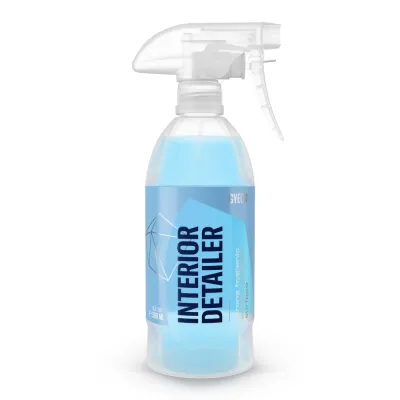
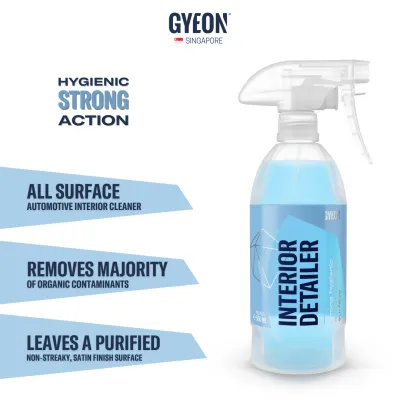
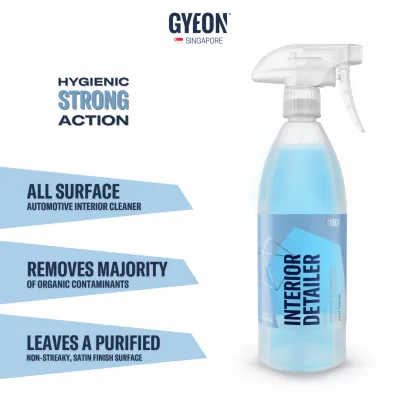
Prices are valid at publication and may change. Please refer to the product page for the latest price.
Identifying fabric types requires a similar level of care. Standard cloth seats and carpets are woven from durable synthetic fibers like polyester or nylon, which can withstand moderate agitation. Suede-like materials, such as Alcantara or microsuede, require a completely different approach. These materials feature a distinct, soft nap that changes direction when you brush your hand across it. Treating these delicate surfaces with standard fabric cleaners can permanently mat the fibers, ruin the texture, and cause severe discoloration.
Finally, take a close look at the hard surfaces throughout your cabin. Hard plastics are commonly found on lower door panels and lower dash sections, presenting a firm, textured surface. Soft-touch vinyl is often used on upper dashboards and armrests to mimic the feel of leather while offering superior durability. Glossy dashboard trims, including piano black plastics and clear-coated wood veneers, are highly susceptible to fine scratches and require extremely gentle cleaning methods to avoid hazing.
Matching GYEON Interior Cleaners to Specific Materials
The GYEON interior care range is formulated to address the unique chemical requirements of different cabin surfaces. To ensure safe and effective results, always read the product labels and verify that the specific formula is rated for the material you intend to clean.

Leather and Coated Leather Surfaces
When maintaining leather surfaces, your primary goal is to remove body oils, dirt, and dye transfer without stripping the factory-applied protective topcoat. Always check the GYEON product label to confirm explicit compatibility with automotive coated leathers before starting the process.
It is essential to understand the functional difference between cleaning and conditioning products within the GYEON range. Cleaning products are designed to lift embedded grime from the pores and grain of the leather, leaving a clean, matte finish. Conditioning or coating products, on the other hand, are formulated to deposit a protective barrier that shields the leather from UV rays and future staining. Applying a conditioner over a dirty surface will simply lock in the grime, so cleaning must always be completed first.
For sensitive, aged, or heavily worn leather, avoid using harsh alkaline cleaners. As leather ages, its protective topcoat wears thin, exposing the delicate fibers underneath. High-pH or highly alkaline formulas can dry out the hide, accelerate cracking, and strip away any remaining factory finish. For these delicate surfaces, select a mild, pH-neutral leather cleaner and apply it with a soft-bristled detailing brush or a microfiber towel, using minimal pressure.
Fabric, Carpets, and Suede-like Materials
Fabric surfaces are highly porous, meaning they easily absorb liquid spills, dirt, and odors. Selecting a dedicated fabric cleaner is crucial for standard carpets and cloth seats, as these formulas are engineered to suspend dirt particles so they can be easily extracted or wiped away without leaving sticky residues that attract more grime.
For sensitive suede-like materials, strict label verification is mandatory. Never use a standard fabric or carpet cleaner on Alcantara or microsuede unless the product label explicitly states it is safe for those specific materials. Using the wrong chemical can dissolve the synthetic binders in the fabric, leading to permanent matting, stiffening, or severe discoloration. When cleaning these surfaces, use a dedicated suede-safe cleaner, apply it sparingly, and gently agitate with a soft horsehair brush to preserve the natural nap.
In tropical climates like Singapore, high humidity makes adequate ventilation and drying time absolutely critical when working on porous fabric surfaces. Leaving carpets or cloth seats damp can quickly lead to mold growth, mildew, and persistent musty odors inside the cabin. After cleaning, leave the car doors or windows open in a well-ventilated area, or use a portable fan to ensure the fabrics dry completely before you drive the vehicle.
Hard Plastics, Vinyl, and Dashboard Trim
Hard plastics and vinyl surfaces are constantly exposed to sunlight, heat, and dust, which can cause them to fade or crack over time. Choosing a dedicated interior detailer or a specific vinyl cleaner allows you to remove dust, fingerprints, and light grime from dashboards, center consoles, and door panels without degrading the underlying material.
When selecting a product for these areas, verify that the formula is designed to leave a matte or original equipment manufacturer (OEM) finish. High-gloss dressings should generally be avoided on dashboards, as they create a shiny surface that reflects sunlight directly onto the windshield, causing dangerous glare while driving. A high-quality interior detailer will clean the surface while leaving a non-greasy, anti-static barrier that repels dust and maintains a factory-fresh appearance.
Special precautions must be taken when cleaning sensitive touchscreens and glossy piano black trims. These surfaces scratch incredibly easily and can be damaged by harsh chemical solvents. Always check the product label to ensure it is safe for electronic screens and delicate plastics. Never spray any cleaner directly onto a touchscreen or instrument cluster; instead, spray a small amount onto a clean, high-gsm microfiber towel and gently wipe the surface to prevent liquid from seeping into the sensitive electronic components.
Essential Safety Checks and Application Guidelines
Establishing a safe, methodical workflow is the best way to prevent accidental damage to your vehicle’s interior. Even when using high-quality GYEON products, variations in material age, aftermarket treatments, and factory wear can affect how a surface reacts to a chemical cleaner.
The most critical step in any detailing process is performing a mandatory spot test in an inconspicuous area before applying the product to the entire surface. Select a hidden spot, such as the underside of a seat, the lower portion of a door card, or a small section of carpet inside a storage compartment. Apply a tiny amount of the cleaner, agitate gently, and wipe it off. Inspect the area closely under good lighting to check for colorfastness, changes in texture, or any signs of coating instability.
Before you begin, always consult your vehicle owner’s manual. Manufacturers often include specific warnings regarding interior care, highlighting materials that require specialized cleaning methods or identifying sensitive electronic components that must not come into contact with liquid cleaners. Following these guidelines ensures you do not inadvertently void any vehicle warranties or damage integrated cabin technologies.
Proper dilution is another key factor in surface safety. If you are using a concentrated GYEON product, check the label instructions carefully to determine the correct dilution ratio for your specific cleaning task. For light maintenance cleaning, a highly diluted mixture is usually sufficient and minimizes the risk of chemical buildup. For heavy staining, you may need a stronger concentration, but you must never exceed the manufacturer’s recommended maximum strength.
If you observe any adverse reactions during your spot test—such as color transferring onto your microfiber towel, the surface becoming sticky, or the factory coating beginning to peel—stop immediately. Do not attempt to clean the rest of the surface. In these situations, consult a qualified professional detailer or the vehicle manufacturer to identify an alternative cleaning method that will not compromise the integrity of the material.
Can One GYEON Interior Product Clean Multiple Surfaces?
While the convenience of an all-in-one interior cleaner is highly appealing, using a single product across all cabin surfaces comes with distinct trade-offs. Understanding when a multi-purpose product is acceptable and when a dedicated cleaner is required will help you maintain your car’s interior safely.
Using a general interior cleaner across leather, fabric, and plastics is generally acceptable for light, routine maintenance dusting. However, these multi-surface products are formulated as a compromise to ensure they do not damage the most sensitive materials, which means they lack the specialized chemical properties needed for deep cleaning. For example, a general cleaner may not have the surfactant strength required to lift deep grease stains from carpets, nor will it contain the specialized conditioning agents needed to keep leather supple.
There are several conditions where a dedicated, material-specific product is strictly mandatory. Sensitive suede-like materials like Alcantara should never be treated with a multi-purpose cleaner, as the risk of ruining the delicate nap is too high. Heavily soiled carpets require dedicated fabric cleaners that can penetrate deep fibers and suspend heavy dirt without leaving a sticky residue. Similarly, heavily soiled leather requires a dedicated leather cleaner that can safely break down body oils without drying out the hide.
If you are building a minimal detailing kit for routine maintenance, prioritize your product selection based on the dominant materials in your car. For a vehicle with cloth seats, a high-quality general interior detailer paired with a dedicated fabric cleaner is an excellent starting point. If your vehicle features leather upholstery, invest in a dedicated leather cleaner and a separate interior detailer for the plastic and vinyl trim. This targeted approach ensures you have the right chemical strength for your most valuable interior surfaces while keeping your detailing routine simple and efficient.
Frequently Asked Questions (FAQ)
Do I need to dilute GYEON interior cleaners before use?
To determine if dilution is necessary, always check the specific GYEON product label, as some formulas are sold as ready-to-use sprays while others are highly concentrated. For concentrated products, you should adjust the dilution ratio based on the severity of the stains and the sensitivity of the material, strictly following the manufacturer’s guidelines. Using a weaker dilution for routine maintenance helps preserve delicate surfaces, while heavier soil may require the maximum recommended strength.
Can I use GYEON leather cleaner on synthetic leather or vinyl?
Before applying any leather cleaner to synthetic leather or vinyl, verify the product label for explicit compatibility with synthetic materials. While many modern leather cleaners are formulated to be safe on synthetic alternatives, some specialized leather products contain oils or conditioners that cannot penetrate synthetic surfaces, leaving a greasy, sticky residue. Always perform a spot test in an inconspicuous area to observe the surface reaction and ensure there are no adverse effects before proceeding with the full application.

Community discussion
Share your experience or ask a question. Comments are reviewed before publication.