
Selecting the right front windshield and side window sun shades for your Honda Freed is essential for maintaining a cool, comfortable cabin and protecting your vehicle’s interior from sun damage. Because of the Honda Freed’s unique multi-purpose vehicle (MPV) proportions—characterized by an expansive, steeply raked front windshield, tall sliding doors, and distinct rear quarter glass—generic, one-size-fits-all sun shades often fall short. Achieving complete coverage and a secure fit requires understanding your vehicle’s specific dimensions and choosing shades designed to accommodate its unique layout.
By focusing on custom-fit options and evaluating materials based on heat rejection and ease of use, you can find shades that block intense sunlight without interfering with your vehicle’s safety features or daily operation. This guide outlines how to map your Honda Freed’s window layout, evaluate front and side shades, and ensure safe installation and storage.
Mapping Your Honda Freed's Window Layout and Shade Options
To find sun shades that fit your Honda Freed perfectly, you must first understand the vehicle’s specific window configuration. The Honda Freed features a complex glass layout designed to maximize visibility and cabin light. This layout includes the massive front windshield, small front A-pillar quarter windows, front side windows, sliding door windows, and rear quarter windows. Each of these areas requires a different approach to shading, and a complete set of shades must address all of these zones to prevent heat from entering through unshaded gaps.
Products mentioned in this guide
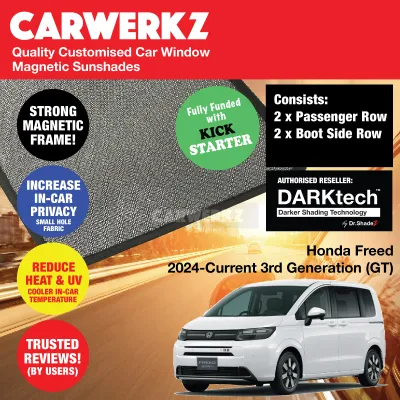
Prices are valid at publication and may change. Please refer to the product page for the latest price.
Before purchasing any accessories, it is crucial to verify your Honda Freed’s exact model year and generation. The Freed has evolved through multiple generations, including the first-generation (GB3/GB4), the second-generation (GB5/GB6/GB7/GB8), and the newer third-generation models. Each generation features distinct styling updates that alter the dimensions, curvature, and framing of the glass. For example, a front windshield shade designed for a second-generation Freed will not fit the windshield of a first-generation model correctly, leading to either a loose fit or an inability to deploy the shade fully. Always check your vehicle’s registration documents or chassis code to confirm its generation before browsing products.
When choosing shades, you will encounter two main categories: custom-fit (vehicle-specific) and universal-fit options. Custom-fit sun shades are manufactured using precise templates of the Honda Freed’s windows for a specific generation. These shades offer edge-to-edge coverage, leaving virtually no gaps for sunlight to penetrate, and they often stay in place using tension or integrated magnets without the need for messy suction cups. In contrast, universal-fit shades are designed to fit a wide range of vehicles and are typically rectangular or oval. While universal options are often less expensive, they frequently leave large gaps around the curved edges of the Freed’s windows, sag over time, and can easily slip out of place, reducing their overall effectiveness.
Evaluating Front Windshield Shades for Heat Rejection and Fit
The front windshield of the Honda Freed is exceptionally large and steeply angled, acting as a major entry point for solar heat. To combat this, you must evaluate the materials used in front windshield shades based on their heat rejection capabilities. Reflective aluminum foil shades are highly effective at bouncing radiant heat away from the vehicle, keeping the dashboard and steering wheel cool to the touch. Multi-layer fabric shades, which combine a reflective outer layer with insulating inner layers, provide excellent thermal protection by absorbing and trapping heat before it reaches the cabin air. Another option is the umbrella-style canopy, which features a reflective silver coating on a folding frame, offering a quick way to block light.

The folding and storage mechanism of the front shade is another critical factor to consider, especially given the Freed’s compact interior storage spaces. Accordion-style folding shades are highly durable and quick to deploy, but they can be bulky to store when not in use, often requiring space along the passenger footwell or in the trunk. Roll-up shades are also durable but can develop a permanent curl over time, making them harder to press flat against the glass. Pop-up or twist-to-fold shades use flexible wire frames that collapse into a small, circular pouch, making them incredibly easy to store in seatback pockets, though they require some practice to fold quickly. Umbrella-style shades fold down like a standard rain umbrella, making them highly compact, but you must handle the metal support ribs carefully to avoid scratching the dashboard or center console screen.
Retention methods are vital for ensuring the front shade stays securely in place while the vehicle is parked. Most custom-fit shades rely on a precise tension fit, where the rigid edges of the shade wedge tightly into the window frame, supported by pulling down the vehicle’s built-in sun visors. This method is highly reliable and eliminates the need for suction cups, which can leave unsightly rings on the glass and lose suction in high temperatures. Static cling shades adhere directly to the glass surface using electrostatic force, which works well for smaller windows but is less practical for the heavy, large front windshield. When selecting a shade, ensure the retention method does not put excessive pressure on the rearview mirror mount or any mounted dashcams.
Choosing Side Shades for Sliding Doors and Rear Windows
The Honda Freed’s sliding doors and rear passenger windows require specialized side shades that do not interfere with the vehicle’s mechanical operations. For the sliding doors, you can choose between magnetic, static cling, or track-mounted shades. Magnetic shades are highly popular for the Freed because they feature small, powerful magnets sewn into the fabric border, allowing them to snap directly onto the metal frame of the door. This design allows you to roll down the window for fresh air while keeping the shade securely in place. However, you must verify that the magnets are positioned so they do not catch on the sliding door tracks or interfere with the power sliding door sensors, which could cause the door to reverse or jam during operation.
When selecting side shades, you must also choose between mesh and solid blackout materials, keeping local traffic regulations in mind. Mesh shades block a significant portion of UV rays and glare while maintaining a level of transparency. This visibility is crucial for the driver when performing blind-spot checks and navigating tight parking spaces. In many regions, including Singapore, local transport authorities enforce strict regulations regarding window tinting and obstructions on front side windows to ensure clear driver visibility. Solid blackout shades, which block all light, are excellent for maximum privacy and heat rejection when the vehicle is parked, but they must never be used on any side windows while the vehicle is in motion.
The rear quarter windows of the Honda Freed—the small, triangular glass panels behind the sliding doors—present a unique challenge due to their irregular shapes. Universal rectangular shades are completely unsuitable for these areas, as they will either leave large gaps or overlap onto the interior plastic trim, where they cannot adhere. Custom-cut shades designed specifically for the Freed’s rear quarter windows are the best solution. These shades fit snugly into the window recesses, providing complete coverage and preventing sunlight from beaming directly onto rear-seat passengers, particularly infants or young children in car seats.
Safe Installation, Storage, and Interior Protection
Proper installation and maintenance of your sun shades are essential for protecting your Honda Freed’s interior surfaces and ensuring passenger safety. Before applying any static cling or suction cup shades, always clean the interior window glass thoroughly. Dust, grit, and fine debris can accumulate on the glass over time; if a shade is pressed against a dirty window, these particles can become trapped and act as an abrasive, leaving fine scratches on the glass or damaging aftermarket window tint films when the shade is adjusted or removed. Use a clean microfiber cloth and a mild, tint-safe glass cleaner to prep the surface.
Safety boundaries must be strictly observed when installing sun shades. Ensure that no part of the shade blocks or interferes with the deployment paths of the vehicle’s side-curtain airbags, which are typically housed along the roofline and A-pillars. Additionally, shades must not obstruct the driver’s view of the side mirrors or block essential safety equipment, such as rearview mirror mounts, built-in camera sensors for driver-assist systems, or parking sensors. If a shade requires suction cups, avoid placing them directly over the defroster grid lines on the rear window, as the heat and suction can occasionally damage the heating elements over time.
When the sun shades are not in use, storing them safely is crucial for preventing cabin clutter and protecting the vehicle’s interior. Loose items in an MPV cabin can become dangerous projectiles in the event of sudden braking or a collision. Utilize seatback organizers, dedicated storage pouches, or the under-seat storage compartments to keep folded shades secure. When folding or unfolding shades with rigid metal wire frames, handle them carefully to prevent the spring-loaded edges from snapping open and striking the dashboard, leather seats, or passengers. Dragging rigid frames across the soft-touch plastics of the dashboard can leave permanent scuffs, so always deploy the shades with controlled, gentle movements.
Sourcing Compatible Honda Freed Accessories Reliably
Finding high-quality, compatible accessories for your Honda Freed requires a targeted search strategy. Because the Freed is a specialized MPV model primarily popular in Asian markets, generic automotive listings on broad online marketplaces often use misleading compatibility tags. A listing titled “universal sun shade for all MPVs” is highly unlikely to provide the precise, edge-to-edge fit required for the Freed’s unique window shapes. Instead, focus your search on specialized automotive accessory retailers, dedicated Japanese car parts importers, or official brand stores that specialize in custom-fit vehicle accessories.
When evaluating product listings, use a strict verification checklist to ensure compatibility. Look for listings that explicitly state the Honda Freed model name along with the specific chassis code (such as GB5, GB6, GB7, or GB8) and the corresponding model years. Carefully examine user reviews, paying close attention to customer-uploaded photos that show the shades installed in an actual Honda Freed. Look for photos of the front A-pillar quarter windows and the sliding doors to verify that the shades fit flush against the frames without sagging or leaving gaps.
If a product description lacks detailed dimensions or does not specify the chassis code, do not hesitate to contact the seller or manufacturer directly before making a purchase. Provide them with your vehicle’s exact registration year and chassis code to confirm fitment. Reliable sellers who specialize in Honda Freed accessories will be able to verify whether their templates match your specific vehicle generation, saving you the hassle of dealing with returns or ending with an ill-fitting product that fails to protect your cabin from the heat.
Frequently Asked Questions (FAQ)
Will universal sun shades fit the Honda Freed's sliding doors properly?
Universal sun shades rarely fit the Honda Freed’s sliding doors properly due to the unique shape and operational mechanics of the doors. The sliding door windows have a distinct, slightly tapered frame, and universal rectangular or oval shades will either leave significant gaps that let in heat or overlap onto the door frame. If a shade overlaps, it can easily get caught in the sliding door mechanism or damage the rubber weatherstripping when the door is opened or closed. To avoid these issues, it is highly recommended to use custom-fit magnetic or static cling shades designed specifically for your Freed’s generation, which stay flush against the glass or inner metal frame.
How do I prevent a front windshield shade from scratching my dashboard?
To prevent a front windshield shade from scratching your Honda Freed’s dashboard, choose a shade that features soft, fabric-bound edges rather than exposed metal wires or hard plastic frames. When installing or removing the shade, avoid dragging it across the dashboard surface, the instrument cluster, or the center touchscreen. You can place a soft microfiber cloth over the center console screen as a temporary buffer during deployment. If you are using an umbrella-style shade, ensure the central shaft has a rubberized or fabric-wrapped tip, and deploy it slowly to ensure the metal ribs do not scrape against the soft-touch plastics of the cabin.

Community discussion
Share your experience or ask a question. Comments are reviewed before publication.