
Selecting the right chain lub for your motorcycle maintenance kit is a critical decision that directly impacts the longevity of your drivetrain, the smoothness of your ride, and your safety on the road. A motorcycle chain operates under extreme tension, high rotational speeds, and constant exposure to the elements, making regular lubrication one of the most frequent maintenance tasks you will perform. However, there is no universal lubricant that excels in every scenario. The ideal choice for your DIY toolkit depends on a careful evaluation of your motorcycle’s chain design, the typical weather patterns you encounter, and your personal riding habits. For riders operating in tropical environments characterized by high humidity and sudden, heavy downpours, the selection process requires balancing water resistance with ease of maintenance to prevent premature wear and rust.
Assess Your Riding Environment and Chain Specifications
Before purchasing any chain lub product, you must analyze the specific environmental conditions where you do most of your riding. In tropical regions such as Singapore, the climate presents unique challenges for motorcycle maintenance. High relative humidity accelerates the oxidation of exposed metal, while sudden tropical storms can quickly wash away inferior lubricants, leaving your chain vulnerable to friction and rust. If your daily commute involves navigating wet roads or riding through monsoon seasons, your maintenance kit must prioritize a lubricant capable of resisting water displacement. Conversely, if you primarily ride in dry, dusty environments or on well-paved roads during dry spells, your focus may shift toward keeping the drivetrain clean and free of abrasive debris.
The second critical factor is identifying the exact type of chain installed on your motorcycle. You can determine this by consulting your owner’s manual or closely inspecting the chain links. Modern motorcycles typically use either standard unsealed chains or sealed chains, which include O-ring, X-ring, or Z-ring designs. Sealed chains feature tiny rubber rings sandwiched between the inner and outer link plates to lock in factory-applied grease. For sealed chains, the primary role of external lubrication is to keep these rubber seals moist and pliable while protecting the outer rollers and sprockets from wear. Standard chains lack these internal seals, meaning the lubricant must penetrate deep into the internal pins and bushings. Understanding this distinction is vital because certain solvents used in low-grade lubricants can degrade rubber seals, causing them to swell, crack, and fail prematurely.
Products mentioned in this guide
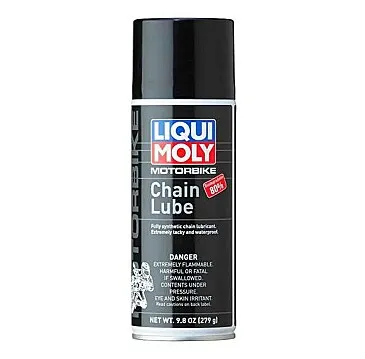
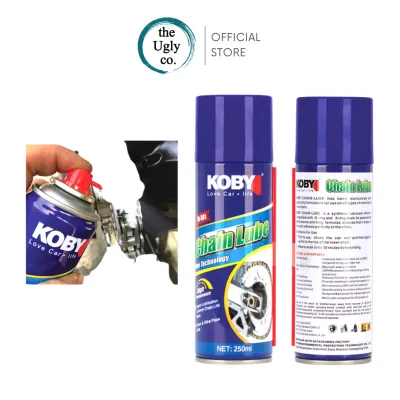
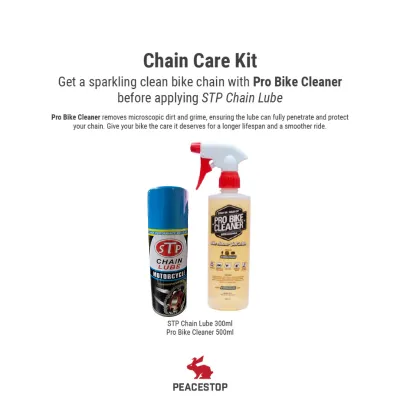
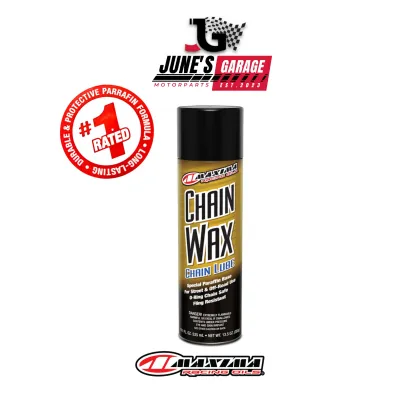
Prices are valid at publication and may change. Please refer to the product page for the latest price.
Your riding style also dictates the demands placed on your chain lub. A daily commuter who rides in all weather conditions requires a highly durable lubricant that offers long-lasting protection with minimal reapplication. A weekend touring enthusiast might prioritize a clean-running formula that does not fling off onto luggage or passenger gear over long distances. Meanwhile, off-road or adventure riders must avoid sticky lubricants that attract sand, dirt, and grit, as these particles mix with the lubricant to form an abrasive grinding paste that rapidly destroys sprockets and chain links.
Understanding Chain Lubricant Categories
Motorcycle chain lubricants are generally divided into distinct categories based on their chemical formulation, physical properties, and intended use cases. Each category offers a unique set of trade-offs regarding longevity, cleanliness, water resistance, and ease of application. When building your maintenance kit, understanding these differences allows you to select a product that aligns with your maintenance schedule and riding conditions.

The primary performance characteristics to consider are adhesion and viscosity. Adhesion, often referred to as tackiness, determines how well the lubricant clings to the rapidly spinning chain without flinging off onto your rear tire, swingarm, or riding gear. Viscosity affects how easily the lubricant penetrates the tight tolerances between the chain rollers and pins. While a highly adhesive lubricant provides excellent long-term protection, it also tends to attract more environmental dirt. Conversely, cleaner, dry-film lubricants offer excellent dirt repellency but require more frequent reapplication, especially after exposure to moisture.
Wet and All-Weather Lubricants
Wet and all-weather chain lub products are formulated with heavy synthetic oils or specialized tackifiers designed to resist water washout. These lubricants maintain a high viscosity even when subjected to heavy rain, standing water, and high humidity, making them an excellent choice for year-round commuters in tropical climates. The thick, oily barrier they create prevents water from contacting the metal surfaces, offering superior rust protection and reducing mechanical noise from the drivetrain.
However, the high adhesion and wet nature of these lubricants come with a significant trade-off. Because the lubricant remains wet and sticky on the chain surface, it naturally attracts road grime, dust, and abrasive particles. Over time, this accumulation creates a dark, gritty paste that can accelerate wear on both the chain and sprockets if not cleaned regularly. Riders who choose wet lubricants must commit to a more rigorous cleaning schedule to prevent this buildup from compromising drivetrain efficiency and component lifespan.
Dry and Wax-Based Lubricants
Dry and wax-based lubricants utilize a liquid carrier solvent that distributes the lubricating agents—such as PTFE, ceramics, or paraffin wax—into the chain’s rollers before evaporating. This leaves behind a dry, non-tacky protective film or a solid waxy barrier. Because the final state of the lubricant is dry, these products are exceptionally effective at repelling dust, dirt, and road debris, keeping your drivetrain looking clean and preventing the formation of abrasive paste.
The primary limitation of dry and wax-based lubricants is their vulnerability to moisture. Because they lack the heavy, water-resistant oil base of wet lubricants, they can be easily washed away during heavy downpours or when riding through deep puddles. If you ride through a tropical storm with a dry-lubricated chain, the protective barrier may be stripped away, requiring you to dry and re-lubricate the chain immediately after your ride to prevent surface rust. Additionally, wax-based lubricants often require a completely clean, degreased chain prior to the first application to allow the wax to bond properly to the metal.
Matching Lube Types to Your Motorcycle Setup
To select the correct chain lub for your maintenance kit, you can use a structured decision framework that matches your chain type and primary riding environment to the appropriate lubricant category. Using an incompatible product can lead to rapid chain wear or damage to expensive sealed chains.
When dealing with sealed chains (O-ring or X-ring), you must verify that the lubricant is explicitly labeled as safe for rubber seals. Some heavy-duty industrial lubricants or cheap general-purpose sprays contain aggressive petroleum-based solvents that can dissolve or swell the rubber rings. Once these seals are compromised, the internal factory grease escapes, and water and dirt enter the link pins, leading to rapid chain stretching and tight spots. Standard unsealed chains, while less sensitive to solvents, require a lubricant with excellent penetrating capabilities to reach the internal wear points that lack factory grease.
The following table provides a quick-reference guide to help you match your motorcycle setup and riding conditions with the most suitable lubricant type:
| Chain Type | Riding Environment | Recommended Lubricant Category | Primary Benefit |
|---|---|---|---|
| Sealed (O-ring/X-ring) | Wet, Humid, or Rainy | Wet / All-Weather (Seal-Safe) | Maximum water resistance and rust prevention |
| Sealed (O-ring/X-ring) | Dry, Dusty, or Urban | Dry / Wax-Based (Seal-Safe) | Keeps chain clean, repels abrasive grit |
| Standard (Unsealed) | Wet, Humid, or Rainy | Heavy-Duty Wet Lube | Deep penetration and robust metal protection |
| Standard (Unsealed) | Dry, Dusty, or Urban | Dry Lube / Chain Wax | Minimizes dirt adhesion on exposed metal |
By using this matrix, you can ensure that your maintenance kit contains a lubricant tailored to your specific riding reality, maximizing both chain life and drivetrain efficiency.
Essential Application and Safety Checks
Proper application technique is just as important as selecting the right chain lub. Before applying any product, always cross-check the lubricant’s label against your motorcycle manufacturer’s manual to confirm compatibility with your specific chain type. This simple step prevents accidental damage to delicate rubber seals and ensures you are following any specific maintenance guidelines provided by the manufacturer.
Never apply new lubricant directly over a dirty, gritty chain. Doing so traps road grime and abrasive particles beneath the new layer of lube, creating a destructive grinding paste that accelerates wear on the rollers and sprocket teeth. Always clean the chain thoroughly using a dedicated, seal-safe chain cleaner and a brush to remove old grease and dirt. Once the chain is clean, wipe it dry with a lint-free cloth and allow any remaining cleaning solvent to evaporate completely before applying the fresh lubricant.
Safety must be your top priority during chain maintenance. Never run the motorcycle’s engine or place the transmission in gear while cleaning or lubricating the chain. Attempting to rotate the rear wheel using engine power is extremely dangerous and can result in severe, life-altering finger injuries if your hand or cleaning brush gets caught between the chain and the spinning sprocket. Always place the motorcycle in neutral, turn the engine completely off, and rotate the rear wheel manually. Additionally, avoid applying lubricant near hot exhaust components to prevent smoke or fire hazards, and ensure no overspray reaches your rear brake disc or tire tread, as this will severely compromise braking grip and safety. Using a piece of cardboard behind the chain during application is an effective way to catch overspray and protect your rear wheel.
Complementary Tools for Your Chain Care Kit
A well-rounded motorcycle chain maintenance kit requires several complementary tools alongside your chosen chain lub to ensure the job is done safely and effectively. Simply carrying a can of lubricant is insufficient for proper long-term drivetrain care.
First, your kit should include a high-quality, seal-safe chain degreaser or cleaner. Avoid using harsh household solvents, gasoline, or chlorinated degreasers, as these chemicals can rapidly degrade the rubber O-rings or X-rings on sealed chains. Look for specialized motorcycle chain cleaners formulated to dissolve stubborn road grime and old wax without harming rubber components.
Second, invest in physical tools that make the job easier and safer. A three-sided chain cleaning brush, often called a grunge brush, allows you to scrub all sides of the chain links simultaneously, significantly reducing cleaning time. To facilitate safe manual wheel rotation, a rear paddock stand or a portable wheel roller is highly recommended. These tools lift the rear wheel off the ground, allowing you to spin the wheel smoothly by hand while keeping your fingers a safe distance from the sprockets. A quality chain brush and paddock stand setup in Singapore typically costs around S$30 to S$80, making it a highly cost-effective investment in your safety and maintenance efficiency.
Finally, consider the environmental and storage aspects of your maintenance kit. Because chain lubricants and cleaners contain pressurized propellants and chemical solvents, they should be stored in a cool, dry place away from direct sunlight and heat sources—this is particularly important in tropical climates where outdoor storage areas can reach high temperatures. When performing maintenance, always place a drip tray, oil pan, or thick cardboard beneath the chain to catch chemical runoff and dirty grease. Dispose of soiled rags, empty aerosol cans, and collected chemical waste in accordance with local environmental regulations and waste management guidelines to prevent environmental contamination.
Frequently Asked Questions (FAQ)
Can I use general-purpose sprays instead of dedicated motorcycle chain lube?
No, general-purpose household penetrating sprays or multi-purpose lubricants should not be used as a substitute for dedicated motorcycle chain lub products. General-purpose sprays are typically too thin and lack the high-tack additives required to resist the extreme centrifugal forces generated by a spinning motorcycle chain. As a result, the lubricant will quickly fling off the chain, leaving the metal dry and unprotected while making a mess of your rear wheel and braking system. Furthermore, many general-purpose sprays contain aggressive solvents that can penetrate and degrade the delicate rubber O-rings or X-rings of sealed chains, causing the internal factory grease to leak out and leading to rapid chain failure.
How often should I reapply chain lubricant?
As a general guideline, you should consult your motorcycle manufacturer’s manual for recommended maintenance intervals, which typically range between every 500 to 800 kilometers. However, these intervals should be adjusted based on your actual riding conditions. In highly humid or wet environments like Singapore, you should inspect your chain more frequently. Perform a quick visual and physical check before your rides: look for dry-looking rollers, signs of surface rust, or listen for any unusual squeaking noises from the drivetrain. If you ride through a heavy rainstorm or wash your motorcycle, you should clean, dry, and re-lubricate the chain immediately afterward, regardless of how many kilometers have passed since the last application.

Community discussion
Share your experience or ask a question. Comments are reviewed before publication.