
Quick Answer: Core Criteria for Dashboard Tissue Holders
To keep your vehicle’s dashboard organized and clutter-free, selecting the right car tissue box holder requires balancing accessibility, stability, and safety. A well-chosen holder ensures that tissues are always within arm’s reach without sliding around during sudden stops or sharp turns. The ideal dashboard tissue holder must feature a secure mounting mechanism compatible with your dashboard’s texture, accommodate standard or compact tissue refills, and be constructed from materials that can withstand intense cabin heat and UV exposure.
Most importantly, safety must be your primary consideration. Any accessory placed on the dashboard must never obstruct your forward line of sight or interfere with the deployment zones of your vehicle’s airbags. By evaluating these core criteria—mounting stability, size compatibility, material durability, and safety clearance—you can maintain a tidy interior while ensuring a safe driving environment.
Key Dimensions for Selecting a Car Tissue Box Holder
When evaluating different car tissue box holders, the mounting mechanism is the first critical factor to consider. Dashboards feature various textures, from smooth plastics to textured vinyl and premium leather. Adhesive pads, such as double-sided acrylic foam tapes, offer a semi-permanent bond but require a completely flat, non-porous surface to adhere effectively. Suction cups work well on glass or exceptionally smooth, glossy plastics but often fail on textured or curved surfaces. Non-slip silicone mats or weighted friction bases provide a flexible, non-adhesive alternative that relies on gravity and high-friction materials to stay in place, making them easy to reposition without leaving sticky residue.
Products mentioned in this guide
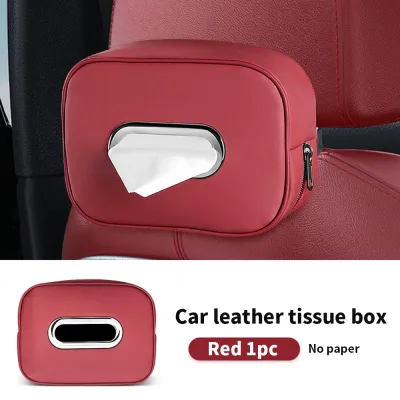

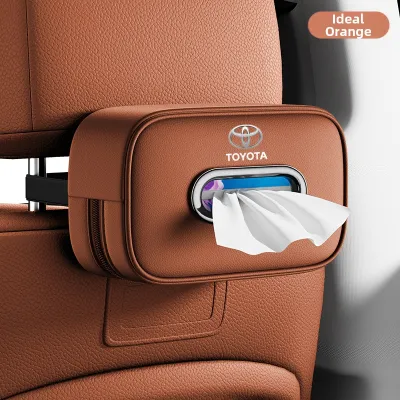





Prices are valid at publication and may change. Please refer to the product page for the latest price.

Size and capacity are equally important to ensure the holder fits both your dashboard space and your preferred tissue refills. Standard household tissue boxes are typically too bulky for dashboard placement, as they can easily block your view of the road. Instead, look for holders designed for compact travel packs, soft-pack refills, or specialized cylindrical tissue tubes. Before purchasing, measure the available flat space on your dashboard and compare it to the external dimensions of the holder. Additionally, check the internal dimensions of the holder to confirm whether you can easily insert loose tissues or if you must purchase specific refill sizes.
The automotive cabin is a harsh environment, particularly in tropical climates like Singapore, where parked cars are subjected to intense sunlight and extreme heat. Under these conditions, interior temperatures can rise significantly, causing low-quality plastics to warp, crack, or emit unpleasant chemical odors. When selecting a tissue holder, prioritize materials with high UV resistance and heat tolerance, such as high-grade ABS plastic, silicone, or treated heat-resistant leather. These materials maintain their structural integrity over time and are much easier to clean. Always check the manufacturer’s product labels for specific temperature ratings and material compositions to ensure long-term durability.
Dashboard Tissue Holder Designs and Their Best Use Cases
Dashboard tissue holders come in several distinct designs, each catering to different vehicle layouts and driver preferences. Low-profile rectangular boxes are the most common design, featuring a flat, wide profile that sits low on the dashboard surface. This design is ideal for vehicles with deep, flat dashboards, as it distributes weight evenly and minimizes the risk of tipping over. Because of their low height, these holders are less likely to intrude into your field of vision, provided they are positioned correctly away from the direct line of sight.
Cylindrical or cup-holder style tissue tubes offer an alternative for drivers with limited flat dashboard space. These compact, upright containers are designed to fit directly into dashboard-mounted cup holders or center console slots. While they hold fewer tissues than rectangular models, their vertical design takes up minimal space and keeps the dashboard surface completely clear. This style is highly suitable for compact cars or vehicles with highly contoured dashboards where flat mounting surfaces are unavailable.
Multi-functional organizers combine a tissue dispenser with other storage features, such as integrated phone mounts, card slots, or coin holders. While these organizers can help consolidate multiple loose items, they require careful weight and balance checks. Adding a heavy smartphone to a dashboard-mounted holder increases the center of gravity, making the unit more prone to sliding or tipping during sudden maneuvers. If you choose a multi-functional design, ensure the mounting mechanism is exceptionally robust, and verify that the added weight does not cause the holder to shift or vibrate while driving.
Safe Installation and Airbag Clearance Checks
Installing any accessory on your dashboard requires strict adherence to safety protocols to prevent serious injury during a collision. The most critical step is identifying and avoiding your vehicle’s airbag deployment zones. Passenger-side airbags deploy with immense force from specific panels on the dashboard. Placing a heavy or rigid tissue box holder directly on or near these panels can turn the accessory into a dangerous projectile if the airbag inflates. Consult your vehicle’s owner’s manual to locate the exact boundaries of all dashboard airbags, and ensure the tissue holder is installed well outside these deployment paths.
Proper surface preparation is essential to ensure a secure mount and prevent the holder from sliding off the dashboard while the vehicle is in motion. Before applying any adhesive pads or suction cups, clean the mounting area thoroughly to remove dust, oils, and dashboard protectants. Use a mild cleaning solution or isopropyl alcohol, checking your vehicle manual first to ensure the cleaner is safe for your specific dashboard material. Allow the surface to dry completely before mounting the holder. For adhesive mounts, apply firm, even pressure for the duration recommended by the manufacturer, and allow the adhesive to cure fully—typically 24 hours—before placing any weight or tissues inside the holder.
Environmental factors can significantly impact the longevity of your installation. In hot climates, the adhesive backing on mounting pads can soften and lose its grip, leading to the holder sliding off during a turn. To prevent this, check the manufacturer’s specifications for the maximum operating temperature of the adhesive. If you frequently park your vehicle in direct sunlight, consider using a high-quality sunshade to protect the dashboard from direct solar radiation, which helps maintain the integrity of both the adhesive and the tissue holder’s material.
Routine Maintenance for Dashboard Tissue Holders
To keep your dashboard tissue holder looking pristine and functioning properly, establish a simple routine maintenance schedule. Dust and tissue lint naturally accumulate around the dispenser opening over time, which can look unsightly and trigger allergies. Periodically empty the holder and wipe down both the interior and exterior surfaces with a damp microfiber cloth. For plastic or silicone holders, a mild soap and water solution is usually sufficient. If your holder is made of leather or synthetic leather, use a dedicated automotive leather cleaner and conditioner to prevent the material from drying out and cracking under sun exposure.
Regularly inspect the mounting mechanism to ensure the holder remains securely attached to the dashboard. Adhesive pads can degrade, dry out, or lose their tackiness over time due to temperature fluctuations. If you notice the holder shifting or lifting at the edges, carefully remove the old adhesive, clean the dashboard surface to remove any residue, and apply a fresh, high-quality automotive-grade adhesive tape. For suction cup mounts, periodically release the suction, clean the cup and the dashboard surface, and reapply to maintain a strong vacuum seal.
Finally, manage the tissue capacity carefully to avoid overloading the dispenser. Stuffing too many tissues into a compact holder can compress the tissues, making them difficult to pull out and causing the paper to tear. It can also put unnecessary strain on the holder’s lid or hinges, leading to premature wear. Refill the holder with the recommended quantity of tissues, ensuring they can be pulled out smoothly with minimal resistance.
Frequently Asked Questions (FAQ)
Will adhesive mounts damage my dashboard surface?
Adhesive mounts can potentially damage certain dashboard surfaces, particularly those made of soft-touch plastics, delicate vinyl, or natural leather. Before applying any adhesive, consult your vehicle’s owner’s manual for specific warnings regarding aftermarket accessories. To minimize the risk of damage, use high-quality, automotive-grade adhesives designed for clean removal. It is highly recommended to test the adhesive on a small, hidden area of the dashboard first to check for discoloration or material lifting. When removing an adhesive mount, apply gentle heat from a hair dryer to soften the adhesive, and slowly peel it back rather than pulling it straight up.
How do I ensure the holder does not block my driving view?
To maintain clear forward visibility, you must carefully position the tissue holder on your dashboard. Sit in the driver’s seat in your normal driving position and have someone temporarily place the holder in different spots on the dashboard. Avoid placing the holder directly in front of the steering wheel or along the lower edge of the windshield where it could block your view of the vehicle’s hood or the road ahead. Opt for low-profile rectangular designs or compact cylindrical holders that sit low and out of your primary line of sight, ensuring your field of vision remains completely unobstructed.
Can I use standard household tissue refills in a car holder?
Standard household tissue boxes are generally too large to fit inside compact dashboard tissue holders. To use household tissues, you will typically need to remove them from their original cardboard packaging and transfer a smaller stack into the car holder. Compare the internal measurements of your holder with the dimensions of your household tissues to see if they can be folded or stacked to fit. Alternatively, purchasing compact travel-sized tissues or soft-pack refills designed specifically for automotive use ensures a perfect fit and smooth dispensing without the need for manual adjustments.

Community discussion
Share your experience or ask a question. Comments are reviewed before publication.