
Achieving a clean, swirl-free finish on your vehicle depends as much on your choice of car polishing cloth as it does on the compounds, waxes, or ceramic coatings you apply. Using an unsuitable cloth can quickly undo hours of careful paint correction by introducing micro-marring, lint, or uneven product distribution. To protect your car’s delicate clear coat, you must match the specific weave, pile height, and edge design of your microfiber cloths to each distinct stage of the detailing process.
For paint polishing, high-absorbency, medium-to-high pile cloths are essential to safely lift and trap abrasive residues. Waxing requires a combination of low-pile applicators for even spreading and plush, high-pile cloths for efficient buffing without clogging. Ceramic coating demands specialized, ultra-low-lint suede cloths for precise leveling, followed by immediate disposal to prevent cured, hardened coating residues from scratching your paint in future detailing sessions.
Understanding Cloth Weaves and Edge Designs
Microfiber cloths are not all created equal, and understanding their structural differences is the first step in selecting the right tool for your car care routine. The weave of a cloth determines how it interacts with liquids, residues, and the paint surface. Plush weaves feature long, open fibers that excel at trapping dust, loose dirt, and thick polish residues deep within the pile, keeping them away from the paint. Waffle weaves, characterized by their distinct cross-hatched pattern, offer high absorbency and low surface friction, making them excellent for drying and initial product removal. Suede or flat weaves have virtually no pile, providing a smooth, lint-free surface that is ideal for precise, thin applications of delicate liquids like ceramic coatings.
Products mentioned in this guide
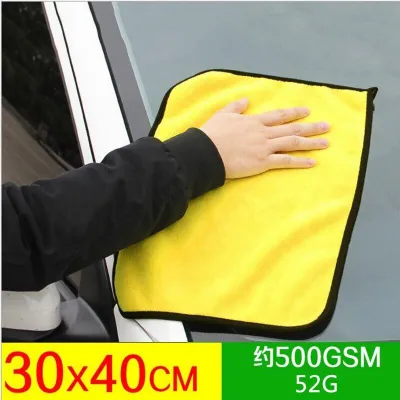

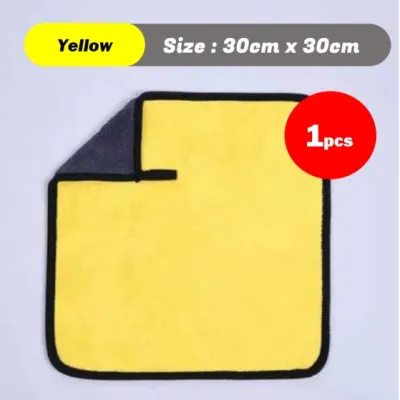
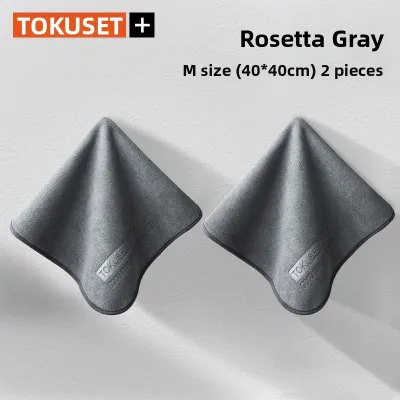
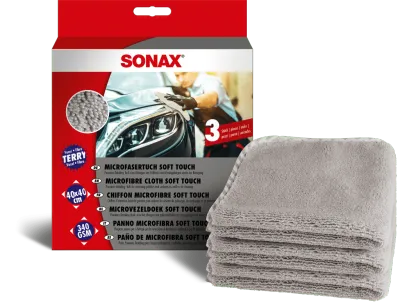
![[SG] Microfiber Cleaning Cloth ✨ Home Cloth Car Cloth Carwash Cleaning Cloth Washing](https://img.lazcdn.com/g/p/ffe687ddef7e3bd8839d43c8eeecd032.jpg_400x400q80.jpg_.webp)

Prices are valid at publication and may change. Please refer to the product page for the latest price.
The edge design of a car polishing cloth is another critical factor in preventing paint damage. Traditional overlocked stitched edges use polyester thread that can harden over time, presenting a risk of scratching delicate clear coats if dragged at an angle. Edgeless cloths, which are laser-cut or ultra-sonically cut, eliminate this risk by leaving the borders completely soft and free of thread. Silk-banded edges offer a reliable alternative, wrapping the stitched border in a soft satin or silk strip to prevent the rough thread from contacting the paint, provided the stitching remains intact.
When purchasing cloths, reading the manufacturer’s label for material composition is more reliable than relying on unverified thickness or weight claims. High-quality detailing cloths typically consist of a blend of polyester and polyamide, often in an 80/20 or 70/30 ratio. Polyester provides the structural scrubbing power, while polyamide adds softness and water absorbency. Checking these ratios and looking for specific task recommendations on the label will help you select a cloth tailored to your needs without relying on arbitrary thickness metrics.
Selecting Cloths for Paint Polishing
Paint polishing involves using abrasive compounds to level the clear coat and remove defects like swirls, scratches, and oxidation. As the polish breaks down, it leaves behind a sticky residue mixed with microscopic clear coat particles. To safely remove this residue without marring the freshly corrected paint, you need a highly absorbent, soft-pile microfiber cloth. A medium-to-high pile weave is ideal here, as the longer fibers provide ample space to lift and trap the abrasive particles away from the paint surface.

Using a single cloth for an entire vehicle during polishing is a common mistake. As a cloth becomes saturated with spent polish and clear coat dust, it loses its ability to absorb more material. Continuing to use a saturated cloth drags abrasive residues across the panel, creating new micro-scratches. To prevent this, keep a large stack of clean cloths on hand and rotate to a fresh section or a new cloth for every panel.
Before any cloth touches your vehicle’s clear coat, perform thorough visual and tactile checks. Shake the cloth out vigorously to dislodge any loose dust or environmental debris. Run your clean fingers across both sides of the cloth to feel for any embedded particles, hardened product from previous detailing sessions, or stiff fibers. If you detect any roughness or foreign objects that cannot be easily removed, set the cloth aside and use a fresh one to ensure optimal safety for your paint.
Selecting Cloths for Wax Application and Removal
Applying and removing car wax requires a strategic approach to ensure an even, protective layer without leaving unsightly streaks or residue behind. The application phase is ideally handled with specialized, low-pile microfiber applicator pads or soft foam applicators. These materials allow you to spread paste or liquid wax in thin, uniform layers across the paintwork, preventing product waste and making the subsequent removal process much easier.
For removing and buffing the dried wax haze, you should transition to a plush, high-pile microfiber cloth. The long, soft fibers of a plush cloth are highly effective at picking up the excess wax residue and buffing the surface to a high-gloss shine. Alternatively, a high-quality waffle weave or short-pile microfiber can be used for the initial wipe to prevent rapid wax buildup within the fibers, followed by a final buff with a plush cloth. This dual-cloth method reduces the physical effort required and minimizes the risk of leaving oily streaks on the paint.
In Singapore’s hot and humid tropical climate, waxes can dry and cure much faster than in cooler regions, making timely removal critical. If you notice the cloth starting to drag, feel heavy, or leave a faint, oily trail on the paint, it has become saturated with wax. Continuing to use a saturated cloth will only spread the excess wax around, leading to uneven patches and stubborn holograms. Switch to a fresh, clean cloth immediately to maintain a clean, streak-free finish across the entire vehicle.
Selecting Cloths for Ceramic Coating
Ceramic coatings offer durable protection and intense gloss, but their application demands extreme precision and the correct cloth selection. Unlike waxes, ceramic coatings cure into a hard, glass-like barrier. The application process typically utilizes small, specialized suede microfiber cloths wrapped around a foam applicator block. The flat, lint-free texture of suede microfiber ensures that the liquid coating is spread evenly across the panel without absorbing excessive amounts of the product.
Leveling the coating—removing the excess product after it flashes—requires a dedicated multi-cloth system. You should use a premium, short-pile microfiber cloth for the initial leveling wipe to remove the bulk of the excess coating. Immediately follow this with a second, fresh medium-pile cloth to buff the area to a crystal-clear finish. Because ceramic coatings cure rapidly, especially in warm climates, dragging a partially cured product across the panel with a saturated cloth will create permanent high spots and streaks that can only be removed by machine polishing.
The chemical nature of ceramic coatings dictates strict rules for cloth disposal. As the liquid coating trapped in the microfiber fibers cures, it hardens into sharp, crystalline structures. If you attempt to wash and reuse these cloths on paintwork in the future, these hardened fibers will severely scratch your clear coat. To prevent accidental damage, permanently isolate or discard all cloths used for ceramic coating application and leveling immediately after your detailing session is complete.
Decision Matrix and Purchasing Checks
To help you build an effective detailing kit, the following matrix maps common cloth weaves and edge designs to their most suitable detailing tasks:
| Cloth Weave / Edge | Recommended For | Key Characteristic | Avoid Using For |
|---|---|---|---|
| Plush Pile / Edgeless | Polish removal, final wax buffing | High fiber depth, low scratch risk | Ceramic coating application |
| Waffle Weave / Silk-Banded | Drying, initial wax removal | High absorbency, low friction | Delicate paint correction |
| Suede Microfiber / Raw Edge | Ceramic coating application | Flat, lint-free, precise leveling | Buffing thick waxes or polishes |
When building your kit from scratch, use a conditional decision framework to guide your purchases. Choose plush, edgeless cloths if your primary goal is safe polish removal and high-gloss buffing on soft clear coats. Choose waffle-weave cloths if you need a highly absorbent option for drying or removing light spray waxes. Choose suede microfiber cloths if you are preparing to apply a ceramic coating and require a lint-free applicator.
Before using any newly purchased car polishing cloth, perform a few physical quality checks. Test for lint shedding by wiping the dry cloth firmly against a clean glass surface; if it leaves behind fine fibers, wash it before use or relegate it to non-paint tasks. Inspect the edge stitching for loose threads or rough spots that could scratch your paint. Finally, always remove any manufacturer tags—whether paper or plastic—by carefully cutting or tearing them off, as these hard tags are a primary source of accidental swirls during detailing.
Care and Maintenance to Prevent Scratches
Proper care and maintenance of your car polishing cloths are essential to preserve their softness and prevent them from becoming sources of paint damage. When washing your microfiber cloths, always use a dedicated microfiber wash solution or a mild, dye-free liquid laundry detergent. Strictly avoid fabric softeners, as they coat the microscopic fibers in a chemical film that ruins their absorbency and static charge. Additionally, wash your cloths in cool or warm water and dry them on a low-heat setting or air-dry them; high heat can melt the synthetic polyester and polyamide fibers, turning them into hard, scratchy plastic.
To prevent cross-contamination, separate and store your cloths by their specific detailing tasks. Keep your polishing cloths, waxing cloths, and general utility cloths in separate, clearly labeled, closed plastic bins. This isolation prevents airborne dust, garage debris, or residues from other products from contaminating your clean paint-correction cloths. Never store cloths used for ceramic coatings with your regular detailing towels, even if you plan to downgrade them to dirty tasks like cleaning exhaust tips or engine bays.
Over time, even high-quality cloths will degrade and lose their effectiveness. Inspect your cloths regularly for visual and tactile indicators of wear. If a cloth feels stiff or rough to the touch, no longer absorbs water quickly (causing water to bead on the surface instead of soaking in), or has embedded debris that cannot be washed out, it must be retired. Downgrade these worn cloths to lower-risk tasks, such as cleaning wheels, engine bays, or interior plastics, to keep your delicate exterior paint safe from scratches.
Frequently Asked Questions (FAQ)
Can I use the same microfiber cloth for polishing, waxing, and ceramic coating?
No, you should not use the same cloth across these different detailing steps. Mixing tasks leads to severe cross-contamination, as polish residues can interfere with wax bonding, and wax residues can prevent a ceramic coating from adhering to the paint. Furthermore, ceramic coatings cure and harden within the cloth fibers, making them highly abrasive. Reusing a coating-contaminated cloth on your paint will cause deep scratches and swirl marks. Always dedicate specific, clean cloths to each individual step of your detailing process.
How do I remove embedded debris from a car polishing cloth before use?
To remove embedded debris, start by shaking the cloth out vigorously to dislodge loose dust and grit. Next, hold the cloth up to a bright light source and perform a close visual inspection, using your fingers to feel for any hard spots or trapped particles. You can use a clean, fine-toothed pet brush or a dedicated microfiber restoration brush to gently comb through the fibers and lift out stubborn debris. If a particle is deeply embedded and cannot be safely removed, do not use that section of the cloth on your vehicle’s paintwork.

Community discussion
Share your experience or ask a question. Comments are reviewed before publication.