
The best blind spot mirror for your vehicle depends on how you balance the need for a wider field of view against the distance distortion that comes with curved glass. If you frequently navigate tight urban spaces, a standard convex mirror offers the broadest angle. If you prefer maintaining accurate distance perception while still gaining a dedicated blind spot zone, an aspheric mirror is often the better choice. For drivers prioritizing a clean, factory-like aesthetic, frameless designs provide a sleek look, provided they are carefully aligned. This guide breaks down the optical differences, installation requirements, and practical trade-offs to help you select the right option for your driving habits.
Selecting an aftermarket accessory for your vehicle requires understanding how it interacts with your existing equipment. A poorly chosen mirror can obstruct your primary line of sight or fail to provide the visual clarity needed for quick lane changes. By evaluating the physical design, optical properties, and mounting styles, you can make an informed decision that enhances your overall road safety.
Comparing Convex, Aspheric, and Frameless Mirror Designs
To choose the right accessory, you must first understand the physical and optical characteristics of the three primary designs available on the market. While they all aim to reduce blind spots, they achieve this through different engineering methods.
Products mentioned in this guide
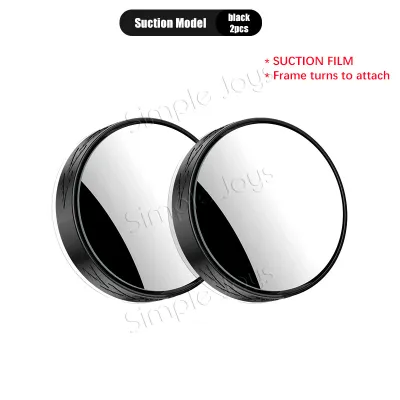
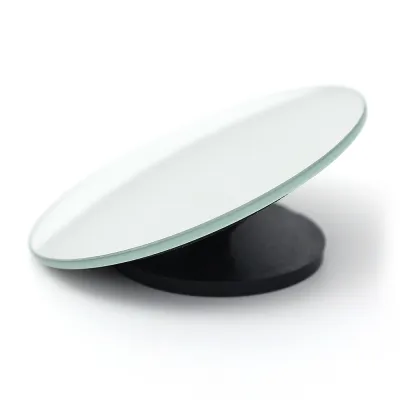
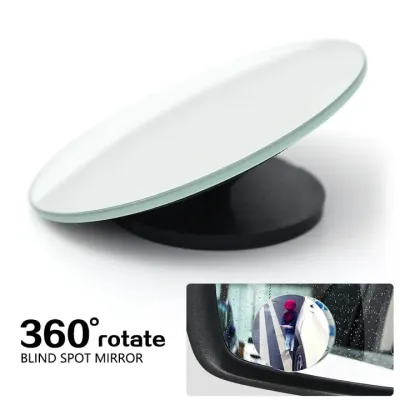
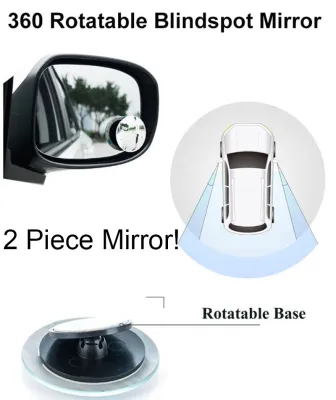
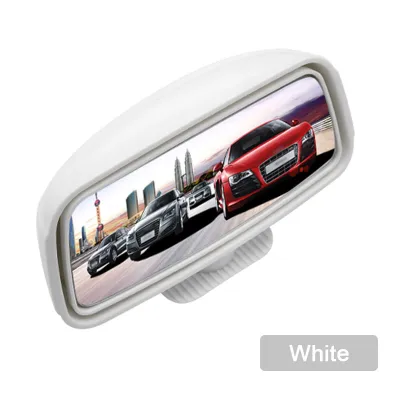
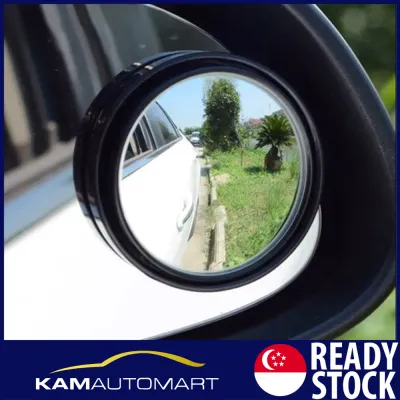
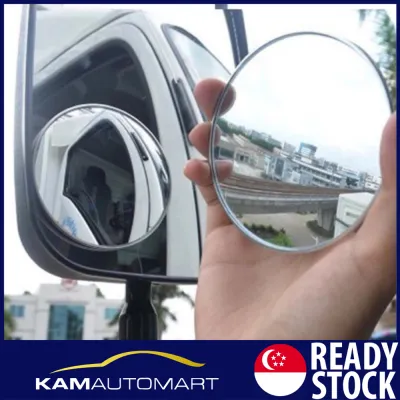
Prices are valid at publication and may change. Please refer to the product page for the latest price.
Convex mirrors utilize a uniformly curved glass surface that bulges outward toward the driver. This spherical curve causes light rays to diverge before they reach your eyes, which significantly compresses the image. As a result, you can see a much wider angle of the road behind and beside your vehicle. However, this uniform compression means that every object shown in the mirror appears smaller and further away than its actual physical position.
Aspheric mirrors employ a dual-zone optical design to solve the problem of uniform distortion. The inner portion of the mirror—closest to the driver—is flat, providing a standard, undistorted view of the traffic behind. A visible vertical line, which is often dotted or solid, separates this flat section from a progressively curved outer edge. This outer section curves sharply outward, acting as a built-in wide-angle zone that reveals vehicles in your blind spot without distorting the perspective of the main viewing area.
Frameless mirrors represent a physical styling choice rather than a distinct optical category. These mirrors lack a plastic or metal border around the glass, offering a clean, edge-to-edge viewing surface. They are typically mounted using a thin adhesive backing that sits flush against your existing side mirror. A frameless mirror can feature either a convex or an aspheric optical curve, meaning you can select this sleek aesthetic regardless of the lens type you prefer.
Evaluating Field of View, Distortion, and Visibility
When comparing these mirror types, you must weigh the trade-offs between a wider field of view and the level of distance distortion you are comfortable managing. A mirror that offers an exceptionally wide angle will naturally make objects appear smaller. This optical shrinkage can make it difficult to gauge the speed of approaching vehicles, especially when merging onto fast-moving expressways. Drivers must train themselves to use the blind spot mirror primarily to detect the presence of a vehicle, while relying on the main mirror to judge distance and speed.

Visual integration and glare reduction are also critical factors in daily driving. Frameless designs offer a seamless look that mimics original equipment, but they can sometimes blend too much into the background glass, making it harder for your eyes to focus quickly on the blind spot zone. Framed designs, on the other hand, provide a clear physical boundary that helps your brain instantly distinguish between the primary mirror view and the wide-angle insert. Additionally, you should check product packaging for anti-glare properties, such as blue-tinted glass or specialized chromium coatings, which help minimize the blinding glare of headlight beams from vehicles behind you at night.
Wet weather performance is another practical consideration, particularly in tropical climates prone to sudden, heavy downpours. Raindrops tend to cling to small glass surfaces, creating water spots that can completely obscure your view. When shopping, look for mirrors that feature hydrophobic coatings or water-shedding treatments. These surface applications encourage water to bead up and roll off quickly, maintaining clear visibility even during intense rainstorms. If the mirror you select does not come with a pre-applied coating, you may need to apply an aftermarket water repellent manually on a regular basis.
Decision Framework: Which Mirror Fits Your Driving Style?
Selecting the right mirror requires matching the design’s strengths to your typical driving environment and vehicle type.
You should choose a convex mirror if your daily commute involves navigating tight urban streets, crowded multi-storey car parks, or narrow lanes. The wide, sweeping angle of a convex lens is highly effective for spotting low-lying obstacles, concrete pillars, and motorcyclists filtering through slow-moving traffic. This type is also highly recommended for larger vehicles, such as SUVs, vans, or utility trucks, which naturally suffer from expansive blind spots that standard flat mirrors cannot cover.
You should choose an aspheric mirror if you spend a significant amount of time driving on high-speed expressways. The dual-zone layout allows you to maintain a realistic sense of distance in the flat portion of the mirror, which is crucial for safe high-speed lane changes. At the same time, the curved outer zone provides a reliable warning area that alerts you to the presence of vehicles hiding just over your shoulder. This design offers a balanced compromise for drivers who find uniform convex distortion disorienting.
You should choose a frameless mirror if you prioritize a clean, factory-installed appearance and want to minimize the visual clutter on your side mirrors. Because these mirrors lack a bulky frame, they take up less physical space on your existing glass, leaving more of your primary mirror unobstructed. This makes them an excellent choice for smaller passenger cars or sports sedans where mirror surface area is limited.
Before making any purchase, you must verify whether your vehicle is equipped with integrated electronic safety systems. Many modern cars feature built-in blind spot monitoring systems that display warning lights directly on the side mirror glass. Other vehicles feature heated mirror elements designed to clear mist and frost. Placing an adhesive blind spot mirror directly over these warning indicators or heating grids can block critical safety alerts or damage the delicate heating elements underneath. Always consult your vehicle’s owner’s manual to locate these components and ensure your add-on mirror is positioned well away from them.
Safe Placement and Installation Checks
Proper placement and secure installation are vital to ensure your new blind spot mirror functions safely without creating new hazards.
The optimal placement zone for an add-on mirror is typically on the outer edge of your existing side mirror glass. Most drivers prefer the bottom-outer corner, as this area naturally captures the adjacent lane while leaving the central and inner portions of the primary mirror free to show the road directly behind. However, some drivers find the top-outer corner more intuitive. You should sit in your normal driving position and temporarily hold the mirror in place with a piece of removable tape to test which corner provides the best balance of visibility before committing to permanent adhesive.
Once you have identified the ideal position, you must perform a motorized adjustment check. Sit in the driver’s seat and use your vehicle’s electronic mirror controls to tilt the side mirror through its full range of motion. Ensure that the added thickness or weight of the blind spot mirror does not cause the glass to catch or rub against the outer plastic housing. If your vehicle features auto-folding side mirrors, verify that the add-on mirror does not interfere with the folding mechanism when the car is locked.
Proper surface preparation is the key to preventing the mirror from detaching while you are driving. Begin by cleaning the existing mirror glass thoroughly with an alcohol-based cleaner or a dedicated glass prep solution to remove all traces of road grime, wax, and grease. Avoid using heavy household detergents that leave a residue. Once the glass is completely dry, peel the backing from the adhesive mount, position the mirror carefully, and press it firmly against the glass for at least thirty seconds. For the best results, perform this installation in dry conditions and allow the adhesive to cure fully before exposing the vehicle to wet weather or high-pressure car washes.
Frequently Asked Questions (FAQ)
Are blind spot mirrors legal for use on public roads in Singapore?
Yes, aftermarket blind spot mirrors are generally legal for use on public roads in Singapore, provided they do not compromise vehicle safety. According to the Land Transport Authority (LTA) guidelines, any modifications or accessories added to a vehicle must not obstruct the driver’s clear view of the road or create a hazard for other road users. When installing an add-on mirror, you must ensure it does not block your primary rearward vision or project outward past the physical width of your vehicle’s original side mirror housing.
Do I need blind spot mirrors on both the driver and passenger sides?
While you can install them on both sides, the passenger side (the left side in right-hand drive vehicles) typically has a much larger physical blind spot. This is due to the greater distance between the driver’s seat and the passenger-side mirror, as well as the obstruction caused by the vehicle’s central and rear pillars. Many drivers find that a passenger-side blind spot mirror provides the most significant improvement in safety. However, installing a matching pair on both sides offers symmetrical visibility and helps you monitor traffic effectively when navigating multi-lane expressways.

Community discussion
Share your experience or ask a question. Comments are reviewed before publication.