
For Singapore’s intense heat and high humidity, a breathable 3D air mesh is generally the best material for a car neck rest pillow because it maximizes ventilation and prevents sweat from pooling. However, synthetic leather with perforations is superior if you prioritize easy cleaning, while treated performance fabrics offer a balanced, soft feel if you run your air-conditioning system constantly.
Singapore’s equatorial climate presents a unique set of challenges for drivers. With relative humidity levels frequently hovering between 80% and 90%, and daytime temperatures regularly exceeding 30 degrees Celsius, the interior of a parked car can quickly transform into a high-temperature chamber. Selecting the right neck pillow material is crucial to maintaining comfort and safety during your daily commute.
How Singapore's Heat and Humidity Challenge Neck Pillow Comfort
When a car is parked under the direct tropical sun in Singapore—whether in an open-air HDB carpark or an unsheltered industrial estate—it experiences a severe greenhouse effect. Solar radiation passes through the windshield and side windows, heating the dashboard, steering wheel, and seats. Because hot air is trapped inside the sealed cabin, interior temperatures can easily soar past 60 degrees Celsius within an hour.
Products mentioned in this guide
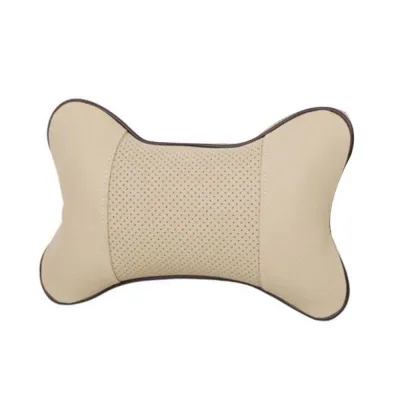

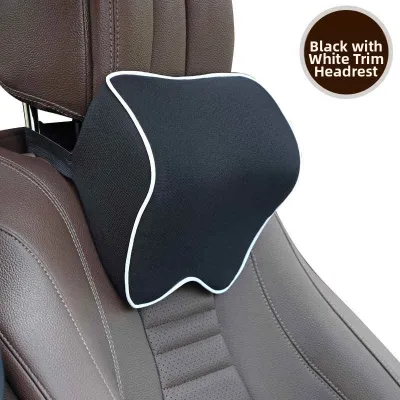

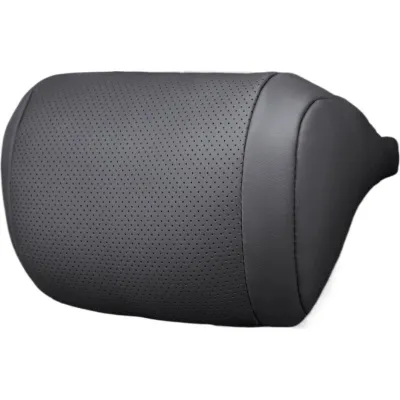
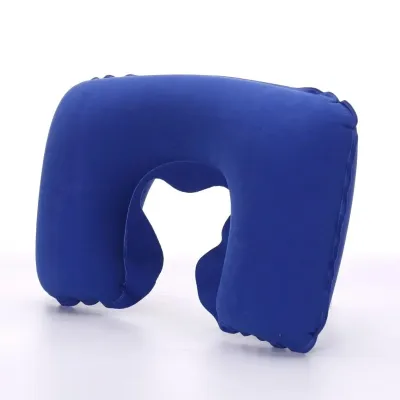


Prices are valid at publication and may change. Please refer to the product page for the latest price.
This thermal buildup is compounded by Singapore’s high ambient humidity, which severely limits the body’s natural cooling mechanism: sweat evaporation. When you get into a hot car, your body immediately begins to sweat to cool down. The narrow contact point between your neck, the pillow, and the seat headrest quickly becomes a microclimate of trapped heat and moisture.
Rather than searching for a single, universally perfect material, you should frame your decision around three core criteria: moisture management, airflow promotion, and surface temperature retention. A material that feels exceptionally plush in an air-conditioned showroom may become sticky, damp, and uncomfortable during a midday drive along the Pan Island Expressway (PIE).
Your daily driving habits and parking situations should dictate your final choice. If you primarily park in shaded basement carparks and take long drives with the air conditioning set to a low temperature, your material needs will differ from a driver who frequently parks in open lots and makes short, stop-and-go trips where the cabin never fully cools down.
Leather, Fabric, or Mesh: Comparing Materials for Tropical Driving
Each of the three primary cover materials offers distinct physical properties, structural advantages, and maintenance trade-offs. Understanding how these materials behave under thermal stress will help you select the best option for your vehicle.

Leather and Synthetic Leather (PU/PVC)
Solid genuine leather and synthetic alternatives like polyurethane (PU) and polyvinyl chloride (PVC) are highly popular for car interiors due to their premium appearance and seamless integration with existing upholstery. From a practical standpoint, these non-porous surfaces do not absorb sweat, body oils, or spilled liquids. This makes them highly resistant to staining and exceptionally easy to maintain, requiring only a quick wipe with a damp microfiber cloth.
However, the lack of inherent breathability is a major drawback in Singapore’s climate. Because air and moisture cannot pass through solid leather, sweat remains trapped on the surface, creating a sticky, clammy sensation against your neck. Additionally, leather has a high thermal mass, meaning it absorbs and retains heat when exposed to direct sunlight, making it uncomfortably hot to touch when you first enter a parked vehicle.
If you prefer the look and easy maintenance of leather, look for specific design modifications on the product label. Perforated leather or micro-porous synthetic covers feature tiny ventilation holes that allow a small amount of air to circulate, reducing the sticky feeling. Some premium leather neck pillows also feature integrated cooling gel layers directly beneath the surface to help dissipate initial heat buildup, though these still require a cool cabin to perform effectively over long drives.
Fabric (Cotton, Polyester, and Blends)
Woven and knitted textile fabrics offer a soft, familiar texture that many drivers find more comfortable than leather or synthetic alternatives. Unlike non-porous materials, fabrics naturally absorb moisture away from your skin, which can prevent sweat from pooling on your neck during the initial minutes of your drive. They also do not get as scorching hot as leather when exposed to direct sunlight.
The primary risk with fabric in a high-humidity environment is slow drying. Once a fabric pillow cover absorbs sweat, the moisture can remain trapped within the fibers for hours. In a humid car cabin, this dampness creates an ideal breeding ground for bacteria, dust mites, and mold, leading to persistent musty odors that are difficult to eliminate.
To mitigate these issues, avoid basic cotton covers and instead check care labels for performance synthetic blends. Look for specifications detailing moisture-wicking properties, quick-dry treatments, or antimicrobial finishes. These engineered fabrics are designed to spread moisture across a larger surface area to accelerate evaporation, keeping the pillow drier and fresher between washes.
Breathable Mesh and 3D Air Mesh
Breathable mesh and structured 3D air mesh represent the most effective design for maximizing airflow. These materials feature an open, porous weave that allows air to pass through the cover freely. As you drive, air from your car’s ventilation system can circulate through the pillow, continuously carrying away body heat and evaporating sweat before it can accumulate.
This active ventilation significantly reduces the risk of moisture buildup, making mesh the most hygienic option for tropical climates. However, mesh does have some trade-offs. The textured, open-weave surface can feel slightly abrasive or rough against bare skin, particularly if you have sensitive skin or are not wearing a collared shirt. Mesh also tends to have a firmer, more structural feel rather than a plush, sinking cushion.
When shopping for a mesh neck pillow, verify the density of the weave and inspect the internal structure. A breathable mesh cover is only effective if the core beneath it also allows air to flow. If the outer mesh is wrapped around a solid, non-breathable foam block, the airflow is blocked, and the cooling benefits are largely lost. Look for models that pair a mesh cover with a ventilated or hollowed-out core.
Internal Fill and Design Features That Affect Heat Retention
While the outer cover is what touches your skin, the internal fill of the car neck rest pillow plays a massive role in how much heat the accessory retains. Traditional memory foam is the most common filling material, but it is highly temperature-sensitive and dense. It contours to your body by absorbing heat, which unfortunately means it acts as a thermal sponge, trapping your body heat and warming up over time.
If you prefer the supportive feel of memory foam, look for advanced variations such as cooling gel-infused foam or ventilated memory foam with molded airflow channels. Alternatively, natural latex is highly breathable due to its open-cell structure and pincore ventilation holes, making it an excellent choice for tropical climates. Shredded fiber fills or hollow-fiber polyesters also allow air to move more freely within the pillow compared to solid foam blocks.
The physical dimensions and contour of the pillow also affect thermal comfort and, more importantly, driving safety. An excessively thick pillow pushes your head forward, disrupting your natural spinal alignment and blocking the air gap between your neck and the seat. This lack of space prevents any passive ventilation from occurring.
Furthermore, you must consider vehicle safety boundaries before adding any aftermarket neck pillow. If your vehicle is equipped with active head restraints, a bulky pillow can interfere with the system’s ability to deploy correctly during a rear-end collision. Always consult your vehicle’s owner manual to ensure any neck rest does not compromise the seat’s safety mechanisms or your driving posture. Choose a contoured pillow with an ergonomic cutout that supports the natural curve of your neck without forcing your head away from the headrest.
Finally, pay close attention to the construction of the pillow’s inner liner and zipper. A high-quality neck pillow should feature a durable zipper that allows you to easily remove the outer cover for washing. Without a removable cover, cleaning the sweat and oils out of the pillow becomes nearly impossible, forcing you to replace the entire unit prematurely.
Maintenance Tips to Prevent Odor and Mold in Humid Weather
Maintaining a clean car neck rest pillow in Singapore requires a proactive routine to combat the effects of constant humidity. Even the most breathable materials will eventually accumulate body oils, dead skin cells, and sweat. If left unchecked in a damp car cabin, these organic materials will quickly lead to mold growth and unpleasant odors.
Make it a habit to periodically remove the neck pillow from your vehicle. Bringing it into an air-conditioned indoor environment or a well-ventilated room for a few hours allows any deep-seated moisture to evaporate fully. This simple step is highly effective at resetting the humidity levels within the pillow’s core.
When parking your car outdoors, use high-quality windshield sunshades or window visors. By blocking direct solar radiation, you can significantly lower the peak cabin temperature. This not only protects your dashboard and seats but also prevents the materials in your neck pillow from degrading under intense UV exposure and extreme heat cycles.
Clean the pillow according to its specific material properties. For non-porous leather or synthetic leather surfaces, wipe them down weekly with a damp microfiber cloth and a mild, pH-balanced leather cleaner if necessary. For fabric and mesh covers, unzip and remove them, then machine-wash them using a gentle cycle and mild detergent, strictly adhering to the manufacturer’s care tags.
The most critical step in the maintenance process is ensuring the cover and the core are completely dry before reassembling and reinstalling the pillow. Putting a damp cover back onto a foam core traps moisture inside an airtight space, which almost guarantees the development of mold. Allow all components to air-dry thoroughly in a shaded, well-ventilated area away from direct, harsh sunlight, which can break down foam and synthetic fibers.
Frequently Asked Questions (FAQ)
Does memory foam get too hot in a parked car?
Yes, traditional memory foam can become exceptionally hot in a parked car. Because it is a dense, temperature-sensitive material with an open-cell structure that acts as an insulator, it readily absorbs heat from both the cabin air and your body. To prevent this, check the product specifications for gel-infusions, phase-change materials, or ventilated core designs that help dissipate heat more rapidly.
How often should I wash my car neck pillow cover in a humid climate?
There is no single timeline that fits every driver, but you should wash the cover based on your usage frequency, visible dirt, or any noticeable odor. For daily commuters in Singapore who park outdoors, washing the cover every two to four weeks is a practical baseline. Always follow the manufacturer’s care label and ensure the cover is completely dry before reinstalling it to prevent mold.
Are cooling gel neck pillows effective for long drives in the heat?
Cooling gel neck pillows provide temporary relief by absorbing and dissipating your initial body heat, making them highly effective when you first start your drive. However, on very long drives, the gel will eventually reach the ambient temperature of the car cabin. They are best viewed as a helpful supplementary comfort feature that works in tandem with your car’s air-conditioning system, rather than a standalone cooling solution.

Community discussion
Share your experience or ask a question. Comments are reviewed before publication.