
Finding the right sun shade for your Honda Freed in Singapore requires focusing on precise fitment, material efficiency, and mechanical compatibility. Because this popular compact multi-purpose vehicle (MPV) features a uniquely steep, expansive front windshield and motorized rear sliding doors, generic off-the-shelf shades rarely provide adequate coverage or safe operation. To protect your cabin from the intense tropical heat, you must select shades designed specifically for your vehicle’s generation and window configurations, ensuring they do not interfere with onboard safety sensors or door mechanisms.
When parking in open-air carparks or driving under the midday sun, a well-fitted sun shade acts as the first line of defense for your vehicle’s interior. It helps preserve the dashboard materials, reduces the load on your air conditioning system, and keeps the cabin at a more comfortable temperature. By understanding the specific dimensions of your vehicle and the structural differences between various shade formats, you can make an informed purchase that offers lasting durability and maximum coverage.
Verifying Window Dimensions and Fitment for Your Honda Freed
The Honda Freed is celebrated for its spacious, airy cabin, which is made possible by an extensive glass area. However, this large surface area also allows significant solar radiation to enter the vehicle. To address this, you must treat the vehicle’s glass layout as several distinct zones: the massive front windshield, the small front quarter windows near the A-pillars, the front driver and passenger side windows, the rear sliding door windows, the rear quarter glass, and the vertical tailgate window. Each of these zones requires a specific shape and mounting approach to ensure complete coverage without leaving large gaps.
Products mentioned in this guide
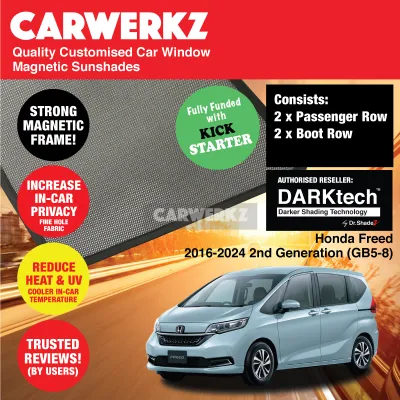
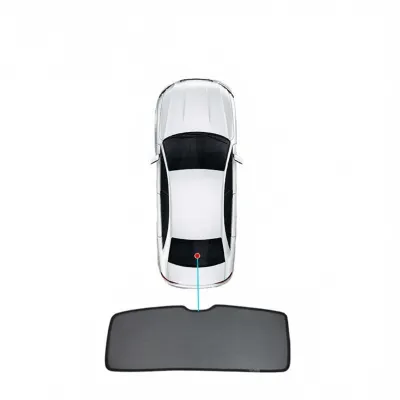
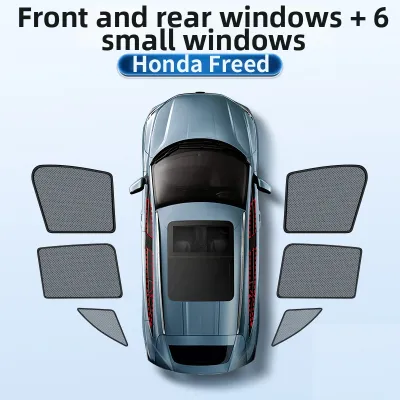
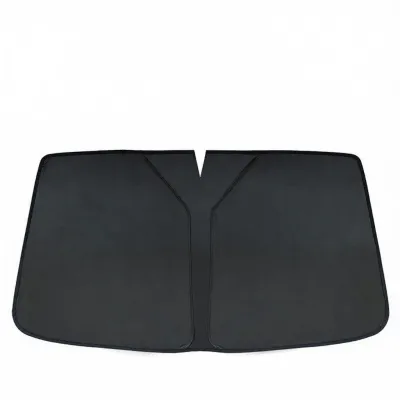
Prices are valid at publication and may change. Please refer to the product page for the latest price.
To find a shade that fits perfectly, you must identify the exact generation and model year of your Honda Freed. The vehicle has evolved through multiple generations, each with distinct body shapes and window contours. The first generation (chassis codes GB3, GB4, and GP3 Hybrid) features a different windshield angle and A-pillar design compared to the second generation (chassis codes GB5, GB6, GB7, and GB8). The third-generation models introduce further structural changes. A sun shade designed for a second-generation Freed will not align correctly with the window frames of a first- or third-generation model, leading to loose fits, sagging, or uncovered glass areas.
Before purchasing any sun shade, locate your vehicle’s chassis code on the manufacturer’s plaque, typically found on the passenger-side door pillar, or check your vehicle registration log. When browsing product listings, look for explicit mentions of these chassis codes rather than broad year ranges, which can sometimes overlap during model transition periods. If you are purchasing custom-fit shades, you can also manually measure the height and width of your windows at their widest points. Compare these measurements with the specifications provided by the manufacturer to verify that the shades will sit snugly within the window recesses.
Choosing the Right Sun Shade Format for Each Window
Different windows within your MPV serve different functional purposes, meaning a single sun shade format is rarely suitable for the entire vehicle. For the front windshield, custom-fit rigid folding shades or rollable reflective sheets are highly recommended. These shades are designed to rest flat against the glass, spanning the entire distance from the base of the dashboard to the roofline. A high-quality custom-fit front shade will feature a dedicated cutout at the top to accommodate the rearview mirror housing and any forward-facing safety cameras, ensuring the shade does not put pressure on these sensitive components.

For the rear sliding doors and side windows, magnetic frame sun shades have become a highly popular choice. These shades feature a flexible metal wire frame embedded with small, strong magnets that cling directly to the exposed steel frame of the vehicle’s doors. They offer a clean, integrated look and can be installed or removed in seconds. However, you must verify if your specific Honda Freed trim has exposed metal window frames on the interior; some premium trims or modified interiors feature plastic cladding over the metal, which prevents magnetic shades from adhering. In such cases, static-cling mesh screens are an excellent alternative, using atmospheric pressure and static charge to stick directly to the glass surface.
Retractable roller shades represent another format, often mounted to the top of the door trim or directly to the glass via suction cups or adhesive brackets. While convenient, retractable shades require careful installation on the Honda Freed’s rear sliding doors. Because the clearance between the sliding door and the exterior body of the car is extremely tight when the door is fully opened, any protruding brackets, suction cups, or thick roller housings can catch on the rubber seals or scratch the vehicle’s exterior paintwork. If you choose retractable options, ensure they mount completely flush within the window recess and do not extend past the door’s inner profile.
Evaluating Heat Rejection Labels and Material Durability
When evaluating sun shades, it is essential to look past generic marketing claims and focus on verifiable material properties and performance ratings. High-quality sun shades typically specify their Ultraviolet (UV) and Infrared (IR) rejection capabilities. UV radiation is primarily responsible for fading and cracking your dashboard, steering wheel, and seat upholstery, while IR radiation is the primary source of heat buildup inside a parked car. Look for products that provide clear, manufacturer-backed specifications, such as a high Total Solar Energy Rejection (TSER) percentage, which represents the overall heat-blocking capability of the material.
The structural composition of the shade determines how it handles solar energy. Reflective sun shades, which often feature a silver-coated polyester or aluminum foil layer, work by bouncing solar radiation back out through the glass. This mechanism is highly effective for the front windshield when the vehicle is parked, as it prevents the dashboard from absorbing heat and radiating it into the cabin. Conversely, dark mesh fabrics work primarily by absorbing and diffusing light. While mesh shades are excellent for side windows because they maintain a degree of outward visibility for passengers while driving, they do not reflect heat as efficiently as solid reflective materials.
Given the constant high temperatures and humidity in Singapore, material durability is a critical factor. Cheaply manufactured reflective shades often utilize low-grade adhesives to bond the reflective foil to the inner foam core. Over time, intense heat exposure can cause these layers to peel, bubble, or flake, leaving a messy silver residue on your dashboard. Furthermore, low-quality plastics and synthetic fabrics can release unpleasant chemical odors—a process known as off-gassing—when subjected to high cabin temperatures. To avoid this, look for shades constructed from high-temperature-resistant, non-toxic materials with double-stitched fabric borders that resist fraying.
Installing and Storing Sun Shades Without Damaging the Interior
Proper installation of your sun shades is crucial to prevent accidental damage to your Honda Freed’s interior components. When deploying the front windshield shade, gently slide it into position from the bottom of the windshield upward. Avoid forcing the top edge of the shade against the rearview mirror assembly. Many modern Honda Freed models are equipped with the Honda Sensing suite, which includes a camera housing mounted behind the rearview mirror. Forcing a rigid sun shade into this area can misalign the camera or scratch the sensor housing, potentially affecting the performance of your driver-assist systems.
Storing your sun shades correctly when they are not in use is equally important for maintaining their structural integrity. Rigid wire-frame shades are designed to be collapsed using a specific “figure-eight” twisting motion. Attempting to fold these frames forcefully without following the correct technique can permanently bend or snap the internal spring steel wire, rendering the shade unusable. Once folded, store the shades in their designated protective sleeves to prevent the reflective coatings from being scratched by other items in the cabin. Convenient storage locations in the Honda Freed include the seatback pockets, the space beneath the second-row seats, or the rear luggage compartment.
Regular maintenance will extend the lifespan of your sun shades and keep your cabin clean. Reflective surfaces should be wiped down periodically with a clean, damp microfiber cloth to remove dust and fingerprints. Avoid using harsh chemical solvents, glass cleaners, or abrasive pads, as these can strip away the reflective or UV-resistant coatings. For mesh fabric shades, a gentle vacuuming with a soft brush attachment is usually sufficient to remove dust. If the mesh becomes soiled, spot-clean it using a mild, label-authorized interior fabric cleaner, and ensure the shade is completely dry before folding and storing it to prevent mold and mildew growth in Singapore’s humid climate.
Confirming Compatibility and Return Policies Before Purchase
Before finalizing your purchase from an online marketplace or a local automotive accessory retailer, take the time to double-check the product’s compatibility details. Many generic listings use broad, unverified compatibility claims such as “Fits Most MPVs” or “Universal Honda Shade.” Because of the Honda Freed’s unique window geometry, these universal options rarely provide a satisfactory fit. Always prioritize listings that explicitly state the specific model generation, chassis code (such as GB5 or GB7), and year range of your vehicle.
When purchasing custom-fit items online, review the seller’s return and exchange policies carefully. Even with careful selection, minor manufacturing variances can sometimes result in a shade that is slightly too large or too small for your window frame. Ensure that the seller offers a straightforward return process for fitment issues. It is also beneficial to read customer reviews specifically written by other Honda Freed owners. These reviews often provide practical insights into how well the shades fit the unique triangular front quarter windows and whether the magnetic frames hold securely against the door frames during daily use.
Finally, verify what is included in the product package. Some custom-fit sets only include shades for the passenger side windows, while others are full-vehicle sets that include the front windshield, side windows, rear quarter windows, and the tailgate. If you only require protection for specific areas, such as the rear seats where children or passengers sit, purchasing a partial set can be a practical and cost-effective solution. However, if your goal is to minimize overall cabin temperatures when parked, investing in a complete, custom-fit full-vehicle set will provide the most comprehensive thermal protection.
Frequently Asked Questions (FAQ)
Will generic universal sun shades fit the Honda Freed windshield?
Generic universal sun shades generally do not fit the Honda Freed windshield properly. The Freed features an exceptionally deep and steeply raked windshield that is significantly larger than those found on standard sedans or hatchbacks. A universal shade will typically be too short to reach from the base of the dashboard to the sun visors, leaving massive gaps at the top or bottom. These gaps allow direct sunlight to hit the dashboard, significantly reducing the overall heat rejection in the cabin. If a custom-fit option is temporarily unavailable and you must use a temporary shade, measure the maximum diagonal distance of your windshield and select a shade with a matching aspect ratio, keeping in mind that it may still require overlapping or creative positioning to stay secure.
Do side window sun shades interfere with the power sliding doors?
Yes, side window sun shades can interfere with the operation of the power sliding doors if they are too thick or improperly installed. The clearance between the sliding door’s inner panel and the exterior body of the Honda Freed is extremely narrow as the door glides open. If you install magnetic shades that protrude past the inner window frame, or if you use thick, rigid frames that do not sit flush against the glass, they can catch on the rubber weatherstripping or the car’s body panels. This friction can cause the sliding door’s safety sensors to detect an obstruction, causing the door to reverse automatically or, worse, damaging the sliding motor and scratching the exterior paint. To prevent this, always choose low-profile, custom-fit magnetic shades that sit entirely within the recessed metal frame of the window, or opt for thin static-cling mesh screens that lie completely flat against the glass.

Community discussion
Share your experience or ask a question. Comments are reviewed before publication.